Look At All That Money


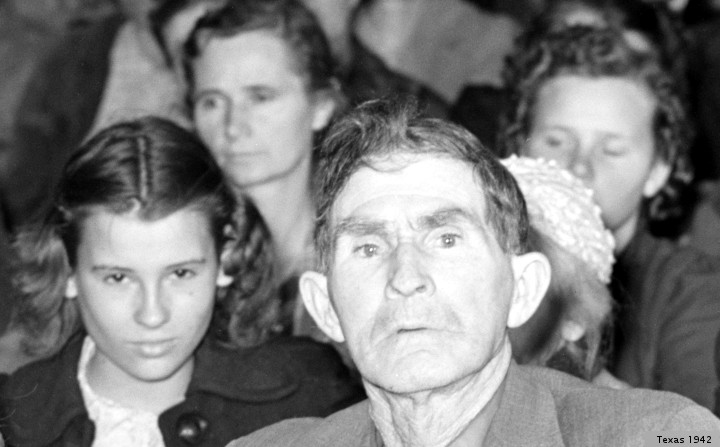
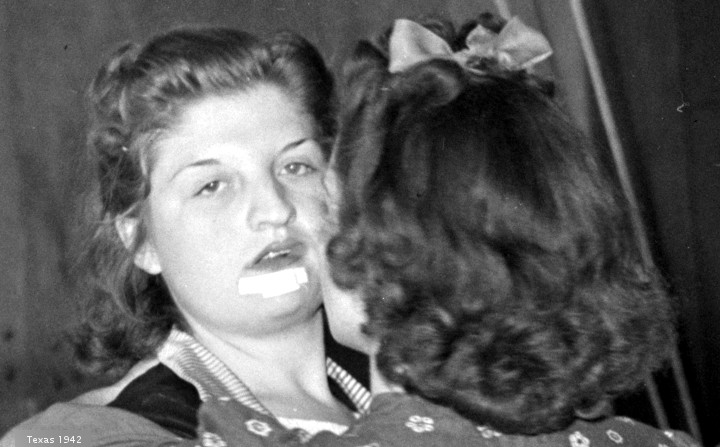

It started Wednesday. Steve put a note on facebook that he needed a ride, from midtown to south atlanta, sometime early afternoon thursday. It had a medical sound to it. PG had been feeling the need to do a good deed, and sent a reply. After various negotiations, PG agreed to meet Steve on Howell Mill Road at 8:30am. They go back to South Atlanta when it was all over.
Thursday started at 7:40. I-85 is crowded, as usual, but moving. After several folders on the thumb drive, PG settled on Aphex Twin. This has a science fiction feel… going down an eight lane freeway, jam packed with modern vehicles, past ghastly condo projects, before you get to the megabuck medical center. Judy Jetson is a recovery nurse.
The first sign of induction into the medical machine is getting a parking ticket. The instructions were to go to level p6 of parking. The signs were small and confusing. It took a bit of searching to find p6. By this time, Steve had called from the surgery center. He had forgotten PG’s last name.
You walk into the surgery center. Steve caught a much appreciated lyft. The driver has to stay in the building all day. They can only leave the surgery waiting room after Steve goes back to be prepped. This waiting room has a tv, with the sound cut up loud. On the tv, some lady entertainer is singing, and the audience shrieks. It is not pleasant to listen to.
After a while, Steve goes back into the machine. PG goes down to the lobby, and is directed to the cafe. $2.35 later, PG walks out with a cup of coffee. The downstairs lobby is a marvel. Big, QUIET, full of the latest in medical interior design. Generous funding is invested in this facility.
The only problem is the seating area. There are two chairs on either side of a column. A small table is in front of the column. Instead of being in the center, between the two chairs, the table is off to one side. This lack of balance disturbs PG.
Soon, PG is back in the noisy waiting room. He is ushered into a prep area. Steve is in a surgery costume, with blood pressure cuff, iv drip, and other medical paraphernalia strategically positioned. Every where you look, you see $tate-of-the-art nurse toys. PG is reminded of the time when he heard a man say, regarding a field of cattle, look at all that money.
The procedure is scheduled for 10:30. For some reason, PG is sitting by Steve this whole time. It should be noted that PG and Steve are somewhere in the spectrum between friend and acquaintance. While there is mutual enjoyment of company, the two are not terribly close. The recovery instructions that PG hears are promptly forgotten. The Piedmont buddy system does have its advantages. Once, at a competing facility, PG lay alone, prepped and glasses-less, for 45 minutes. The only advantage to that was the take-home socks that are part of the surgery outfit. Steve got some Dunwoody banana yellow socks, while PG got vibrant purple.
Steve goes back into the procedure portal, and PG goes downstairs to the quiet lobby. His book for today is Half Asleep in Frog Pajamas, read in fits and starts. The other people in the lobby are scrutinized. Places to go meditate are considered, but nothing has the perfect feng shui. Soon, a call from the facility comes. PG cannot get to his phone in time to answer. Since the surgery center is just one flight up, PG goes upstairs. All the call said was that everything was going well. PG decided to stay in the noisy waiting room, but not before getting the lady to cut down the sound on the tv. By now, it is The View, with Whoopi Goldberg going Whoo Pee Doo, in technicolor and dolby sound, to the horror of The View‘s blonde of the moment.
At 12:14, PG is ushered into the Physicians Consultation room. The PC room is a marvel. Seven feet wide, seven feet long, eight feet tall. Three chairs, a lamp, a table, a land line phone, and a tasteful framed print. Walls painted JAP beige, with not a trace of dirt to be seen. PG wishes he could have spent all his waiting time in here. At 12:37 the surgeon stuck his head in the door to say all was well. At 12:43, PG was forced to leave the PC, to make room for the next friend-of-a-procedure.
The next stop was the recovery resort, which looked very similar to the prep spa. PG sat in the chair. Small talk was made, and recovery instructions read. Eventually, it was time to get the vehicle, and drive to the patient pickup spot. PG got a couple of feet out the door, and decided to go back inside to use the restroom. Coming out of somewhere, a familiar face walked by. PG knew who it was, as did the familiar face. Somehow, when you see someone unexpectedly in a medical facility, you wonder what the story is. The two made nervous small talk for a minute, and hurried on.
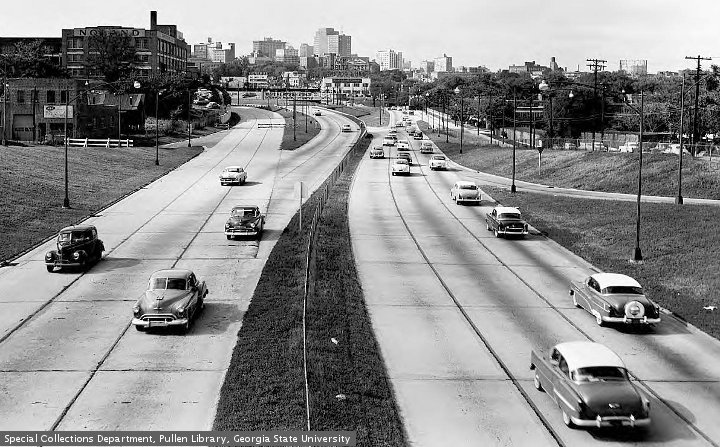
PG and Steve got on the freeway, still full of vehicles. The drug store was on Boulevard. After that, the route went past the prison, and down into the ninth most dangerous neighborhood in America. The patient was dropped off, goodbyes were said, and PG got back on the interstate to go back to Brookhaven. Pictures today are from The Library of Congress. This is a pre-COVID repost.

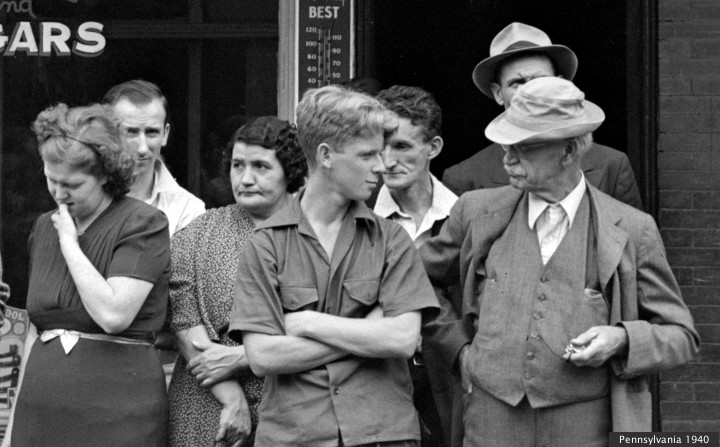

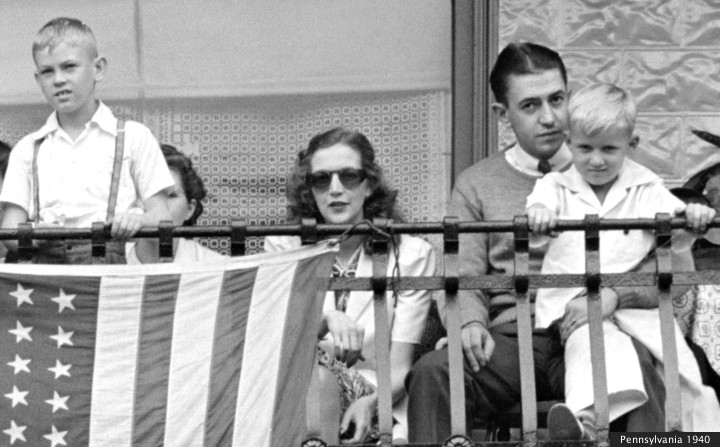


Empathy


Today’s production is two stories from 2008. PG walked down New Peachtree Road. This is Atlanta, where there are a couple of hundred roads named Peachtree. No one seems to mind that most of the peach farms are south of Macon. The peaches grow a lot better there. They fuzz comes in heavier, and the pits are pittier. One time Dagwood Bumstead asked why peaches have fuzz. Blondie said, if they has arms they could shave. PG was walking down the road in the rain, with a freight train going down the tracks. This is forty percent of the ingredients for the perfect country and western song.
When PG was younger and drunker, there was a place on Clairmont Road called the Watering Hole. He would go there, drink beer, play pool, and have a good old time. As was the custom in such facilities, there was a jukebox. The patrons put money in the box and played the songs that they wanted to hear. A favorite was “you never even called me by my name” There is a little spoken part, where David Allan Coe talks about the perfect country and western song. This song must talk about rain, Momma, trains, trucks, prison, and gettin’ drunk.
New Peachtree Road has this gravel yard where the eighteen wheelers come and go. There was a big rig backing into place when PG walked by, and he may have heard the truck bump into a trailer. PG walked in the rain, between the train, and a big rig going bump against the trailer. The problem was, Mommas gone, PG doesn’t get drunk, and prison is way too much work. So much for the perfect country and western song.
The songwriter is Steve Goodman. He gave a show at the Last Resort in Athens GA, that a friend of PG attended. Mr. Goodman tells a story about performing on a train, during a series of concerts supporting Hubert Humphrey. It seems like Mr. Goodman had to use the restroom on the train. Now, in those days, the trains did not use holding tanks, but just ejected the matter by the tracks as they rode by. Mr. Goodman was told, do not flush the commode while the train is in the station. Mr. Goodman forgot the instructions. Mr. Humphrey said ”I am going to give the people of this country what they deserve”, Mr. Goodman flushed the commode, and sprayed the crowd.
PG told the Steve Goodman story another time. There was a comment.
“Great to see your blog post that invokes Arlo Guthrie’s version of Steve Goodman’s “City of New Orleans.” Goodman often doesn’t get his due. You might be interested in my 800-page biography, “Steve Goodman: Facing the Music.” The book delves deeply into the genesis and effects of “City of New Orleans,” and Arlo Guthrie is a key source among my 1,080 interviewees.
The book also delves deeply into “You Never Even Call Me by My Name.” John Prine and David Allan Coe were key interviewees, and the book debunks the notion, promulgated by Coe, that Coe had anything to do with triggering the famous last verse of the song.
Finally, the Humphrey story actually stems from Goodman campaigning for Sen. Edmund Muskie in Florida in early 1972.
You can find out more at my Internet site . Amazingly, the book’s first printing sold out in just eight months, all 5,000 copies, and a second printing of 5,000 is available now. It won a 2008 IPPY (Independent Publishers Association) silver medal for biography. If you’re not already familiar with the book, I hope you find it of interest. ‘Nuff said!”

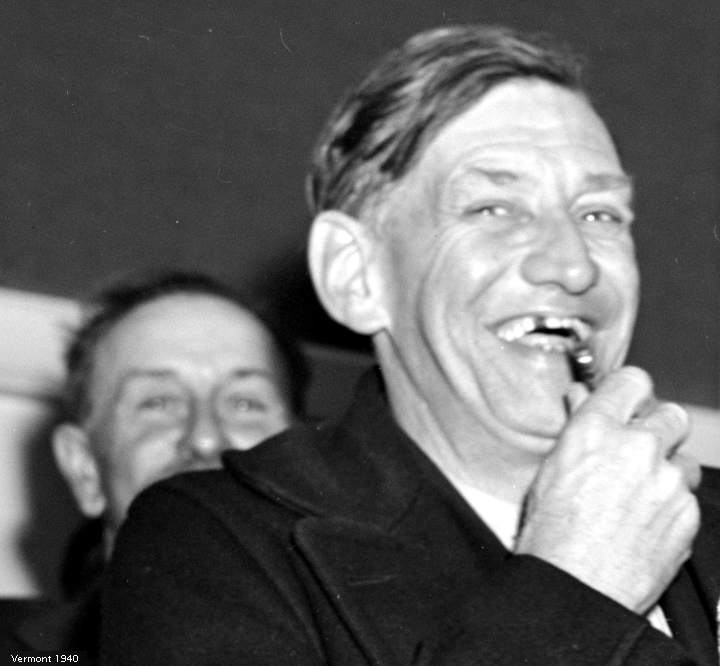

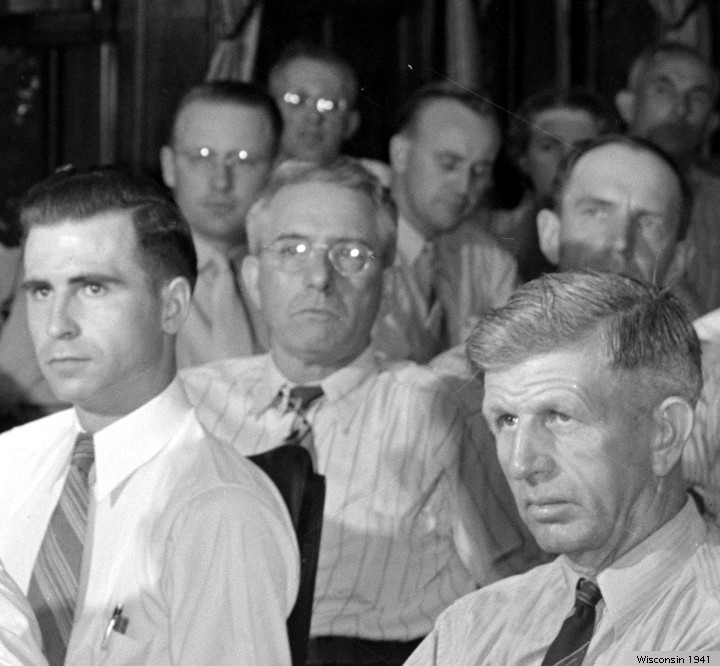
Back to empathy for a minute. The word always takes PG back to an auditorium in 1971 Clarkston GA. PG was in his first quarter at Dekalb College. Today,the institution is known as Georgia Perimeter College. One of the selling points of college has always been the outside speakers that were brought to campus. This day, the subject was abortion.
A note on set and setting is appropriate. In 1971, New York state had legalized the abortion procedure. Roe vs. Wade was in the pipeline that would lead to the Supreme Court. That ruling would not be issued for another fifteen months. In the meantime, abortion was illegal in 49 states, including Georgia. The debate about abortions was not as politicized as today. The nomenclature of choice and life had not entered the vocabulary.
The Vietnam war was still being fought, although with fewer Americans in combat. The withdrawal of US forces took most of the steam out of the anti war movement. The modern spectacle of a person supporting a war, while claiming to be pro life, did not happen.
PG walked into the auditorium and found a seat. The lady began her presentation. After a few minutes of talk… she said something about a woman who was artificially inseminated with masturbated semen. The house lights were dimmed. A black and white film, of an abortion, was shown. It was noted when the fetus went into the vacuum cleaner attachment. The house lights were brought back up. They should have remained dim, as the woman was not kind on the eyes.
The closing part of her presentation was a song she wrote. She sang acapella. The song was written out of empathy with the not-to-be-born baby. The song was titled ” My mother My grave”. PG left the auditorium, and went to world history class. Pictures today are from The Library of Congress.
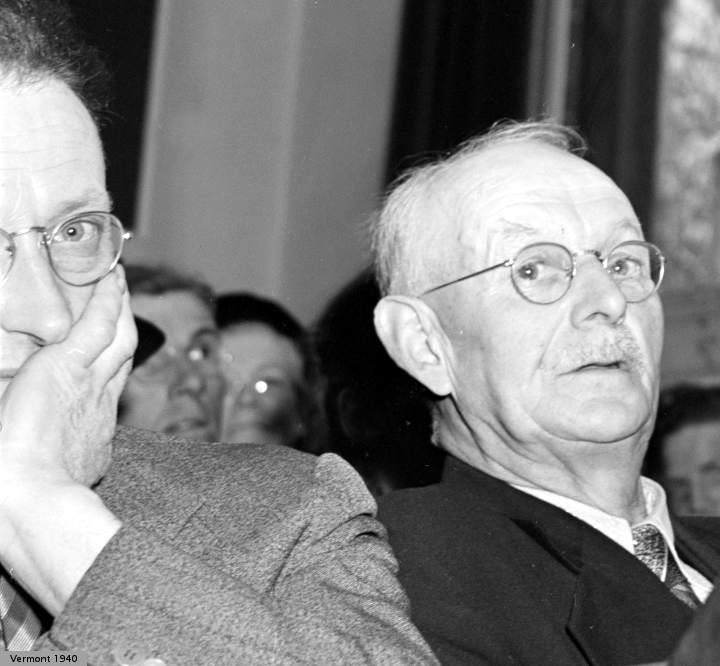

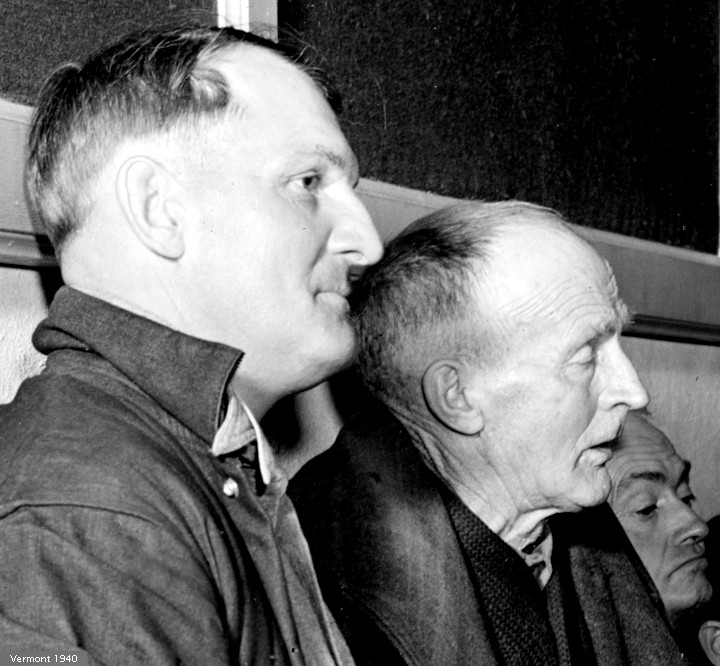

One History Of Religion



I was a southern baptist all my life. Arguably, I became a baptist when my mother converted in 1938, but really didn’t get with the program until I was born in 1954. The story is that Daddy called the choir director at six in the morning to sign me up.
First Baptist in Atlanta was a big church on Peachtree street, about a mile north of downtown. (A few years ago, they sold the land to a developer, and moved to the suburbs. I was working a block away when they tore down the building, and got some chips of brick as a souvenir.) I sang in the “cherub” choir. This was quite an experience when we performed in front of a full house. I have good memories of Sunday school, vacation bible school, and the choir program.
One thing I did not like, even at that young age, was the preacher. He was a greasy haired man who shouted a lot, and had a mean streak. Years later, I heard persistent rumors that he was gay. (I should note that this is not Charles Stanley. It is the man who preceded him.) One Sunday, we were watching him preach, and he shouted, “this is the word of G-d”. He then waved a Bible in the air, and slammed it into the pulpit. I thought, if that is the word of G-d, maybe he shouldn’t slam it down like that.
In 1962, mom and dad decided to move to a church closer to home. I liked Briarcliff Baptist. About this time, I first heard about being “saved from sin”, and thought it was a pretty cool idea. I also was in the cub scouts, and since their meetings were the same day as choir practice, I quit the choir. I attended church regularly the next few years, but never did join the church, and get baptized. The custom of pressuring children to make a “commitment of faith”, and get baptized, reflects poorly on Jesus. There are some other family issues that came up about this time. They are too personal to get into here, but they affected my attitude towards the church.
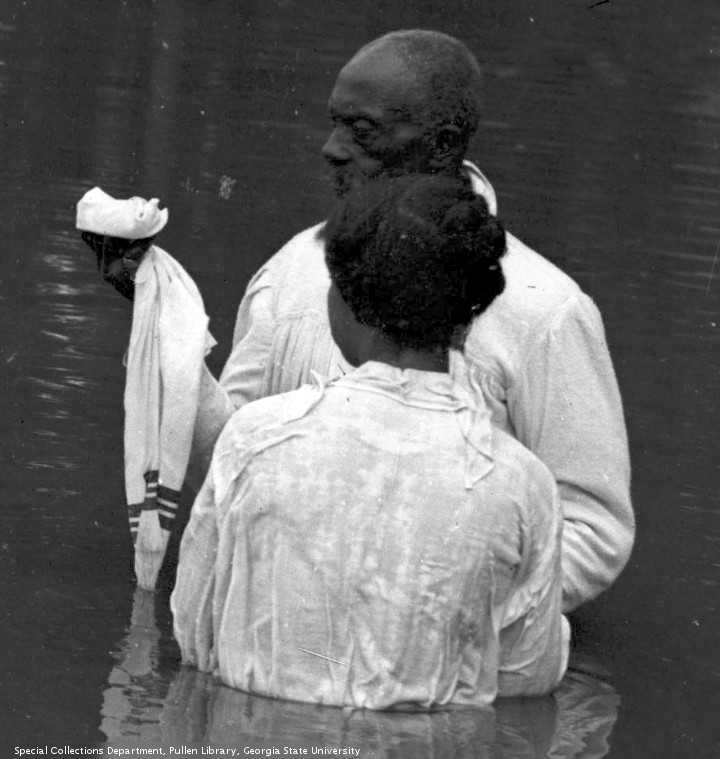
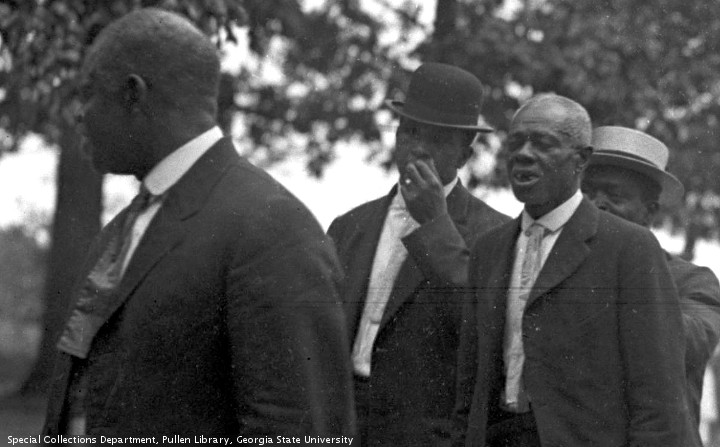
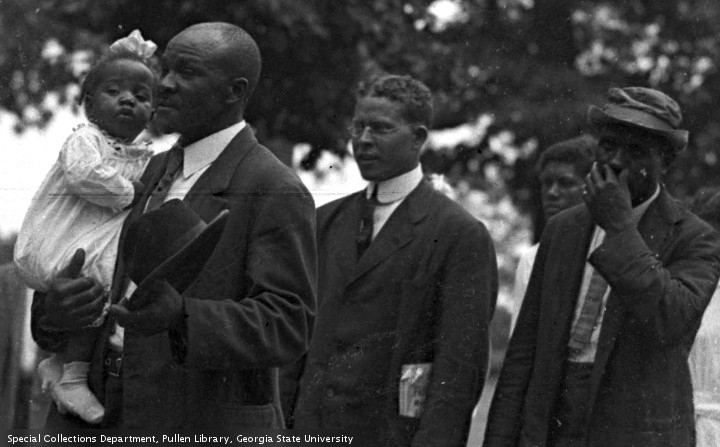
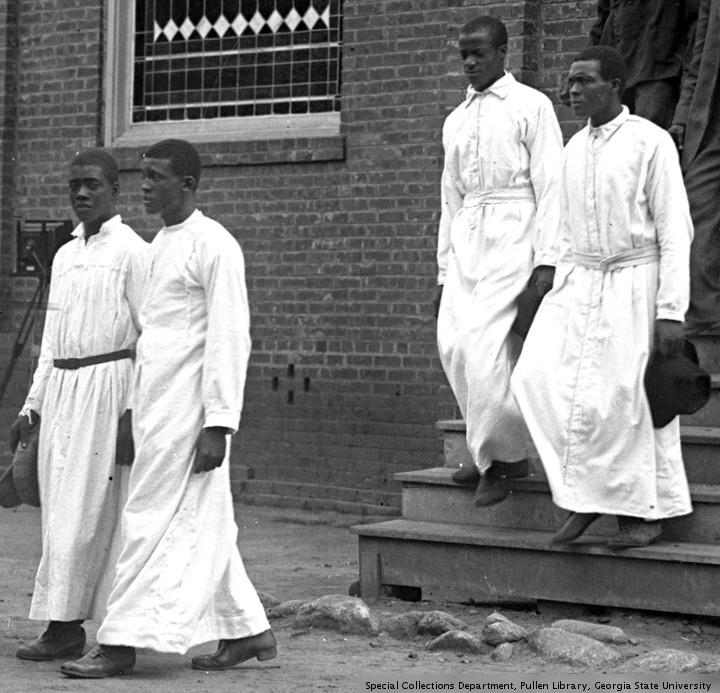
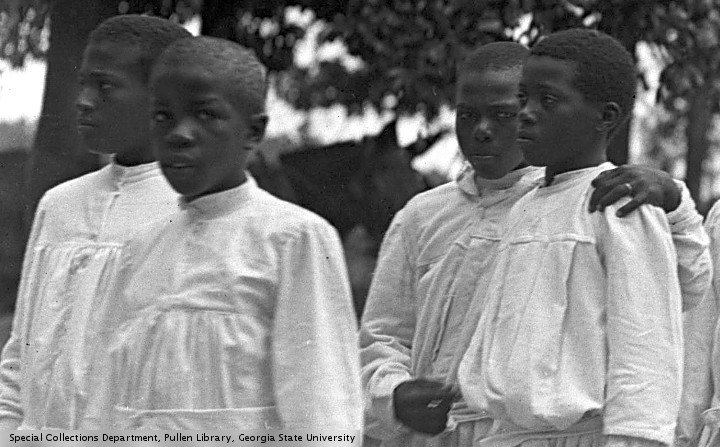
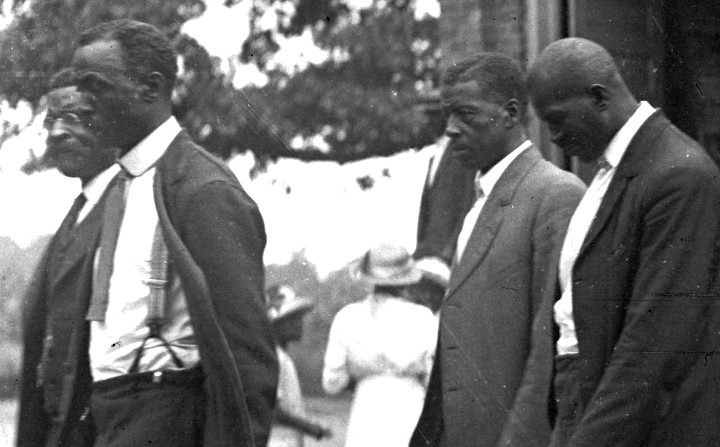
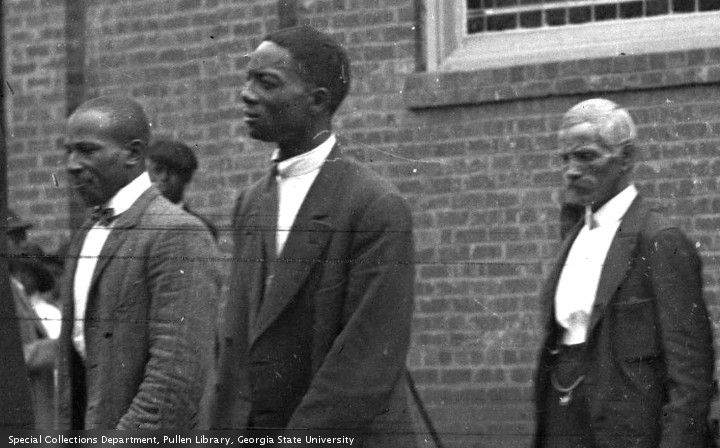
After a while, I was 17 years old, and working in a restaurant that was open until 1am on Saturday night. I decided one Sunday that I didn’t want to get up for church. I have only been back to that building once in the intervening 50 years. This is a repost, with pictures from “The Special Collections and Archives, Georgia State University Library”.




August 4
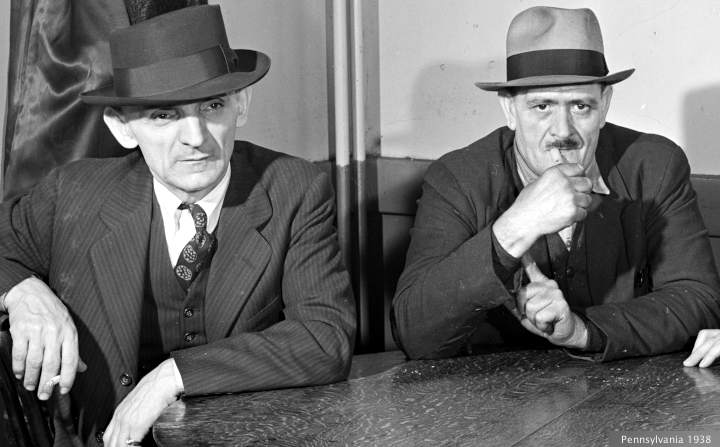

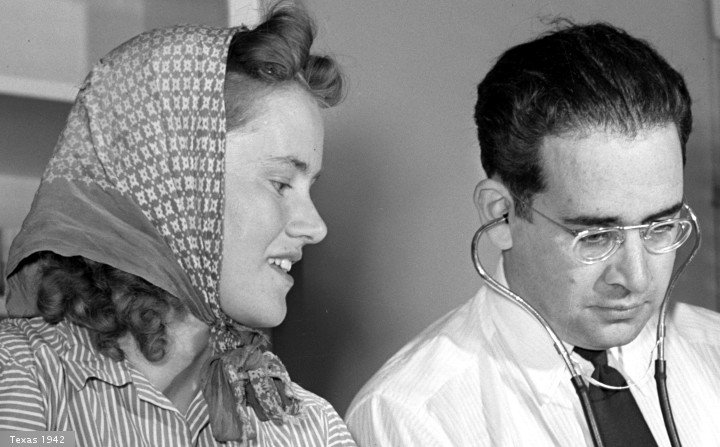
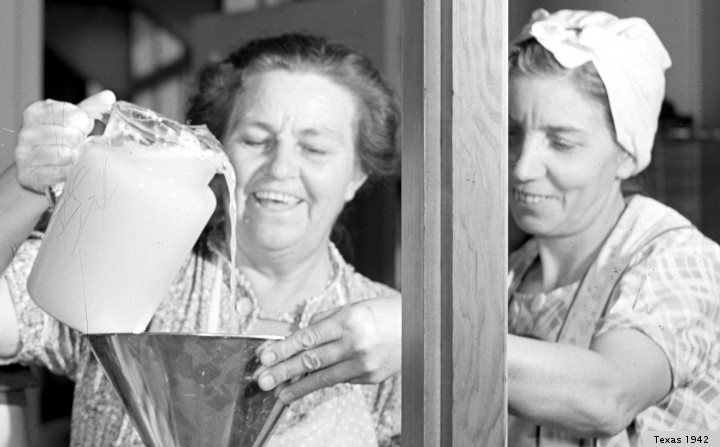
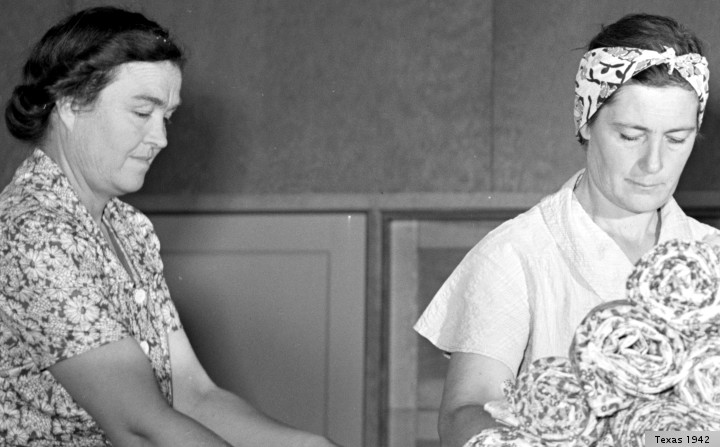


August 4 is just another day. Summer is roughly halfway over, if you talk about the time between the solstice and the equinox. Schools are starting, and football teams are tackling, so autumn is not far away. One advertising medium says August 4 is National Friendship Day, National Sisters Day, National Chocolate Chip Cookie Day, National Family Day, and National Coast Guard Day.
A few interesting people were born on August 4. 1792 – Percy Bysshe Shelley, 1821 – Louis Vuitton, 1901 – Louis Armstrong, 1961 – Barack Obama, 1971 – Jeff Gordon.
Important events took place on August 4. Wikipedia will be quoted, with a few tasteful edits. 1693 – “Date traditionally ascribed to Dom Perignon’s invention of champagne.” 1892 – “The father and stepmother of Lizzie Borden are found murdered in their Fall River, MA, home.” 1914 – “In response to the German invasion of Belgium, the British Empire declares war on Germany.” 1944 – “A tip from a Dutch informer leads the Gestapo to an area in Amsterdam, where they arrest Anne Frank.” 1964 – “Civil rights workers Michael Schwerner, Andrew Goodman and James Chaney are found dead in Mississippi after disappearing on June 21.” 1964 – “U.S. destroyers USS Maddox and USS Turner Joy report coming under attack in the Gulf of Tonkin.”
On August 4, 1964, I spent the day with my Grandmother. Her favorite soap opera, “As The World Turns,” was interrupted by a news bulletin announcing the Gulf of Tonkin incident. Later that day, we walked to the clubhouse of the Piedmont Park golf course. A friend of Gran’s worked there. The golf course lady could not wait to tell me that she did not like the Beatles. “If the Beatles were playing, for free, across the street, I would not waste the energy to walk over there and see them.”
Pictures today are from The Library of Congress. This is a repost.

Sunday At Java Monkey
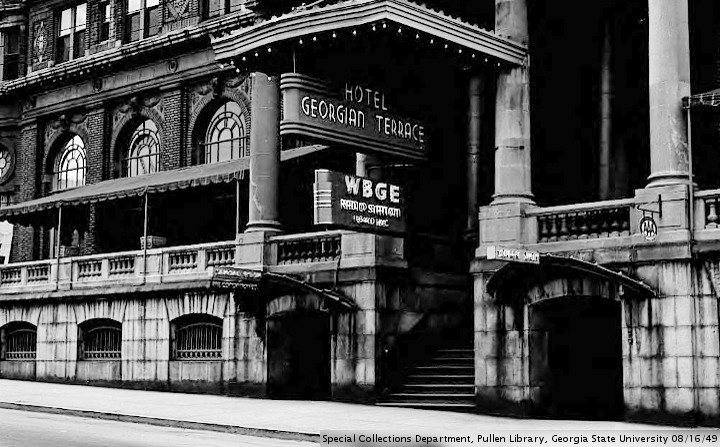

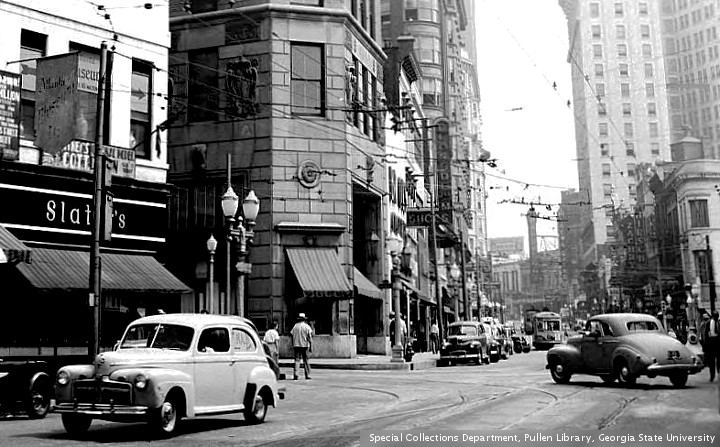
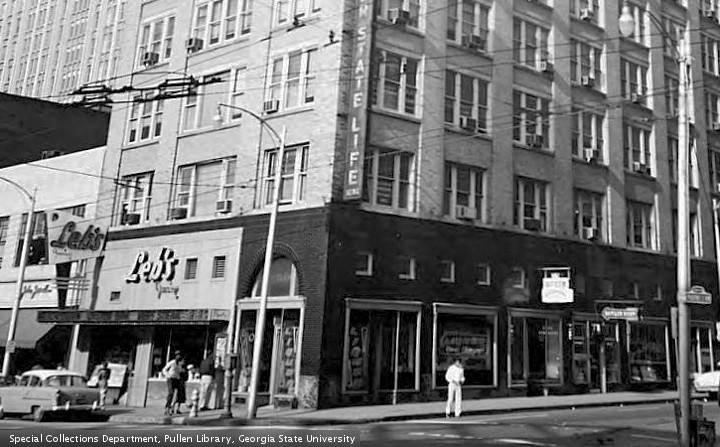
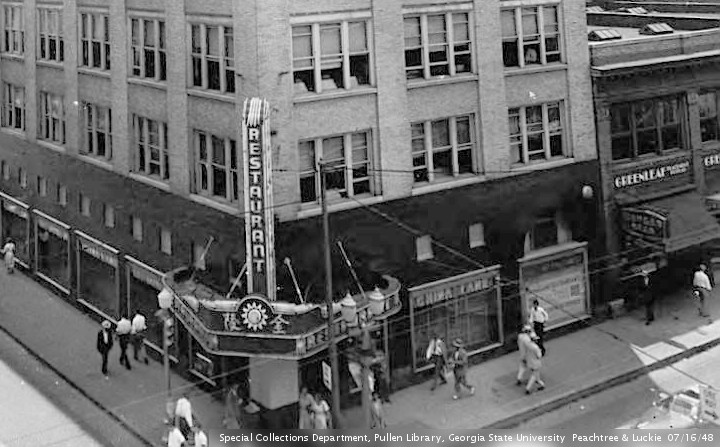

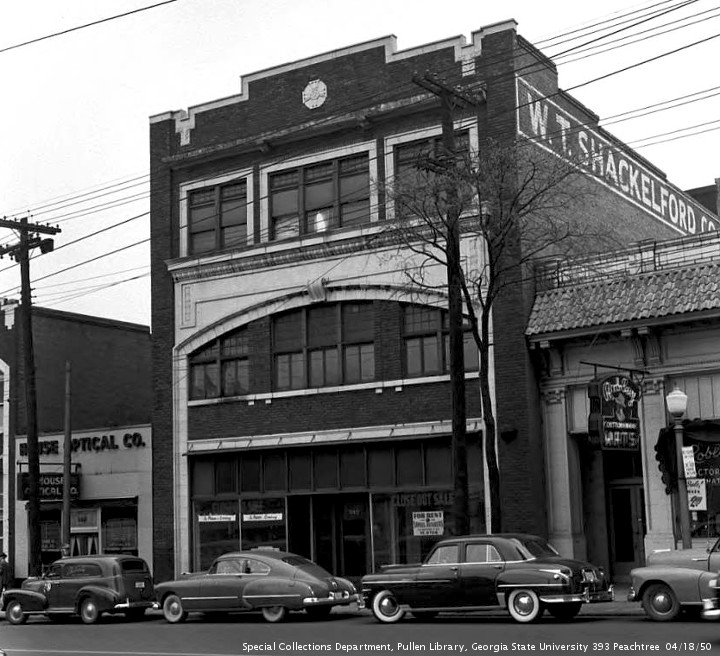

When he can get there, PG goes to an open mike poetry reading. The hosting facility is a coffee house, Java Monkey, in downtown Dickhater. The crowd is a mix of black and white. This is a repost from 2016. Java Monkey was destroyed by fire November 12, 2018.
Recently, America had a bad week. Two black men were shot dead by police. Five Dallas police were killed by a sniper. PG knew there would be a lot of black emotion at Java Monkey. What should he do?
The best thing for a white man to do was to be there, and listen. PG brought a smutty poem, sixtynine more words, to read. The rest of the time, he was quiet, and let other people speak.
One of the other white men felt the same way. He opened his poem by saying that it was not his struggle, and it was not appropriate for him to speak. (Those were not the exact words.) PG spoke to him at intermission. He said to think about this… what if you were a black person, coming to read on a night with much black pain. You looked in the audience, and there were no white people to listen?
The evening rolled along, ending just before the eleven pm deadline. PG stayed to the end. One person asked, “why are white pointed hats ok, and black hoodies are not?” White pointed hats are the punchline of jokes, and snarky comments. They are almost universally scorned.
Two weeks earlier, a young lady was talking about her natural hair. There was a comment about how *white* hands like to touch this hair. After this comment was made, a loud round of applause, and laughter, rose from the room. PG was puzzled, and just a wee bit hurt. He has never had the slightest desire to touch a black lady’s hair.
So the evening went. The names of Timothy Hill and Gerard Foster were not spoken. They were two men shot to death, in DeKalb county, during the previous week. One was in an apartment complex, walking distance from Java Monkey.
Pictures are from “The Special Collections and Archives, Georgia State University Library”. Here is a poem about that evening at Java Monkey.



The B-52s




There used to be a chinese restaurant, on the Atlanta Highway, called Hunan House. One night, a few people shared a flaming volcano, and formed a band. The b52s played their first show at a valentines day party in 1977. They were named for a bouffant hairstyle.
The b52’s were Ricky Wilson, his sister Cindy, Kate Pierson, Fred Schneider III, and Keith Strickland. The Wilsons and Mr. Strickland were from Athens. Miss Pierson and Mr. Schneider were from New Jersey. Planet Claire was the ancestral home.
Fred had lived in Atlanta before he moved to Athens. He stayed in an apartment on Monroe Drive, across from S&M clutch and brake company. PG knew some of his neighbors, and once rested his feet on a rug, formerly owned by Fred Schneider.
Somebody had connections, and The b52’s were playing shows in New York before long. They released a 45 on db records, “Rock Lobster” and “52 girls”. The first of the girls mentioned…there are only 23 named…is Effie. There was a famous whorehouse in Athens named Effies.
One night, they played a show at the Big Dipper, on Ponce de Leon Avenue. The Big Dipper was a former Maryland Fried Chicken, and is now something else. After the show, either Kate or Cindy was in the parking lot, talking to a local character named Beulah. As was his way, Beulah was talking about Mick Jagger this, Mick Jagger that. Finally, Kate had enough. “Fuck Mick Jagger. One day Mick Jagger will come see me, me, me.”
The b52’s were a fun band. Ricky had an unusual style on guitar, and Kate played a farfisa organ. The girls always wore big hair wigs. Fred was somewhere up front singing.
On Labor Day, 1978, PG saw the b52’s in Piedmont Park. There was a third girl that day, Wendy, who wore an inflatable beach float, and danced. The only songs PG is sure they did were “Downtown” and “Rock Lobster”. A few months later, PG saw the b52’s at the Agora ballroom. The Brains opened.
Sometime in late 1979, the eponymous first album came out. It became a hit, with dance clubs all over playing “Planet Claire”, “Dance this mess around”, and “6060-842”. In the summer of 1980, PG talked with a former Athenian in a hostel in Cannon Beach, Oregon. He mentioned that Cindy was the only heterosexual in the band.
The years went by, and more albums were released. On October 12, 1985, Ricky Wilson died of AIDS. He is buried in Oconee Hill Cemetery, behind Sanford Stadium in Athens. He sold bus tickets at the Greyhound station in downtown Athens before he hit the bigtime.
The band continues to this day. At some point, “Love Shack” was released, and became a hit. It is probably the best known b52’s song today. This is a repost. Pictures are from The Library of Congress.




Monroe Drive Or Boulevard




It is an Atlanta cliche. Boulevard turns into Monroe Drive because one was black, and the other white. The white people did not want to live on a street with the same name as the black neighborhood. You hear this all the time, with very little explanation. It is plausible. At one time, Ponce de Leon Avenue was a dividing line between the white, and black, neighborhoods. There are, however, a few questions about this name change business. This is a repost.
In the space between I-85 and Dekalb County, there are four streets that change names when they cross Ponce De Leon Avenue. These are Juniper/Courtland, Charles Allen/Parkway, Monroe/Boulevard, and Briarcliff/Moreland. Several streets cross Ponce without changing names, including Spring Street, Peachtree Street, Piedmont Avenue, and North Highland Avenue.
Four thoroughfares are affected by the Ponce rebranding. Juniper/Courtland is mostly commercial, at least south of Ponce. Briarcliff/Moreland is mostly white until you get to the railroad tracks south of Little Five Points. When Moreland Avenue goes under the MARTA line, the neighborhood is Reynoldstown….which was not named for Burt Reynolds.
Charles Allen/Parkway does change from white to black at Ponce. The street name then changes to Jackson Street, the original name, at Highland Avenue. Monroe/Boulevard, one block east of Charles Allen/Parkway, also goes from white to black at Ponce. However, when you cross the railroad tracks, Boulevard goes through Cabbagetown, a white neighborhood. Boulevard residents change color several times before the road dead ends at the Federal Prison. Oakland Cemetery, and Zoo Atlanta, do not play a role in this drama.
If this litany of street names is boring, it is all right to skip over the text. The pictures today are from “The Special Collections and Archives, Georgia State University Library”.
Roads change names all over the metro area, for a variety of reasons. In the area between Ponce De Leon Avenue and I 20, there are roads that change at railroad tracks (North Highland/Highland, Krog/Estoria.) Others change at Highland Avenue (Parkway/Jackson, Glen Iris/Randolph) or Decatur Street (Hilliard/Grant, Bell/Hill.) Some of these changes are racially motivated, while others are not. Some make sense, while most do not.
No one seems to know when this Monroe/Boulevard thing happened. An 1892 “Bird’s eye view” shows Boulevard sailing off into the horizon, past a racetrack in today’s Piedmont Park. A 1911 map shows Boulevard starting near “L.P. Grant Park,” and sailing past Ponce up to Piedmont Park. 1940 and 1952 maps show Boulevard going past Park Drive, only to turn into Monroe Drive at Montgomery Ferry Road. Finally, a 1969 map of “Negro Residential Areas” shows Monroe Drive changing into Boulevard at Ponce De Leon Avenue. Boulevard is a stand alone street name at all times.
If anyone knows about this name change business, please leave a comment. It would be interesting to know when these changes were made, and what government agency made them. Google has not been helpful, except for pointing the way to several map collections. UPDATE After the last publication of this post, a comment was made about the namesake of Monroe Drive. A post inspired by this comment is reposted below. UPDATE 99% Invisible produced a story about Collier Heights, a pioneering suburb built for Black people. Included in the documentation was a “residential security map” from 1938. The map color-coded the city’s neighborhoods: A, green,”The Best,” B, blue,”Still Desirable,” C, yellow,”Definitely Declining,” D, red, “Hazardous.” The implication was that the D neighborhoods were where Black people lived. If you look at Boulevard on this map, you see that it is still called Boulevard north of Ponce De Leon Avenue. The neighborhood is C. Boulevard does not become a D neighborhood until Wabash Av., a few blocks south of Ponce De Leon.


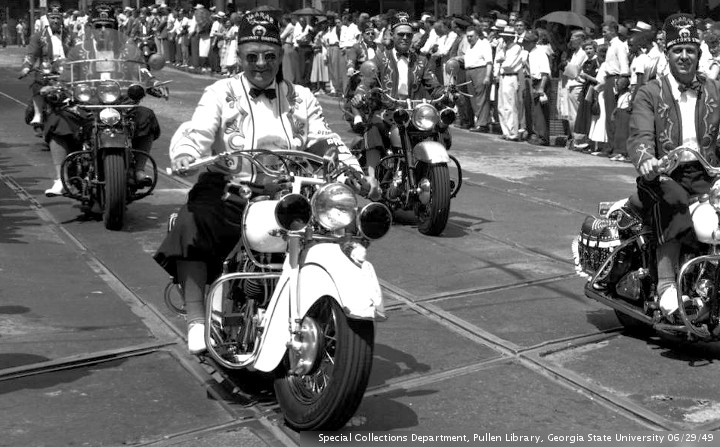


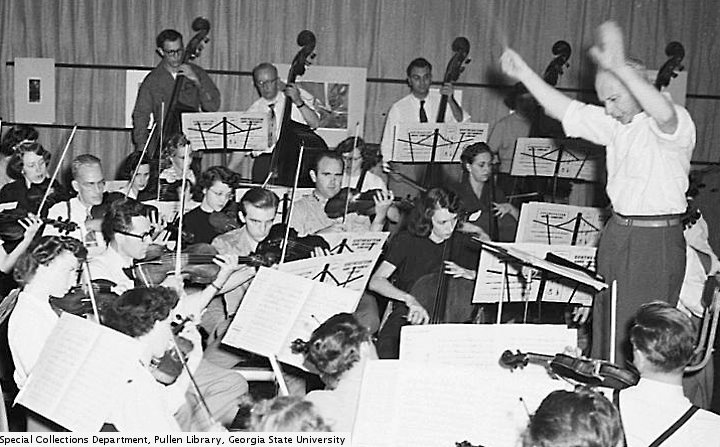
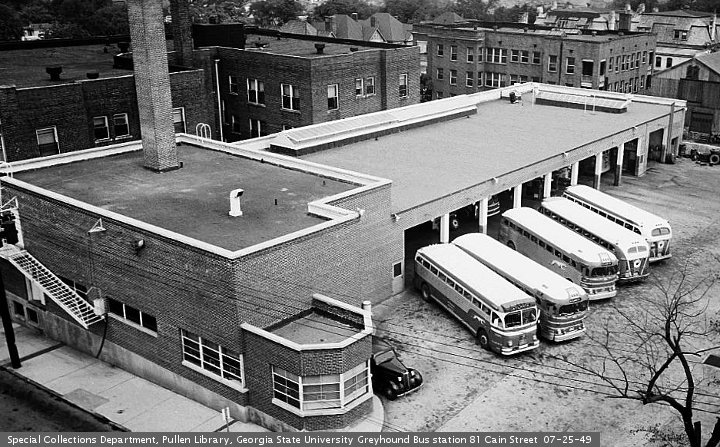

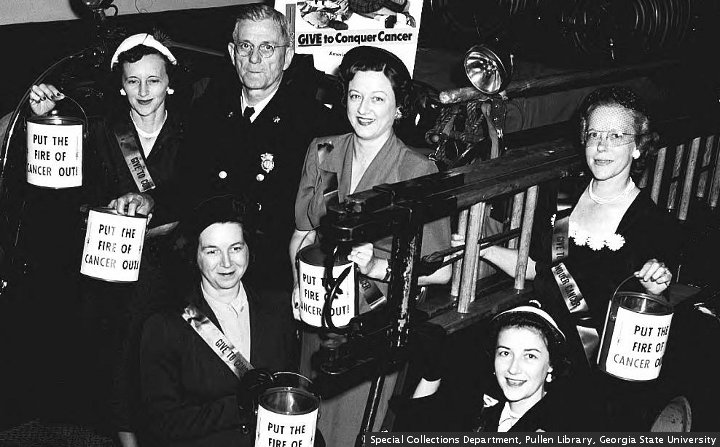

“North Boulevard was renamed Monroe Drive in 1937 to honor noted Landscape Architect W.L. Monroe who built his house and a plant nursery on the road and was noted for his many landscape projects and public parks in Atlanta.” Faset (Bill) Seay, February 4, 2020, 3:48 pm This comment was made to Monroe Drive or Boulevard. MDOB looks at Atlanta roads that change names, and the reputed racial motivations for these changes. The Monroe story takes place in Piedmont Heights.
“In 1823 Benjamin Plaster was granted 3,000 acres of land along Peachtree Creek and Clear Creek in recognition of his military service during the War of 1812. This was two years before Archibald Holland acquired a similar tract several miles to the east where another village called Terminus was founded in 1837, later renamed Marthasville and eventually Atlanta. … Plaster built a bridge across Peachtree Creek and the trail to it became known as Plaster’s Bridge Road. The bridge’s stone abutments still remain on the creek banks and a short section of the old road, running along the northern boundary of today’s Piedmont Heights, is now called Plasters Avenue. As other settlers followed a township called Easton grew up around Walker’s Grist Mill on Clear Creek near the site of today’s Ansley Mall at Piedmont Road and Monroe Drive.”
“Around 1850 Captain Hezekiah Cheshire arrived from South Carolina. His sons, Napoleon and Jerome, settled on opposite sides of the south fork of Peachtree Creek. They built a bridge across the creek near to connect their farms and the road to it became Cheshire Bridge Road. … In 1864 General Sherman’s Union soldiers swept through Atlanta. General T. J. Wood’s troops built entrenchments along the eastern edge of Easton on the property of Benjamin Plaster’s son Edwin, putting the little community in the battle of Atlanta. These entrenchments remained until the 1950s when they were destroyed by the construction of a Holiday Inn. Today a few crumbling stone steps and historic marker on the site honor the Edwin Cheshire family’s handyman “Gold Tooth John” whose ghost is rumored to still wander the halls of the old hotel at night.
“In 1871 the Atlanta and Richmond Air Line Railway opened a line between Atlanta and Toccoa, Georgia with a depot at Easton. Its “Air Line Belle” train, said to be the finest on the line, allowed Easton residents to commute to Atlanta without having to ford Clear Creek which still had no bridge. Train service spurred growth of the township to 100 residents by 1888 but the surrounding area remained rural and mostly devoted to farming and dairying. The rail line serving Easton was called the “Southern Railway Belt Line” and in 1883 the “Georgia Pacific Belt Line Railroad” connected with it just north of Easton at Belt Junction, an area which later became known as … Armour/Ottley. … In 1895 North Boulevard was built, running through Easton parallel to the railroad, as a main route into Atlanta. … In 1912 Fulton County annexed Easton and renamed it Piedmont Heights. Plaster’s Bridge Road was paved in 1917 and its name changed to Piedmont Road.” (According to this narrative, the Boulevard-Monroe thoroughfare was originally called North Boulevard. This is not the same road as North Avenue. Confusing road names is not limited to multiple Peachtrees.)
“In 1925 Landscape Architect W. L. Monroe bought 15 acres on North Boulevard at Wimbledon Road where he operated a popular nursery and landscaping business for many years, … Remnants of two small stone structures that Monroe built … remain on the grounds of today’s Ansley-Monroe Villas Condominiums. In 1927 a portion of North Boulevard was renamed Monroe Drive in honor of Monroe’s many landscape projects in the city.” … “In 1928 the City of Atlanta began annexing Piedmont Heights by taking in the lots along North Boulevard. In the 1930s a new home could be bought for $4,700 on North Boulevard or Wimbledon Road.”
There is a bit of confusion here. One source says the Monroe renaming was in 1927, while another source says 1937. Then there is the story told by maps, found in the original post.
An 1892 “Bird’s eye view” shows Boulevard sailing off into the horizon, past a racetrack in today’s Piedmont Park. A 1911 map shows Boulevard starting near “L.P. Grant Park,” and sailing past Ponce up to Piedmont Park. A 1940 map shows Boulevard going past Park Drive, only to turn into Monroe Drive at Montgomery Ferry Road. Finally, a 1969 map of “Negro Residential Areas” shows Monroe Drive changing into Boulevard at Ponce De Leon Avenue, like it is today.
Two things are worth noting. None of these maps have a “North Boulevard.” The street name is a stand-alone Boulevard. Second, the 1940 map shows the street as Boulevard at Eighth Street, and Elmwood Drive. The first mention of Monroe is at Montgomery Ferry, near the Monroe Nursery. This might contradict the racial narrative.
The information about Mr. Monroe neither proves, nor disproves, the story that black Boulevard was changed to white Monroe. City on the Verge: Atlanta and the Fight for America’s Urban Future states “In 1925 landscape architect W. L. Monroe bought fifteen acres on what was then called North Boulevard, establishing a plant nursery that thrived for many years. In 1937, the street north of Ponce de Leon was renamed Monroe Drive in his honor (and to distinguish it as a white area as opposed to Boulevard to the south of Ponce).” The book offers no evidence for this, and its “woke” tone is cause for skepticism. While there is circumstantial evidence to support the legend, verifiable facts are hard to come by. A similar story might be the 1956 change of the state flag.
“William Lott Monroe, Sr. (1891-1965), landscape designer and nurseryman, is recognized in newspaper articles as the “landscape artist” during the development of North Fulton Park (later renamed Chastain Memorial Park) in the late 1930s and early 1940s. This work was financed partially through WPA (Works Progress Administration) funds and supported with local prison labor. … There are three main areas in Chastain Park with Monroe’s signature style as a landscape designer: (1) the master grill area; (2) the picnic grounds area; and (3) the amphitheater. … Monroe’s Landscape & Nursery Co. is removed from Fulton County’s payroll: “… Drawn more than $17,000 from the county in the last year and one-half… The company was drawing $500 a month for supervising landscaping of county parks, which was in addition to flowers, shrubs and blueprints sold by it to the county.” (“Nursery Company Is Cut Off Pay Roll.” Atlanta Constitution, Jan. 25, 1941)” … “1941 Amphitheater still under construction, originally planned as an outdoor venue for the Atlanta Symphony Orchestra.” … “It is unknown if Monroe oversaw the completion of construction at the amphitheater.” … “October 22, 1965 William Lott Monroe, Sr. dies in Atlanta.” Pictures are from “The Special Collections and Archives, Georgia State University Library”.
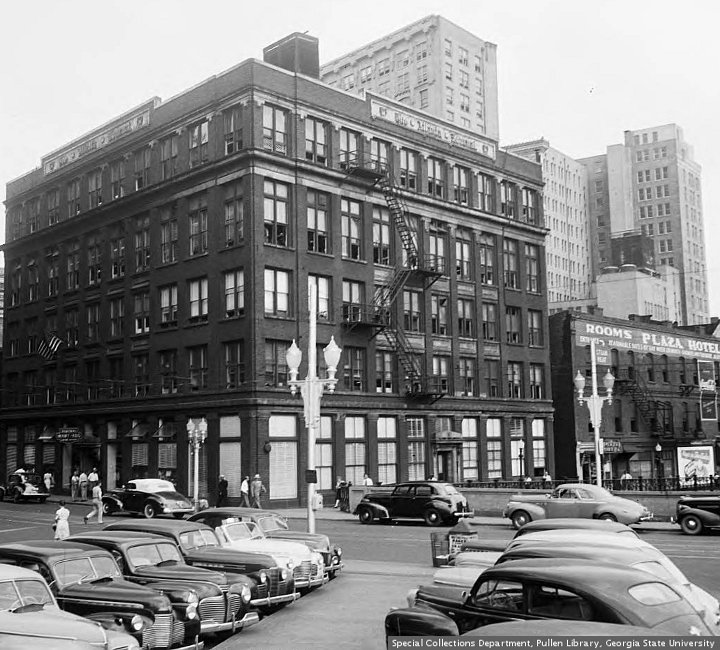


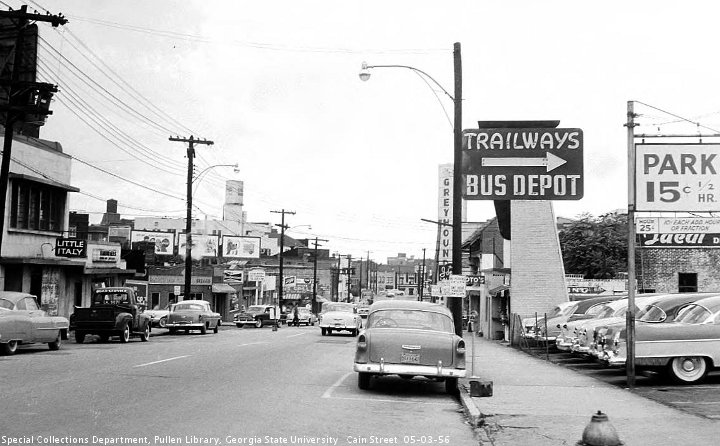

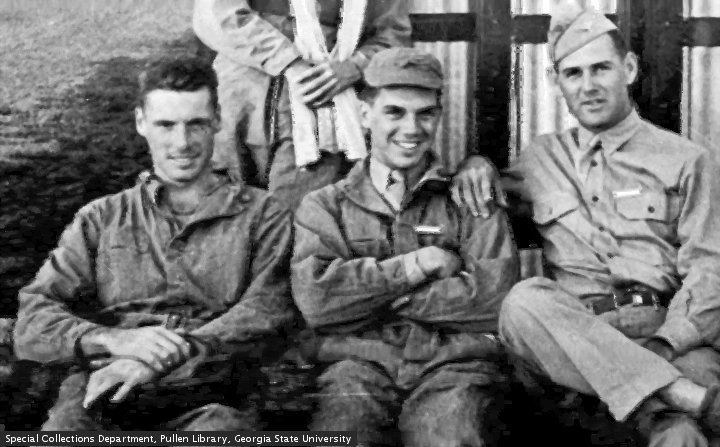

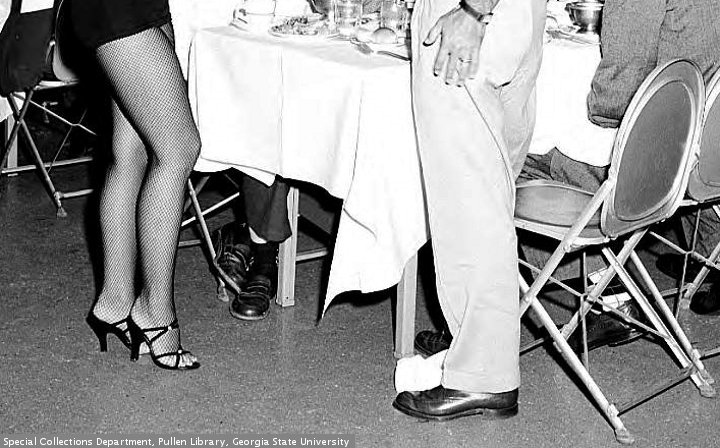


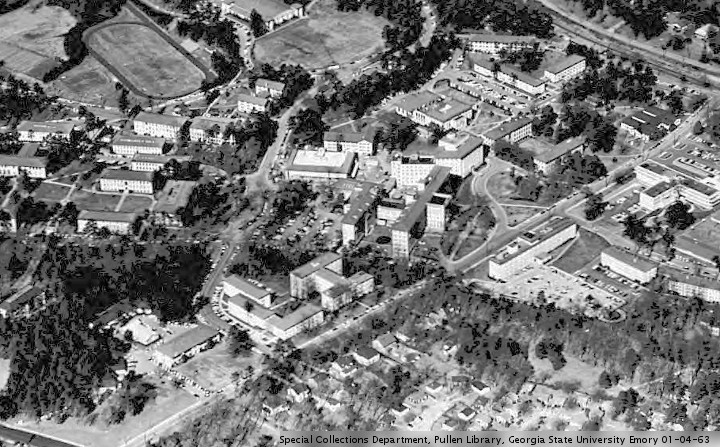
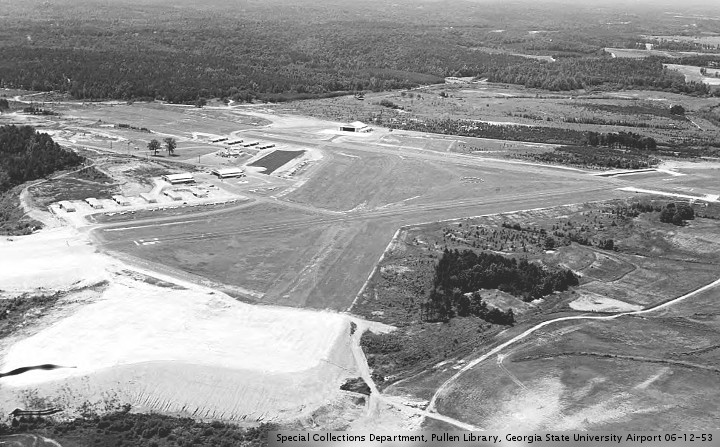


A recent facebook discussion covers that old crowd pleaser, why does Monroe Drive turn into Boulevard? The story is that the street name changed because White people live North of Ponce De Leon Avenue, and Black people live south. Chamblee54 has covered this topic before. The information today will be a bit dry. If you want to skip over the text, you can always enjoy the pictures, from “The Special Collections and Archives, Georgia State University Library.”
“The name changes were intentional and rooted directly in racism.” This judgment from Atlanta magazine is a popular opinion. Unfortunately, there are some street name changes that apparently are not racial. In discussions like this, once racism is blamed, the conversation shuts down. Asking any questions, or exploring the possibility of nuance, is considered racist.
The Atlanta magazine article does not really address Monroe/Boulevard. A 1913 measure, the Ashley Ordinance, is brought up, as well as some of the skirmishing in SW Atlanta over integration. None of those items were in play in the Monroe/Boulevard matter.
The opinion of chamblee54 has not changed. It is entirely possible that Monroe/Boulevard was racially motivated. That sounds like something a Georgia government, of a certain era, would do. However, it does not address the other streets. When were the names changed, and by what government? The answers to the last two questions have been elusive. If anyone reading this has any answers, please leave a comment.
In the space between I-85 and Dekalb County, there are four streets that change names when they cross Ponce De Leon Avenue. These are Juniper/Courtland, Charles Allen/Parkway, Monroe/Boulevard, and Briarcliff/Moreland. Several streets cross Ponce without changing names, including Spring, Peachtree, Piedmont, and North Highland. A wikipedia page, List of former Atlanta street names, has some information about the name changes. More information was found in a collection of maps at the GSU library.
It turns out that Juniper/Courtland change names at North Avenue, one block south of Ponce. As early as 1895, those streets have the same names. On old maps, Juniper ends at North, and Courtand starts a quarter-block west. Wikipedia adds this about Courtland: “North Collins Street (for pioneer James Collins — renamed because of South Collins Street’s reputation as a red light district)”
Briarcliff/Moreland has always been a problem for the racism hypothesis. The race change has traditionally been at the railroad tracks, a half mile south of Ponce. Moreland Avenue was originally County Line Road. It was renamed in honor of a Confederate officer, Major Asbury Fletcher Moreland. “He owned quite a bit of land between County Line Road and Pike Road, which is now Euclid Avenue, some of which is now part of the city’s Bass Recreation Center. Ever the businessman, Moreland built rental homes and a park, which featured a pond and animals — appropriately called Moreland Park — that became a summer getaway for city dwellers.”
Briarcliff was originally known as Williams Mill Road. It changed to Briarcliff after Asa Griggs “Buddy” Candler Jr. built a palace at 1260 Briarcliff Road. The house still stands, barely, and served as the GMHI facility for many years. In 1911 and 1917, Briarcliff is known as Williams Mill, before changing into Moreland. In 1925, and maps issued after 1925, the road is shown as Briarcliff.
Charles Allen/Parkway, one block west of Monroe/Boulevard, was originally known as Jackson Street. The road is still known as Jackson Street, south of Highland Avenue. The earliest map to show Jackson is 1895. By 1930 it has been changed to Parkway, ending at Piedmont Park. Charles Allen Drive does not appear until 1959. Charles Allen was the pastor at Grace United Methodist Church.
Wikipedia has this on Boulevard: “Jefferson Street (marked in 1878 map from North Ave. to Foster St. (now Edgewood Ave.) in today’s Old Fourth Ward) – Rolling Mill Street (north of the railroad) from the late 1860s to about 1880, for the Confederate Rolling Mill, which the retreating Confederate army inadvertently destroyed in 1864.”
Wikipedia has a surprise “Monroe Drive (to honor the Monroe Landscaping Company which did extensive plantings in the area)[17]” The footnote links to a Morningside neighborhood newsletter. There is no mention of Monroe Drive in the cited newsletter.
Before going further with Monroe, we should look at a controversy involving the landscaper William Lott Monroe. “1941 (Jan. 25) Monroe’s Landscape & Nursery Co. is removed from Fulton County’s payroll: “…[D]rawn more than $17,000 from the county in the last year and one-half… The company was drawing $500 a month for supervising landscaping of county parks, which was in addition to flowers, shrubs and blueprints sold by it to the county.” (“Nursery Company Is Cut Off Pay Roll.” Atlanta Constitution, Jan. 25, 1941)” In 1941, Mr. Monroe was working on North Fulton Park, later known as Chastain Park. This park was annexed into the City of Atlanta on January 1, 1952.
The first time Boulevard is mentioned on maps is 1895. The first mention of Monroe Drive is 1951, when Monroe starts at Montgomery Ferry. (Before the Northeast Expressway was built, the road ended at Plasters Avenue, north of the present I 85.) It is not until 1959 that Monroe appears immediately north of Ponce De Leon.
These maps were used in researching this feature. 1878 1895 1911 1917 1921 1925 1930 1930 1931 1934 1935 1939 1946 1951 1952 1952 1954 1959 1967
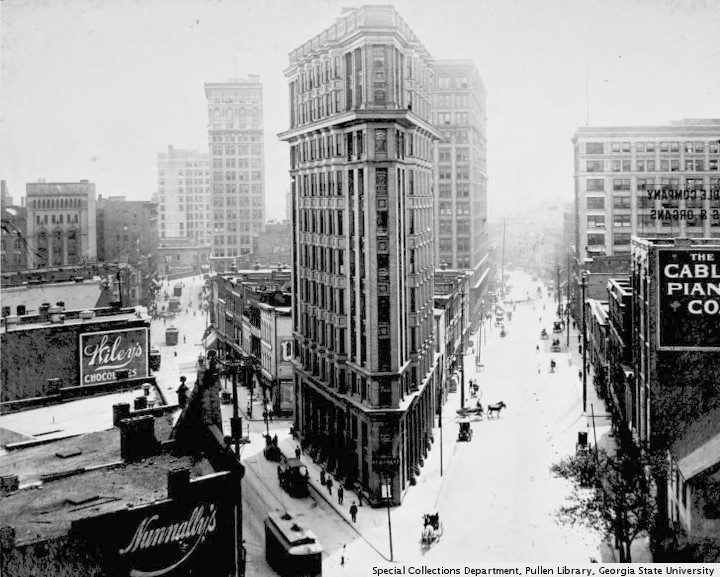
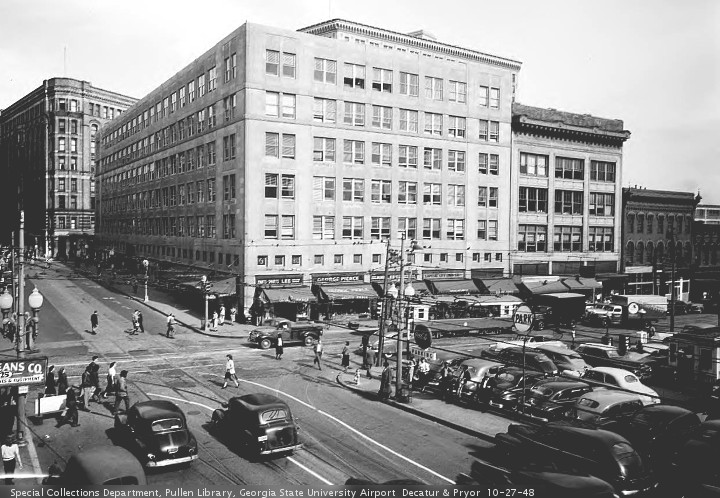
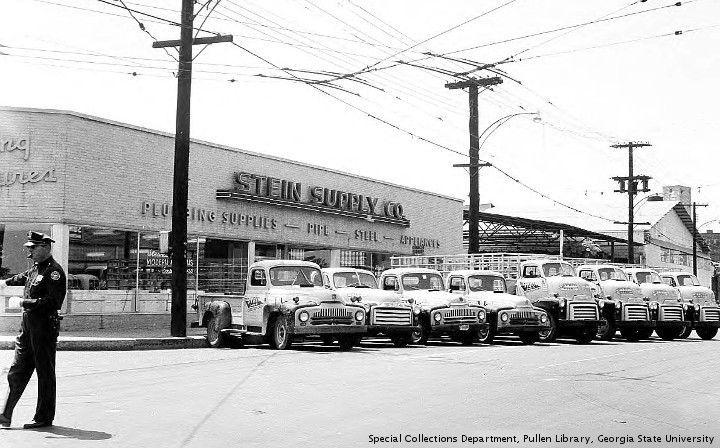

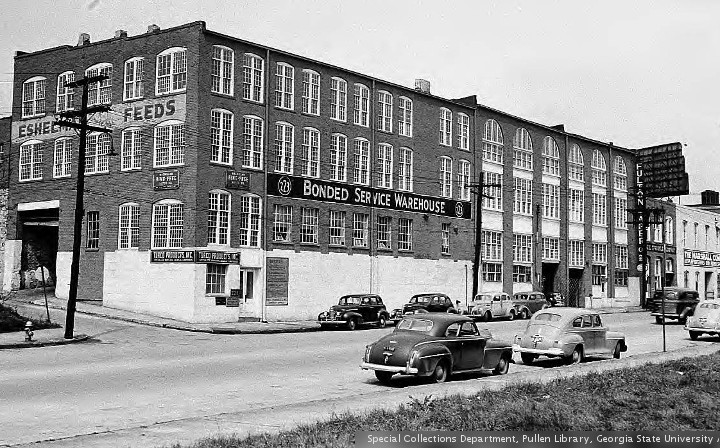
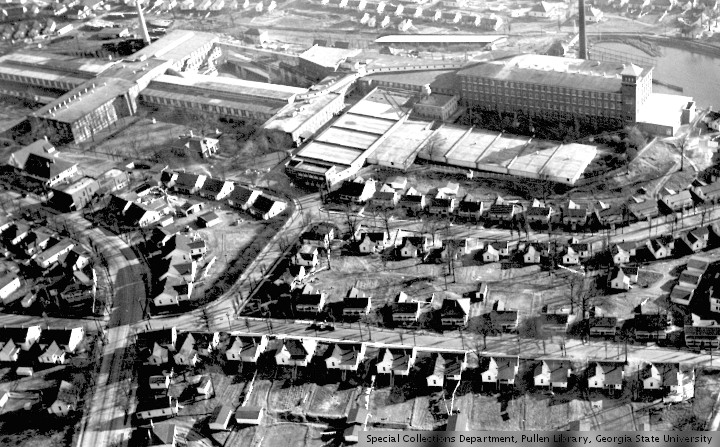

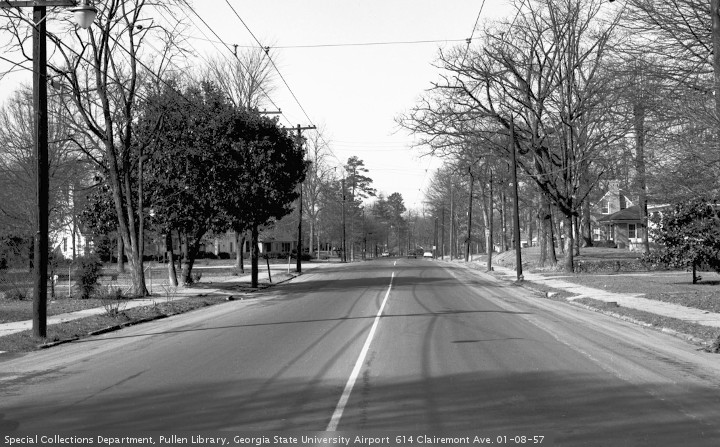
Krog Tunnel


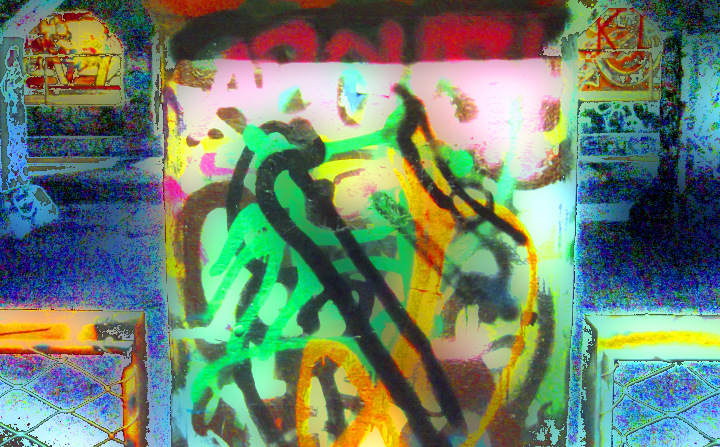

PG had some time to spare downtown. The 2019 pictures from the krog tunnel had run out. In the thirteen months since he was there last, the tunnel had accumulated a few layers of paint.
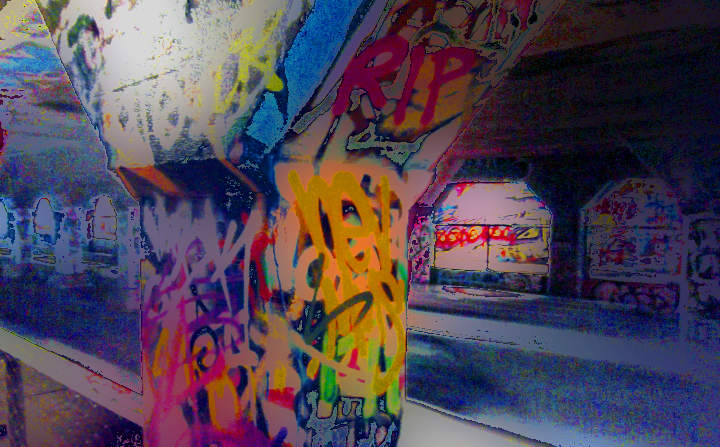
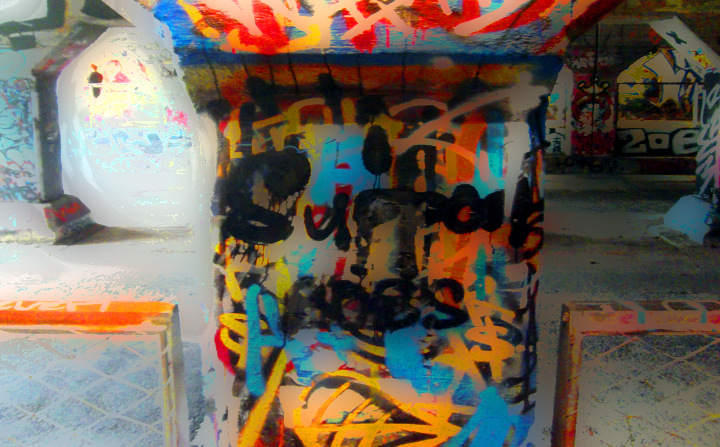
It was down to a routine. You make two trips, back and forth. The first time, you focus on the outer walls. The second time, you take in the columns, with the cars going past you. When you finish the west side, you move on to the east.
The pictures in this gallery are from the east side columns. It was the last of the four rounds. PG was getting tired, his bike-wreck damaged shoulder was complaining, and the vehicle was not in a safe parking spot. By this round, PG was not trying to chronicle everything he saw, but going for the highlights. A few shots of the column supports, with the rest of the tunnel in the background, began to appear. That is what this gallery is today. This is a repost.


Midtown


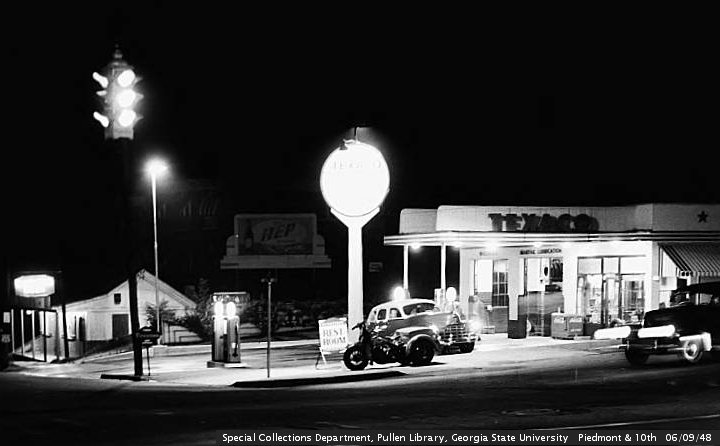


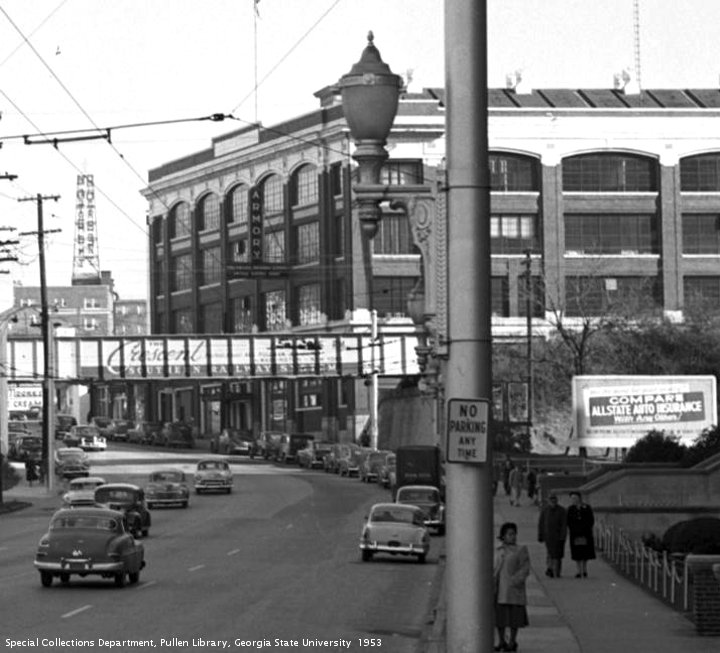
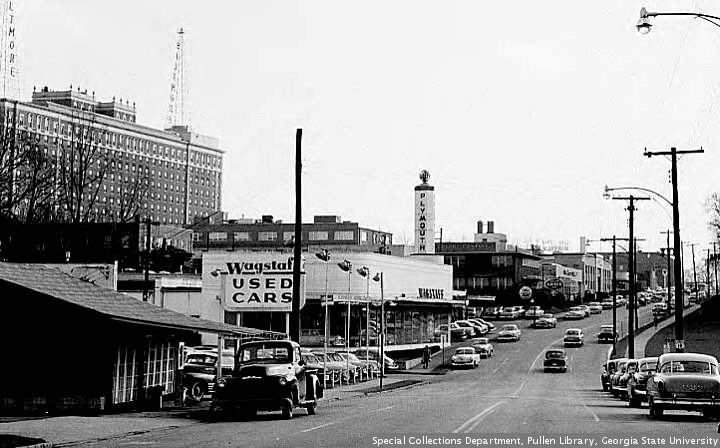
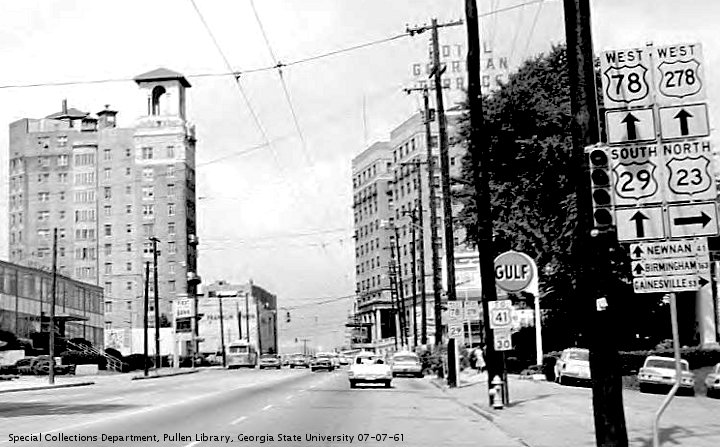
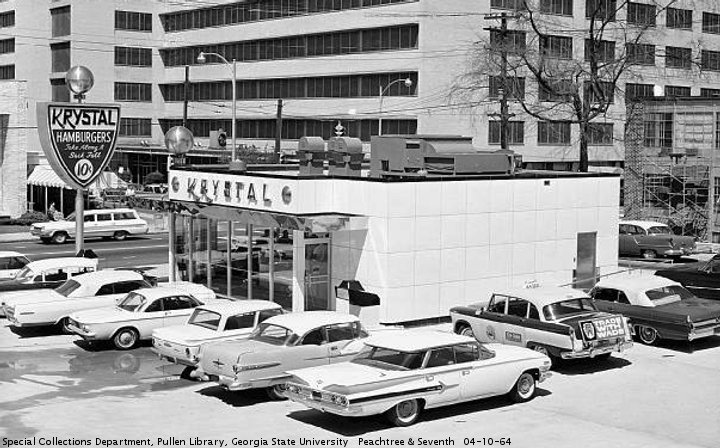
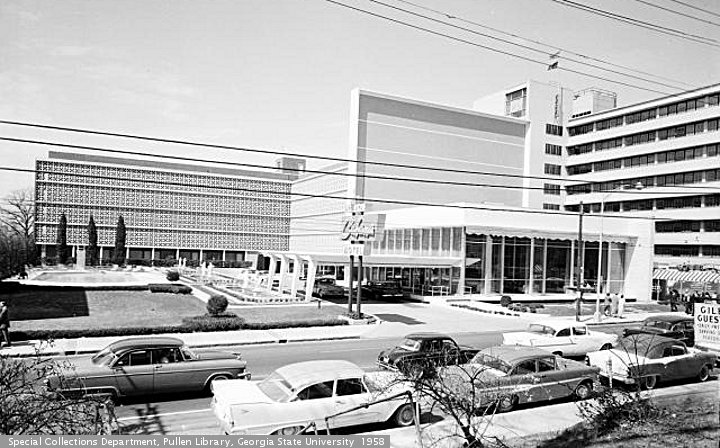
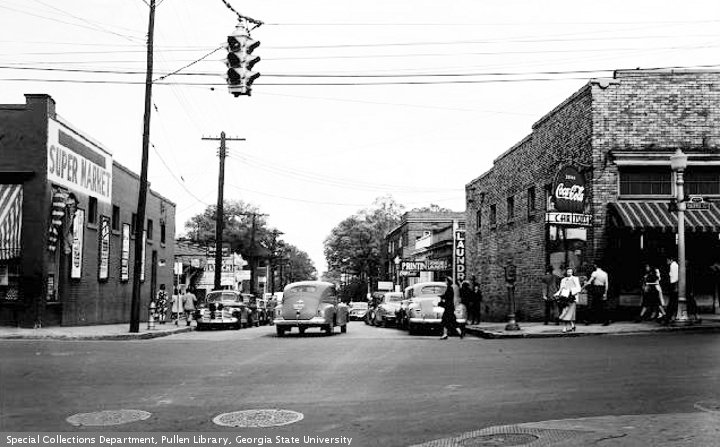
The neighborhood along Peachtree Road has always been a great place to be a freak. For a long time it didn’t have a name. It is north of downtown, between Piedmont Park and Georgia Tech. Sometime in the early eighties, people started to call it Midtown, and the name stuck.
In the time after the War Between the States, this area was a shantytown called “Tight Squeeze”. It evolved into a pleasant middle class area. In the sixties, hippies took over. The area was known as the strip, or tight squeeze. Many stories could be told.
After the flower children moved on, the area went into decline. Gays started to move in, with the battle cry “Give us our rights or we will remodel your house.” Developers, worshiping the triune G-d of location, location, location, began to smell money. The neighborhood became trendy, then expensive, then more expensive. The freaks with money remain. This is a repost. Pictures are from “The Special Collections and Archives, Georgia State University Library”.




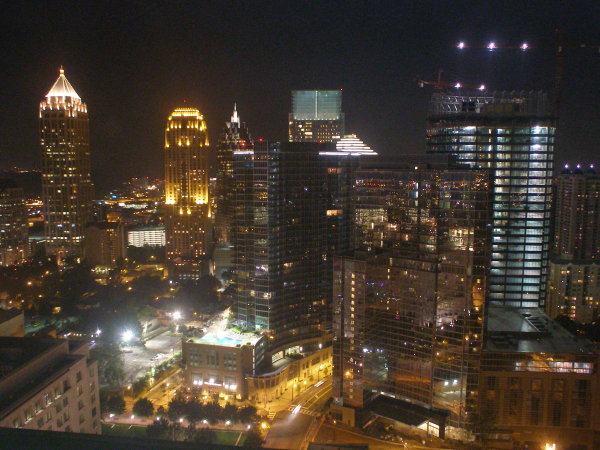
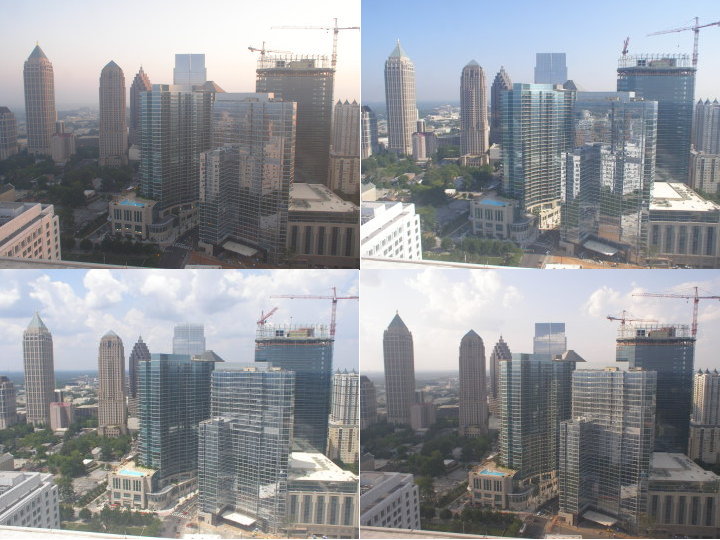
There was a nifty webcam up when this feature was written. It shows the progress of a high rise going up now at 12th and Peachtree in midtown. The location of the camera itself is not certain. The most likely location is 999 Peachtree, on Tenth Street, two blocks south of the project.
A glance at the image reveals a curve in the road, between the two glass boxes under construction. Atlanta does not have wide, straight boulevards extending to the horizon. It is said that Atlanta did not build roads, but paved the cow paths.
People of a certain age will remember this area as the strip. The tenth street district was a neighborhood shopping area, up until the mid sixties. At some point, the old businesses started to move out and the hippies moved in. For a while, it was a festive party. Soon enough reality returned, and the area went into a crime filled decline.
The 999 complex is the neighborhood story in a nutshell. Before 1985, it was a block of small businesses. There was a hardware store, with the peace symbol set in tiles in the sidewalk. On Juniper Street stood the Langdon Court Apartments. They were named for PG’s great uncle Langdon Quin. Ru Paul used to stay there. He would sit out on a balcony, and wave to the traffic going by.
Across the street was a chinese restaurant, the House of Eng. A staircase on the side led to the Suzy Wong Lounge. Behind the building was an apartment building. It was one of the residences of Margaret Mitchell, while she wrote “Gone With The Wind”. She called it “the dump”, which was fairly accurate. The museum on that site would have amazed her.
PG went to the House of Eng for lunch one day in 1985. He noticed that he was the only customer in the house, at 12:30 pm on a weekday. After finishing his lunch, PG knew why.
At some point, it was decided to build a high rise there. Heery was one of the equity partners, along with a law firm and an ad agency. The building was designed by Heery (duh).The ad agency folded before the building opened, followed within a couple of years by the law firm. Heery was sold to a British company. PG does not know who owns 999 Peachtree now.
This is a repost, with pictures from “The Special Collections and Archives, Georgia State University Library”. The building, at 12th and Peachtree, is finished.


Paula Deen Nine Years Later



Nine years ago, the media racism carnival centered around Paula Deen. A disgruntled former employee was shaking down the celebrity. The DFE, who was white, claimed racial discrimination. Many say the DFE was exploiting the oppression of black people for personal gain.
A few things have happened since this story was published. These three links tell part of the story. Race-based claims thrown out in Paula Deen lawsuit, Paula Deen lawsuit appears to be over; settlement a possibility, Paula Deen closes restaurant at center of harassment lawsuit.
This story is a repost. Some of the links in this story no longer work. The link to Deposition of plaintiff Lisa T. Jackson vs. Paula Deen Enterprises, etc. does work. Pages 15 and 153 are interesting. On page 267, Lisa Jackson says that Jim Crow is a singer.
The New York Times did it’s liberal media duty Saturday with a story about Savannah, and the Paula Deen controversy. There were three curious words in paragraph four. “The predicament that Ms. Deen finds herself in began when a former employee — a white woman who is now managing restaurants in Atlanta — filed a discrimination lawsuit in March 2012.”
This thing has seemed, er, fishy from the get go. The restaurant industry is full of disgruntled former employees, few of whom are paragons of virtue. DFE worked in a restaurant partially owned by a famous person. It is uncertain how active the famous person was in the day to day operation of the restaurant. DFE has a lawyer, who gets famous person to say embarrassing things in a deposition. Somehow, this deposition is leaked to National Enquirer. And now we learn that DFE is white.
Confirmation of the ethnicity of DFE is tough to come by. Few pictures are available. You have to ask Mr. Google repeated questions. A law industry blog called Huseby (spell check suggestion:Houseboy) has a good story on the matter, with a couple of links.
The attorney for the plaintiff, Matthew Billips, has a few issues. “The case began with an “inflammatory letter seeking over a million dollars for forgo filing a lawsuit and allow Deen ‘a chance to salvage a brand that can continue to have value,’ ” Withers’ document said. (Tom Withers, attorney for Bubba Hiers, the brother of Paula Deen) In the motion to dismiss Billips, Withers quoted a tweet by Billips in which he said “suing Paula Deen is a hoot.” Withers also referred to a sexually laced tweet Billips directed at Deen “even more concerning.” In it, “Billips promises to symbolically undress and have sex with” Deen, Withers said. “Billips has posted sexually explicit tweets using extremely graphic and profane language and imagery. He has used the “N” word,” Withers’ motion said.”
Huseby links to an article in the ABA Journal that is downright fascinating. This feature confirms that Lisa Jackson, the DFE/plaintiff, is melanin deficient. The Deen-Hiers legal team has filed a motion, that is highly entertaining. Unfortunately, the pdf is not copy friendly, so the ABA summary will have to do. If you have the time to read the legal motion, you will enjoy it.
“The motion by lawyer Tom Withers says the plaintiff pursuing race-based claims has no standing to assert them because she is white, the Savannah Morning News reports. The plaintiff, Lisa Jackson, had claimed she was sexually harassed and worked in a racially hostile environment at a restaurant owned by Deen and her brother. Withers represents Deen’s brother and the restaurant.
According to the motion, Jackson claimed she was offended because her nieces “are bi-racial with an African-American father.” But the motion says there is just one niece, and she is related to Jackson’s partner, who said in a deposition that the niece’s father is Hispanic and she hasn’t seen the girl in years…. “Jackson cannot enforce someone else’s right, and she has no actionable claim for feeling ‘uncomfortable’ around discriminatory conduct directed at others … Jackson must show that any harassment was directed toward her because she was white, but at her deposition she alleged she was treated more favorably than African American employees at the restaurant.” (p.153)
Pictures are from “The Special Collections and Archives, Georgia State University Library”.


The KKK In Atlanta


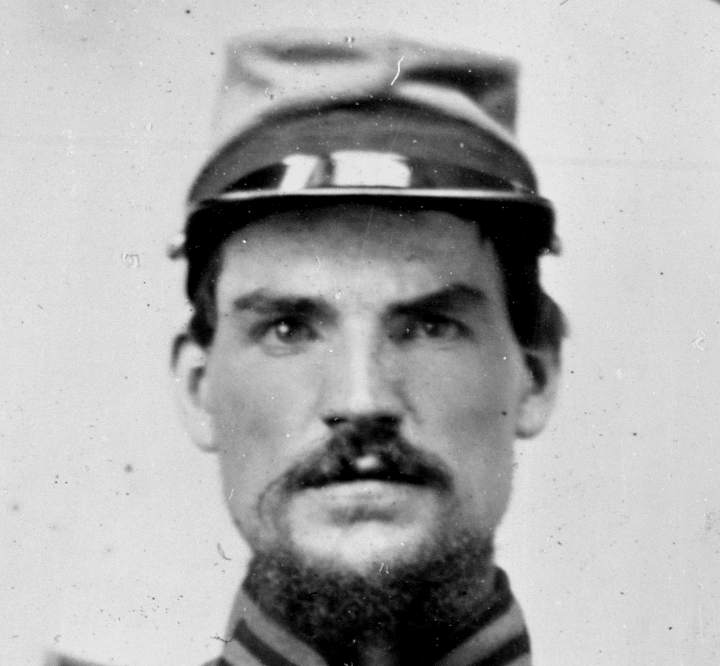
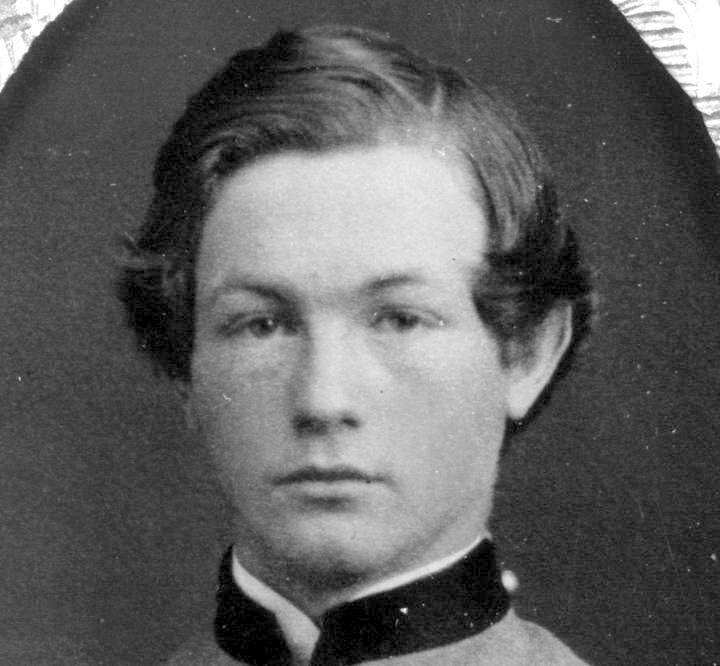
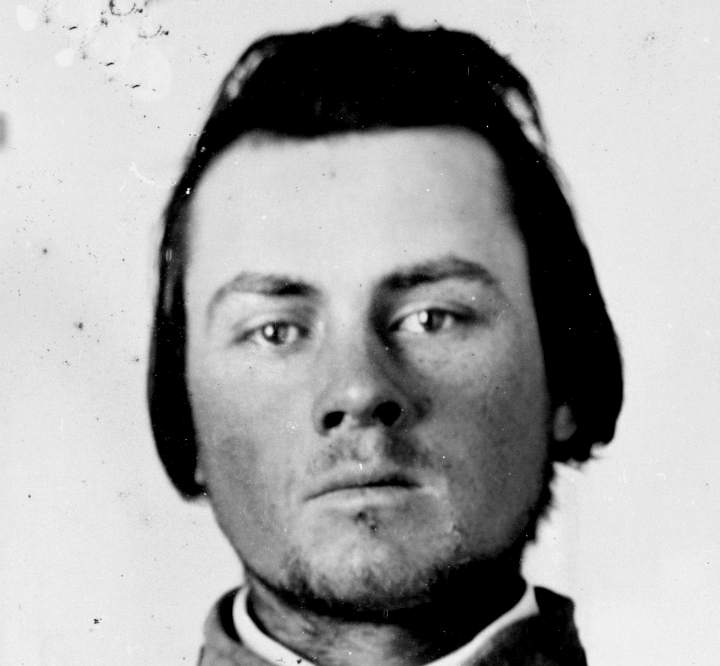
@SpaceyG “Buckhead hasn’t been considered an Atlanta suburb since the head of the ATL Klan developed the Peachtree Battle-Peachtree Rd. area as one. When he sold some land to the Catholic Church (for Christ the King) he was relieved of his top Klansman duties.” This was news to ATLien PG, though not terribly shocking. His google habit kicked in, and soon there was a handful of articles. There was a lot of disagreement over the specifics.
There was also a lot of oh-how-terrible posturing. This will be held to a minimum in this post. We are talking about the Ku Klux Klan. If you don’t know by now, they were horrible, horrible people. If you want to get worked up about it, go watch tv.
The KKK was revived in 1915. Birth of a Nation was one inspiration. Another catalyst was the Leo Frank affair. He was convicted of the murder of Mary Phagan, despite substantial evidence of his innocence. Mr. Frank was Jewish. The trial was the occasion for anti-Semetic hate speech.
Gov. John Slaton commuted the death sentence of Mr. Frank to life imprisonment, along with suggestions that the verdict would be overturned. A group called “The Knights of Mary Phagan” broke into the state prison, and took Leo Frank out. On August 17, 1915, he was taken to Marietta, and lynched. This happened where I-75 crosses Hwy 120 today, downhill from the Big Chicken.
“An itinerant Methodist preacher named William Joseph Simmons started up the Klan again in Atlanta in 1915. … On Thanksgiving Eve 1915, Simmons took 15 friends to the top of Stone Mountain, built an altar on which he placed an American flag, a Bible and an unsheathed sword, set fire to a crude wooden cross, muttered a few incantations about a “practical fraternity among men,” and declared himself Imperial Wizard of the Invisible Empire of the Knights of the Ku Klux Klan.”
The Klan initially did not do very well, until I.W. Simmons met Edward Young Clarke and Mary Elizabeth (Bessie) Tyler, a pair of promoters. They rebranded the Klan to fight against Jews, Catholics, and anything else people did not like. Clarke and Tyler had a knack for publicity, and got a lot of new members. The recruits paid a $10 initiation fee, with a substantial cut of that going to Clarke and Tyler. Soon, the money began to pour in.
These recruits were going to need pointed hoods. “Although it’s little more than an unassuming office structure today, the Cotton Exchange Building on bustling Roswell Road has something of a haunted past. In the early 1920s, the Ku Klux Klan bought and used it as a manufacturing and distribution center for the group’s propaganda. Additionally, the Klan produced its robes, hoods and gloves there.” The Cotton Exchange building still stands today, a block north of the Buckhead triangle.
“On October 11, 1921, Elizabeth Tyler was entertaining a few friends in her elegant Atlanta home. … At 9:45 p.m., five gunshots rang out. Half an hour later, the telephone rang at the Atlanta Constitution. “I want to talk to a reporter … I just want to tell you that we got Mrs. Tyler tonight.” The assailants, who were never identified, hadn’t gotten anyone. All five bullets had missed.”
That was not the only trouble in paradise. The Klan leadership began to quarrel. I.W. Simmons was pushed out, replaced by Hiram Evans. Soon, Clarke and Evans were out. Imperial Kleagle Clarke was convicted of violating the Mann Act. Bessie Smith moved to California, and died in 1924.
The sources PG found are unclear about a KKK real estate business. I.W. Simmons had plans for a University, and began to purchase property for it. There was also the Imperial Palace, at the corner of Peachtree and West Wesley. Here is what the Catholic church says:
“In 1916, an elegant white-columned, Greek revival-style mansion was built by Edward M Durant on the site of the Cathedral. In 1921, the house was bought by the Ku Klux Klan. The group met mostly in secret in the home with the intention of transforming it into their “Imperial Palace,” but by the 1930s had begun to unravel with the onset of the Great Depression. After the property went into foreclosure, the Church was able to purchase the land from the mortgage holder. The cost of the 4 acres of land and mansion was $35,000, quite a sum at that time but was chosen over other available locations due to the fact it was on public transportation. … On the Feast of Christ the King on October 31, 1937, the cornerstone for the Church was blessed and the dedication took place on January 18, 1939.” Pictures today are from The Library of Congress. This is a repost.


Muhammad Ali vs Jerry Quarry




Many have noted that Muhammad Ali lit the Olympic torch in 1996. Few seem to remember another Atlanta appearance from the former Cassius Clay. It happened October 26, 1970, at the Municipal Auditorium. To get to this point, lets borrow a few lines from a Courier-Journal Ali Timeline.
1960 – “Clay defeats Zbigniew Pietrzykowski of Poland on Sept. 5 to win the light-heavyweight boxing gold medal at the Olympics in Rome…”
1962 – “Clay hears Elijah Muhammad speak for the first time. He meets another Nation of Islam leader, Malcolm X, who becomes a friend and adviser. – On March 9, the military draft board classifies Clay 1-A, meaning he is fit and available to be called into the Army…”
1964 -” Because of a low score on the Army intelligence test, Clay is reclassified 1-Y, not qualified for military service, in January. “I said I was The Greatest,” he explains. “I never said I was the smartest.” – Clay scores a stunning seventh-round technical knockout over 7-1 favorite Sonny Liston on Feb. 25 at the Miami Convention Center, winning the world heavyweight championship at age 22. – In response to a reporter’s question the day after the fight, Clay confirms he is a member of the Nation of Islam, saying: “I believe in Allah and in peace. … I’m not a Christian anymore. … Followers of Allah are the sweetest people in the world. They don’t tote weapons. They pray five times a day.” – A rift grows between Elijah Muhammad and Malcolm X. Ali sides with Elijah, causing grief for Malcolm. – Casting off his “slave name,” Clay adopts the temporary name Cassius X. Later he announces that Elijah has bestowed on him the name Muhammad Ali. The name means “Praiseworthy One.”…”
1965 – “Ali knocks out Liston in the first round of their rematch, before only 4,280 fans in Lewiston, Maine, on May 25. Liston falls under a “phantom” punch that apparently few people see, giving rise to suspicions that he threw the fight. Former champion Joe Louis eventually declares Ali “unfit” to hold the title. – In October, former champion Floyd Patterson says: “Cassius Clay is disgracing himself and the Negro race.” On Nov. 22, Ali delivers a punishing defeat to Patterson, in part, he says, because Patterson refuses to call him Ali….”
1966 – “With the Vietnam War heating up, the Army lowers test-score standards, reclassifying Ali 1-A — fit for service. – “Man, I ain’t got no quarrel with them Viet Cong,” he says to reporters who call him at home in Miami. He later explains that “no Viet Cong ever called me n*****.” – Ali asks to be reclassified a conscientious objector to military service. A hearing officer sides with him, but the draft board keeps him 1-A, armed with a U.S. Justice Department opinion that Ali’s objections to military service are political not religious….”
1967 – “On April 28, Ali refuses induction into the Army in Houston.” “It is the light of my consciousness as a Muslim minister and my own personal convictions that I take my stand in rejecting the call to be inducted in the armed services,” Ali stated after refusing induction on April 28, 1967. “I have searched my conscience and I find I cannot be true to my belief in my religion by accepting such a call.” He was convicted of draft evasion on June 20, 1967. Ali was sentenced to five years in prison and fined $10,000, the maximum penalty for the offense. He remained free on a $5,000 bond while he appealed his conviction. Ali was also stripped of the World Heavyweight Championship by the New York State Athletic Commission and the World Boxing Association, systematically denied a boxing license in every state and stripped of his passport. “
For three and a half years, Mr. Ali was unable to fight in the ring. The WBA had a tournament, and installed their own champion. People tried to set up a fight for Mr. Ali, but were blocked by politicians, and state boxing authorities. California Governor Ronald Reagan said “That draft dodger will never fight in my state, period.” Then someone had the idea to have the fight in Atlanta.
Atlanta has never been a boxing town. There was no boxing commission. The Municipal Auditorium, the only venue that could host, was a dump. As Ring magazine tells the story: “So it was the height of irony that it was Atlanta, a city that occupied the heart of the Deep South, that provided the breakthrough. State Senator Leroy Johnson and Governor Lester Maddox helped pave the way for a most improbable return by persuading the City of Atlanta Athletic Commission to grant Ali a boxing license on Aug. 12, 1970. Shortly thereafter, it was announced Ali would fight Jerry Quarry on Oct. 26 at the City Auditorium in Atlanta. The bout was scheduled for 15 rounds, probably in recognition of Ali’s status as lineal heavyweight champion.” (Other sources say that Governor Maddox was opposed to hosting the fight, but was powerless to stop it.)
The opponent was Jerry Quarry, whose white skin was apparent that night. His obituary notes: :His most famous night was in Atlanta, Georgia, in October 1970, when he was the “fall-guy” for Ali’s comeback from his three- year exile. Quarry was stopped because of a badly cut eye in the third round. It brought him his biggest payday, $338,000. … By 1995 he was in the care of his brother James, and was suffering from severe pugilistic dementia.” Jerry Quarry died January 3, 1999.
The fight was not much of a contest. It lasted three rounds, before the referee stopped the match. Mr. Ali fought for ten more years, and regained the Heavyweight Championship twice. “On June 28, 1971, the Supreme Court unanimously overturns Ali’s 4-year-old draft conviction, saying that his claims as a conscientious objector were based on religion and were sincere.”
The fight was the occasion for a display of black pride, and black money. The New Yorker essayist George Plimpton remembered that invasion of the Harlem peacocks in their enormous purple Cadillacs: “I’d never seen crowds as fancy, especially the men – felt hatbands and feathered capes, and the stilted shoes, the heels like polished ebony, and many smoking stuff in odd meerschaum pipes.”
“The times reported that the bout was like “a page out of the roaring twenties. … The ladies had beads down to the hem of their maxi-skirts. One man wore an ankle length mink coat, with a high hat of mink to match. … Diana Ross sat in the forth row, ringside, with a bouffant, Afro-American hair-do that stretched out 10 inches on each side.” Many of those in attendance were invited to a party.
“Engraved invitations to one party in particular had been passed around to the hustlers in New York a week earlier and in Atlanta in the days leading up to the fight. The invitations announced that “Fireball” was throwing a party at 2819 Handy Drive, in Collier Heights.
The Handy Drive house happened to be one of several properties that “Chicken Man” Williams owned. He’d given a friend, an Atlantan-turned-New-Yorker known as “Fireball,” permission to use the house. He’d even helped build a craps table the week before so all the big-time gamblers who were sure to show up could “roll the bones.”
Williams’ girlfriend, Barbara Smith, skipped the fight to help prepare for the party. She and two girlfriends were busy in the kitchen when they heard the front door open. The fight was still going on, so Smith went to the front, expecting to meet an early bird. She was greeted by three men in ski masks standing in the hallway. All were armed; one was pointing a shotgun at her face. …
An estimated 80 to 200 people had arrived at the house expecting to party, only to be fleeced by masked men with shotguns. According to news accounts, the victims were led to the basement, then ordered to strip to their underwear, throw all their valuables in a pile and lay on the floor…
As more victims arrived, floor space in the basement became scarce, so the gunmen ordered the victims to lie on top of each other. Cash and jewelry was swept into pillowcases. That went on for hours as more and more people kept showing up. By 3 a.m., the half-naked victims were stacked like cordwood on top of each other.
Not one shot was fired. But as they left, the gunmen took Smith and one of her friends hostage and told everyone else to stay put. Three hours later, they dropped the women off on the other side of town and gave them $10 each for cab fare. By that time, the investigation was underway.
Creative Loafing has a terrific story about the party at Chicken Man’s house. If you have a few minutes, it is worth your time. Ditto for this newspaper story, in the sucky google books format.
A key person in the story is J.D. Hudson. One of the first eight black Atlanta policemen, Lt. Hudson was Mr. Ali’s bodyguard the night of the fight. Lt. Hudson wound up conducting the investigation of the party at Chicken Man’s house. Lt. Hudson met Gordon “Chicken Man” Williams, under rather unpleasant circumstances, in 1949.
Lt. Hudson never suspected Chicken Man of being part of the robbery. “From the time he took over the case, Hudson says, he knew Williams wasn’t responsible — even though other investigators already had pinned the crime on him. For one thing, Hudson could place Williams at the fight at the time the gunmen were at the house setting up the crime.
For another, Hudson says, “I knew [Williams] wasn’t dumb enough to pull a stunt like that. This was a man who ran [a] million-dollar operation from a pay phone on a street corner. He was smart. He could’ve run IBM or Coke. There’s no way he would’ve risked all that to pay somebody off. This was pulled off by a bunch of young thugs who were trying to knock over a party, and when they got there and saw how big it was, they improvised.”
Chicken Man went to prison in the seventies, and became a minister. He served as the Pastor of the Salem Baptist Church. Gordon Williams died December 6, 2014. J.D.Hudson died June 4, 2009. The men who robbed the party goers were killed a few months after the fight.
Pictures today are from The Library of Congress. This is a repost.



 Chamblee54
leave a comment