Fear & Loathing Part One



April 13, 2025 – I am beginning Fear & Loathing in the New Jerusalem (FLNJ), a six part series by Darryl Cooper (middle name unavailable), aka @MartyrMade. This might prove to be a bit of a challenge. The podcast itself is easy to find as a free download. However, a transcript (the lazy blogger’s ally) might prove challenging. After googling several paywalled sources, I found a youtube edition. This will provide a transcript.
I begin this journey a few days after the infamous JRE featuring Douglas Kear Murray and Dave-no middle name-Smith. I am on team Dave, and found DKM to be an obnoxious purveyor of bad faith rhetoric. At one point, Rogan was trying to say that DC has done 30 plus hours of podcasting about Israel/Palestine. DKM interrupted him, to say “So what. 30 plus hours of podcasting, you do that in a week” I am just starting to listen to that 30 hours. I doubt that I will finish in a week.
There are so many ironies in FLNJ-1. DKM stridently said, in effect, that DS should not talk about Israel if he had not been there. At 59:54, DC mentions that “Herzl (Theodor Herzl, the founder of Zionism) had never even been to Palestine when he published his pamphlet calling for the Jews to move there.” In another head scratcher, at 24:44 we learn: “Zionism was competing for recruits with Bolshevism, and these other radical movements. It’s a competition which Winston Churchill … would later call quote little less than a struggle for the soul of the jewish people.” DC opened a can of worms when he said the Mr. Churchill was the real villain of World War II.
Eventually, though a series of World War I related events, Britain issued The Balfour Declaration. This document promised a “national home” for the Jewish people. Unfortunately, Britain had already promised the Arabs their own independent state. Britain also promised France that Palestine would be under international rule. These conflicting promises would lead to problems.
April 14, 2025 Today’s visit with FLNJ is with Episode 2, on my morning walk. FLNJ-2 begins by talking about the effect of World War I on the Arab populations of West Asia. The colonial powers … The English, The French, The Ottoman Empire … were conscripting Arabs to go fight in their war. These men did not understand why they had to go kill each other. This is not surprising, since the European conscripts did not understand the war either.
The first two hours of FLNJ-2 concern the events in Palestine after World War I ended. As could have been predicted, Britain broke its promise to the Arabs. The Balfour Declaration stood, and a portion of Palestine was “given” to the Zionists, under British administration. Meanwhile, Syria became a French governed territory. The Zionists began to build things, including militias. The Arabs were not happy, and the British managed to upset everybody. Before long, people began killing each other, and the whole thing devolved into a quagmire. … This is a greatly simplified view of what happened. For more information, you can listen to FLNJ, or google one of the many histories of this era. … I am going to copy that disclaimer for later use.
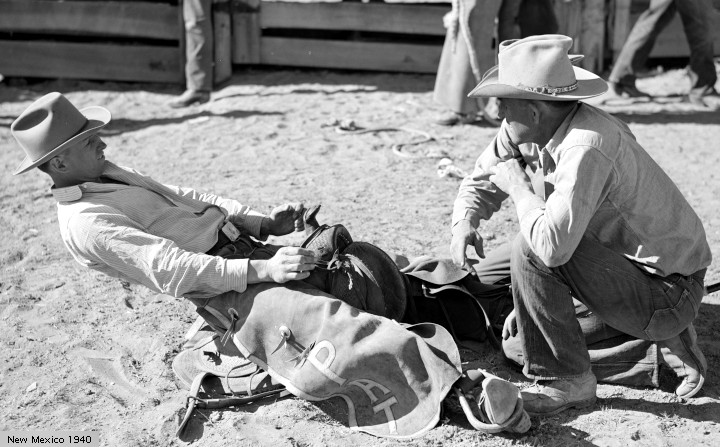
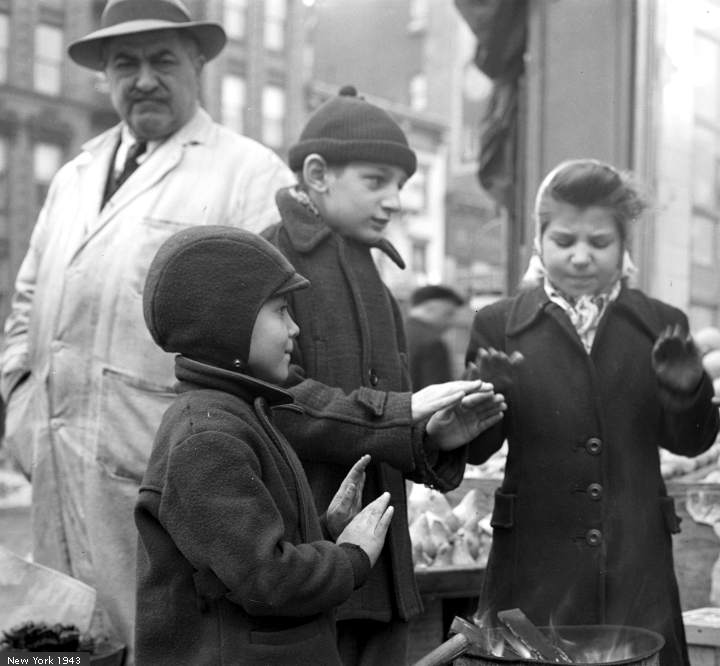
Pictures today are from The Library of Congress. Russell Lee took the facebook picture in May 1938, Southeast Missouri Farms. Farmers talking together in cooperative store. La Forge project, Missouri. There are more episodes of the Fear & Loathing series available. 041825 042325 042625

Conspiracist Part Two


Contrapoints, aka Natalie Wynn, is a dangerous content creator. When you consume her product, you can start to think like her. This can cause problems, both with your overall mental health, and when you try to condense these thoughts into coherent content. Take Conspiracy, Natalie’s latest video product. Trying to collate the thoughts, inspired by those 160 minutes, is like herding cats. I have already tried twice. 032625 032625 Today, I am taking a numerological approach. When you click on a youtube link, the entertainment starts at a second count. We will plug in fun numbers.
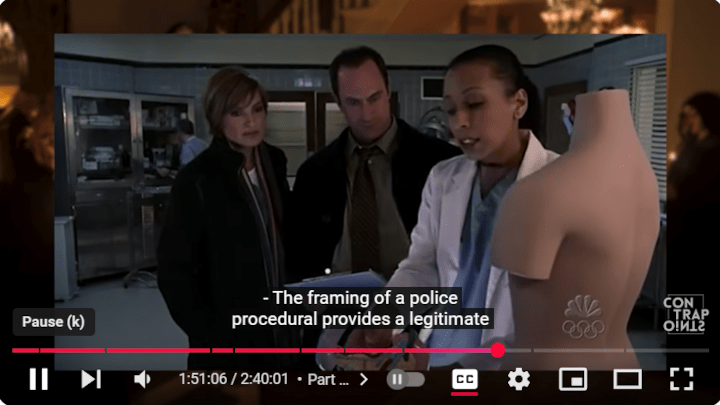
Here is how this happened. I copied the link, and the seconds count in the code said 6383s. The entertainment had been going on for 6386 seconds, or 1:46:23. I thought it would be fun to set the counter to 6666s, or 1:51:06. This will be followed by 6 seconds of action, from a tv crime show. Four people … three of whom are alive … are in a medical setting. The nurse shows a model of a human body part. Natalie comments “The framing of a police procedural provides a legitimate context that gives us permission to indulge”
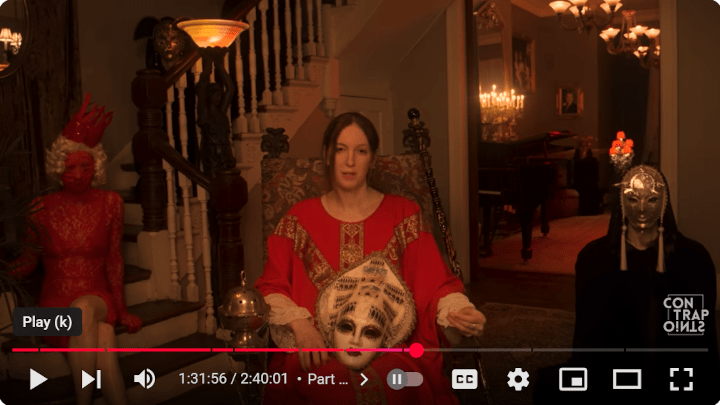
6383s/1:46:23 is also a lively moment. Natalie is drinking a red liquid out of a teapot. Seated beside Natalie, sharing the beverage, is a crude mannequin with a cardboard face that resembles Hillary Clinton. Natalie’s monolog is especially festive: “I love the smell of adrenochrome in the morning. … So at a certain point, and we have reached that point, “conspiracy theory” becomes too dignified a term for what is essentially a perverted form of morbid entertainment. I have a good eye for perversion, because I am a pervert. I know how perverts think, so you can trust me when I say … “
2222s/37:02 is somewhat of a dull moment text-wise … as if talking about conspiracies can ever be called wise. The set is decorative, and probably full of hidden meaning if you were to dive into it. The tv set on the right, with a continuous psychedelic mantrawave, is especially festive. The babble here is about how most conspiracy talk is easily debunked, but that the fact you take it seriously enough to make the effort is proof of its truth. This is similar to Robin DeAngelo, with her catch 22 about white fragility. Can you have a conspiracy without tautology?
4444s/1:14:04 is at the tail end of a rap about MK-ULTRA, “a covert CIA mind-control and chemical interrogation research program … it supposedly used United States citizens as unwitting test subjects.” The phase of MKU discussed at 4444s involved CIA agents giving LSD to unwitting customers at a brothel. The agents would watch the action from behind a one-way mirror. The script says, at 4444s, “He would write of his work, ‘It was fun, fun, fun.'” … MKU is a curious item, which happens to be semi-verified. There are reports MKU getting Charles Manson out of prison early.
8888/2:28:08 is a screen shot of a tweet. @thymetikon “Everyone listen to Naomi Wolf realize on live radio that the historical thesis of the book she’s there to promote is based on her misunderstanding a legal term” Natalie was talking about how many conspiracy mongers get into the lifestyle after being publicly humiliated. Like Naomi Rebekah Wolf, who Wikipedia categorizes as “American feminist author, journalist, and conspiracy theorist.” … “It was like she was taking her revenge on the concept of factuality itself.” The next conspiracist to be debunked in this round was Candace Owens.
“Now it has to be said that a lot of these people are using Israel’s crimes against Palestine as a pretext and those crimes are real. And the Trump administration really is citing Antisemitism to justify crackdowns on protests in universities. But it certainly doesn’t help that Conspiracists are exploiting the situation to promote Hitler and Jew hatred.” … At 7795/2:09:55 into “Conspiracy,” Natalie finally mentions the Palestinian Holocaust. She admits that Israel is committing crimes against humanity, and that Donnie is using Antisemiticism concern to stifle dissent. Not to worry, “conspiracists” are using this tragedy to promote hatred of Jews.
Right now Israel is committing the worst war crimes of the 21st century. Gaza, the West Bank, and Lebanon have all been hit hard. These crimes are sponsored by the American government. This government is run by criminals who receive massive campaign donations from AIPAC, and other actors, in what is tastefully known as the Israeli lobby. There are persistent rumors of Mossad using blackmail against these government players. When you mention this corruption, you are said to be Antisemitic. Talk of AIPAC and Mossad blackmail are dismissed as conspiracies. Natalie is doing her part in this effort to dismiss criticism of war crimes as Antisemitic conspiracy

I Used To Be Charming Part Four

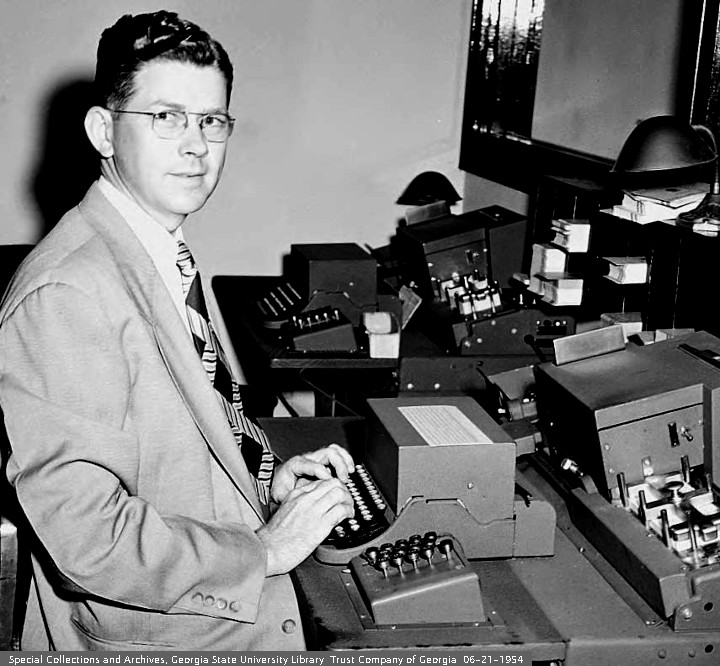

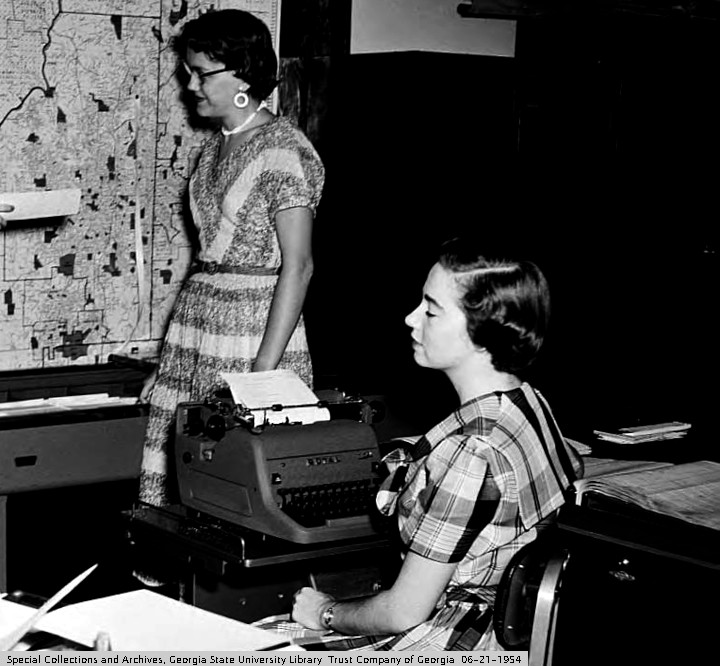

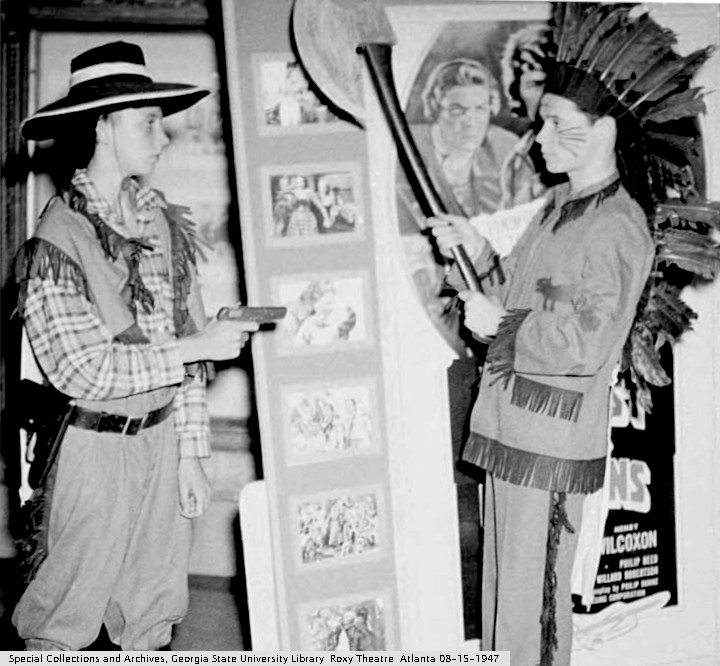
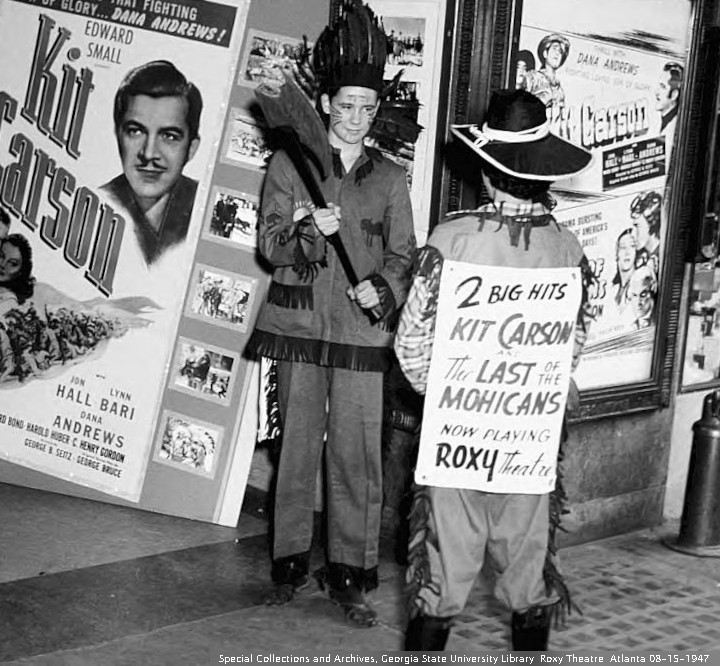
What follows is the fourth installment of the chamblee54 deconstruction of I Used to Be Charming, by Eve Babitz. IUTBC is a collection of magazine articles that Miss Babitz wrote. Pictures today are by “The Special Collections and Archives, Georgia State University Library.” The facebook photograph: “Clown with two children, Atlanta, Georgia, June 11, 1953.” Other features in this cycle are available. one two three five This is a repost.
Sober Virgins of the Eighties (Smart Fall 1988) was published in late 1988, at about the time I quit drinking. IUTBC is in chronological order. The pieces covered today are from Eve’s overboogie recovery days. Many are written for Esquire. “Every product was carefully curated by an Esquire editor. We may earn a commission from these links.” Eve may be counterculture, but by 1990 she was writing for the emperors tailor.
By 1988, aids was hitting like a ton of bricks. While some still partied, many started to clean up their act. SVOTE is about this. “Of course, now that it’s the eighties, most desirable members of the opposite sex give rise to dark wanderings like “If they’re so cute, why aren’t they dead?”—which for me really put a damper on sex and made me actually take up chastity for almost two years. … The great thing about the eighties is that if you’re still alive, there’s hope. That, anyway, has changed.”
SVOTE was in the first edition of Smart, in the “Love and Science” column. “One smart reader is worth a thousand boneheads” HL Mencken “Terry McDonell, the now legendary magazine editor, was starting his own magazine, Smart, in 1989. When he said he wanted to evoke The Smart Set, the stylish, literary monthly edited by H. L. Mencken and George Jean Nathan in the Roaring Twenties, I thought of Lucian Bernhard’s Bauer typeface from 1929, Lucian. That resulted in another early Font Bureau digitzation of a vintage foundry type, Belucian. At that point David Berlow was thinking of a adding a “Be-” to the names of all his revivals (cf. Belizio), but we talked him out of that later.”
Ronstadt For President (Smart May-June 1989) returns to Eve’s friendship with Linda Ronstadt. Eve is sometimes credited with designing the album ocver for “Heart Like a Wheel.” Other sources say that Eve was the photographer on the inner sleeve. Very little is said about Eve as a photographer. Mostly, artist Eve paints, and assembles collages.
RFP is about Linda’s struggles to make it as a singer. Her looks got in the way. “… men like Hugh Hefner would be propositioning her with “Let’s just shoot you with no clothes on, why don’t we?” and casting directors were trying to interest her in movies. “That’s not what I am, Eve,” she said, laughing and laughing. “Me with no clothes, imagine!” …
“I mean, Linda is just your normal good-time overeater type of person, whereas Jane Fonda, as she mentions in her book, was a bulimic—one of those sneaky people who eat and eat and then throw up. And bulimia is not what I want in a politician at all. I want things to stay down. And I want Linda to sing a slow, sexy double-entendre version of “You’re Just Too Marvelous” to Gorbachev.”
Rapture of the Shallows (Smart July-August 1989) was about Walter Hopps. He created an art gallery called Ferus, despite the NY notion that LA was a wasteland for art. Mr. Hopps was also Eve’s extramarital bf, and the motivation for the chess photograph with Marcel Duchamp.
“Ephemera mattered at Ferus. Founded by curator Walter Hopps and artist Ed Kienholz in March 1957, the “Ferus” honorific was designed to commemorate an unknown artist named James Farris who shot himself; the peculiar variant spelling of the gallery’s name got transposed, however, when Robert Alexander (a.k.a. “Baza”), the collage artist and poet who executed the gallery’s earliest typography, proposed “F-e-r-u-s” instead. Why? “Because it has more strength typographically,” Hopps remembers. Hopps’ response? “Let’s do it.” And thus, the gallery’s founding identity was composed with an ephemeral sensibility and by a typographic twist of fate.”
Eve: “I’m going to write a piece about John Goode and maybe Ed Ruscha and Laddie Dill and …” I told my friend Aaron, a New York collector who lives here but hates it. “Those phony-baloney bulshit artists … they all suck. They’re just for restaurant openings, tea at Trumps.”
In the Bret-Lili podcast, Trumps came up. It seems to have been quite the trendy place. In The Shards, Bret meets at Trumps with this semi-closeted producer, (and father of Bret’s gf.) He pretends to be interested in Bret’s script, but is really after Bret. If you like, you can buy a matchbook, and a small plate, from Trumps.
The Sexual Politics of Fashion (The Washington Post Book World July 30, 1989) is about books, (one two) that people wrote about fashion. Eve was not impressed with either. “But the Luscious photographs and illustrations are given a continuous cold shower by the prose: Every time you get a romance or fantasy going in your head … you are smacked into rectitude by phrases like “gender-specific” or just the very word “gender” itself which is enough to keep me from wanting to hear more, no matter how cute the people in the pictures are.” Eve had an eye, however badly focused, on the future. In 1989, gender meant boy and girl. Today, gender is the new civils rights movement, more third-railish than even race or football.
Gotta Dance (Playboy October 1989) was written for Playboy magazine. It’s mind blowing to think of Eve working in concert with Hugh Hefner. Apparently, when sex/drugs/rock/roll not longer did it, Eve started to dance.
“My only recommendation to a man who is even remotely thinking about ballroom dancing is to be careful. Unless you have a very large trust fund or a very strong character, don’t begin at Arthur Murray. Once they hook you, they have you for life. … “Me?” you say. “Hooked? On ballroom dancing? Come on!” … “I know. The only reason you’d take ballroom dancing at all would be as a joke. So that’s why I’m telling you: Don’t. Like a newborn duck, you’ll get imprinted on your teacher and your classmates, and then they’ll sign you up for lifetime lessons. Later, when you ask around, you’ll discover that you could get the same lessons for less from someone who used to teach at Arthur Murray and now gives lessons himself.”
I got a email before writing this. A young lady we knew, back in the day, passed away. For purposes of this story, we are going to call her Aspen. She drank the kool aid, and signed a mega-bucks contract with Fred Astaire dance studio. One time Aspen got me to go to a party, with “champagne ladies” trying to sell you dance lessons. I declined the kool aid.
The Soup Can as Big as the Ritz (Movieline November 1989) is about Andy Warhol. Walter Hopps brought the soup can paintings to California in 1962. Andy made it to the infamous Duchamp opening in 1963, which promted the photo of a naked Eve playing chess with Mr. Duchamp.
Walter Hopps: “… we may have also seen, in Warhol’s studio, work in progress that included one of his first Campbell’s Soup cans. … I said to Warhol, ‘Absolutely, I want to take some of this work for a show in Los Angeles.’ Warhol, who had never been to California, answered with some excitement, ‘Oh, that’s where Hollywood is!’ In the sea of magazines and fanzines scattered on the floor, so deep it was hard to walk around, were all those Photoplay and old-fashioned glamour magazines out of the Hollywood publicity mill. So a show in L.A. sounded great to Warhol. He agreed, and thus the multiple-image soup can show came to Ferus in 1962. Warhol missed that first exhibition of his Pop images, but he finally made it to California in September 1963 for the opening of the Marcel Duchamp retrospective at the Pasadena Art Museum and his own second Ferus show.”
Andy Warhol: “Marcel Duchamp was having a retrospective at the Pasadena Museum and we were invited to that opening … They served pink champagne at the party, which tasted so good that I made the mistake of drinking a lot of it, and on the way home we had to pull over to the side of the road so I could throw up on the flora and fauna. In California, in the cool night air, you even felt healthy when you puked – it was so different from New York.”
Eve gets talking about Edie Sedgwick here. “The next time I saw Edie she was sitting at the bar at Max’s Kansas City with Bob Neuwirth, the famous hippest coolest art type guy of his generation, and again she was crying this time into a gin and tonic. … Suddenly my ambition was to look gorgeous and miserable, but I’m always so thrilled to be anything and do anything in those days. … If you weren’t on speed you weren’t in New York City in the sixties. I was certainly on it. In fact, if you took the speed out of New York in the sixties, it would have been Des Moines. …”
“The world’s most fabulous people were dancing everywhere, and on stage was Nico, the girl lead singer of the Velvets looking down at the audience with eyes that’s all nothing but apolcalyptic collapse and the voice that did nothing but omit a bagpipe like drone.”
“On October 23, 1967, in New York, singer Nico sang with The Velvet Underground. … Nico’s delivery of her material was very flat, deadpan, and expressionless, and she played as though all of her songs were dirges. She seemed as though she was trying to resurrect the ennui and decadence of Weimar, pre-Hitler Germany. Her icy, Nordic image also added to the detachment of her delivery. … In between sets, Frank Zappa got up from his seat and walked up on the stage and sat behind the keyboard of Nico’s B-3 organ. He proceeded to place his hands indiscriminately on the keyboard in a total, atonal fashion and screamed at the top of his lungs, doing a caricature of Nico’s set, the one he had just seen. The words to his impromptu song were the names of vegetables like broccolli, cabbage, asparagus… This “song” kept going for about a minute or so and then suddenly stopped. He walked off the stage and the show moved on.”
Blame it on the VCRs (Smart June 1990) “In the meantime, the gay men and the feminists were in the background, girding their loins against the Farrah Fawcett spun-gold hair of the seventies, trying to ruin everything. And they succeeded. Yes, men were pigs, women were exploited—yet gay men were, well, out of the closet and staying out and up till three in the morning, having more fun than anyone else ever did in the history of mankind. They made straight people jealous.”
Jim Morrison is Dead and Living in Hollywood (Esquire March 1991) Part of the Eve Legend was that she was Jim Morrison’s girlfriend for a while. Nobody is sure how much of that is real. Eve doesn’t really seem to be too terribly impressed with Mr Morrison, who she calls the Bing Crosby from hell. Jimbo was basically a fat drunken asshole. Pamela, the heroin Juliet to Jimbo’s whiskey Romeo, does not seem to be a very nice person.
No matter how chummy Eve was to Jimbo, she did not design any of the Door’s album covers. Eve did do the cover for the Elektra reissue, The Best of Lord Buckley, who may have been the strangest neo-celebrity that ever lived.
I was a Naked Pawn for Art (Esquire September 1991) returns to the infamous picture of naked Eve playing chess with Henri-Robert-Marcel Duchamp. “The trouble was, I had been taking birth control pills for the first and only time in my life, and not only had I puffed up like a blimp but my breasts had swollen to look like two pink footballs. Plus they hurt. On the other hand it would be a great contrast — this large too-LA surfer girl with an extremely tiny old man in a French suit. Playing chess.”
On page 243, there is a typo. This is something that you see in hard copy. I treasure the moments when I catch a typo. and there he was it was just that they were changing suddenly the had eyes to see.
Life at Chateau Marmont (Esquire January 1992) Then she has a story about Chateau Marmont. of which many stories could be told and hopefully they spray Down the Walls of that hotel and they were doing a renovation of it. “In L.A., the impulse to tear down anything good but old and rebuild it crummy and different is so rampant that the only things anyone tries to restore are women’s faces.”
They Might be Giants Esquire May 1992 (Esquire May 1992) features a photo shoot of four hot, photogenic young actors. Thirty years later, none is a superstar. Being called the next James Dean is somewhat of a curse.
“James Dean was rock and roll before anyone knew it wasn’t a fad, and he was rock and roll before it was Disneyized and turned into role-model material. He was the role model for people who hated role models, and what we still want is more James Dean’s and no one will ever be James Dean enough.”
The trouble with James Byron Dean was that he lived the image, and it f****** killed him. When I was a kid, the one person that “they” held up as a bad example was Joe Namath. When you’re a kid growing up in Georgia, you need bad examples. Today, Broadway Joe is on cable tv, on commercials for medicare insurance. The kids he was a bad example to are buying medicare insurance.



Jean-Louis Lebris de Kérouac

This is a repost from 2008, inspired by Jack Kerouac: An Appreciation. JKAA appeared in KIKO’S HOUSE, a blog I read in 2008. Kiko’s was the retirement project of Shaun Mullen, an journalist who was “born to blog.” People said things like that when W was president. Kikos published its last post 12/11/2019, the day before Shaun Mullen died. Chamblee54 is still going, which makes writing about Jean-Louis Lebris de Kérouac much easier.
Over the years, I keep lists of posts. While writing this feature, I learned that I never compiled one for JLLK. I knew there was an extended book report covering “On The Road,” and vaguely remembered doing one for “The Dharma Bums.” The next step was to use Google Advanced Search, which does not work for “Dharma site: chamblee54.wordpress.com.” If you substitute bums for dharma, you are referred to something about Charles Bukowski. I did a GAS search for Kerouac, and found a series about “Satori in Paris” which I had totally forgotten. I also found a story about starting work on “The Dharma Bums” and used it to track down the posts.
From “The Dharma Bums Part Four” … This chapter by chapter thing is not working. The idea is to use this as a springboard for improvisation, to say whatever comes up. This does not seem to be happening. Tdb is a worthwhile read, the first time. Reading it twice, while taking notes, is not a good idea. … While in Corte Madera, there are a lot of wild parties. It is the sort of boho thing the rest of America tittered about…. Dwight Eisenhower got reelected. He is not mentioned in tdb, but his buddy Richard Nixon is. We know how that story turned out.
JLLK published BELIEF & TECHNIQUE FOR MODERN PROSE in the Summer 1958 edition of Evergreen Review. … 6. Be crazy dumbsaint of the mind 7. Blow as deep as you want to blow 8. Write what you want bottomless from bottom of the mind 9. The unspeakable visions of the individual 10. No time for poetry but exactly what is 11. Visionary tics shivering in the chest 12. In tranced fixation dreaming upon object before you 13. Remove literary, grammatical and syntactical inhibition 14. Like Proust be an old teahead of time 15. Telling the true story of the world in interior monolog
From Kerouac … I read OTR, and found it entertaining but not life changing. I get the sense that Kerouac and Cassidy could be real jerks. … OTR was published in 1957, when I was three years old and living on a street of always pregnant stay at home moms. … I suspect that if Jack Kerouac had not written his books that someone else would have, and maybe survived fame in better shape. … At one time, Kerouac was staying with Neal Cassidy (his uncredited co author) and his family. Mr. Cassidy thought that Mr. Keruac was smoking too much marijuana.
I saw Allan Gurganus (no middle name) at the Dickhater Book Festival in 2014. I knew AG was from Rocky Mount NC, and that JLLK once spent a winter there. This was described in “The Dharma Bums.” AG would have been about seven years old. I wanted to ask AG about it in the Q&A, but I did not get called on. After the talk was over, I managed to talk to AG in a hallway. “Yes, it really did happen. The place where he used to go meditate was my grandfather’s property.”
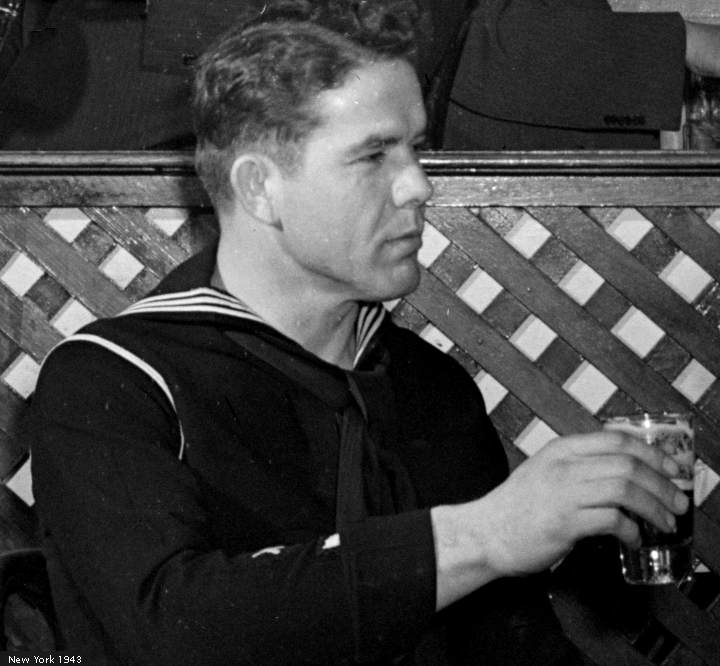
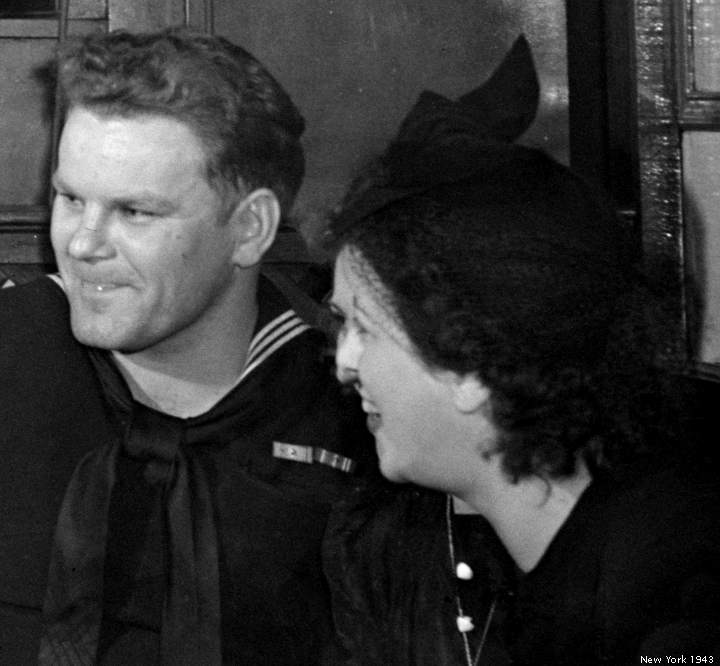
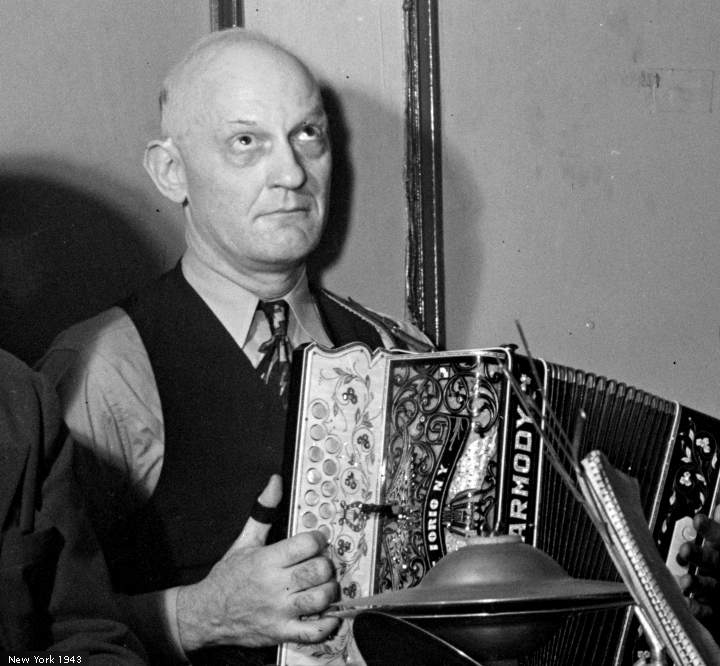
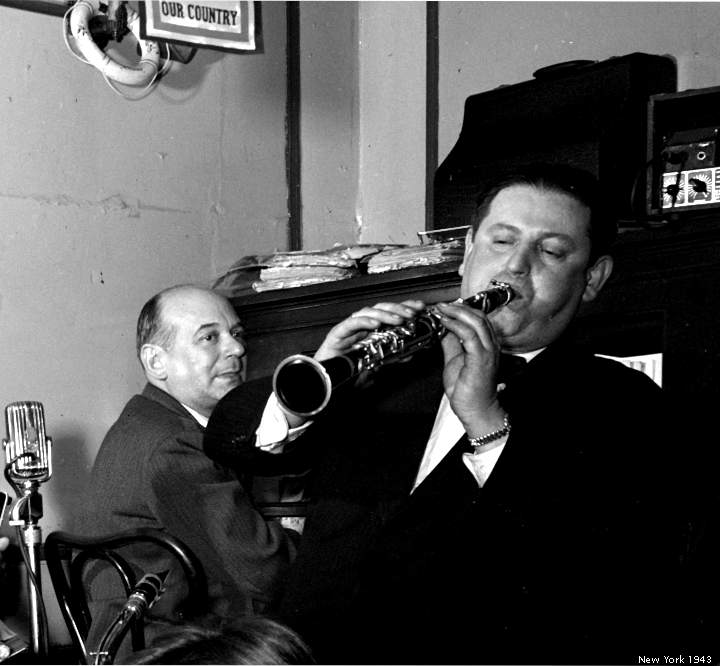
The pictures today are from The Library of Congress Marjory Collins took the featured photograph in February 1943. “New York, New York. Band in an Irish-American restaurant O’Reilly’s at Third Avenue and Fifty-Fourth Street, on Saturday night.” Chamblee54 has published expanded book reports about “Satori in Paris” 031211 032211 032911 040711 · “The Dharma Bums” 111713 113013 122213 011314 · “On The Road” 060119 061119 062519 062719 071019 071419 073019 · selah
Was Flannery O’Connor Racist?



How Racist Was Flannery O’Connor? appeared in The New Yorker on June 22, 2020. (Note the date) I had long been a fan of Mary Flannery O’Connor, and knew I could not un-read those stories. While researching a book report about a story collection, Everything That Rises Must Converge, I took another look at the cancellation.
The article begins by telling the Flannery story. Soon, a description of a movie, Flannery, yields a false note: “Erik Langkjær, a publishing sales rep O’Connor fell in love with, describes their drives in the country.” According to Flannery: A Life of Flannery O’Connor by Brad Gooch, Mr. Langkjær was far from a boyfriend. It is another piece of the puzzle.
“I was not really in love; I simply enjoyed the company of women during my lonely travels in the South. Although Flannery was both conventional and religious, we eventually became so close that she, while the car was parked, allowed me to kiss her. At that moment, her disease revealed itself in a new way: there was no strength in her lips. I hit her teeth with my kiss, and since then I’ve thought of it as a kiss of death. … When I later read one of Flannery’s short stories, ‘Good Country People,’ I noticed that the main character was a travelling Bible salesman. I didn’t sell bibles, but I used to call my binder with the records of the publishing firm ‘my bible.’ Also, the salesman in the story is named Manley Pointer, which has an obvious erotic connotation.”
Right after this paragraph, there is a break. “FEATURED VIDEO Protests of George Floyd’s Killing Transform Into a Global Movement” The article soon gets down with cancellation.
“Everything That Rises Must Converge was published in “Best American Short Stories” … O’Connor declared that it was all she had to say on “That Issue.” It wasn’t. In May, 1964, she wrote to her friend Maryat Lee, a playwright who … was ardent for civil rights.”
“About the Negroes, the kind I don’t like is the philosophizing prophesying pontificating kind, the James Baldwin kind. Very ignorant but never silent. Baldwin can tell us what it feels like to be a Negro in Harlem but he tries to tell us everything else too. M. L. King I dont think is the ages great saint but he’s at least doing what he can do & has to do. Don’t know anything about Ossie Davis except that you like him but you probably like them all. My question is usually would this person be endurable if white. If Baldwin were white nobody would stand him a minute. I prefer Cassius Clay. “If a tiger move into the room with you,” says Cassius, “and you leave, that dont mean you hate the tiger. Just means you know you and him can’t make out. Too much talk about hate.” Cassius is too good for the Moslems.” (James Baldwin probably agreed with MFO about “the Moslems.”)
“That passage, published in “The Habit of Being,” echoed a remark in a 1959 letter, also to Maryat Lee, who had suggested that Baldwin … could pay O’Connor a visit while on a subsequent reporting trip. O’Connor demurred: “No I can’t see James Baldwin in Georgia. It would cause the greatest trouble and disturbance and disunion. In New York it would be nice to meet him; here it would not. I observe the traditions of the society I feed on—it’s only fair. Might as well expect a mule to fly as me to see James Baldwin in Georgia. I have read one of his stories and it was a good one.” …
“After revising “Revelation” in early 1964, O’Connor wrote several letters to Maryat Lee. Many scholars maintain that their letters (often signed with nicknames) are a comic performance, with Lee playing the over-the-top liberal and O’Connor the dug-in gradualist, but O’Connor’s most significant remarks on race in her letters to Lee are plainly sincere. … May 3, 1964: “You know, I’m an integrationist by principle & a segregationist by taste anyway. I don’t like negroes. They all give me a pain and the more of them I see, the less and less I like them. Particularly the new kind.” Two weeks after that, she told Lee of her aversion to the “philosophizing prophesying pontificating kind.” Ravaged by lupus, she wrote Lee a note to say that she was checking in to the hospital, signing it “Mrs. Turpin.” She died at home ten weeks later.”
“Fordham University hosted a symposium on O’Connor and race, supported with a grant from the author’s estate.” (The panel discussion included Karin Coonrod.) “The organizer, Angela Alaimo O’Donnell” … (who wrote) “Radical Ambivalence: Race in Flannery O’Connor.” … takes up Flannery and That Issue. Proposing that O’Connor’s work is “race-haunted,” she applies techniques from whiteness studies and critical race theory …” In other words, The Flannery O’Connor Trust gave money to Fordham University, so they could examine MFO, using “techniques from whiteness studies and critical race theory.” There is something deeply rotten about this.
Perhaps this cancellation business is what MFO foresaw in a 1963 letter to Betty Hester. MFO mentions her disdain for Eudora Welty’s “Where is the Voice Coming From?” … “What I hate most is its being in the New Yorker and all of the stupid Yankee liberals smacking their lips over typical life in the dear old dirty Southland.”
Eudora Welty is not the only author MFO did not like. MFO wrote to Maryat Lee on 31 May 60. “I hope you don’t have friends who recommend Ayn Rand to you. The fiction of Ayn Rand is as low as you can get re fiction. I hope you picked it up off the floor of the subway and threw it in the nearest garbage pail. She makes Mickey Spillane look like Dostoyevsky.”
“On July 28, 1964, Flannery wrote her last letter. This note to Maryat Lee, written in a “shaky, nearly illegible hand” … is in response to an anonymous crank call Lee received and reveals O’Connor’s deep concern for her friend’s well being: “Cowards can be just as vicious as those who declare themselves – more so. Dont take any romantic attitude toward that call. Be properly scared and go on doing what you have to do, but take the necessary precautions. And call the police. That might be a lead for them. Dont know when I’ll send those stories. I’ve felt too bad to type them. Cheers, Tarfunk” MFO died August 3, 1964 at Baldwin County Hospital.
We don’t know what MFO read by James Baldwin. It might include a 1962 piece in The New Yorker, Letter from a Region in My Mind. Included in those 22,147 words is this gem: “But white Americans do not believe in death, and this is why the darkness of my skin so intimidates them.” This might be a good time to remember the words of Alice Walker: “Take what you can use and let the rest rot.”
Ms. Walker is included in Flannery. “Alice Walker tells of living “across the way” from the farmhouse during her teens, not knowing that a writer lived there: “It was one of my brothers who took milk from her place to the creamery in town. When we drove into Milledgeville, the cows that we saw on the hillside going into town would have been the cows of the O’Connors.” Ms. Walker, who was well aware of MFO’s racial attitudes, adds “She also cast spells and worked magic with the written word. The magic, the wit, and the mystery of Flannery O’Connor I know I will always love.”
A lot of what is said here is taking MFO seriously, in spite of her racial attitudes. This is where I differ with The New Yorker. I am a cracker who likes to enjoy stories, not take them seriously. As a Georgia native, I am well aware of the many “shades of gray” produced by a black and white society. Racism is not a yes/no binary. MFO wrote great stories, in spite of, or maybe because of, her racial attitudes. To paraphrase Alice Walker, take what you need, and let whiteness studies and critical race theory rot.
Pictures today are from The Library of Congress. Russell Lee took the featured photograph in February 1940. “Pomp Hall, Negro tenant farmer. Creek County, Oklahoma.”


A David Bowie Book


David Bowie: A Life was sitting on the biography shelf at the Chamblee library. It is an “oral biography.” Dylan Jones gets the blame, and the copyright. He took a bunch of interviews, and curated salient passages into a narrative. It is a fun book to read, full of sex, drugs, and rock and roll.
The Amazon one star reviews beg to differ. Guitar Gregg “I thought this would be biography not assorted comments. Very few comments from David Bowie. Who cares what Debora Harry or hundreds of “Joe blows” have to say? No pictures? 500 pages? Too much too little. Buy his cd’s instead.” worst read ever “Belongs in the fire … worst read ever!”
I enjoyed DBAL. At some point, the lurid tales of depravity got too quotable. I started keeping a list. In this book report, we will use this list, until the list, or the reader’s attention span, is exhausted. There may be another installment. Part one was published last week.
“There’s one instance — probably included just so it would be cited — about someone calling Bowie’s room in New York with an offer of a still-warm corpse. “The town had never seen anything like David before,” says onetime groupie Josette Caruso. “And he obviously looked like such a freak that some sick people thought he might be into necrophilia.” (He wasn’t.) (Page 142)
Page 146 “He (Lou Reed) had an auteur complex, and Bowie didn’t fit into that. Lou was also a prime member of the awkward squad. He could lose a charm competition with Van Morrison.” In 1972 David had gone through years of struggle, and was starting to make it. After the Ziggy Stardust tour, he was hot. At this time, David wound up helping two struggling artists, Lou Reed and Iggy Pop
The Elton John/Rolling Stone article was published during one Iggy phase. “May 1975 — It’s four in the morning, Hollywood time, and David Bowie is twitching with energy. … Bowie clutches his heart and beams like a proud father watching his kid in the school play. His whisper is full of wonder. “They just don’t appreciate Iggy.” he is saying. “He’s Lenny fucking Bruce and James Dean. When that adlib flow starts, there’s nobody like him. It’s verbal jazz, man!” … Bowie and Iggy never did make it back into the studio. Pop slept past the booked time, called up drunk several nights later and when Bowie told him to “go away” — meaning “hang up” — Iggy did just that. Now he’s disappeared. “I hope he’s not dead,” says Bowie, “he’s not a good act.” Iggy will show up later in this story.
Page 151 has stories from the Ziggy tour. In Seattle, the entourage went to a gay bar, and someone invited David to a party. When the next day came, and the tour needed to go to the next city, David was nowhere to be found. When he finally called the hotel, all he knew was that he was in a house, with a lot of trees around it. A hotel employee talked to David on the phone, and they managed to figure out where he was.
Page 155 Lori Mattox was a fifteen year old rock fan in 1972. “We got to the Beverly Hilton, and all went up to Bowie’s enormous suite. … We were getting stoned when, all of a sudden, the bedroom door opens and there is Bowie in this beautiful red and orange and yellow kimono … “Lori, darling, can you come with me? … Of course I did. Then he escorted me into the bedroom, gently took off my clothes, and de-virginized me.”
There is a lot of text about David’s sex life. The boy got around, in spite of, or because of, his open marriage with Angela. Apparently, nature was generous with David. While performatively gay during this era, David made plenty of exceptions with ladies. DBAL is an entertaining book.
Page 176 Ava Cherry was a girlfriend who stuck around. “… and yes, we did have some fun together. We were staying at the Sherry-Netherland one night in New York, where David had given a party for Rudolph Nureyev. At the end of the party, everyone was gone apart from me and David and Mick, (Jagger) so it just ended up with the three of us sleeping together.”
Page 263 87 pages later, David has burned out on American rock stardom, and is living on top of an auto parts store in Berlin. This is the phase which produced Low and Heroes, two creative, though non commercial, efforts. Iggy Pop is back in the picture. Longtime assistant Coco Schwab never left. Iggy Pop : “There’s sevent days in a week: two for bingeing, two for recovery, and three more for any other activity.” Coco Schwab “I remember one elevated subway ride where you ride into East Berlin with no checkpoints and then back out with Absinthe into the west. Trust Jim (Iggy) to find that one.”
Page 277 David meets Adrian Bellew, who is in Frank Zappa’s band. David is talking to Adrian about doing a tour with David. At some point, the two go to a restaurant, where they run into Frank Zappa. “…David tried to strike up a conversation with Frank, saying “This is quite a guitar player you have here” And Frank said, “Fuck you, Captain Tom.” David persisted, and said “Oh come on now, Frank, surely we can be gentleman about this?” And Frank said, “Fuck you, Captain Tom.” … so David said, “So you really have nothing to say?” To which Frank said, “Fuck you, Captain Tom.”
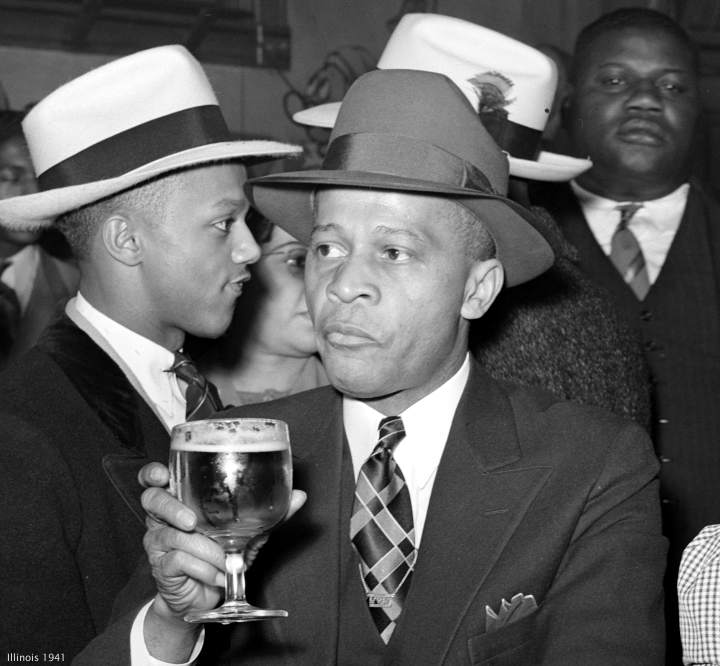
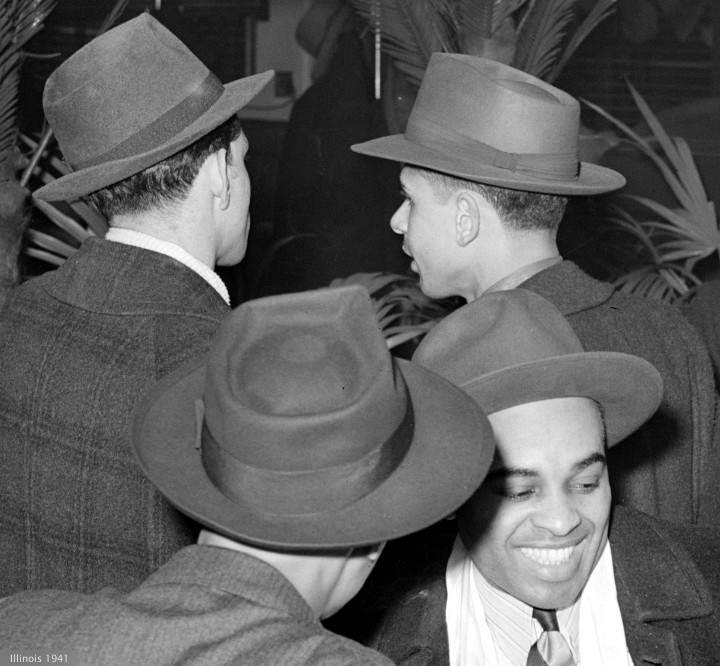
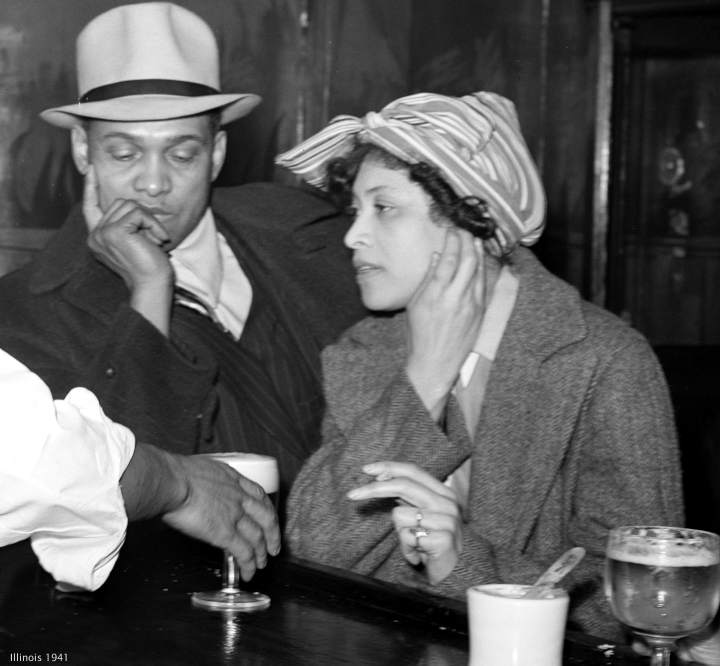
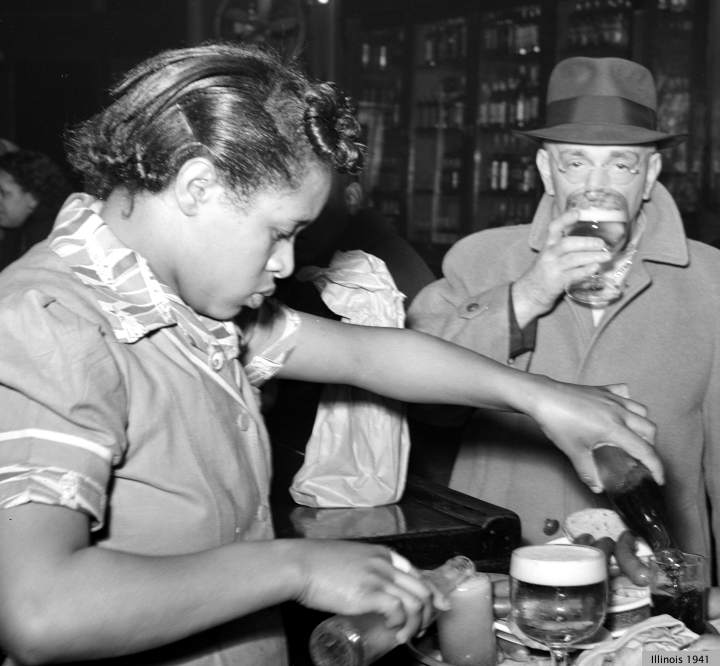
This is a repost from 2019. Pictures are from The Library of Congress. Russell Lee took the featured photograph in April 1941. “Scene at bar. Southside of Chicago IL.”


Hollywood Part One


This is a repost from 2022. … I had this bright idea. I was going to do a chapter by chapter commentary of Hollywood, by Charles Bukowski. Hollywood has 48 chapters most of them are only a few pages long. This is my kind of book. Jack Keruoac made a single sentence last five pages. Per this source, Keruoac is the only beat that CB never met. “… Neal Cassidy and Ginsberg ( i think ) coaxing Buk out for a joy ride in Hollywood. … Cassidy was a wild man and drove like a racer in death race 2000. He spun the car out near Ivar and Buk went to floor. Apparently he wet his pants. …”
1 – The story starts with Hank Chinaski (Charles Bukowski,) and Sarah, on a mission. (Sarah is Linda Lee Beighle, his wife.) They go to a meeting in a wealthy part of Los Angeles. Hank does not feel comfortable. “We have just landed upon the outpost of death. My soul is puking.” Sarah replied, “Will you stop worrying about your soul.” This sets the tone for what is to follow.
2 – Hank and Sarah meet an obnoxious, drunken Frenchman. Some people are trying to get Hank to write a screenplay for a movie. Barfly eventually did get made. I’ve never seen it, which is not unusual. I don’t see a lot of movies. There is a scene on youtube, where Mickey Roarke picks a fight with a bartender. It is not pleasant to watch, either on video or in real life. I have known degenerates that can’t control their impulses, and they are no fun at all. Fortunately, the dead tree version of Hank Chinaski can be put down whenever necessary, and then revived again when it is convenient.
3 – Chapter 3 is what I read the other day, when I went to Walgreens for my booster shot. It gets quite juicy. Hank is attending a screening of a documentary, about an African tyrant. Barbet Schroeder, whom Hollywood is dedicated to, once directed a movie about Idi Amin. The dictator would kill his opponents, and then dump them in a swamp, where the crocidiles would become impossibly fat. It is not good for the swamp’s ecological balance.
4 – Two of the obnoxious frenchmen are François Racine and Jon Pinchot. It is uncertain who they are stand ins for. François and Jon go to a Las Vegas show starring Tom Jones. François hates it, and rants on and on about how much he hates Tom Jones. I remember Mr. Jones, aka Sir Thomas John Woodward OBE, fondly. Mr. Woodward was on the WTF podcast last year, but that show is now behind a paywall. I wasn’t going to listen to it anyway, just to remember a few good stories.
Tom Jones: “Fast-forward to 1965. My own singing career had taken off, with three hit records and a big-selling album, and I was on my first trip to America. I went to Paramount Studios to talk about recording a song for a movie and someone told me that Elvis was filming on the neighboring sound stage and wanted to say hello.”
“‘Oh, my God! Surely Elvis Presley doesn’t know who I am’. But I walked on the set, where he was sitting in a helicopter, and he sort of waved in my direction. I couldn’t believe he was waving at me, but I waved back, just in case. Then he came over and said he knew every track on my album and he sang one of my songs, With These Hands, all the way through. He said to me, ‘How the hell do you sing like you do?’ And I said, ‘Well, you are to blame because I listened to all your records in the 1950s.” He told me that when he heard me singing What’s New Pussycat? on record, he thought I was black. I thought that was a bit ironic, as I’d thought he was black when I first heard him singing.”
5 – Hank is in a bar, hating it. A man comes up, and says he wants to finance his screenplay. The man just finished a film about Jack Keruoac called Heart Beat. (Those are not the names Hank uses, but it easy to figure out what he means.) The movie-dude tells Hank the title of the Keruoac-flick. Hank hates the title, and won’t talk to the movie-dude after that.
6 – This chapter is a meeting in a hotel room, full of Frenchmen who talk too much. It is much better when Hank tells the story. I have never known anyone named Hank. When I was a kid, the Braves had a player named Hank, who you have heard too much about. One night, during their lame duck season in Milwaukee, the Braves played an exhibition game at the toilet-bowl stadium. After the game, my long suffering dad took me to the bowels of the stadium. You could stand outside the clubhouse, and get autographs as the players left. A couple of times, the door would open, and you could see a naked player. So, Hank Aaron came out, patiently signed a bunch of autographs. He was smoking a cigarette. Joe Torre came out, saw the crowd of people, ducked behind a truck, and took off away from the autograph seekers. Good times.
7 – Hank finally gets to work on the screenplay, when he is interrupted by a phone call. This is counter-productive to the business of writing. The caller is a hip-talking German, who Hank asks for money. Hank tells him a joke. “Whats the difference between a chicken’s asshole and a rabbit’s asshole?” “I don’t know. What’s the difference?” “Ask little dick.” I don’t get it. I think this one is funnier. “Why did the pervert cross the road? He couldn’t get his dick out of the chicken.”
8 – Some slick talking tax finagler calls on Hank, who is very leery of the whole thing.
9 – Hank goes into this real estate office, and is treated as though he were a degenerate. The only appropriate thing to do is go into a bar. The ale house is full of biker types, who recognize Hank and call out to him. Hank is a wino rock star, and insanely uncomfortable. He gets out of APES HAVEN before you can say rehabilitation.
10 – One of the bits of money advice Hank gets is to buy a house. He goes, with Sarah, to this rundown place in the sticks. It is a scene out of a bad movie. Someone spray painted over the bath tub, IF TIM LEARY AIN’T GOD, THEN GOD IS DEAD. Finally, Sarah gets this notion that this is the house where Charles Manson killed somebody. This is too much, even for Hank Chinaski. They leave before they get too drunk to drive home.
When typing the existential exhortation about Tim Leary, I decided not to use the cap lock, but typed it one letter at a time. If I had it to do over again, I would have used cap lock, even though typing in cap lock is the facebook equivalent of saying LOOK AT ME I AM AN IDIOT. I had a co-worker once who typed with one finger. I think it was the index finger on his right hand. When Kyle wanted to type a capital letter, he would turn cap lock on, type the letter, and, turn cap lock off.
11 – Hank brings in the mail. There are two items. One is a fan letter. Someone writes this letter full of vile insults, and then wants Hank to read his poems. Hank reads one and a half, and decides that he has better things to do with his time. The second letter is from a lawyer. It is incorporation papers, the intention being the incorporation, for tax purposes, of Henry Charles Chinaski. Hank reads through the papers, and crosses out the parts he does not like. The corporation can have Hank declared insane, and take all his money away. Eventually, Hank and Sarah open a bottle of wine.
12 – The neighborhood that Hank lives in is going downhill, even to a point where it is worse off than Hank. People from somewhere in Central America are flooding in, and bringing fourth world conditions to third world LA. Finally, Hank gets busy with the house hunting, and finds something to his liking. The note is going to be $789.81. This is where I was in the book, when I had the inspiration to write this falling-off-a-cliff-notes version of H-wood. This is a good place to stop, edit what I have already written, and decide what to do next.
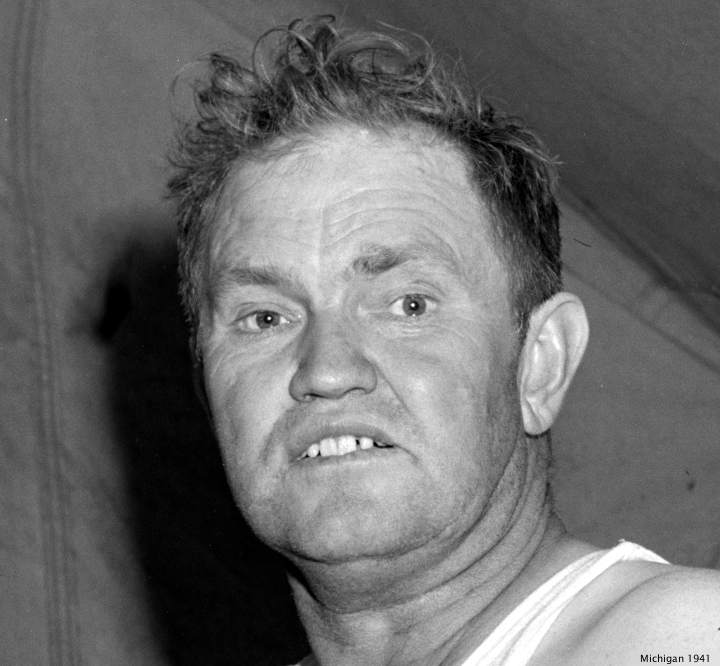
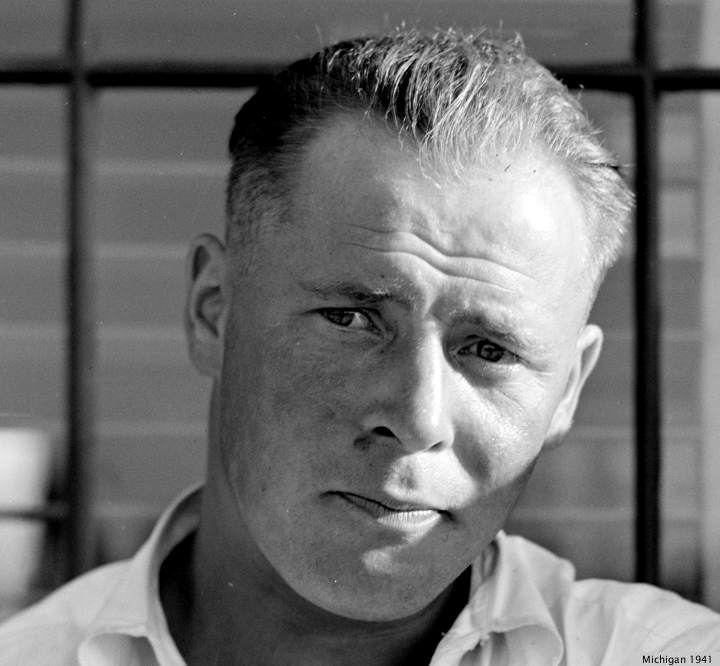
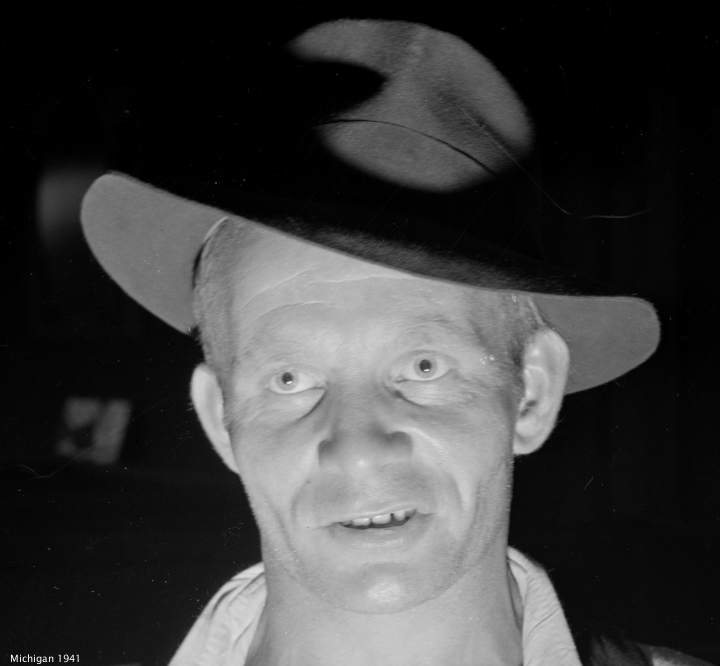
Other episodes of the “Hollywood” series are available. two three four five Pictures today are from The Library of Congress. John Vachon took the featured photograph in August 1941. “Mr. Akers, construction worker from Flint, Michigan now working at Ford bomber plant near Ypsilanti. He lives in a tent with two other men at Edgewater Park. Edgewater Park normally closes on Labor Day. This year it will remain open through the winter.”


Didion & Babitz Part Two

At 1838, February 19th 2025, I shut the cover on Didion & Babitz. Say what you will about author Lilliane O’Lick, she is one helluva storyteller. D&B was easy and fun to read. The book ends with a description of Joan Didion’s memorial, a star-studded celebrity event. Page 339 had one final bit of tackiness: “On the day Joan’s obituary appeared in the New York Times, journalist and podcaster Maris Kreizman took to Twitter. “I want to believe that Joan Didion lived an extra week out of spite so that she could officially outlive Eve Babitz.” p.339
The dedication page to Eve’s Hollywood mentions Steve Martin (the car.) The car is a 1965 VW, which Mr. Martin gave to EB. She later said “Linda Ronstadt was his girlfriend and I was his girlfriend and we were both doing him wrong.” EH was released in March 1974, about the same time I saw Mr. Martin open for Nitty Gritty Dirt Band at the Great Southeast Music Hall. Nobody in the Nitty Gritty crowd had any clue who this white suit wearing banjo player was. John McEuen kept stumbling into the microphone, saying “this guy cracks me up.” p. 215
“Huntington’s disease (HD) is named after George Huntington, who described it among residents of East Hampton, Long Island in 1872. It is a hereditary neurodegenerative disease.” HD claimed both EB, and her father, Sol Babitz. EB was aware of her fate for many years. The most famous victim of HD was Woody Guthrie. Many speculated that son Arlo would get HD, but he never did. “Woody’s most productive time artistically was in the 5 years immediately preceding the onset of overt symptoms of HD. I hypothesize that subclinical HD may have been an important driving force behind Woody Guthrie’s creativity.” p. 244
We know little about LOL. She was 32 in 2010, and went to Princeton, after doing high school somewhere else. LOL has the same last name as her Manhattan Doctor husband, but leaves no clues about her maiden name. We do have “A note my older boy, Ike, left on my pillow Valentine’s Day 2020” “DEAR MOM YOU AR WORM AND COTULY AND YOU HAD SEX WITH BREAT ESTIN ELIS BUT DONT TRY TO HIDE IT FROM ME NAW LETS GET DOWN TO BUSINESS I WANT TO GO TO THE NATURAL HISTORY MUSEUM THIS WEEKEND AND I WANT NO ARGUING ABOUT IT”
Page 290 marks the return of Bret Easton Ellis. EB tuned in to “Less Than Zero,” which made BEE a star before he was old enough to (legally) drink. EB compared BEE to Jim Morrison, … another way that People Are Strange. BEE met EB for dinner about this time. There is no word on whether BEE was EB’s dessert. This was about the time AIDS was becoming obnoxious, and EB decided to tone down the whore-of-babylon act. The bi-leaning-gay Paul Ruscha had been a long playing EB boyfriend, which probably has nothing to do with any of this.
On May 7, 2000, JD appeared on In Depth, a PBS talk show. After a polite discussion, and a chance to promote here most recent book, the show was opened up to callers. One of the callers was EB, who introduced herself as “a friend of Joan’s from Hollywood.” JD dropped her stone face once, when EB said that JD’s house “was the first time I ever saw Spode china.” JD did not show much pizazz in that brief clip. I don’t know about the rest of the show, because I am not bored enough to watch it. JD was never known as a vibrant personality. p.306
There may be one defining difference between author and subject. EB wrote a piece about her near-fatal fire titled “I used to be charming.” Recently, LOL did an interview promoting D&B. “I always think of the last line of a Salinger short story, “Uncle Wiggily in Connecticut.” … “I was a nice girl once, wasn’t I? Wasn’t I?” I think about that all the time, because I used to be so polite. And now I’m just used to getting yelled at and told I’m a jerk or to go away. I just don’t mind at this point.”
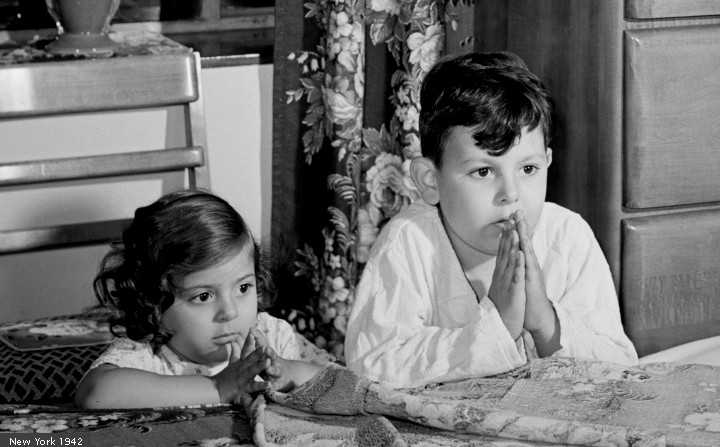
Page 332 has EB in her final years. In 1997 EB was badly burned, and never fully recovered. That story is available elsewhere. By the time Donald J. Trump was President, EB had become a talk radio consuming conservative, to go with HD. LOL went to California frequently to have lunch with EB, and talked to her on the phone. In one of these conversations, EB asked “Where can I find a blouse the same shade of blue as Melania Trump’s eyes?” When I asked AI that. I found a description of the Ralph Lauren dress FLOTUS wore to her first inauguration. “She looked simply flawless.” … This is the final installment of D&B. Part one is available. Pictures are from The Library of Congress. Arthur Rothstein took the featured photograph in June 1940. “Brooklyn NY. Red Hook housing development. Jimmy Caputo, seven years old, and Annette, three years old, at their nightly prayers.”



Hollywood Part Two


This repost is part two of a book report on “Hollywood,” by Charles Bukowski/Hank Chinaski.
13 – Jon Pinchot needs to move out of his house, and lands with Hank and Sarah. They get to drinking and hanging out, and Jon tells a movie financing war story. This wealthy lady in Russia wanted to work with him, but only after Jon goes to church with her, and fucks her. “please understand I have nothing against the old the aged but it was like kissing a sewer hole.”
This afternoon, I took the book with me to the Kroger parking lot. The idea was to read, while waiting for my brother to finish shopping. When I went in for my groceries, i got in the checkout line behind a lady with WIC coupons. By the time I got through, and returned by shopping cart, the checkout line was cleared up, and Mac was almost ready to go. I did not get to read, and peruse the cosmic comic insights of alkies in movieland.
I did get to drive home. The Kroger parking lot is a nightmare on the best day, but I got out, and on to Clairmont going north. I am going to be turning left in a couple of blocks, and there is no point in being in the right lane. This is a problem for some drivers. People on Clairmont road drive as though they were still on I85, and are very annoyed when someone does the speed limit in front of them.
14 – Hank and Sarah see a movie about skid row degenerates. It turns out to have clean cut, well dressed actors playing broken down drunks. Inevitably one of them gets Jesus, which may have been the point of the movie all along.
These facebook fuddy-duddies were talking about Joe Rogan. I had enough of the negativity, and decided to find some of the content that makes Mr. Rogan the most entertaining man on the internet. I found this: “black people didn’t know what plastic surgery was, so the deal was you take that government butter and you rub it on your titties on your ass and they said it’ll make it grow yeah … that’s what we used to do back in the day.”
This is the person Nikole-Hannah Jones was talking about when she said, in response to a tweet from: @AllMattNYT “Joe Rogan is what he is. We in the media might want to spend more time thinking about why so many people trust him instead of us.” @nhannajones ” With respect, I don’t get this. We need to understand why millions of Americans don’t mind the open racism? It’s not a mystery. Been reporting on it for years. So what do we do with that?” IOW, giving a comedian the opportunity to tell us about using government butter, to make your titties bigger, is open racism. TBH, to say that government butter will make your titties bigger probably does qualify as misinformation.
15 – “Something went wrong. Try again in a little while.” I am trying to find the motivation to write about a boring chapter. Hank is trying to force a screenplay out of his typer, and it is not happening. There is a letter about how to play the horses. There is a trip downstairs to plead for mercy from Jon Pinchot, who responds by saying that François is coming back from France, and they are going to move out to somewhere.
The fifth letter of François is c-cedilla. Ç “is a Latin script letter, used in the Albanian, Azerbaijani, Manx, Tatar, Turkish, Turkmen, Kurdish, Zazaki, and Romance alphabets. Romance languages that use this letter include Catalan, French, Friulian, Ligurian, Occitan, and Portuguese as a variant of the letter C.” To make Ç, you hold down the alt key and type the numbers 0199. Or you just find someone else who typed it, and copy that. If you want a ç, the code is alt+0231.
16 – Jon and François have moved into a ghetto, and they think it is the coolest thing ever. Hank is not so sure, but he gets his knife, puts his money in his shoe, and drives down there. I have known lots of people who lived in “those” neighborhoods. They are usually happy to get out, even if they don’t say so out loud. You have to wonder how long it will take the romance to wear off with these two Frenchman-living-among-the-natives.
17 – Let’s see if the electronic section robo secretary is working hey it’s working too bad I’m not. So I boot the computer now the robo secretary is working. Chapter 17 is kind of boring. Hank and Sarah go to a party at John and François’s place in the ghetto. They’re having a cookout in the backyard and cooking chicken. François doesn’t know how to cook chicken. It turns out hard as a rock. Hank can’t eat it. Someone steals the wheels off of François’s vehicle, and sells them to him for $38. The robo-secretary hears “ghetto life” and gives me “get a life.”
18 – There are these two characters. Wikipedia tells me that it’s Sean Penn and Dennis Hopper. The story is that Sean Penn wants to be in Barfly, but insists that Dennis Hopper direct. Barbet Schroeder ( robo secretary: Barbie show drunk Schroeder) hates Dennis Hopper. He hates him so much, he calls Paris and talks to his lawyer. A clause is written in his will. If Mr. Schroeder dies in the production of Barfly, Dennis Hopper cannot direct this movie.
The story took place when Sean Penn was married to Madonna. The fake name in Hollywood is Ramona. “All’s fair in hate and Hollywood.”
19 – Hank and Sarah go to meet an actor who wants to play the part. Mickey Rourke eventually played the role, so it is probably him. He lives in this broken down bachelor pad. “there were springs sticking out of the sofa, and there were pillows on the floor, used magazines, paper bags. “This is a real male hangout” Sarah laughed.
They mentioned that Francine Bowers was the female they were trying to get to play some role in this drama. Francine Bowers is a great name for Faye Dunaway. There was a person at Cross Keys named Mr Bowers, aka officer dibble. He was this guy that went around in the halls, before school, making trouble for everybody. Later, I had a friend that thought he was a musician. One of his stage names was Harry Bowers. Francine Bowers is a good name for the ultimate diva actress.
20 – Hank is going to a party for some sleazy Hollywood type and he goes by the Chateau Marmont to pick up Norman Mailer. Hank asks Norman if he has anything to drink. Mormon … calling Norman Mailer Mormon…. Norman has the bottle of wine, but no Corkscrew. Hank says that he was an amateur drunk. Hank is not a purist, and drinks the wine.
21 – Hank goes to this party for a producer who may or may not be Harvey Weinstein. IMDb doesn’t say that Weinstein produced BF, but the character at this party was certainly acting like you would expect Harvey Weinstein to act. At the end of the night, Hank has decided that he likes Mr. Weinstein. John Pinchot says that he’s the nicest person he’s ever met, including Idi Amin.
Other parts of this series are available. one three four five Pictures are from The Library of Congress. John Vachon took the featured photograph in August 1941. “Farm boy in beer parlor on Sunday afternoon. Bruce Crossing, Michigan”


Didion & Babitz Part One


Didion & Babitz has hit the streets, as anyone who reads instagram knows. Lilianne O’Lick knows how to sell the soap, as well as a dirty story that leaves many readers wanting a bath. This is not my first time with either Eve Babitz or LOL. D&B is the story of Eve Babitz and Joan Didion. … Neither lady had a middle name. Chamblee 54 has written about EB on several occasions. 123021 032622 010523 This is not the case with JD. There was once a paperback copy of The White Album … I never got past the abandoned gas station being the authentic west.
“Finishing Didion and Babitz has become a Herculean effort on my part. Lili Anolik clearly hates Joan Didion and continually criticizes and condemns her. This book should be called Loving Eve Babitz, Wench, Whore and Failed “Artist”. Anolik seems to fashion herself as a therapist, making some drastic, others ridiculous, excuses for Babit’s tawdry behavior. … This seemed to be an exercise in “look at my big word vocabulary. I’m going to repeat what I just said using big words that no one ever uses just to impress you. “ From an Amazon one-star review, “Loving Eve Loathing Joan,” by NFox.
(“The seventies in LA weren’t a decade under themselves but an extension of the previous decade: the Sixties the flower child, the seventies the juvenile delinquent that the flower child—a Bad Seed all along—grew into.” p. 124) The sixties were special, too beautiful to live, to profitable to die. Being a kid in Georgia was just one way to see it all. I had little notion of what was going on then in California, and by the time I started to get hip, California had Mansoned its way into a permanent Altamont. EB was playing the game, and the players.
Carrie White was a celebrity hairburner, who wrote a book Upper Cut: Highlights of My Hollywood Life. She is probably not the same Carrie White as the telekinetic teenager at the center of “Carrie” but one cannot be too certain. The CW in D&B went to Hollywood High with EB, and was in the glamor sorority that EB missed out on. CW remained close to Rosalind Frank, who was the fairest of them all in High School. Alas, life after graduation did not work out, and Miss Frank died an early, drug related death. This untimely demise got EB busy writing.
Page 168 sees the first appearance of Bret Easton Ellis, who simply had to be in this book. The first time I heard of EB was on the BEE podcast, which later had an appearance by LOL promoting her first book about EB. BEE idolized JD, and was a close friend of JD’s daughter Quintana Roo Dunne. It is rather poignant that BEE enters this narrative as part of a discussion about JG Dunn’s apparent taste for male company. John Gregory Dunne is the husband of JD, and the younger brother of Dominick John Dunne, … another bicoastal fudge packer.
I was trolling google, looking for dirt on JD … there is a small mountain of dirt on EB … and I stumbled onto a bit of clickbait, “It’s Time To Retire Joan Didion’s Most Famous Line”. The line is “We tell ourselves stories in order to live.” I had probably heard it before. I process a lot of commodity wisdom these days. It goes in one eye and out the other … assuming that useless knowledge leaves the head the same way it gets in. Which brings us to page 211, where LOL ends a chapter with JDMFL.
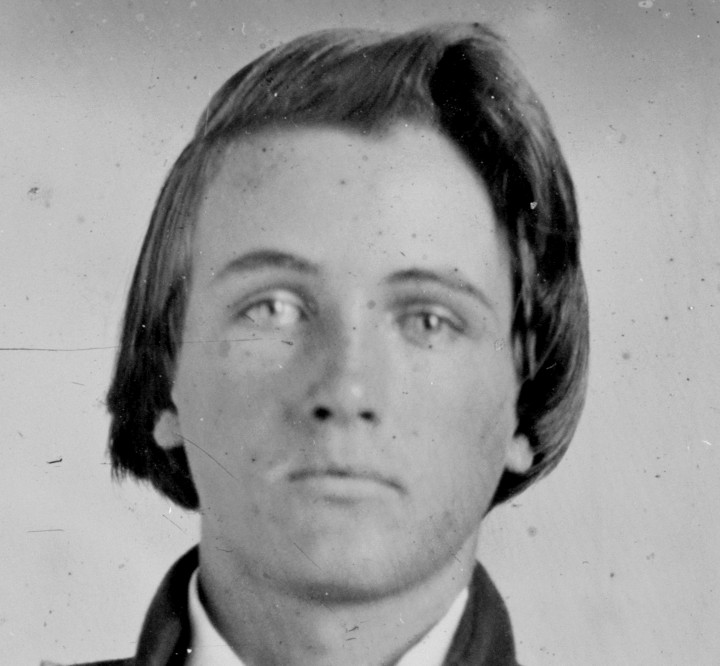
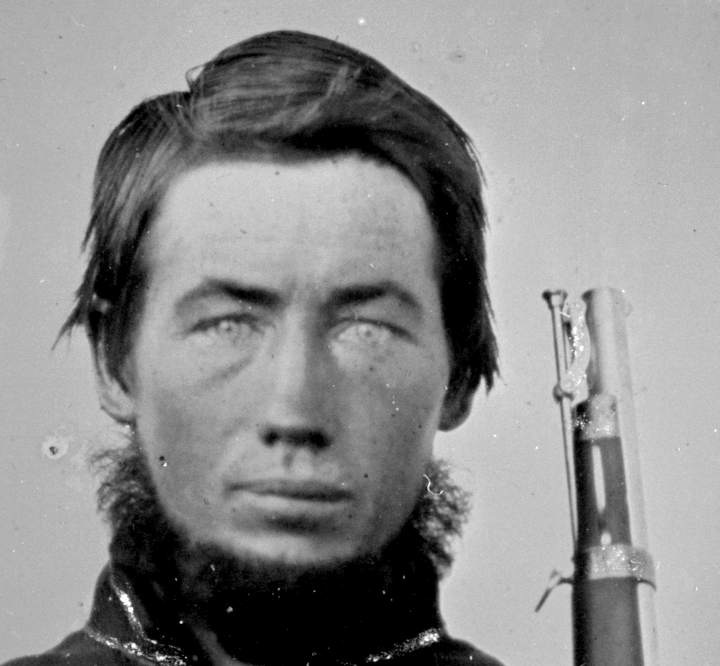
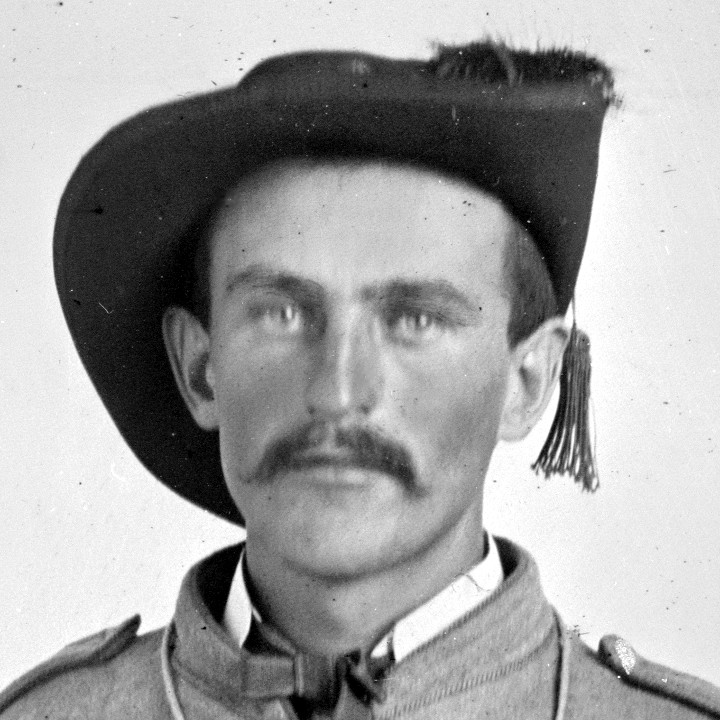
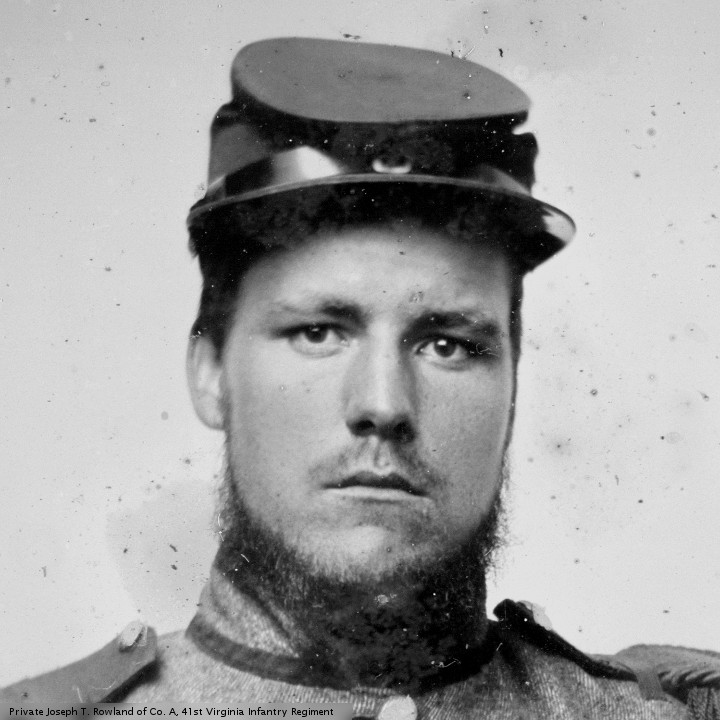
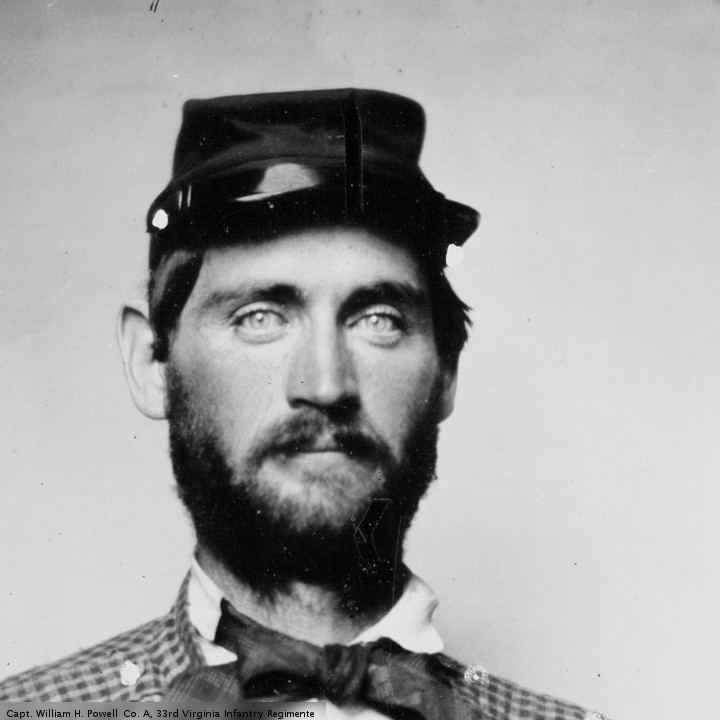
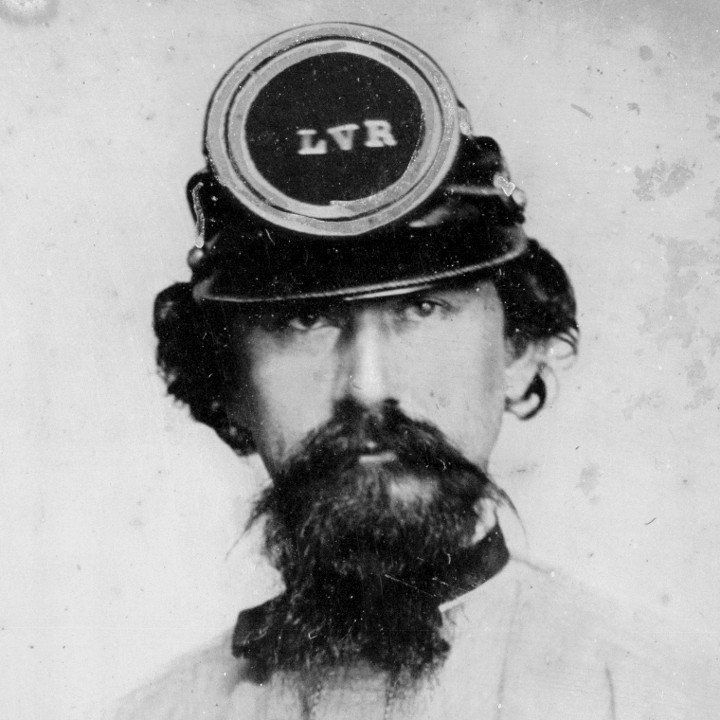
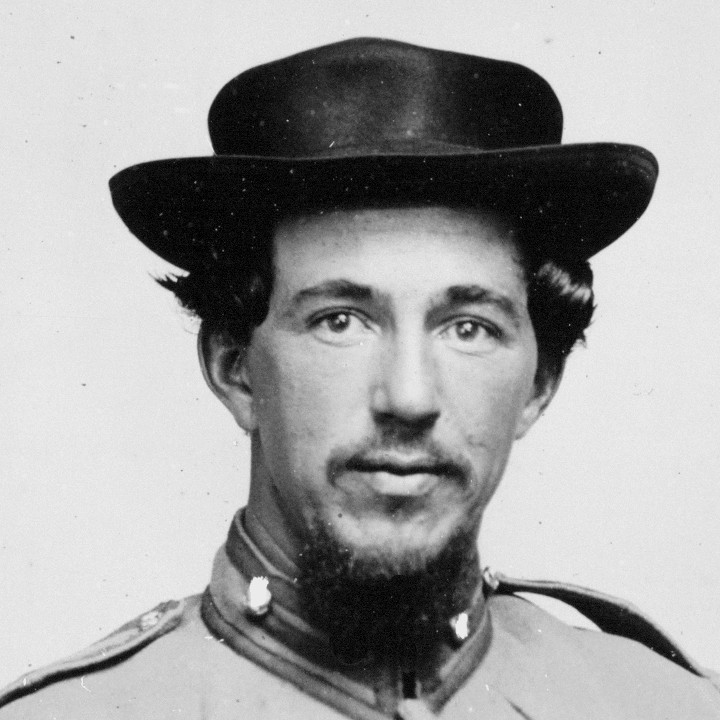
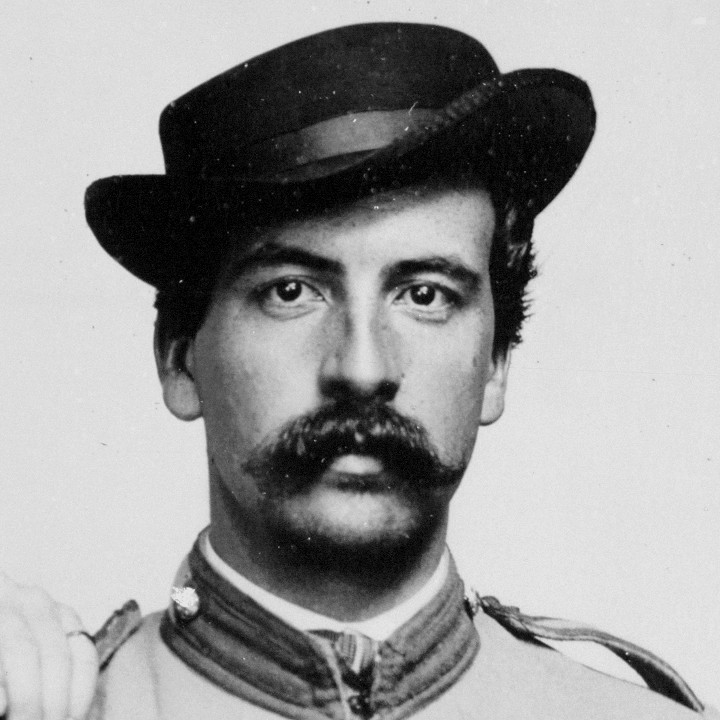
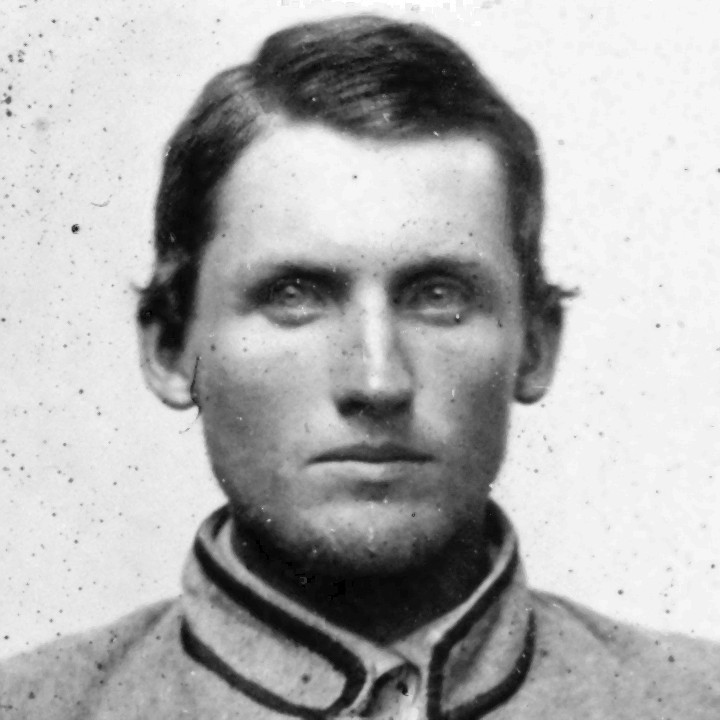
There is a line about EB, whose inclusion in this feature is required by law: “In every young man’s life there is an Eve Babitz. It’s usually Eve Babitz.” Credit/blame for this tidbit is usually given to Earl McGrath. When “Eve’s Hollywood” came out, the line was on the blurb page, written by “anonymous.” The book “came out” in March 1974, with a glamor girl cover photo by Eve’s number one lady lover, Annie Leibovitz. D&B does not have any hint that EB and JD were cleaning carpets together. … Pictures today are from The Library of Congress. The featured photo: “Unidentified soldier in Confederate nine-button frock coat.” · Part two of D&B is available.


On The Road With Janis Joplin
This is a repost from 2017. John Cooke passed away September 3, 2017. … John Byrne Cooke, the son of public television star Alistair Cooke, had gotten a liberal arts degree from Harvard. He stumbled into a job filming the Monterrey Pop Festival. Like the rest of America, he was impressed by Janis Joplin. Soon, Mr. Cooke got a job as the road manager for Big Brother and the Holding Company. One result is a book, On the Road with Janis Joplin.
The management of Big Brother did not want the band filmed at Monterrey. After their saturday afternoon show, the film makers realized that Miss Joplin was important to the film. A second show was arranged for sunday night. This show was filmed. When you see Cass Elliot saying oh wow, that was saturday afternoon. The film crew filmed the crowd during that show.
Mr. Cooke arrived in San Francisco as the summer of love was playing out. Many old timers on the scene were already getting out. At first it was an uneasy fit with the band … the eastern bluegrass player, and the hippies. There was one meeting, where Mr. Cooke thought he was going to be fired. Things were patched up, and the show went on.
There were a lot of people who knew each other. Mr. Cooke had been trying to romance a California girl. It turns out she was a friend of someone, possibly Linda Gravenites, the roommate, and close friend, of Miss Joplin.
Peggy Caserta was another connection. Supposedly Miss Caserta had a lesbian thing going with Miss Joplin. Whatever did, or did not, happen, Miss Caserta wrote an awesomely trashly book, Going Down With Janis. The opening line: “I was stark naked, stoned out of my mind on heroin, and between my legs giving me head was Janis Joplin.”
“Peggy Caserta whose candid revelations about her romantic relationship with rock star Janis Joplin were revealed in a groundbreaking if often sordid 1973 tell-all book that she later disavowed as ghostwritten exploitation, died Thursday, November 21, 2024, of natural causes at her cabin on the Tillamook River on the Oregon Coast. She was 84. … Her first memoir, written she later said for the sole purpose of funding the ferocious heroin habit that would dog her for decades, has over the years been both reviled as a tawdry invasion of privacy and revered as an LGBTQ souvenir from an era and milieu that offered few.”
The year spent with Big Brother was 1968. Miss Joplin was staying in an apartment on Noe Street. Robert Kennedy made a campaign appearance on nearby Castro Street, with Miss Joplin in the crowd. When Mr. Kennedy was killed, after winning the California primary, the band was in Los Angeles. Mr. Cooke sought solace with Judy Collins that night.
Around this time, some people convinced Miss Joplin that she should leave Big Brother. There was three weeks between the last Big Brother show, and the first show as a solo artist. The Kozmic Blues band never really worked. Miss Joplin felt she was a failure. Miss Joplin started to use heroin frequently. Except for a European tour, 1969 was a bad year.
In 1970, Miss Joplin quit using heroin, and started to play with Fult Tilt Boogie. Things wer going well. The band was in Los Angeles recording an album. One night, Miss Joplin got some extra strong heroin. Mr. Cooke found the body.
This book report leaves a great deal of the story out. Miss Joplin broke a whiskey bottle over Jim Morrison’s head, and got into a fist fight with Jerry Lee Lewis. There were three appearances on the Dick Cavett show, 1969, 06-25-70, and 08-03-70. At 1:12 in this video, Miss Joplin observes “you’re a real swinger I can tell by your shoes man.” (Here is a screen shot from 1969, with heroin, next to another from clean 1970.)
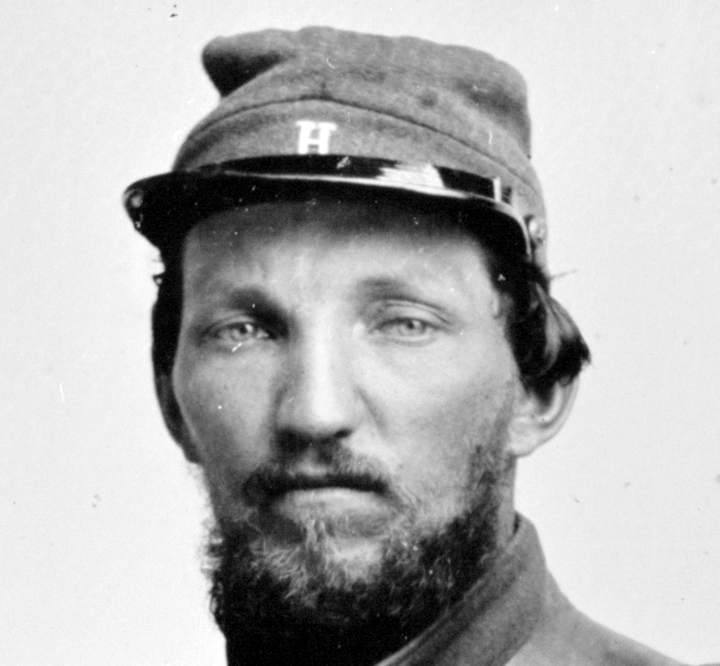
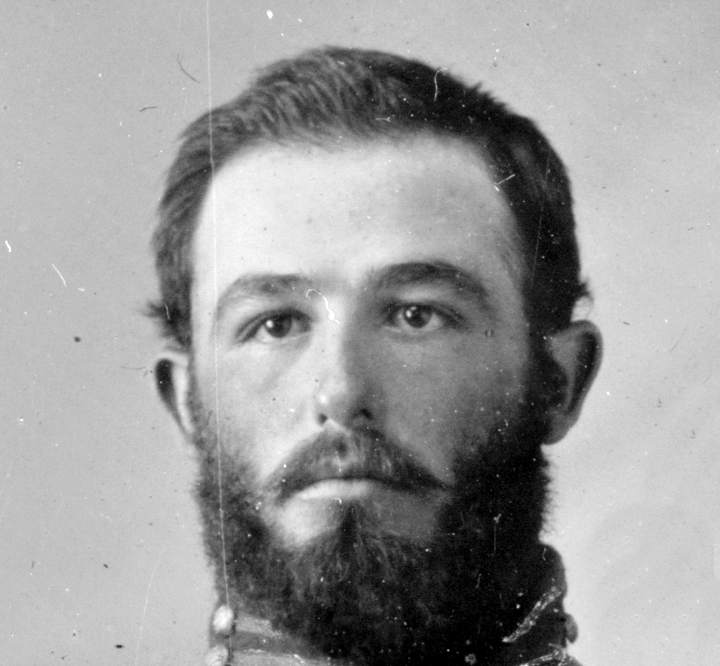
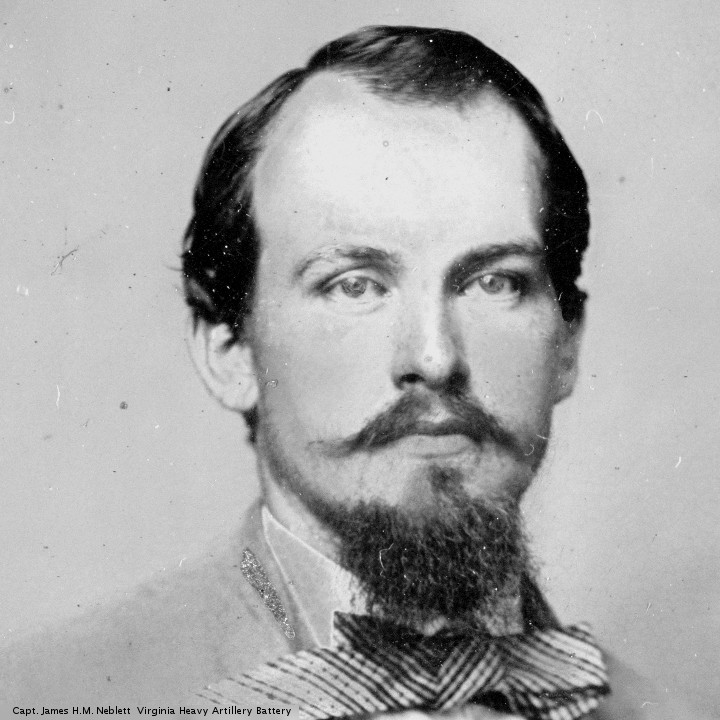
Pictures today are from The Library of Congress. Charles R. Rees took the featured photograph in 1862. ‘Captain James H.M. Neblett of Neblett’s-Coleman’s Virginia Heavy Artillery Battery.”
Men On Men 2


Men On Men 2 is the “Second in this series, which ran from 1987 until 2001. This volume collects short fiction from 1988. Many reflect the writers’ responses to the emerging issues to which AIDS gave rise.” The MOM series turned up in an Underground Atlanta bookstore in the early nineties. I was working in an architect’s office, and had a cheap apartment. My low budget lifestyle could afford $12.00 for a paperback book of short stories. MOM2 was published in 1988, when AIDS dominated to discourse. Thirty plus years later, this is good for a re-read, while waiting for something better from the library. This exercise today is a collection of drabbles … 100 words, written more or less at random, and what some of the stories do for me.
The age of Anxiety David Fienberg
David is an eighties New York queen. Richard is his best friend, who is moving to San Francisco in two days, without a job, apartment, or boyfriend. David has herpes and anal warts, and will die in 1994. David broke up with Richard in 1982 because the latter had “persistently swollen lymph glands under his arms and in his groin.” Nobody seems to enjoy good mental health, which probably was going on before the virus hit. 36 years later, I am running the gauntlet of tests and catheterization, and the only casualty so far is my sense of well being.
Solidarity Albert Innaurato
Some fat queens, with names like La Golgotha and La Pincushionova go to the New York pride parade in 1985. At the time, Pat Buchanan was a headline performer on anti-fag duty. Google is reluctant to share quotes from that time, but did have a delicious tidbit. … Hunter S. Thompson mentioned Pat Buchanan in a 1973 letter. “We disagree so violently on almost everything that it’s a real pleasure to drink with him. If nothing else, he’s absolutely honest in his lunacy — and I’ve found, during my admittedly limited experience in political reporting, that power & honesty very rarely coincide.”
Snapshot Allen Barnett
There are different ways to spell Allen. Allen Barnett had two L’s and an e, just like Hell, and Allen Ginsberg. Allen Barnett died August 17, 1991. This was a little over a year before Alan Burnette died. Alan lived in a house, with an oak tree. Neither survived mcmansionization. My first grade teacher, Connie Carswell, lived in that house. Both Allen and Alan had AIDS. … In Snapshot, this queen tells a recently departed bf that there was a letter from the bf’s mystery father. The bitch just wanted to get the youngun to come over to his apartment.
Ayor David Leavitt
David Leavitt was quite the fag-lit sensation in the eighties. The Lost Language of Cranes was published in 1986, when he was 25. This is about the same time AYOR, his story in MOM2, was written. DL (no middle name) somehow survived the next forty years. In a bit of due diligence, I went to his twitter page, @David_Leavitt The picture you see is a screen shot, announcing that DL has been blocked by @realDonaldTrump. Trump derangement is boring. Getting back to the initials, DL has come to mean Down Low, or thinking that nobody knows what you are up to.
Nobody’s Child David Groff
Nobodies Child is about a fag hag dying of breast cancer, who wants a queen to raise her son. · Meanwhile, I ordered I Walk Between Raindrops, by T. Coraghessan Boyle, from the library. It is fun, and easy to read. I should finish it with no existential problems. The only problem is that Amazon does not have any ★ reviews. There is, however, a ★★ review. · hoss – short stories – Reviewed in Germany on August 19, 2024 “The writing is great but I don’t like unconnected short stories. The setting is dystopian, sick people, end of the world (I like that!). “
Life Suck, or Ernest Hemingway Never Slept Here Tim Barrus
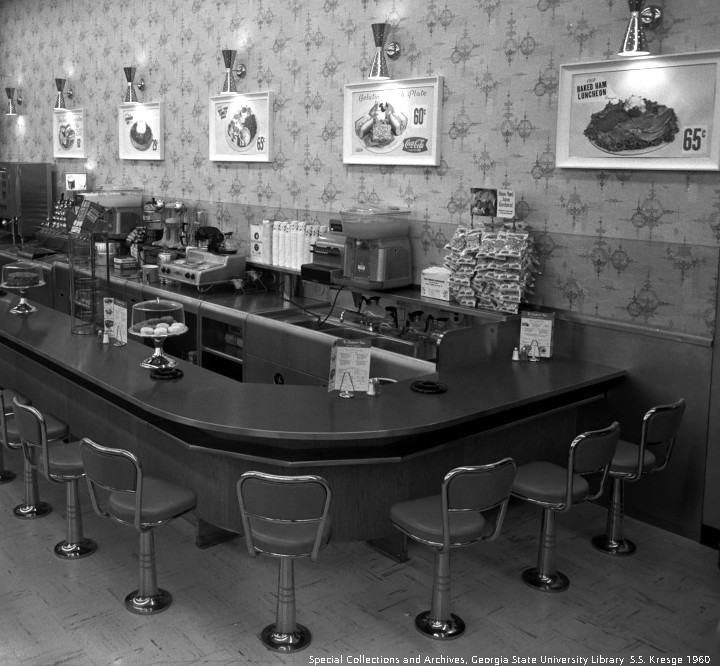
The first step is to turn on the machine. Open the folder with the file, then the file, then docs. You clear the drabble document, and type 100 words … no more, no less … into the gaping window. Focus on the document, and not one how great things were when Ernest Hemingway lived here with his six-toed cats. Don’t worry about what time the football game comes on, or the fact that if you don’t shit soon you are going to explode in a fecal mess. Sunday morning is not just for church anymore, unless you are out … Pictures today are from Special Collections and Archives, Georgia State University Library. The featured image was taken by Tracy O’Neal in May, 1960. “S.S. Kresge Co. 2595 N. Decatur Rd., Decatur, Ga. Store #755″


 Chamblee54
leave a comment