Lose The Ability To Remember




PG heard a nifty quote once. “When we begin to write, we will lost the ability to remember.” It was credited to Homer, the Greek poet. The only problem is, PG could never find a source.
But Thamus replied, “Most ingenious Theuth, one man has the ability to beget arts, but the ability to judge of their usefulness or harmfulness to their users belongs to another; and now you, who are the father of letters, have been led by your affection to ascribe to them a power the opposite of that which they really possess. For this invention will produce forgetfulness in the minds of those who learn to use it, because they will not practice their memory. Their trust in writing, produced by external characters which are no part of themselves, will discourage the use of their own memory within them. You have invented an elixir not of memory, but of reminding; and you offer your pupils the appearance of wisdom, not true wisdom, for they will read many things without instruction and will therefore seem to know many things, when they are for the most part ignorant and hard to get along with, since they are not wise, but only appear wise.”
We don’t know how widespread writing was in Plato’s time. Presumably, many of the old tales were transmitted by word of mouth, from one generation to the next. This involves memory. “For this invention will produce forgetfulness in the minds of those who learn to use it, because they will not practice their memory.”
There is one more quote worth musing over. Since the invention of the first mediums, new methods have been denounced by traditionalists. Today, we live in an era of constant change. This feature will appear in a blog… state of the art in 2004, and considered obsolete in 2018. Every new medium is greeted with hand wringing over the bad effects it will have on society. Some of these misgivings have been proven false. This *text* goes into more detail about this.
Homer may, or may not, have existed. Since this was 2800 years ago, we may never know. The stories of “The Iliad” and “The Odyssey” may have been told from one generation, to the next. Maybe Homer really did say that, and was merely afraid of competition.
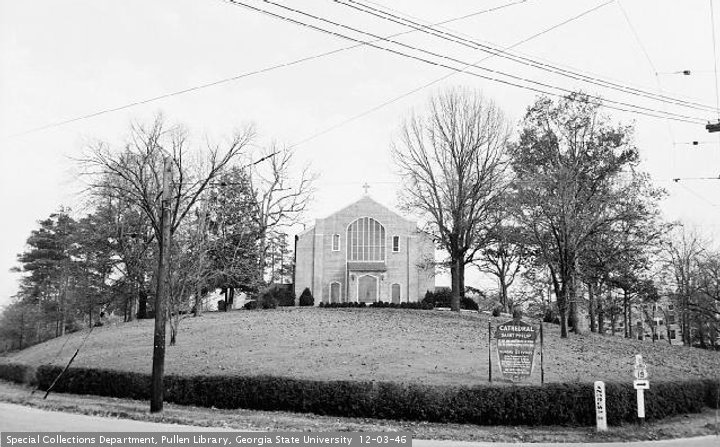
“You have invented an elixir not of memory, but of reminding; and you offer your pupils the appearance of wisdom, not true wisdom, for they will read many things without instruction and will therefore seem to know many things, when they are for the most part ignorant and hard to get along with, since they are not wise, but only appear wise.” . In todays culture, the display of apparent wisdom is more impressive than actual knowledge. These things too shall pass away. Pictures are from Special Collections and Archives, Georgia State University Library. This is a repost.





 Chamblee54
leave a comment