From The Heart Of Atlanta To Tyler Perry


There is an old saying, what goes around comes around. When you sow the wind, you reap the whirlwind. The thing is, it is not always obvious what is payback for what. Moreton Rolleston Jr. filed a lawsuit to have the Civil Rights Act declared unconstitutional.Forty years later, a Black man, built a mansion on the site of Mr. Rolleston’s home. The fact that this Black man earned his money by playing Black women, in movies, is icing on the cake.
When the Civil Rights Act was passed in 1964, Moreton Rolleston, Jr., owned the Heart of Atlanta Motel. He filed a lawsuit, trying to have the law overturned by the courts. The case went to the Supreme Court, which upheld the law.
The legal justification of the Civil Rights Act was a law giving the U.S. Government the right to regulate interstate commerce. Mr. Rolleston argued that this use of the commerce clause went too far. “‘The argument that this law was passed to relieve a burden on interstate commerce is so much hogwash. It was intended to regulate the acts of individuals.’ If the commerce clause can be stretched that far, declared Rolleston, ‘Congress can regulate every facet of life.'” (PG supports all citizens having the right to housing, education, etc. He also wonders if we are on a slippery slope. The government keeps taking more and more freedom away.)
In 1969, Tyler Perry was born. From humble beginnings, he has been incredibly successful. His signature character is a woman named Madea.
In 1985, Mr. Rolleston was involved in a real estate deal that went sour. He was sued. In 2003, Mr. Rolleston was evicted from his Buckhead home. (Go here for details). In 2005, the propery was sold to Tyler Perry. When the source story was written in 2007, Mr. Rolleston had sued Mr. Perry several times, claiming that it was still his property.
Apparently, Mr. Rolleston , who was disbarred in 2007, is still alive.
HT Millard Fillmore’s Bathtub.. Pictures from The Library of Congress. This is a repost.
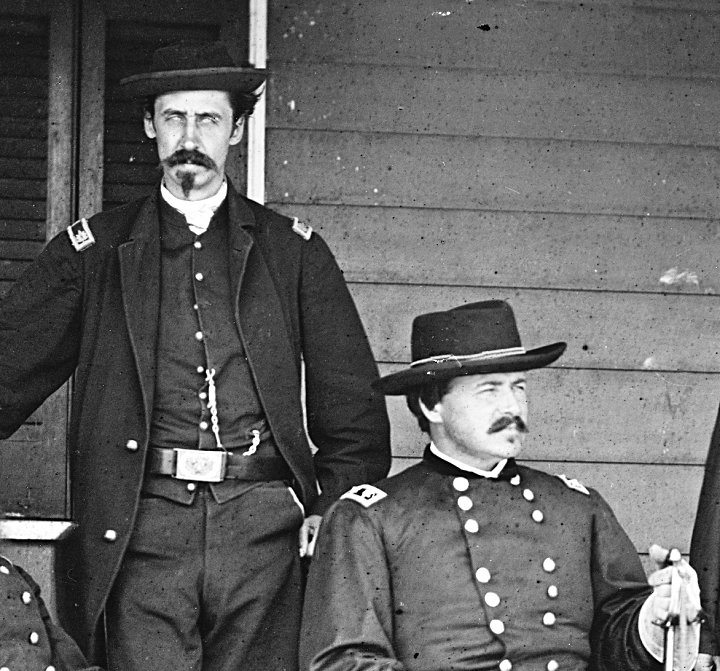
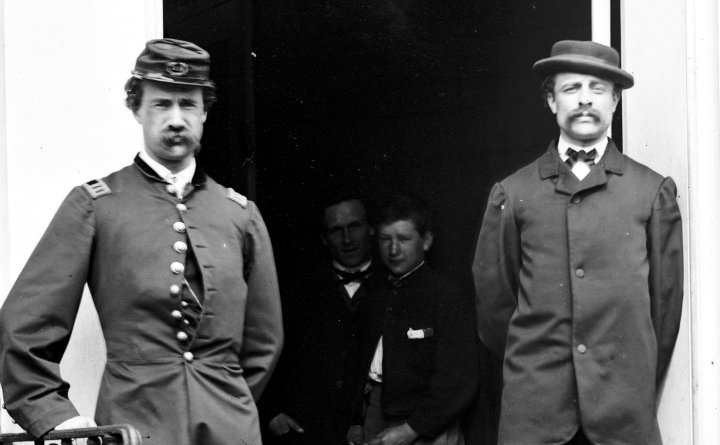


Jesus Leave Me Alone




Jesus, leave me alone.
You poison faith with the plan for life after death.
Stop your bleeding. Get along with your neighbor.
Tell people to find another way to G-d.
You are obsolete.



Did Jesus Go To Hell?
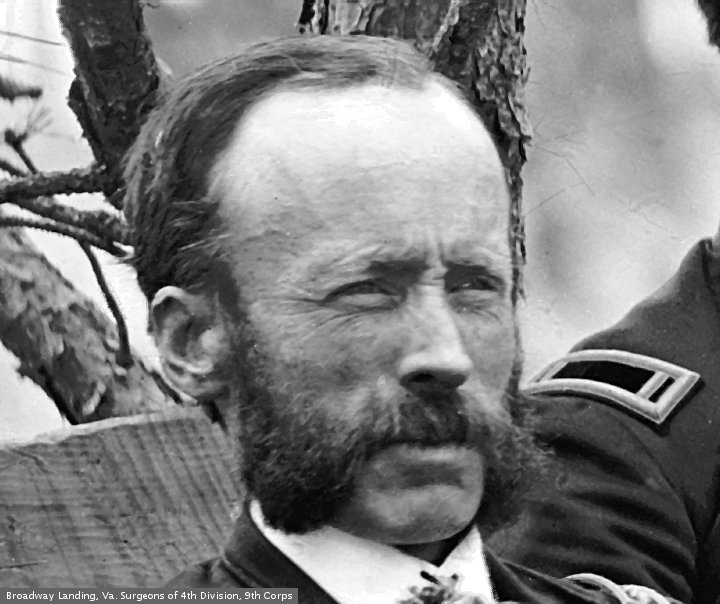



This is a repost. In 2012, Tim Tebow is playing for the New York Jets. They have a losing record, and will watch the postseason on TV. Pictures today are from The Library of Congress.
A blogger named Older eyes put up a post about Tim Tebow and Bill Maher, who recently had a twitterspat. It went like this. “Maher Tweeted: Wow, Jesus just f—- TimTebow bad! And on Xmas Eve! Somewhere in hell Satan is tebowing, saying to Hitler, “Hey, Buffalo’s killing them” … To Tebow’s credit, he ignored Maher, Tweeting only, Tough game today but what’s most important is being able to celebrate the birth of our Savior, Jesus Christ. Merry Christmas everyone GB² (according to Tebow’s website GB²=God Bless+Go Broncos).
PG … who forgives Denver for Super Bowl XXXIII … felt obliged to pile on. He left this comment: 1-In all probability, Jesus was not born on December 25. The celebration of his birth was grafted onto a pagan festival day. 2- It sure was fun watching Buffalo run those interceptions back for touchdowns. 3- There is no good choice here. In both cases, you have the option of turning the TV off, or switching away from twitter. If you are in enforced contact ( a work or family situation) with someone who will not shut up, who repeats his obnoxious opinions with disregard for his neighbor, then you do not have this option. 4- Jesus said, when Satan was through talking to Hitler, please leave me out of this.
This got PG to thinking. If you saw a mushroom cloud rising over Peachtree Industrial Boulevard, that might have been the result. Did Jesus go to hell?
The party line is that Jesus paid the price for the sins of mankind. Is forty four hours in a cave enough? When you consider the billions of lies, murders, and fornications, you have to wonder. Maybe Jesus is taking the place of man in hell, paying the price for your sins.


Remington SL3




In 1978, Tom Robbins had a problem. Another Roadside Attraction and Even Cowgirls Get the Blues had gone commercial, and the unwashed public demanded product. It is not known what was on his mind, but there was a need for another Tom Robbins novel. The result, Still Life With Woodpecker, has a gee whiz typewriter as a character.
The device is the Remington SL3. It is possibly the love child of the Remington Rand. That name was borrowed by Alisa Zinov’yevna Rosenbaum, more profitably known as Ayn Rand. This is the last gasp of the typewriter, before the species qwertioped into word processed obsolescence. Today, writing devices are a computer staple. Gimmicks like cut/copy/paste are assumed to have been around forever, but were startling innovations when SLWW was being whipped into shape.
So Tom claims that the Remington SL3 was the progenitor, or maybe the janitor, of SLWW. A blogspot writer, there is a girl in new york city, says I WANT A REMINGTON SL3. …aka, the greatest prologue ever, written by Tom Robbins for “Still Life with Woodpecker”: “If this typewriter can’t do it, then fuck it, it can’t be done.
This is the all-new Remington SL3, the machine that answers the question, “Which is harder, trying to read The Brothers Karamazov while listening to Stevie Wonder records or hunting easter eggs on a typewriter keyboard?” This is the cherry on top of the cowgirl. The burger served by the genius waitress. The Empress card.
I sense that the novel of my dreams is in the Remington SL3–although it writes much faster than I can spell. And no matter that my typing finger was pinched last week by a giant land crab. This baby speaks electric Shakespeare at the slightest provocation and will rap out a page and a half if you just look at it hard.” Seriously. Early Christmas present? Marriage proposal? Just wanna get me on your good side in case you ever need me down the line? Remington SL3. Circa 1980.
PG is getting the unsettling thought that the Remington SL3 is the product of an overactive imagination. There is a tumblrblog, a youtube channel, and a soundcloud song all named Remington SL3. The name is not taken yet for twitter, although that can change at any instant. Did REM write a song, “ington SL3”? Is this a carrot topped put on?
This was written like David Foster Wallace. Pictures are from The Library of Congress.



War Between The States



It is a truism that history is written by the winner of the war. This seems to apply to the naming of the conflict. There was a horrific armed struggle in North America between 1861 and 1865. The usual name is Civil War. To many in the South, it is the War Between The States. In PG’s humble opinion, WBTS is a better name.
In fifth grade, PG had to write an essay about the Battle of Atlanta. The essay was a device for teaching grammar, utilized by the english teacher, Miss MacKenzie. The contest was sponsored by the Daughters of the Confederacy . The expression “Civil War” was not permitted. The proper name for this conflict was War Between the States.
In many ways, this conflict started as soon as the United States became independent from Great Britain. The South was an agrarian society, with slaves to work the fields. The north was becoming an industrial society, with a need for an independent work force. The north wanted high tariffs to protect her industries, while the south wanted to sell it’s cotton to Europe. There were plenty of ways for this conflict to manifest.
Slavery was an important factor. The south wanted to keep “the peculiar institution” intact, while many in the north were horrified. There were numerous compromises over the years, as Congress struggled to keep the Union intact. This ties in with a central dilemma of the american experience … how much power to give to the states, and how much power to give to the federal government.
The phrase civil war is defined as “A war fought between factions of the inhabitants of a single country, or the citizens of a single republic”. By the time the shooting started, the southern states had left the union. They formed a confederacy of independent states, rather than one monolithic union. It was, indeed, a war between the states.
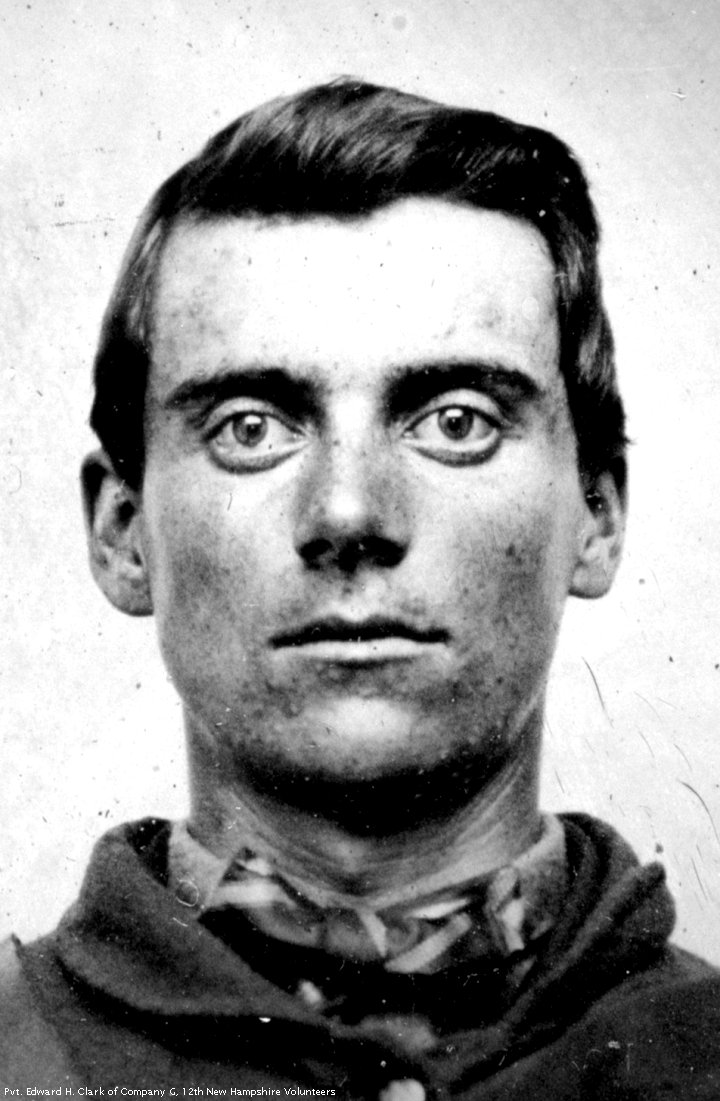
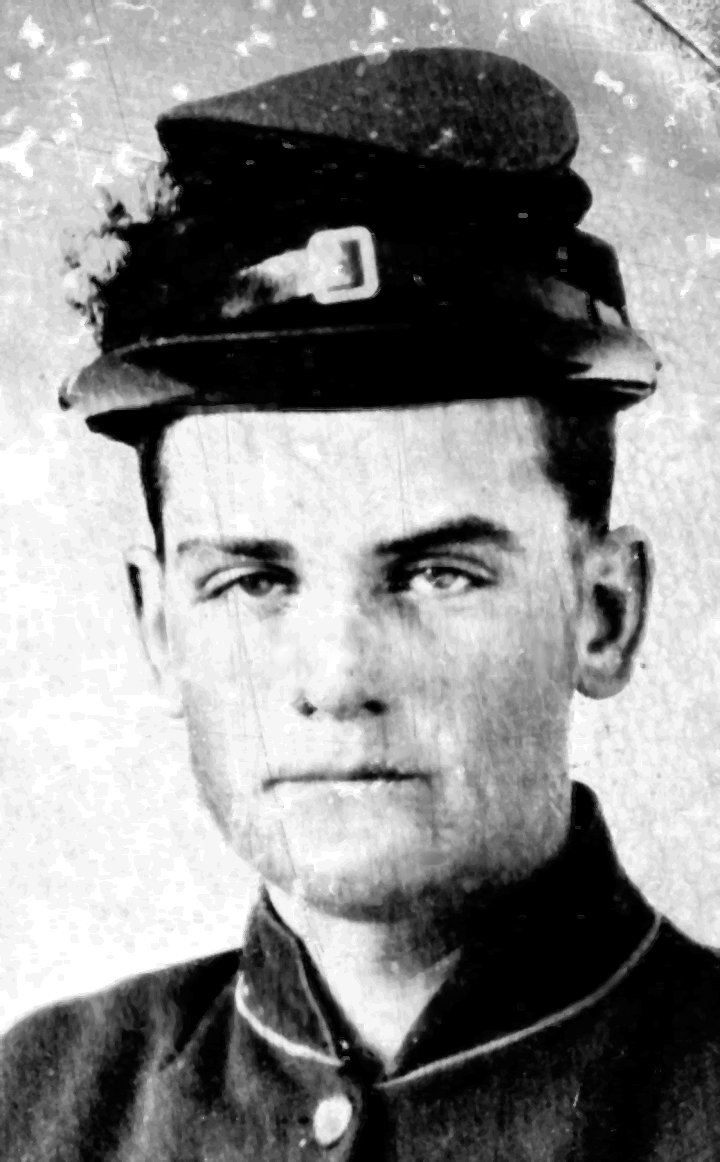
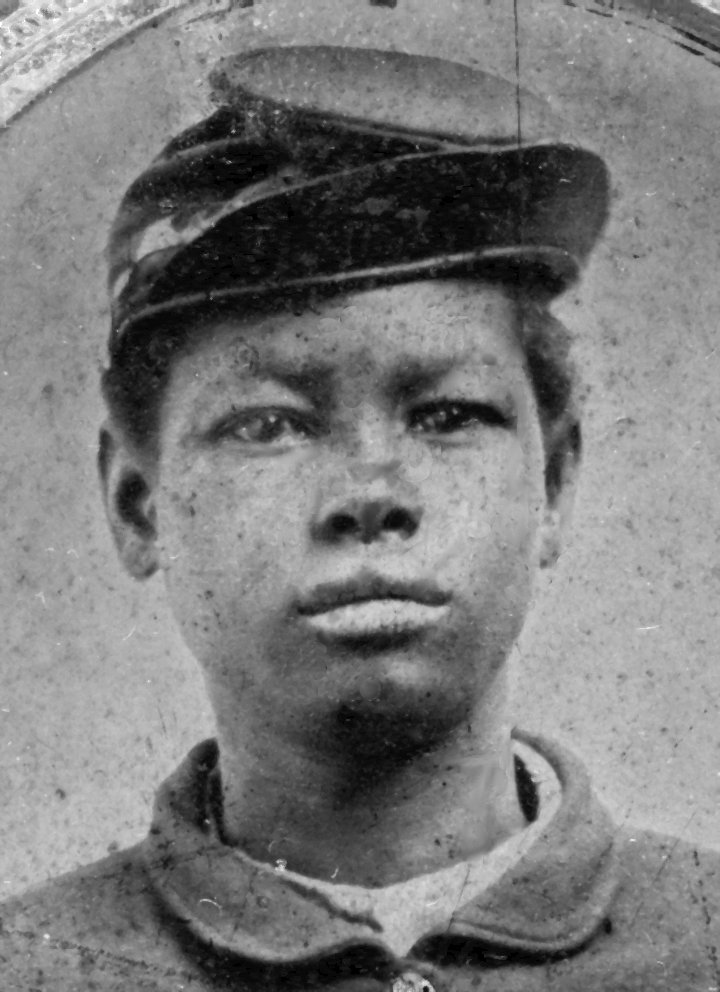
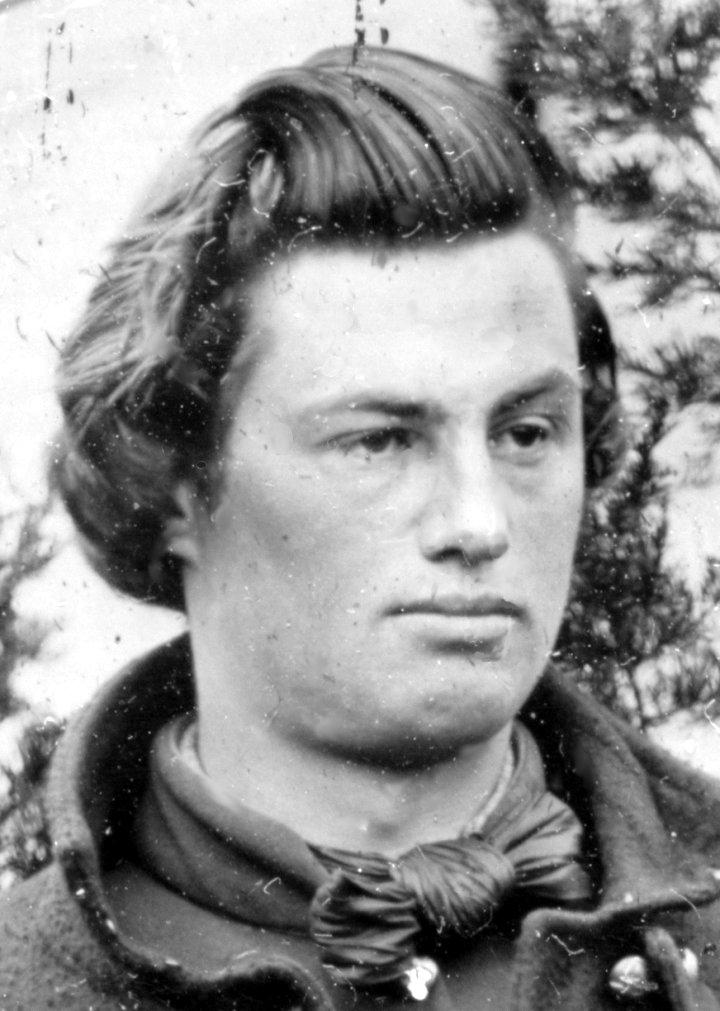
Pictures, of Union soldiers, are from The Library of Congress. This repost is written like H. P. Lovecraft.

The Value Of Sheep




There is a video out now, where the speaker says “It is better to live one day as a lion than 100 years as a sheep.” This man must not like to wear wool.
A lion is a predator. It lurks in the jungle, and kills to eat. It does not produce anything except it’s own survival. A sheep lives in a community. Every once in a while, it gets the coat clipped, and grows another one. The fur goes to make woolen clothing, which keeps people warm in winter.
Maybe if you want to be an egophile, living on the destruction of your neighbor, then you might be better off as a lion. If you want to contribute something of value to others, it is better to be a sheep.
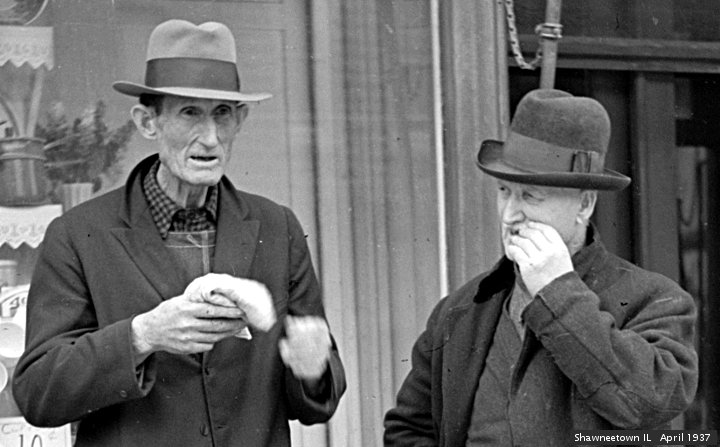
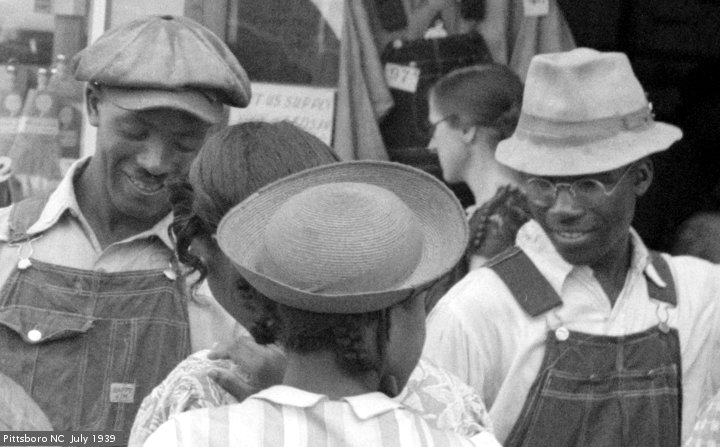
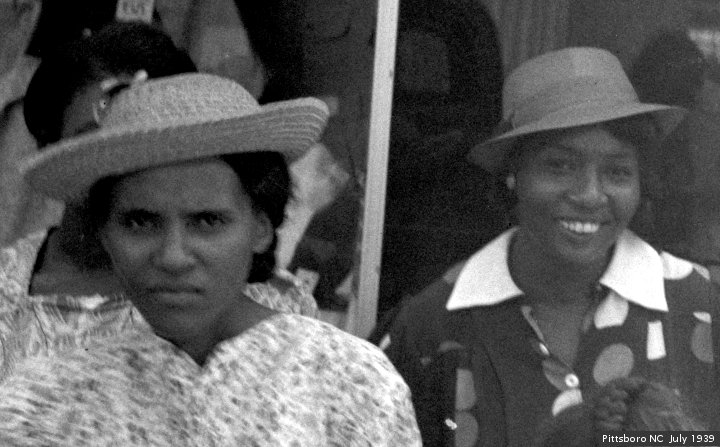
Pictures are from The Library of Congress. When these pictures were made, there was a law about copyrights. If you worked for the federal government as a photographer, the pictures were in the public domain. You could not copyright these images.


Flannery O’Connor


With one day before it was due, PG finished reading Flannery: A Life of Flannery O’Connor , by Brad Gooch. The author is a professor of English at William Patterson University in New Jersey. He spares no citations, to show where he gets his information.
Chamblee54 has written before about Miss O’Connor , and repeated the post a year later. There is a radio broadcast of a Flannery O’Connor lecture. (The Georgia accent of Miss O’Connor is much commented on in the book. To PG, it is just another lady speaking.)
Mary Flannery O’Connor was born March 25, 1925 in Savannah GA. The local legend is that she was conceived in the shadow of St. John the Baptist Cathedral, a massive facility on Lafayette Square. Her family did leave nearby, and her first school was just a few steps away. This is also a metaphor for the role of the Catholic Church in her life. Mary Flannery was intensely Catholic, and immersed in the scholarship of the church. This learning was a large part of her life. How she got from daily mass, to writing stories about Southern Grotesque, is one mystery at the heart of Flannery O’Connor.
Ed O’Connor doted on his daughter, but had to take a job in Atlanta to earn a living. His wife Regina and daughter Mary Flannery moved with him, to a house behind Christ The King Cathedral. Mr. O’Connor’s health was already fading, and Mother and Daughter moved in with family in Milledgeville. Ed O’Connor died, of Lupus Erythematosus, on February 1, 1941.
Mary Flannery went to college in Milledgeville, and on to the Iowa Writer’s Workshop. She dealt with cold weather, went to Mass every day, and wrote. She was invited to live at an artists colony called Yaddo, in upstate New York. She lived for a while with Robert and Sally Fitzgerald in Connecticut, all while working on her first novel, “Wise Blood”. In 1950, she was going home to Milledgeville for Christmas, and had been feeling poorly. She went to the hometown doctor, who thought at first that the problem was rheumatoid arthritis. The illness of Flannery O’Connor was Lupus Erythematosus.
Miss O’Connor spent much of that winter in hospitals, until drugs were found that could help. She moved, with her mother, to a family farm outside Milledgeville, which she renamed Andalusia. She entered a phase of her life, with the Lupus in relative remission, and the drugs firing her creative fires, where she wrote the short stories that made her famous.
Another thing happened when she was recuperating. Flannery was reading the Florida “Market Bulletin”, and saw an ad for “peafowl”, at sixty five dollars a pair. She ordered a pair, and they soon arrived via Railway Express. This was the start of the peacocks at Andalusia, a part of the legend.
During this period of farm life and writing, Flannery had several friends and correspondents. There was the “Bible Salesmen”, Erik Langkjaer, who was probably the closest thing Flannery had to a boyfriend. Another was Betty Hester, who exchanged hundreds of letters with Miss O’Connor. This took place under the stern eye of Regina O’Connor, the no nonsense mother-caregiver of Flannery. (Mr. Gooch says that Betty Hester committed suicide in 1998. That would be consistent with PG stumbling onto an estate sale of Miss Hester in that time frame.)
The book of short stories came out, and Flannery O’Connor became famous. She was also dependent on crutches, and living with a stern mother. There were lectures out of town, and a few diverse personalities who became her friend. She went to Mass every day, and collected books by Catholic scholars. Flannery was excited by the changes in the church started by Pope John XXIII, and in some ways could be considered a liberal. (She supported Civil Rights, in severe contrast to her mother.)
In 1958, Flannery O’Connor went to Europe, including a trip to the Springs at Lourdes. Her cousin Katie Semmes (the daughter of Captain John Flannery, CSA) pushed Flannery hard to go to the springs, to see if it would help the Lupus. Flannery was reluctant…” I am one of those people who could die for his religion sooner than take a bath for it“. When the day for the visit came, Flannery took a token dip in the waters. Her condition did improve, briefly. (It is worth speculating here about the nature of Flannery’s belief, which was apparently more intellectual than emotional. Could it be that, if she was more persuaded by the mystical, emotional side of the church, and taken the healing waters more seriously, that she might have been cured?)
At some point in this story, her second novel came out, and the illness blossomed. Much of 1964 was spent in hospitals, and she got worse and worse. On August 3, 1964, Mary Flannery O’Connor died,




PG remembers the first time the name Flannery O’Connor sank in. He was visiting some friends, in a little house across from the federal prison.
Rick(?) was the buddy of a character known as Harry Bowers. PG was never sure what Harry’s real name was. One night, Rick was talking about Southern Gothic writers, and he said that Flannery O’Connor was just plain weird ” Who else would have a bible salesman show up at a farm, take the girl up into a hayloft, unscrew her wooden leg and leave her there? Weird”
Flannery O’Connor was recently the subject of a biography written by Brad Gooch. The book is getting a bit of publicity. Apparently, the Milledgeville resident was a piece of work.
PG read some reviews of this biography, and found a collection of short stories at the library. The book included ” Good Country People”, the tale about the bible salesman. Apparently, this story was inspired by a real life incident. (Miss O’Connor had lupus the last fifteen years of her life. She used crutches.) And yes, it is weird. Not like hollywood , but in the way of rural, post world war two Georgia.
Some of the reviews try to deal with her attitudes about Black people. On a certain level, she is a racist. She uses the n word freely, and her black characters are not inspiring people. The thing is, the white characters are hardly any better, and in some cases much worse.
The stories are well crafted, with vivid descriptions of people and places. The reader floats along with the flow of the story, until he realizes that Grandma has made a mistake on a road trip. The house she got her son to look for is in Tennessee, not Georgia. She makes him drive the family car into a ditch. Some drifting killers come by. Grandma asks one if he prays, while his partner is shooting her grandchildren. Weird.
In another story, a drifter happens upon a pair of women in the country. The daughter is thirty years old, is deaf, and has never spoken a word. The drifter teaches her to say bird and sugarpie. The mother gives him fifteen dollars for a honeymoon, if he will marry her. He takes the fifteen dollars and leaves her asleep in a roadside diner.
There was a yard sale one Saturday afternoon. It was in a house off Lavista Road, between Briarcliff and Cheshire Bridge. The house had apparently not been painted in the last forty years. Thousands and thousands of paperback books were on the shelves. The lady taking the money said that the lady who lived there was the friend, and correspondent of, the “Milledgeville writer” Flannery O’Connor. This is apparently Betty Hester, who is mentioned in many of the biography reviews.
PG told the estate sale lady that she should be careful how she said that. There used to be a large mental hospital in Milledgeville, and the name is synonymous in Georgia with mental illness. The estate sale lady had never heard that.
This double repost was written like James Joyce.





Wonder
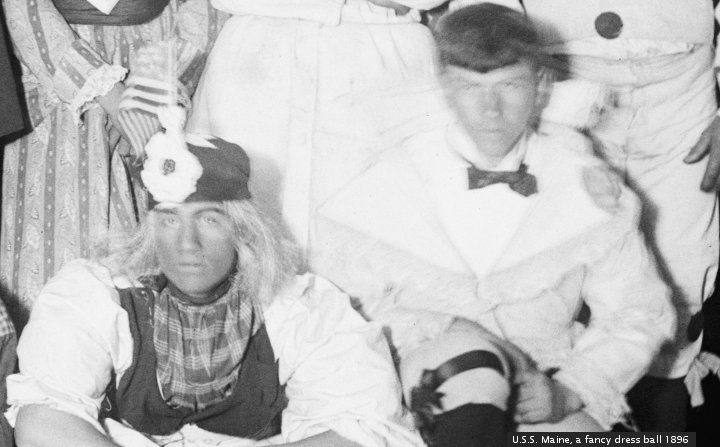
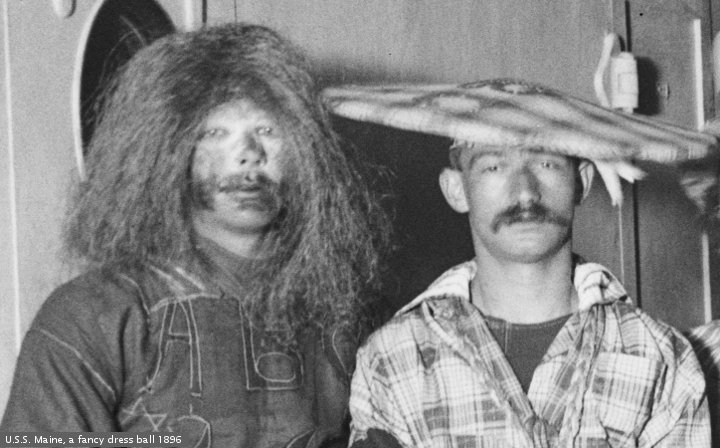

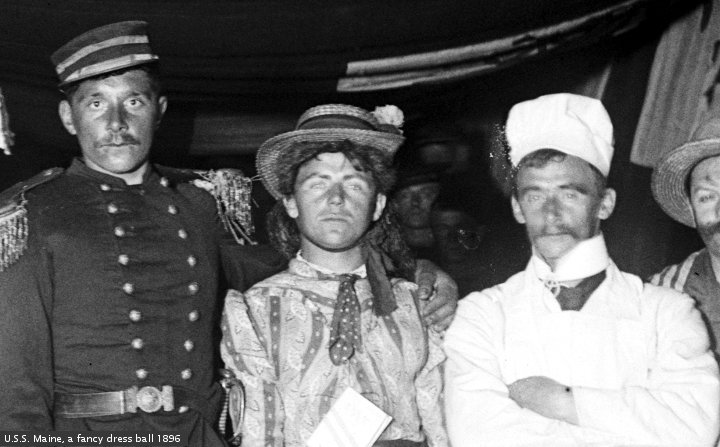

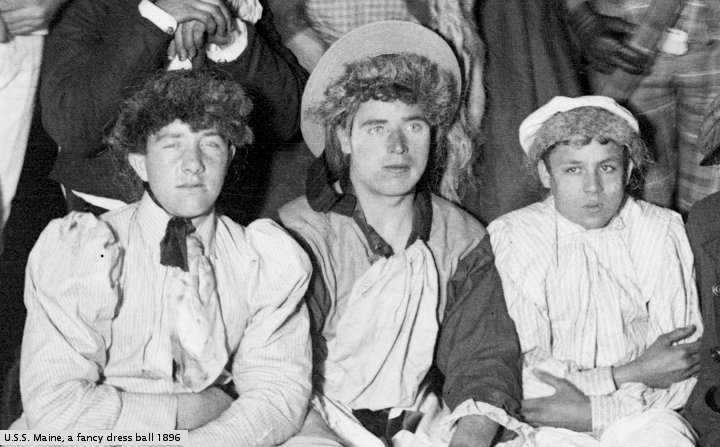
Wonder is a great word, one vowel away from wander. The prescribed meaning for this feature is “rapt attention or astonishment at something awesomely mysterious or new to one’s experience.” The word awesome is horribly over used. It’s popularity is a mystery, but there is no wonder there.
Today is December 25, which is celebrated as a holiday in America. It is celebrated on a specific day, like July 4, and not relegated to a convenient monday. It is odd that we are so specific about these holidays being featured on a specific day. The vote to declare independence was taken July 2. Jesus was probably born in Spring. Easter is a different day every year. Customs and traditions are not new to one’s experience. The definition of wonder tagged 3b is “a feeling of doubt or uncertainty”. Maybe this is where awesomely is used.
There has been wonder in PG’s life today. It was a no drive day, with a steady drizzle keeping the bicycle put away. PG was working on a picture, and listening to a short story. A man had the memory of William Shakespeare implanted in his mind. It was something that PG had never considered before, and probably would not want. In the story, the recipient of this memory freaked out, and gave it to someone else. The story expanded PG’s awareness of what was possible.There was wonder in that realization.
Later in the day, PG was editing pictures from The Library of Congress. Some of these pictures accompany this feature. The Windows Media Player facilitated a 1979 show by Tom Waits. There were stories told, and poems but to music. The man can do things with the English language that PG can only dream of. There was wonder at how this could be.


Bah Humbug


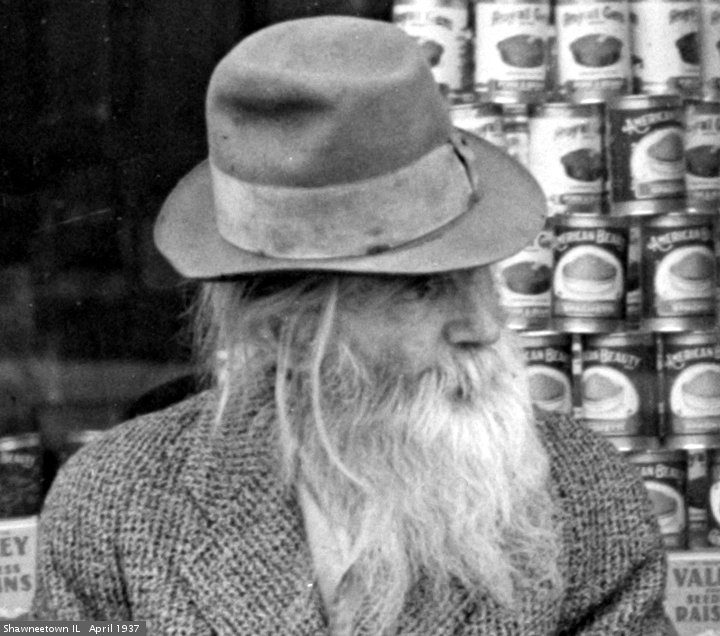
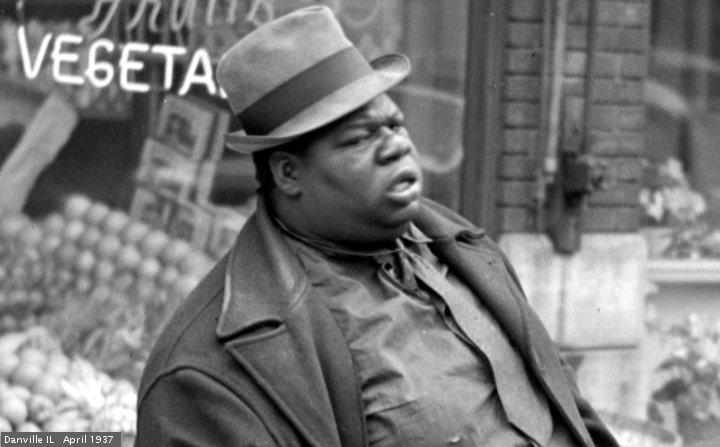


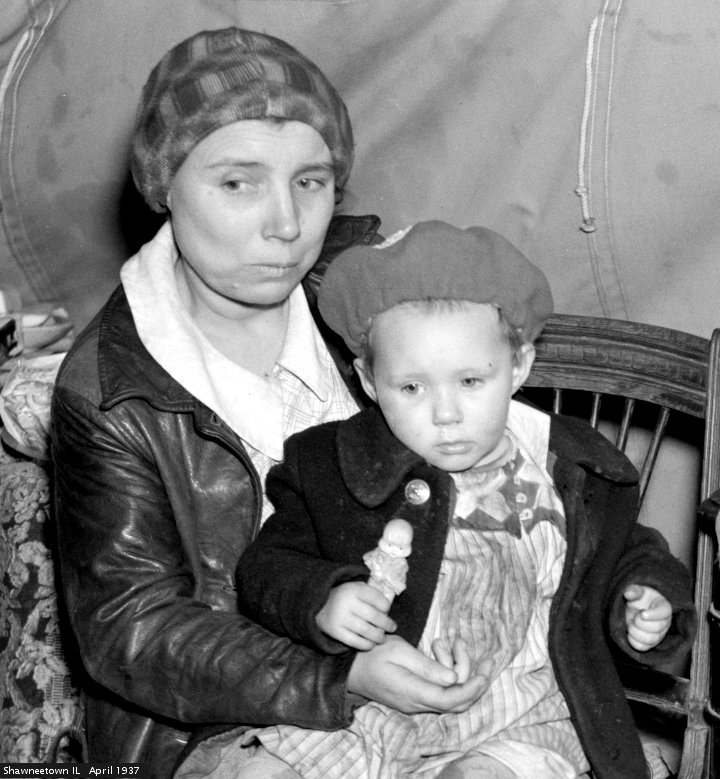
The door of Scrooge’s counting-house was open that he might keep his eye upon his clerk, who in a dismal little cell beyond, a sort of tank, was copying letters. Scrooge had a very small fire, but the clerk’s fire was so very much smaller that it looked like one coal. But he couldn’t replenish it, for Scrooge kept the coal-box in his own room; and so surely as the clerk came in with the shovel, the master predicted that it would be necessary for them to part. Wherefore the clerk put on his white comforter, and tried to warm himself at the candle; in which effort, not being a man of a strong imagination, he failed.
“A merry Christmas, uncle! God save you!” cried a cheerful voice. It was the voice of Scrooge’s nephew, who came upon him so quickly that this was the first intimation he had of his approach.
“Bah!” said Scrooge, “Humbug!”
He had so heated himself with rapid walking in the fog and frost, this nephew of Scrooge’s, that he was all in a glow; his face was ruddy and handsome; his eyes sparkled, and his breath smoked again.
“Christmas a humbug, uncle!” said Scrooge’s nephew. “You don’t mean that, I am sure?”
“I do,” said Scrooge. “Merry Christmas! What right have you to be merry? What reason have you to be merry? You’re poor enough.”
“Come, then,” returned the nephew gaily. “What right have you to be dismal? What reason have you to be morose? You’re rich enough.”
Scrooge having no better answer ready on the spur of the moment, said, “Bah!” again; and followed it up with “Humbug.”
“Don’t be cross, uncle!” said the nephew.
“What else can I be,” returned the uncle, “when I live in such a world of fools as this? Merry Christmas! Out upon merry Christmas! What’s Christmas time to you but a time for paying bills without money; a time for finding yourself a year older, but not an hour richer; a time for balancing your books and having every item in ’em through a round dozen of months presented dead against you? If I could work my will,” said Scrooge indignantly, “every idiot who goes about with ‘Merry Christmas’ on his lips, should be boiled with his own pudding, and buried with a stake of holly through his heart. He should!”
“Uncle!” pleaded the nephew.
“Nephew!” returned the uncle sternly, “keep Christmas in your own way, and let me keep it in mine.”
“Keep it!” repeated Scrooge’s nephew. “But you don’t keep it.”
“Let me leave it alone, then,” said Scrooge. “Much good may it do you! Much good it has ever done you!”
“A Christmas Carol” was written by Charles Dickens. Text is supplied by Project Gutenberg.
Pictures are from The Library of Congress.

Fairies Dancing On The Lawn

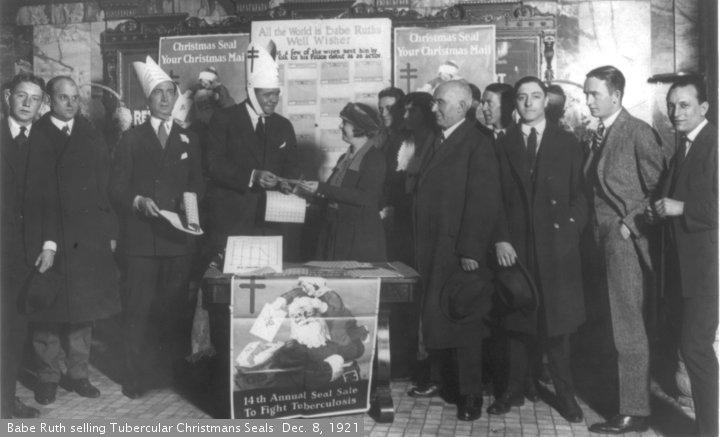

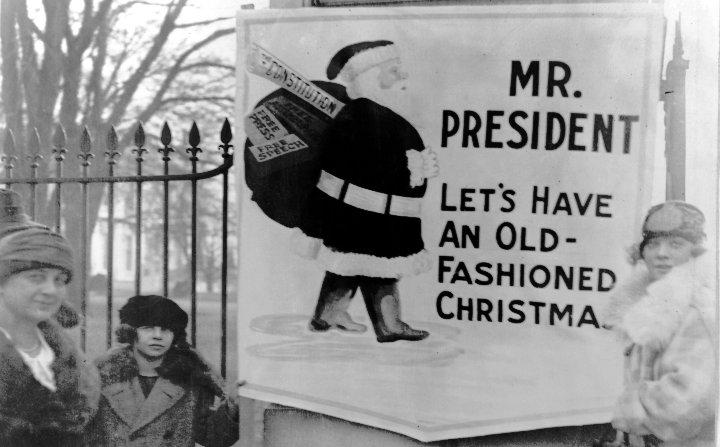

The text below is famous. HT to Millard Fillmore’s Bathtub. Pictures from The Library of Congress . This repost is written like Vladimir Nabokov.
DEAR EDITOR: I am 8 years old. Some of my little friends say there is no Santa Claus. Papa says, ‘If you see it in THE SUN it’s so.’ Please tell me the truth; is there a Santa Claus? VIRGINIA O’HANLON. 115 WEST NINETY-FIFTH STREET
VIRGINIA, your little friends are wrong. They have been affected by the skepticism of a skeptical age. They do not believe except [what] they see. They think that nothing can be which is not comprehensible by their little minds. All minds, Virginia, whether they be men’s or children’s, are little. In this great universe of ours man is a mere insect, an ant, in his intellect, as compared with the boundless world about him, as measured by the intelligence capable of grasping the whole of truth and knowledge.
Yes, VIRGINIA, there is a Santa Claus. He exists as certainly as love and generosity and devotion exist, and you know that they abound and give to your life its highest beauty and joy. Alas! how dreary would be the world if there were no Santa Claus. It would be as dreary as if there were no VIRGINIAS. There would be no childlike faith then, no poetry, no romance to make tolerable this existence. We should have no enjoyment, except in sense and sight. The eternal light with which childhood fills the world would be extinguished.
Not believe in Santa Claus! You might as well not believe in fairies! You might get your papa to hire men to watch in all the chimneys on Christmas Eve to catch Santa Claus, but even if they did not see Santa Claus coming down, what would that prove? Nobody sees Santa Claus, but that is no sign that there is no Santa Claus. The most real things in the world are those that neither children nor men can see. Did you ever see fairies dancing on the lawn? Of course not, but that’s no proof that they are not there. Nobody can conceive or imagine all the wonders there are unseen and unseeable in the world.
You may tear apart the baby’s rattle and see what makes the noise inside, but there is a veil covering the unseen world which not the strongest man, nor even the united strength of all the strongest men that ever lived, could tear apart. Only faith, fancy, poetry, love, romance, can push aside that curtain and view and picture the supernal beauty and glory beyond. Is it all real? Ah, VIRGINIA, in all this world there is nothing else real and abiding.
No Santa Claus! Thank God! he lives, and he lives forever. A thousand years from now, Virginia, nay, ten times ten thousand years from now, he will continue to make glad the heart of childhood.



Hollywood Babylon



PG recently read Hollywood Babylon: The Legendary Underground Classic of Hollywood’s Darkest and Best Kept Secrets. It was the second time read the book. A yard sale last summer had a deluxe edition on sale. The man asked PG how much he thought it should cost. “If you are going by the amount of truth in it, the price should be a nickel.” In a fit of synchronicity, PG was on his way to a party, “A Midsummer Night’s Dream”.
HB is highly entertaining, despite those troubling concerns about the facts. The cover has an NSFW picture of Jayne Mansfield, where the top of her dress serves as a display case for her boobies. HB goes all TMI about the death of Miss Mansfield, but it is a model of good taste compared to Find a death. The bottom line is that Jayne Mansfield was not decapitated in that auto accident.
While asking Mr. Google whose jugs adorned the cover of HB, this article came up: Satan and Mummified Psychics: A Kenneth Anger Marathon at Sweat Records Tonight. Someone with too much free time was promoting an evening of the short films of Kenneth Anger. Mr. Anger, born Kenneth Wilbur Anglemyer, has the copyright credit for HB. PG suspects that other scribes helped out. In some parts, the prose is purpler than in others. Of course, when writing about Hollywood, it is fitting that a committee produced a book filled with lies.
The Miami story disputes the notion that Kenneth Anger was a child star. “Almost exactly 83 years, 7 months, and 21 days ago, a little boy named Anger was born in Santa Monica, California. (Actually, the kid’s birth name was Kenneth Wilbur Anglemyer.) He attended a school for child stars, did dance steps with Shirley Temple, and minced about as the changeling prince in the 1935 Warner Bros. movie version of A Midsummer Night’s Dream. But all that might be bullshit. There’s not much documentation of Anger’s alleged child star days. The one legit source that seems to corroborate the claim is Mickey Rooney. He played Puck in A Midsummer Night’s Dream and he says Anger’s mommy dressed him up as the girl named “Sheila Brown” who officially played the Changeling Prince. Makes sense, right?”
A website called Vice.com managed to snag an interview with Kenneth Anger. The introduction has this story. ” He went on to recount the time Kenneth showed up at fellow director and mutual friend Curtis Harrington’s funeral at the Hollywood Forever Cemetery wearing a black raincoat, eyeliner, and fingernail polish. His shirt was opened to his navel, revealing the giant lucifer tattoo emblazoned across his chest, and he was accompanied by a boyish photographer who took pictures as Kenneth kissed Curtis’s corpse before its cremation. Before he was ejected from the premises, Kenneth handed John a small plastic vampire figurine that contained mint candies inside, clarifying its original use by saying, “It’s actually a dispenser for tickle-ribbed rubbers.”
The interview had a few high moments. VICE But it did attract the attention of sexologist Alfred Kinsey, whom you befriended. Did he encourage your work?
KA Yes. Kinsey was doing interviews for his book Sexual Behavior in the Human Male, and I don’t know… What if you are not human? The title is kind of awkward, but that was what he called his research book. He was basically a biologist, an expert on wasps, of all things. When he came to LA to do interviews, I met him. He came to see Fireworks at the Coronet Theatre at a midnight showing, and he wanted to buy a print for his collection at Indiana University. I agreed, and that was the first copy I ever sold. But I remained good friends with him until the end of his life.
VICE Do you have a favorite star from this era? Someone whom you continue to research exhaustively?
KA I love the career of Rudolph Valentino, who died at 31 and had an amazing trajectory in that short time. His life continues to fascinate me.
VICE Do you continue to find new information?
KA I have plenty of information on him. There are facts, and then there is gossip. I go for the facts, but I will listen to the gossip. [smiles]
VICE Your willingness to sift through the gossip was a point of contention with some people when Hollywood Babylon was published, especially after its second printing. Some have accused you of muckraking, and others have even gone further and claim that it contains factual inaccuracies.
KA Well, I’ve never been sued…
VICE In other words, your detractors can’t prove it.
KA No one ever came up to me and said, “Well, you made the whole thing up.” Because I didn’t.
HB is a fun book, with great pictures. The stories are mostly lies, but this is Hollywood we are talking about. With its continued popularity, there will be plenty of copies at yard sales and used book stores.
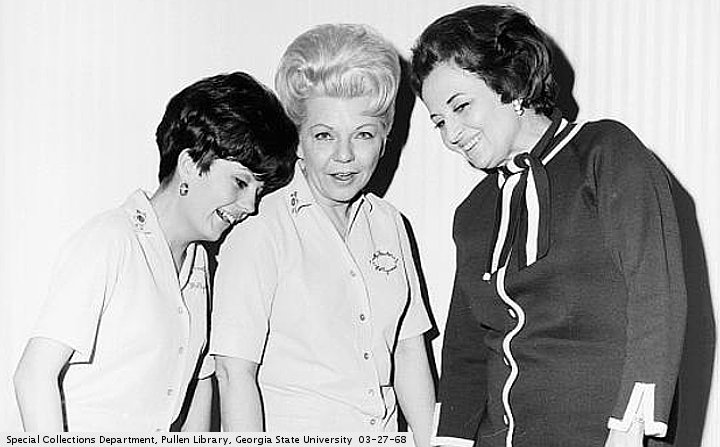
Pictures are from ” The Special Collections and Archives,Georgia State University Library”.
This feature presentation was written like Kurt Vonnegut.


Santa Claus Is Missing




The following story, “A Kidnapped Santa Claus”, was written by L. Frank Baum.
The text today is compliments of Project Gutenberg.This is a repost.
Santa Claus lives in the Laughing Valley, where stands the big, rambling castle in which his toys are manufactured. His workmen, selected from the ryls, knooks, pixies and fairies, live with him, and every one is as busy as can be from one year’s end to another.
It is called the Laughing Valley because everything there is happy and gay. The brook chuckles to itself as it leaps rollicking between its green banks; the wind whistles merrily in the trees; the sunbeams dance lightly over the soft grass, and the violets and wild flowers look smilingly up from their green nests. To laugh one needs to be happy; to be happy one needs to be content. And throughout the Laughing Valley of Santa Claus contentment reigns supreme.
On one side is the mighty Forest of Burzee. At the other side stands the huge mountain that contains the Caves of the Daemons. And between them the Valley lies smiling and peaceful.
One would thing that our good old Santa Claus, who devotes his days to making children happy, would have no enemies on all the earth; and, as a matter of fact, for a long period of time he encountered nothing but love wherever he might go.
But the Daemons who live in the mountain caves grew to hate Santa Claus very much, and all for the simple reason that he made children happy.
The Caves of the Daemons are five in number. A broad pathway leads up to the first cave, which is a finely arched cavern at the foot of the mountain, the entrance being beautifully carved and decorated. In it resides the Daemon of Selfishness. Back of this is another cavern inhabited by the Daemon of Envy. The cave of the Daemon of Hatred is next in order, and through this one passes to the home of the Daemon of Malice—situated in a dark and fearful cave in the very heart of the mountain. I do not know what lies beyond this. Some say there are terrible pitfalls leading to death and destruction, and this may very well be true. However, from each one of the four caves mentioned there is a small, narrow tunnel leading to the fifth cave—a cozy little room occupied by the Daemon of Repentance. And as the rocky floors of these passages are well worn by the track of passing feet, I judge that many wanderers in the Caves of the Daemons have escaped through the tunnels to the abode of the Daemon of Repentance, who is said to be a pleasant sort of fellow who gladly opens for one a little door admitting you into fresh air and sunshine again.
Well, these Daemons of the Caves, thinking they had great cause to dislike old Santa Claus, held a meeting one day to discuss the matter.
“I’m really getting lonesome,” said the Daemon of Selfishness. “For Santa Claus distributes so many pretty Christmas gifts to all the children that they become happy and generous, through his example, and keep away from my cave.”
“I’m having the same trouble,” rejoined the Daemon of Envy. “The little ones seem quite content with Santa Claus, and there are few, indeed, that I can coax to become envious.”
“And that makes it bad for me!” declared the Daemon of Hatred. “For if no children pass through the Caves of Selfishness and Envy, none can get to MY cavern.”
“Or to mine,” added the Daemon of Malice.
“For my part,” said the Daemon of Repentance, “it is easily seen that if children do not visit your caves they have no need to visit mine; so that I am quite as neglected as you are.”
“And all because of this person they call Santa Claus!” exclaimed the Daemon of Envy. “He is simply ruining our business, and something must be done at once.”
To this they readily agreed; but what to do was another and more difficult matter to settle. They knew that Santa Claus worked all through the year at his castle in the Laughing Valley, preparing the gifts he was to distribute on Christmas Eve; and at first they resolved to try to tempt him into their caves, that they might lead him on to the terrible pitfalls that ended in destruction.
So the very next day, while Santa Claus was busily at work, surrounded by his little band of assistants, the Daemon of Selfishness came to him and said:
“These toys are wonderfully bright and pretty. Why do you not keep them for yourself? It’s a pity to give them to those noisy boys and fretful girls, who break and destroy them so quickly.”
“Nonsense!” cried the old graybeard, his bright eyes twinkling merrily as he turned toward the tempting Daemon. “The boys and girls are never so noisy and fretful after receiving my presents, and if I can make them happy for one day in the year I am quite content.”
So the Daemon went back to the others, who awaited him in their caves, and said:
“I have failed, for Santa Claus is not at all selfish.”
The following day the Daemon of Envy visited Santa Claus. Said he: “The toy shops are full of playthings quite as pretty as those you are making. What a shame it is that they should interfere with your business! They make toys by machinery much quicker than you can make them by hand; and they sell them for money, while you get nothing at all for your work.”
But Santa Claus refused to be envious of the toy shops.
“I can supply the little ones but once a year—on Christmas Eve,” he answered; “for the children are many, and I am but one. And as my work is one of love and kindness I would be ashamed to receive money for my little gifts. But throughout all the year the children must be amused in some way, and so the toy shops are able to bring much happiness to my little friends. I like the toy shops, and am glad to see them prosper.”
In spite of the second rebuff, the Daemon of Hatred thought he would try to influence Santa Claus. So the next day he entered the busy workshop and said:
“Good morning, Santa! I have bad news for you.”
“Then run away, like a good fellow,” answered Santa Claus. “Bad news is something that should be kept secret and never told.”
“You cannot escape this, however,” declared the Daemon; “for in the world are a good many who do not believe in Santa Claus, and these you are bound to hate bitterly, since they have so wronged you.”
“Stuff and rubbish!” cried Santa.
“And there are others who resent your making children happy and who sneer at you and call you a foolish old rattlepate! You are quite right to hate such base slanderers, and you ought to be revenged upon them for their evil words.”
“But I don’t hate ’em!” exclaimed Santa Claus positively. “Such people do me no real harm, but merely render themselves and their children unhappy. Poor things! I’d much rather help them any day than injure them.”
Indeed, the Daemons could not tempt old Santa Claus in any way. On the contrary, he was shrewd enough to see that their object in visiting him was to make mischief and trouble, and his cheery laughter disconcerted the evil ones and showed to them the folly of such an undertaking. So they abandoned honeyed words and determined to use force.
It was well known that no harm can come to Santa Claus while he is in the Laughing Valley, for the fairies, and ryls, and knooks all protect him. But on Christmas Eve he drives his reindeer out into the big world, carrying a sleighload of toys and pretty gifts to the children; and this was the time and the occasion when his enemies had the best chance to injure him. So the Daemons laid their plans and awaited the arrival of Christmas Eve.
The moon shone big and white in the sky, and the snow lay crisp and sparkling on the ground as Santa Claus cracked his whip and sped away out of the Valley into the great world beyond. The roomy sleigh was packed full with huge sacks of toys, and as the reindeer dashed onward our jolly old Santa laughed and whistled and sang for very joy. For in all his merry life this was the one day in the year when he was happiest—the day he lovingly bestowed the treasures of his workshop upon the little children.
It would be a busy night for him, he well knew. As he whistled and shouted and cracked his whip again, he reviewed in mind all the towns and cities and farmhouses where he was expected, and figured that he had just enough presents to go around and make every child happy. The reindeer knew exactly what was expected of them, and dashed along so swiftly that their feet scarcely seemed to touch the snow-covered ground.
Suddenly a strange thing happened: a rope shot through the moonlight and a big noose that was in the end of it settled over the arms and body of Santa Claus and drew tight. Before he could resist or even cry out he was jerked from the seat of the sleigh and tumbled head foremost into a snowbank, while the reindeer rushed onward with the load of toys and carried it quickly out of sight and sound.
Such a surprising experience confused old Santa for a moment, and when he had collected his senses he found that the wicked Daemons had pulled him from the snowdrift and bound him tightly with many coils of the stout rope. And then they carried the kidnapped Santa Claus away to their mountain, where they thrust the prisoner into a secret cave and chained him to the rocky wall so that he could not escape.
“Ha, ha!” laughed the Daemons, rubbing their hands together with cruel glee. “What will the children do now? How they will cry and scold and storm when they find there are no toys in their stockings and no gifts on their Christmas trees! And what a lot of punishment they will receive from their parents, and how they will flock to our Caves of Selfishness, and Envy, and Hatred, and Malice! We have done a mighty clever thing, we Daemons of the Caves!”
Now it so chanced that on this Christmas Eve the good Santa Claus had taken with him in his sleigh Nuter the Ryl, Peter the Knook, Kilter the Pixie, and a small fairy named Wisk—his four favorite assistants. These little people he had often found very useful in helping him to distribute his gifts to the children, and when their master was so suddenly dragged from the sleigh they were all snugly tucked underneath the seat, where the sharp wind could not reach them.
The tiny immortals knew nothing of the capture of Santa Claus until some time after he had disappeared. But finally they missed his cheery voice, and as their master always sang or whistled on his journeys, the silence warned them that something was wrong.
Little Wisk stuck out his head from underneath the seat and found Santa Claus gone and no one to direct the flight of the reindeer.
“Whoa!” he called out, and the deer obediently slackened speed and came to a halt.
Peter and Nuter and Kilter all jumped upon the seat and looked back over the track made by the sleigh. But Santa Claus had been left miles and miles behind.
“What shall we do?” asked Wisk anxiously, all the mirth and mischief banished from his wee face by this great calamity.
“We must go back at once and find our master,” said Nuter the Ryl, who thought and spoke with much deliberation.
“No, no!” exclaimed Peter the Knook, who, cross and crabbed though he was, might always be depended upon in an emergency. “If we delay, or go back, there will not be time to get the toys to the children before morning; and that would grieve Santa Claus more than anything else.”
“It is certain that some wicked creatures have captured him,” added Kilter thoughtfully, “and their object must be to make the children unhappy. So our first duty is to get the toys distributed as carefully as if Santa Claus were himself present. Afterward we can search for our master and easily secure his freedom.”
This seemed such good and sensible advice that the others at once resolved to adopt it. So Peter the Knook called to the reindeer, and the faithful animals again sprang forward and dashed over hill and valley, through forest and plain, until they came to the houses wherein children lay sleeping and dreaming of the pretty gifts they would find on Christmas morning.
The little immortals had set themselves a difficult task; for although they had assisted Santa Claus on many of his journeys, their master had always directed and guided them and told them exactly what he wished them to do. But now they had to distribute the toys according to their own judgment, and they did not understand children as well as did old Santa. So it is no wonder they made some laughable errors.
Mamie Brown, who wanted a doll, got a drum instead; and a drum is of no use to a girl who loves dolls. And Charlie Smith, who delights to romp and play out of doors, and who wanted some new rubber boots to keep his feet dry, received a sewing box filled with colored worsteds and threads and needles, which made him so provoked that he thoughtlessly called our dear Santa Claus a fraud.
Had there been many such mistakes the Daemons would have accomplished their evil purpose and made the children unhappy. But the little friends of the absent Santa Claus labored faithfully and intelligently to carry out their master’s ideas, and they made fewer errors than might be expected under such unusual circumstances.
And, although they worked as swiftly as possible, day had begun to break before the toys and other presents were all distributed; so for the first time in many years the reindeer trotted into the Laughing Valley, on their return, in broad daylight, with the brilliant sun peeping over the edge of the forest to prove they were far behind their accustomed hours.
Having put the deer in the stable, the little folk began to wonder how they might rescue their master; and they realized they must discover, first of all, what had happened to him and where he was.
So Wisk the Fairy transported himself to the bower of the Fairy Queen, which was located deep in the heart of the Forest of Burzee; and once there, it did not take him long to find out all about the naughty Daemons and how they had kidnapped the good Santa Claus to prevent his making children happy. The Fairy Queen also promised her assistance, and then, fortified by this powerful support, Wisk flew back to where Nuter and Peter and Kilter awaited him, and the four counseled together and laid plans to rescue their master from his enemies.
It is possible that Santa Claus was not as merry as usual during the night that succeeded his capture. For although he had faith in the judgment of his little friends he could not avoid a certain amount of worry, and an anxious look would creep at times into his kind old eyes as he thought of the disappointment that might await his dear little children. And the Daemons, who guarded him by turns, one after another, did not neglect to taunt him with contemptuous words in his helpless condition.
When Christmas Day dawned the Daemon of Malice was guarding the prisoner, and his tongue was sharper than that of any of the others.
“The children are waking up, Santa!” he cried. “They are waking up to find their stockings empty! Ho, ho! How they will quarrel, and wail, and stamp their feet in anger! Our caves will be full today, old Santa! Our caves are sure to be full!”
But to this, as to other like taunts, Santa Claus answered nothing. He was much grieved by his capture, it is true; but his courage did not forsake him. And, finding that the prisoner would not reply to his jeers, the Daemon of Malice presently went away, and sent the Daemon of Repentance to take his place.
This last personage was not so disagreeable as the others. He had gentle and refined features, and his voice was soft and pleasant in tone.
“My brother Daemons do not trust me overmuch,” said he, as he entered the cavern; “but it is morning, now, and the mischief is done. You cannot visit the children again for another year.”
“That is true,” answered Santa Claus, almost cheerfully; “Christmas Eve is past, and for the first time in centuries I have not visited my children.”
“The little ones will be greatly disappointed,” murmured the Daemon of Repentance, almost regretfully; “but that cannot be helped now. Their grief is likely to make the children selfish and envious and hateful, and if they come to the Caves of the Daemons today I shall get a chance to lead some of them to my Cave of Repentance.”
“Do you never repent, yourself?” asked Santa Claus, curiously.
“Oh, yes, indeed,” answered the Daemon. “I am even now repenting that I assisted in your capture. Of course it is too late to remedy the evil that has been done; but repentance, you know, can come only after an evil thought or deed, for in the beginning there is nothing to repent of.”
“So I understand,” said Santa Claus. “Those who avoid evil need never visit your cave.”
“As a rule, that is true,” replied the Daemon; “yet you, who have done no evil, are about to visit my cave at once; for to prove that I sincerely regret my share in your capture I am going to permit you to escape.”
This speech greatly surprised the prisoner, until he reflected that it was just what might be expected of the Daemon of Repentance. The fellow at once busied himself untying the knots that bound Santa Claus and unlocking the chains that fastened him to the wall. Then he led the way through a long tunnel until they both emerged in the Cave of Repentance.
“I hope you will forgive me,” said the Daemon pleadingly. “I am not really a bad person, you know; and I believe I accomplish a great deal of good in the world.”
With this he opened a back door that let in a flood of sunshine, and Santa Claus sniffed the fresh air gratefully.
“I bear no malice,” said he to the Daemon, in a gentle voice; “and I am sure the world would be a dreary place without you. So, good morning, and a Merry Christmas to you!”
With these words he stepped out to greet the bright morning, and a moment later he was trudging along, whistling softly to himself, on his way to his home in the Laughing Valley.
Marching over the snow toward the mountain was a vast army, made up of the most curious creatures imaginable. There were numberless knooks from the forest, as rough and crooked in appearance as the gnarled branches of the trees they ministered to. And there were dainty ryls from the fields, each one bearing the emblem of the flower or plant it guarded. Behind these were many ranks of pixies, gnomes and nymphs, and in the rear a thousand beautiful fairies floated along in gorgeous array.
This wonderful army was led by Wisk, Peter, Nuter, and Kilter, who had assembled it to rescue Santa Claus from captivity and to punish the Daemons who had dared to take him away from his beloved children.
And, although they looked so bright and peaceful, the little immortals were armed with powers that would be very terrible to those who had incurred their anger. Woe to the Daemons of the Caves if this mighty army of vengeance ever met them!
But lo! coming to meet his loyal friends appeared the imposing form of Santa Claus, his white beard floating in the breeze and his bright eyes sparkling with pleasure at this proof of the love and veneration he had inspired in the hearts of the most powerful creatures in existence.
And while they clustered around him and danced with glee at his safe return, he gave them earnest thanks for their support. But Wisk, and Nuter, and Peter, and Kilter, he embraced affectionately.
“It is useless to pursue the Daemons,” said Santa Claus to the army. “They have their place in the world, and can never be destroyed. But that is a great pity, nevertheless,” he continued musingly.
So the fairies, and knooks, and pixies, and ryls all escorted the good man to his castle, and there left him to talk over the events of the night with his little assistants.
Wisk had already rendered himself invisible and flown through the big world to see how the children were getting along on this bright Christmas morning; and by the time he returned, Peter had finished telling Santa Claus of how they had distributed the toys.
“We really did very well,” cried the fairy, in a pleased voice; “for I found little unhappiness among the children this morning. Still, you must not get captured again, my dear master; for we might not be so fortunate another time in carrying out your ideas.”
He then related the mistakes that had been made, and which he had not discovered until his tour of inspection. And Santa Claus at once sent him with rubber boots for Charlie Smith, and a doll for Mamie Brown; so that even those two disappointed ones became happy.
As for the wicked Daemons of the Caves, they were filled with anger and chagrin when they found that their clever capture of Santa Claus had come to naught. Indeed, no one on that Christmas Day appeared to be at all selfish, or envious, or hateful. And, realizing that while the children’s saint had so many powerful friends it was folly to oppose him, the Daemons never again attempted to interfere with his journeys on Christmas Eve.






 Chamblee54
1 comment