Science and Technology Knowledge Quiz





“Do you know more about science and technology than the average American?” Mephitic scholars at the Pew Research Center want to know. They have a 13 question test for your amusement.
The first 4 are true false. All radioactivity is man-made. ~ Electrons are smaller than atoms. ~ Lasers work by focusing sound waves. ~ The continents on which we live have been moving their location for millions of years and will continue to move in the future. 5 is multiple choice. The first 9 are easy.
The first one where PG had to think was 10. Which is an example of a chemical reaction? Water boiling ~ Sugar dissolving ~ Nails rusting. The demographics were gender, age, and amount of education. It did not take long to complete the test.
PG got 13 of 13 correct. “You scored better than 93% of the public and the same as 7%.” If you have too much free time, you can see a report.
The survey was conducted over the phone, using randomly generated phone numbers. Half the calls were on land lines, and half were on cell phones. In land lines, the interviewer asked for the youngest person, over 18, in the house. In cell phone interviews, the person answering the phone was interviewed. Quotas were used for gender, age, and education groups.




The Death Of Cursive

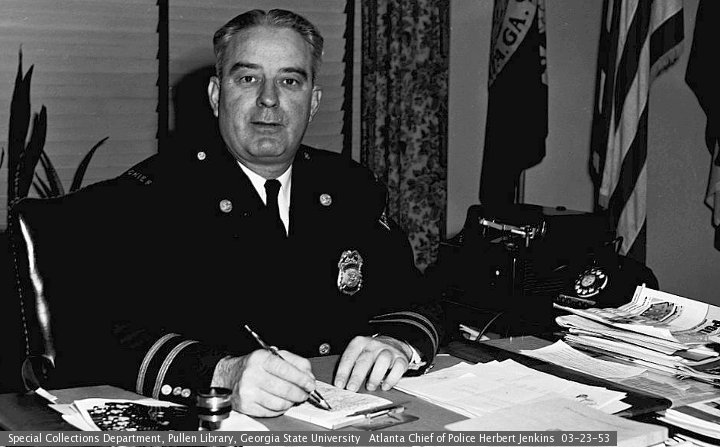


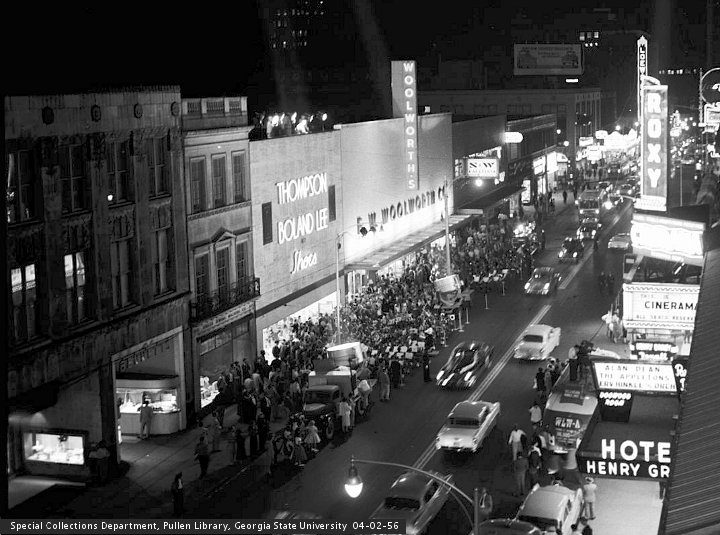
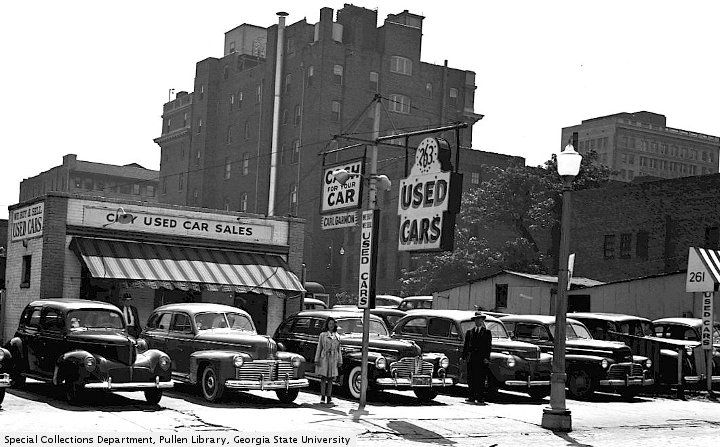


There was a feature in the NY Daily News about the death of cursive writing. HT to JoemyG-d. It seems like cursive is no longer being taught. PG says good riddance. This is a repost.
Cursive refers to the flowing style of handwriting, where the letters are joined. It is from the French word cursif. This is derived from Medieval Latin cursivus, literally, running, from Latin cursus, past participle of currere to run
Cursive sounds like curse, or using bad language. Many people trying to read cursive will curse. The synonym for cuss, however, is from the middle english word curs.
At Ashford Park , print writing was taught in the first grade, and cursive in the third grade. PG learned cursive, and then promptly forgot. He prints when he needs to write, except for a signature. Printing is much, much easier to read.
Some say that with the decline of cursive, that old handwritten letters will be impossible to read. With many cursive writers, they already are. Some people have the patience to write beautifully, but many others scrawl. There is a cliche about doctor’s handwriting on prescriptions. One wonders how many lives have been lost because the pharmacist is not a mind reader.
There is a quote, attributed to an ancient Greek. “When we start to write, we will lose our ability to remember”. There was grumbling when the printing press replaced hand copied scrolls, and when the typewriter came onto the scene.
Man fancies himself as being an animal who can think. Sometimes, when you replace the legend with knowledge, people like to hang onto the legend. This seems to be a point on the species cusp. On the one side is a rational, thinking creature. On the other side is a superstitious animal that runs on instinct. This is one possible reason that cursive writing lasted as long as it did.
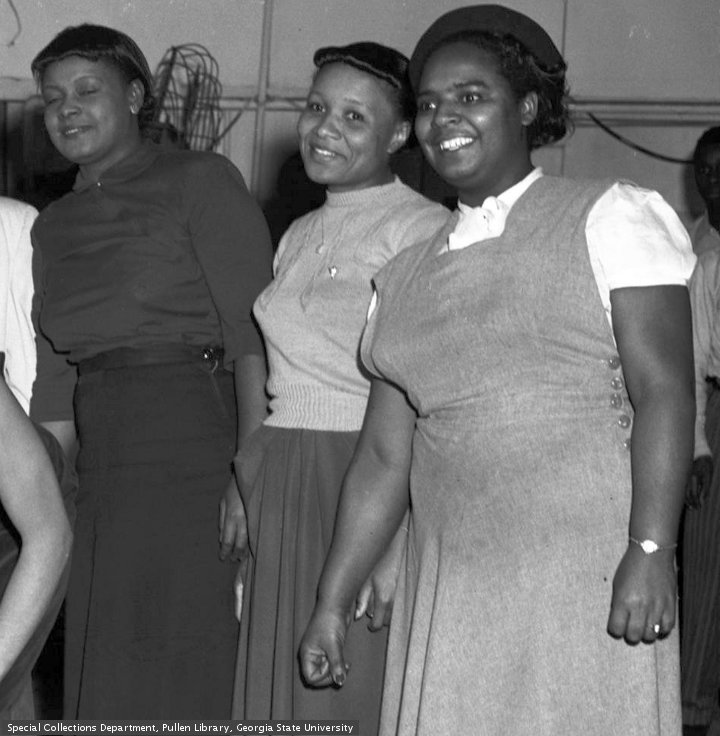
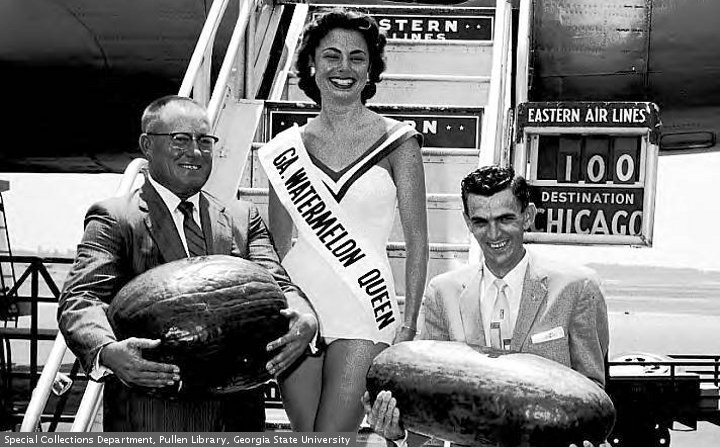
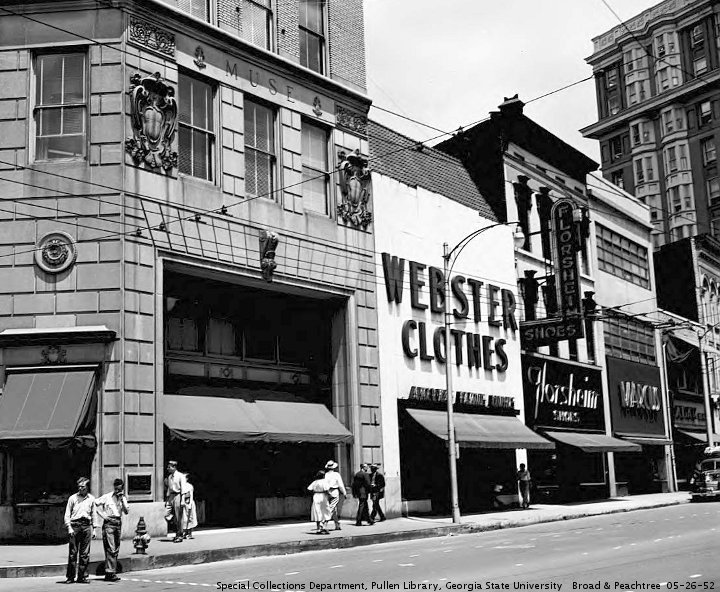
Pictures are from “The Special Collections and Archives,Georgia State University Library”.



Who Is The Racist?


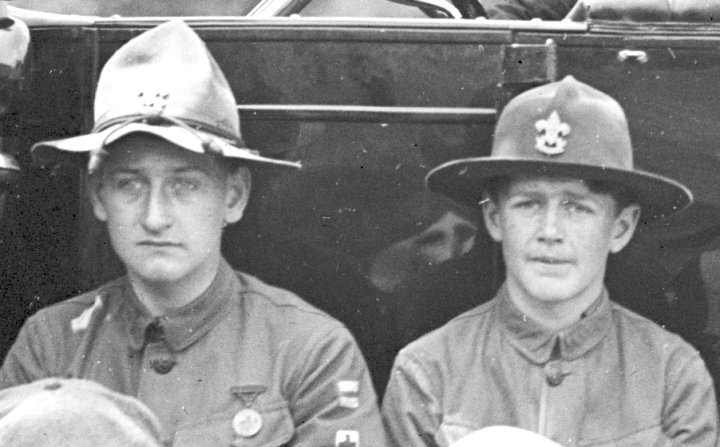



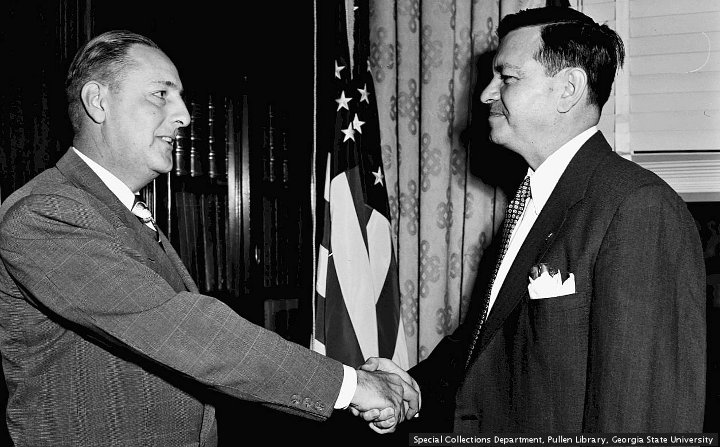
A few weeks ago, this blog published a feature, James Baldwin And The Six Letter Word. At the center was selection of James Baldwin talking about the n word. There was a transcript available, which makes today’s exercise a lot easier. Pictures for this adventure are from The Library of Congress.
Mr. Baldwin was discussing this nasty word, and offered an insight into who the user of this nasty word was really talking about. Now, there is another nasty word being casually tossed about these days. This other nasty word is racist. What would happen if you took Mr. Baldwin’s talk, and substituted racist for nasty? It is an interesting way to look at things.
Who is the racist? Well i know this…and anybody who has tried to live knows this. What you say about somebody else (you know) anybody else, reveals you. What I think of you as being is dictated by my own necessities, my own psychology, my own uhm fears…and desires. I’m not describing you when I talk about you…I’m describing me.
Now, here in this country we got somebody called a racist. It doesn’t in such terms, I beg you to remark, exist in any other country in the world. We have invented the racist. I didn’t invent him, white people invented him. I’ve always known, I had to know by the time I was seventeen years old, what you were describing was not me and what you were afraid of was not me. It had to be something else. You had invented it so it had to be something you were afraid of and you invested me with it.
Now if that’s so, no matter what you’ve done to me I can say to you this, and I mean it…I know you can’t do any more and I’ve got nothing to lose…and I know and I have always known you know and really always..…I have always known that I am not a racist…but if I am not the racist…and if it is true that your invention reveals you…then who is the racist?
I am not the victim here. I know one thing from another. I know that I was born, am gonna suffer and gonna die. And the only way that you can get through life is to know the worst things about it. I know that a person is more important than anything else. Anything else. I’ve learned this because I’ve had to learn it. But you still think, I gather, that the racist is necessary. Well he’s not necessary to me, so he must be necessary to you. So I give you your problem back. You’re the racist baby, it isn’t me.


It Works For Dolly Parton

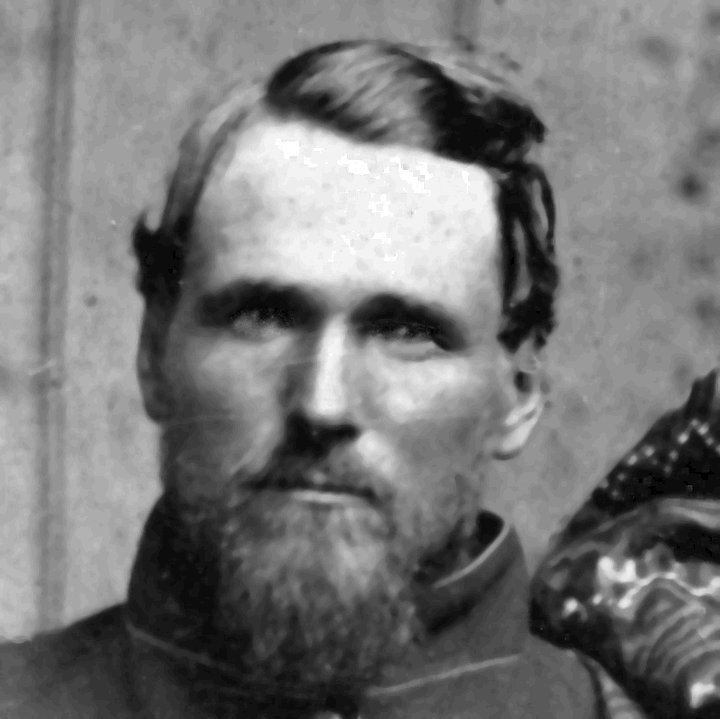
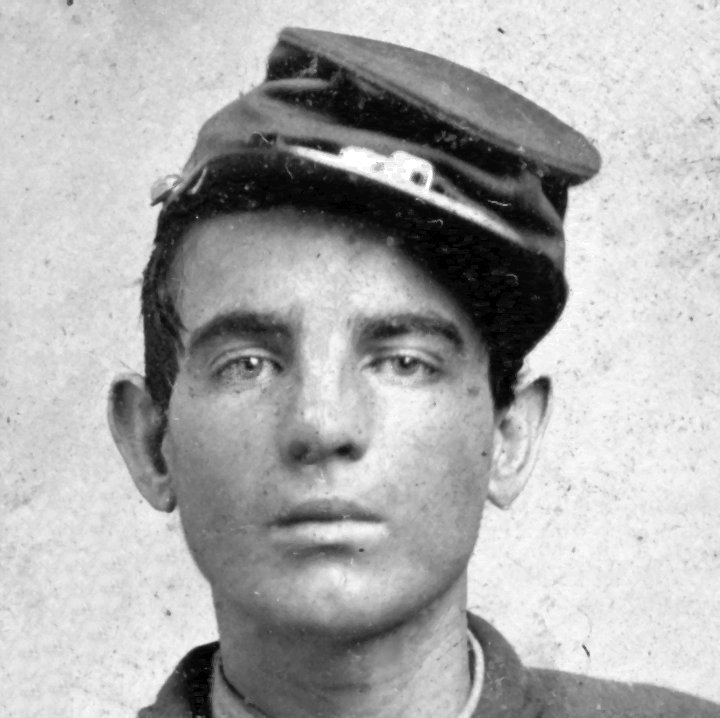
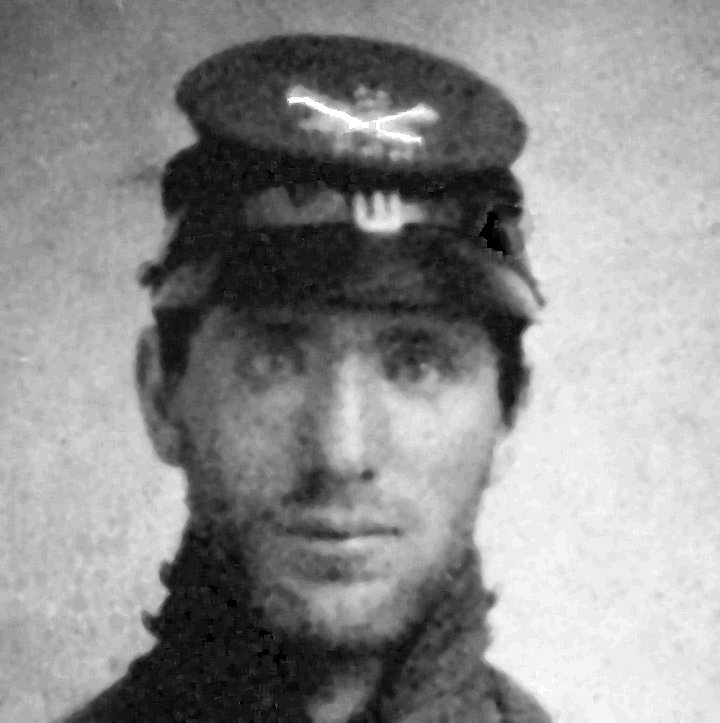
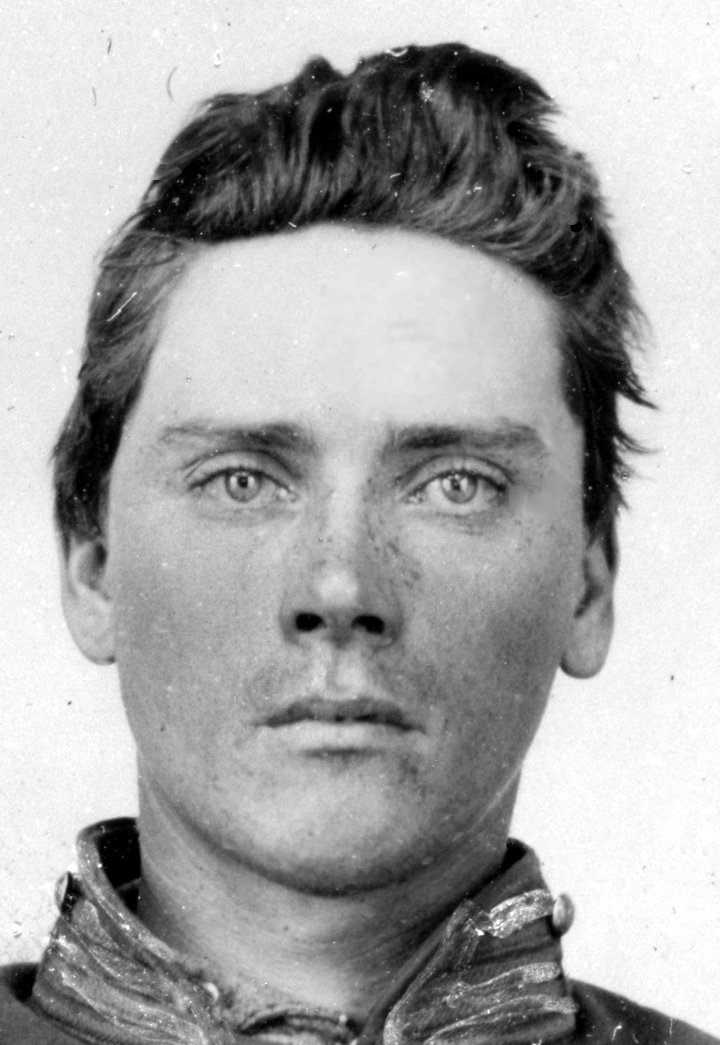
Back when he trolled Jesus worship blogs, PG saw many of his helpful comments being deleted. He learned to keep a word document open on his desktop, and to compose his comments there before going live. When facebook happened, this habit came in very handy. Often, what seemed like a good idea, upon reflection, looks like something best left unsaid. What follows is a collection of these comments. Some were posted. Some were not. They might not make much sense in this format. You can always skip over them and look at the pictures. These pictures are from The Library of Congress. They are Union Soldiers from the War Between the States. They did not get a chance to see if their actions were appropriate before taking them. ~ All three labels are useless and misleading. I try not to let the labels of others describe me, but sometimes it happens. It is a bit of poetic license. ~ That food has so many preservatives that it does not matter. ~ I remember the drought of 2007. This is a blessing. It would be best if we had the reservoir capacity to keep some of this water. I am afraid we are little better at managing water than we have been in the past. The powers that be are more concerned with building football stadiums, and divide and conquer race baiting, than they are with providing for our water needs. This surplus will not last. ~ Originally known as the Anglo-Persian Oil Company (later the Anglo-Iranian Oil Company, still later British Petroleum) ~ The only DC thing I have ever done is the parade. After the nightmare of 2012, I learned to stay in Brookhaven that weekend. ~ “even those whose hearts have grown cold” That is unfair. Many people have had a tough time with religion. Often, it is because of the “person in a family who truly prays”. Often, when this prayer makes a person “feel it”, what they feel is pain and despair. ~ 1-I have been checking the list on the site for the past two weeks. I did not know about the layers that could be turned off. 2- There ore only six walls shown for 2013. 3- The condescension in your comment is neither appropriate nor helpful. ~ 1-I know how to use the zoom tool. This, however, is the first time I have seen the parallel lines for layers. Actually, this interactive popup thing is not that great. Last year I made a list of the walls, and I had to click on every wall to get the address. I then pasted this list into the side of a map. Of course, I had a list of all the walls, and the conference was still going on. I did not go to the goat farm party, so I cannot comment. I realize that this is a volunteer effort. Still, it shouldn’t be that complicated to post a list of the walls. And sarcasm from the producers does not make up for a lack of basic competence. 2- My offer to help stands. I can call someone and have the list dictated to me over the phone. ~ I don’t think that is a good idea. They have some privacy issues, and they are probably valid. ~ Don’t forget Metastatic memes ~ You can turn the TV off and ignore her. ~ It is not just celebrities. Many nobodies seem to feel that rude behavior somehow makes them a somebody. This applies to both poc and pwoc. ~ Lilly Von Schtup ~ porpoise tv show ~ commercial hustle treasure ~ spring pollen tree seed ~ ~ yellow lemon peel ~ slurp down florida orange juice ~ grapefruit is left out ~ ~ As if the ban on gay donors wasn’t enough, there is the reality of the blood business. ~ reheated leftover pancakes are almost as good as the fresh variety ~ The VPOTUS is supposed to go to funerals and dedicate buildings. The fact that Mr. Cheney had the power that he did is a significant failing of the Bush43 administration. The good news is that Laura Bush kept a low profile. ~ You could always wear a wig. It works for Dolly Parton. ~ Except make money for political patrons. ~ I have only made it to number three. I might finish, and I might not. The rant about perceived racism is a reason to not finish this piece. It is ironic to see this anti racist pearl clutching combined with snark about alcoholism. Many of the extreme anti racists I have known are heavy drinkers. ~ “…talking smarter and showing more leadership than any of the disappointments we have had since he left office. ” You might say that about Ronald Reagan. ~ Which is why he should not do jokes about comedy. ~ There is a popular saying that uses the three words everyone, opinion, and asshole. An especially obnoxious sort of opinions/beliefs are those about G-d, or lack thereof. ~ There is a space to the left of anus, just wide enough for another letter. ~ There comes a time when silence is betrayal Dr. M.L. King ~ What about making noise when you don’t know what you are talking about? ~ Not everyone who motivates you to action has good intentions. It takes wisdom to tell the difference. The problem is that when you are angry you are not as smart. ~ just as awesome as Iraq ~ the reality of the blood business. ~ Not responding to a facebook post should not be mistaken for lack of concern. ~ Which makes it rather offensive when people invoke his legacy for selfish reasons. ~ Georgia is not going to fall into the Pacific Ocean. ~ One problem is when one of the haters talks to someone. It can be an unpleasant surprise to see who has been infected. ~ Were any of those site run by law enforcement to entrap users? If so, were these people busted? It is tough to know what is going on here. Child pornography is the reddest of red herrings. ~ was that the video with a cow flying upside down? Could this be why? ~ I found this meme last march. Do you notice how they don’t have a date for Mental Health Awareness Week? ~ That is a nice looking image. So many memes are graphically challenged. ~ I guess you had to be there. BTW, the “racist” joke was about Indians. ~ Selah.











The Lady, Or The Tiger?


In the very olden time there lived a semi-barbaric king, whose ideas, though somewhat polished and sharpened by the progressiveness of distant Latin neighbors, were still large, florid, and untrammeled, as became the half of him which was barbaric. He was a man of exuberant fancy, and, withal, of an authority so irresistible that, at his will, he turned his varied fancies into facts. He was greatly given to self-communing, and, when he and himself agreed upon anything, the thing was done. When every member of his domestic and political systems moved smoothly in its appointed course, his nature was bland and genial; but, whenever there was a little hitch, and some of his orbs got out of their orbits, he was blander and more genial still, for nothing pleased him so much as to make the crooked straight and crush down uneven places.
Among the borrowed notions by which his barbarism had become semified was that of the public arena, in which, by exhibitions of manly and beastly valor, the minds of his subjects were refined and cultured.
But even here the exuberant and barbaric fancy asserted itself. The arena of the king was built, not to give the people an opportunity of hearing the rhapsodies of dying gladiators, nor to enable them to view the inevitable conclusion of a conflict between religious opinions and hungry jaws, but for purposes far better adapted to widen and develop the mental energies of the people. This vast amphitheater, with its encircling galleries, its mysterious vaults, and its unseen passages, was an agent of poetic justice, in which crime was punished, or virtue rewarded, by the decrees of an impartial and incorruptible chance.
When a subject was accused of a crime of sufficient importance to interest the king, public notice was given that on an appointed day the fate of the accused person would be decided in the king’s arena, a structure which well deserved its name, for, although its form and plan were borrowed from afar, its purpose emanated solely from the brain of this man, who, every barleycorn a king, knew no tradition to which he owed more allegiance than pleased his fancy, and who ingrafted on every adopted form of human thought and action the rich growth of his barbaric idealism.
When all the people had assembled in the galleries, and the king, surrounded by his court, sat high up on his throne of royal state on one side of the arena, he gave a signal, a door beneath him opened, and the accused subject stepped out into the amphitheater. Directly opposite him, on the other side of the inclosed space, were two doors, exactly alike and side by side. It was the duty and the privilege of the person on trial to walk directly to these doors and open one of them. He could open either door he pleased; he was subject to no guidance or influence but that of the aforementioned impartial and incorruptible chance. If he opened the one, there came out of it a hungry tiger, the fiercest and most cruel that could be procured, which immediately sprang upon him and tore him to pieces as a punishment for his guilt. The moment that the case of the criminal was thus decided, doleful iron bells were clanged, great wails went up from the hired mourners posted on the outer rim of the arena, and the vast audience, with bowed heads and downcast hearts, wended slowly their homeward way, mourning greatly that one so young and fair, or so old and respected, should have merited so dire a fate.
But, if the accused person opened the other door, there came forth from it a lady, the most suitable to his years and station that his majesty could select among his fair subjects, and to this lady he was immediately married, as a reward of his innocence. It mattered not that he might already possess a wife and family, or that his affections might be engaged upon an object of his own selection; the king allowed no such subordinate arrangements to interfere with his great scheme of retribution and reward. The exercises, as in the other instance, took place immediately, and in the arena. Another door opened beneath the king, and a priest, followed by a band of choristers, and dancing maidens blowing joyous airs on golden horns and treading an epithalamic measure, advanced to where the pair stood, side by side, and the wedding was promptly and cheerily solemnized. Then the gay brass bells rang forth their merry peals, the people shouted glad hurrahs, and the innocent man, preceded by children strewing flowers on his path, led his bride to his home.
This was the king’s semi-barbaric method of administering justice. Its perfect fairness is obvious. The criminal could not know out of which door would come the lady; he opened either he pleased, without having the slightest idea whether, in the next instant, he was to be devoured or married. On some occasions the tiger came out of one door, and on some out of the other. The decisions of this tribunal were not only fair, they were positively determinate: the accused person was instantly punished if he found himself guilty, and, if innocent, he was rewarded on the spot, whether he liked it or not. There was no escape from the judgments of the king’s arena.
The institution was a very popular one. When the people gathered together on one of the great trial days, they never knew whether they were to witness a bloody slaughter or a hilarious wedding. This element of uncertainty lent an interest to the occasion which it could not otherwise have attained. Thus, the masses were entertained and pleased, and the thinking part of the community could bring no charge of unfairness against this plan, for did not the accused person have the whole matter in his own hands?
This semi-barbaric king had a daughter as blooming as his most florid fancies, and with a soul as fervent and imperious as his own. As is usual in such cases, she was the apple of his eye, and was loved by him above all humanity. Among his courtiers was a young man of that fineness of blood and lowness of station common to the conventional heroes of romance who love royal maidens. This royal maiden was well satisfied with her lover, for he was handsome and brave to a degree unsurpassed in all this kingdom, and she loved him with an ardor that had enough of barbarism in it to make it exceedingly warm and strong. This love affair moved on happily for many months, until one day the king happened to discover its existence. He did not hesitate nor waver in regard to his duty in the premises. The youth was immediately cast into prison, and a day was appointed for his trial in the king’s arena. This, of course, was an especially important occasion, and his majesty, as well as all the people, was greatly interested in the workings and development of this trial. Never before had such a case occurred; never before had a subject dared to love the daughter of the king. In after years such things became commonplace enough, but then they were in no slight degree novel and startling.
The tiger-cages of the kingdom were searched for the most savage and relentless beasts, from which the fiercest monster might be selected for the arena; and the ranks of maiden youth and beauty throughout the land were carefully surveyed by competent judges in order that the young man might have a fitting bride in case fate did not determine for him a different destiny. Of course, everybody knew that the deed with which the accused was charged had been done. He had loved the princess, and neither he, she, nor any one else, thought of denying the fact; but the king would not think of allowing any fact of this kind to interfere with the workings of the tribunal, in which he took such great delight and satisfaction. No matter how the affair turned out, the youth would be disposed of, and the king would take an aesthetic pleasure in watching the course of events, which would determine whether or not the young man had done wrong in allowing himself to love the princess.
The appointed day arrived. From far and near the people gathered, and thronged the great galleries of the arena, and crowds, unable to gain admittance, massed themselves against its outside walls. The king and his court were in their places, opposite the twin doors, those fateful portals, so terrible in their similarity.All was ready. The signal was given. A door beneath the royal party opened, and the lover of the princess walked into the arena. Tall, beautiful, fair, his appearance was greeted with a low hum of admiration and anxiety. Half the audience had not known so grand a youth had lived among them. No wonder the princess loved him! What a terrible thing for him to be there!
As the youth advanced into the arena he turned, as the custom was, to bow to the king, but he did not think at all of that royal personage. His eyes were fixed upon the princess, who sat to the right of her father. Had it not been for the moiety of barbarism in her nature it is probable that lady would not have been there, but her intense and fervid soul would not allow her to be absent on an occasion in which she was so terribly interested. From the moment that the decree had gone forth that her lover should decide his fate in the king’s arena, she had thought of nothing, night or day, but this great event and the various subjects connected with it. Possessed of more power, influence, and force of character than any one who had ever before been interested in such a case, she had done what no other person had done,—she had possessed herself of the secret of the doors. She knew in which of the two rooms, that lay behind those doors, stood the cage of the tiger, with its open front, and in which waited the lady. Through these thick doors, heavily curtained with skins on the inside, it was impossible that any noise or suggestion should come from within to the person who should approach to raise the latch of one of them. But gold, and the power of a woman’s will, had brought the secret to the princess.

And not only did she know in which room stood the lady ready to emerge, all blushing and radiant, should her door be opened, but she knew who the lady was. It was one of the fairest and loveliest of the damsels of the court who had been selected as the reward of the accused youth, should he be proved innocent of the crime of aspiring to one so far above him; and the princess hated her. Often had she seen, or imagined that she had seen, this fair creature throwing glances of admiration upon the person of her lover, and sometimes she thought these glances were perceived, and even returned. Now and then she had seen them talking together; it was but for a moment or two, but much can be said in a brief space; it may have been on most unimportant topics, but how could she know that? The girl was lovely, but she had dared to raise her eyes to the loved one of the princess; and, with all the intensity of the savage blood transmitted to her through long lines of wholly barbaric ancestors, she hated the woman who blushed and trembled behind that silent door.
When her lover turned and looked at her, and his eye met hers as she sat there, paler and whiter than any one in the vast ocean of anxious faces about her, he saw, by that power of quick perception which is given to those whose souls are one, that she knew behind which door crouched the tiger, and behind which stood the lady. He had expected her to know it. He understood her nature, and his soul was assured that she would never rest until she had made plain to herself this thing, hidden to all other lookers-on, even to the king. The only hope for the youth in which there was any element of certainty was based upon the success of the princess in discovering this mystery; and the moment he looked upon her, he saw she had succeeded, as in his soul he knew she would succeed.
Then it was that his quick and anxious glance asked the question: “Which?” It was as plain to her as if he shouted it from where he stood. There was not an instant to be lost. The question was asked in a flash; it must be answered in another.
Her right arm lay on the cushioned parapet before her. She raised her hand, and made a slight, quick movement toward the right. No one but her lover saw her. Every eye was fixed on the man in the arena.
He turned, and with a firm and rapid step he walked across the empty space. Every heart stopped beating, every breath was held, every eye was fixed immovably upon that man. Without the slightest hesitation, he went to the door on the right, and opened it.
Now, the point of the story is this: Did the tiger come out of that door, or did the lady? The more we reflect upon this question, the harder it is to answer. It involves a study of the human heart which leads us through devious mazes of passion, out of which it is difficult to find our way. Think of it, fair reader, not as if the decision of the question depended upon yourself, but upon that hot-blooded, semi-barbaric princess, her soul at a white heat beneath the combined fires of despair and jealousy. She had lost him, but who should have him?
How often, in her waking hours and in her dreams, had she started in wild horror, and covered her face with her hands as she thought of her lover opening the door on the other side of which waited the cruel fangs of the tiger!
But how much oftener had she seen him at the other door! How in her grievous reveries had she gnashed her teeth, and torn her hair, when she saw his start of rapturous delight as he opened the door of the lady! How her soul had burned in agony when she had seen him rush to meet that woman, with her flushing cheek and sparkling eye of triumph; when she had seen him lead her forth, his whole frame kindled with the joy of recovered life; when she had heard the glad shouts from the multitude, and the wild ringing of the happy bells; when she had seen the priest, with his joyous followers, advance to the couple, and make them man and wife before her very eyes; and when she had seen them walk away together upon their path of flowers, followed by the tremendous shouts of the hilarious multitude, in which her one despairing shriek was lost and drowned!
Would it not be better for him to die at once, and go to wait for her in the blessed regions of semi-barbaric futurity?And yet, that awful tiger, those shrieks, that blood!
Her decision had been indicated in an instant, but it had been made after days and nights of anguished deliberation. She had known she would be asked, she had decided what she would answer, and, without the slightest hesitation, she had moved her hand to the right.
The question of her decision is one not to be lightly considered, and it is not for me to presume to set myself up as the one person able to answer it. And so I leave it with all of you: Which came out of the opened door,—the lady, or the tiger?
The Lady, Or The Tiger? by Frank R. Stockton The text today is from Project Gutenberg. This is a repost. Pictures are by Chamblee54.



The N Word 2013

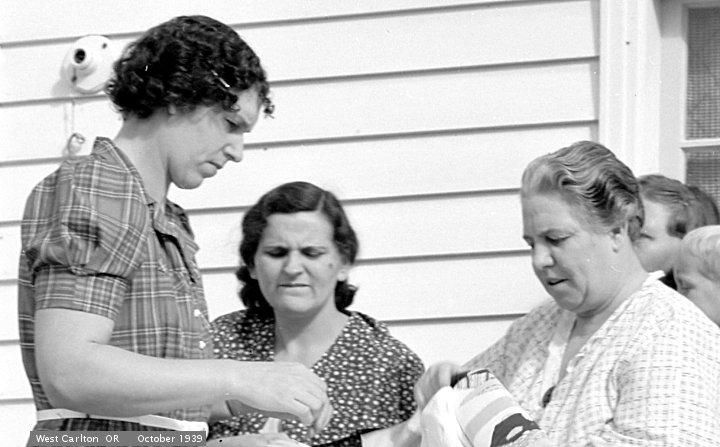


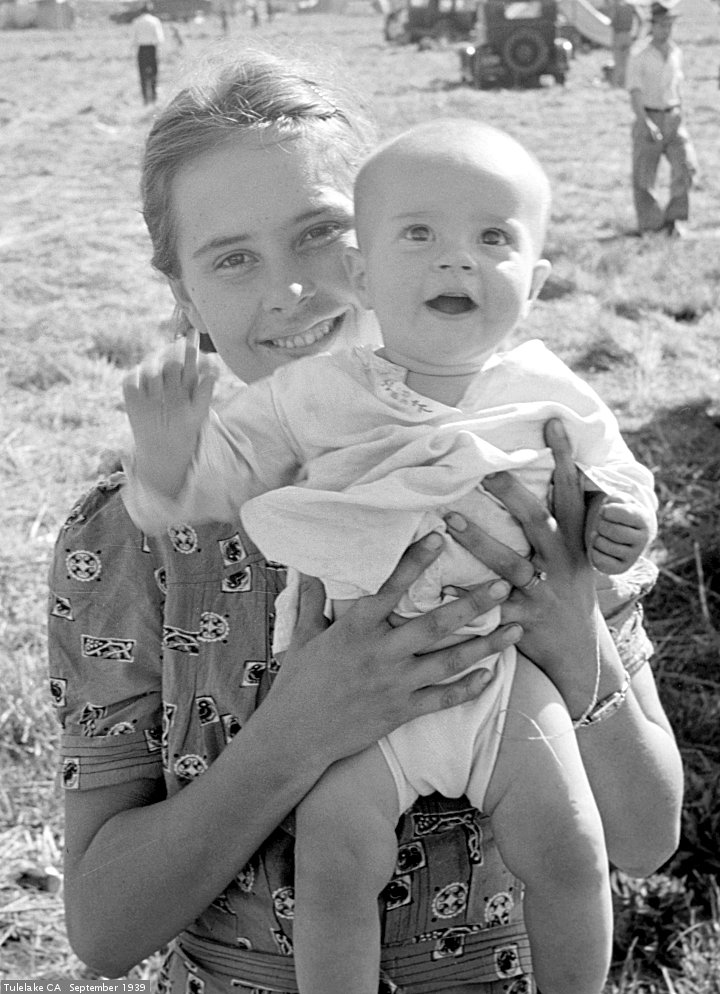

This post is about the “N word”. We all know what that word is. It has six letters, rhymes with trigger, and makes the brains of some people turn into jello. It is a derogatory phrase for people of African origin. I try to avoid using this term. Here are four reasons.
1- The “N word” hurts people’s feelings. I have known many fine Black people. I do not want to say anything that will hurt these people. As for the not so fine Black People that I have known, they are G-d’s children, just like me.
2- Being heard saying the “N word” can cause all sorts of problems. This can include physical retribution, loss of employment, lawsuits, and having to listen to enough loud angry words to make you wish you had never learned how to talk. The use of the “N word” is not going to fly
3- It is not a fair fight. There is no equivalent phrase for a Black Person to say to a White person. I do not wish to give that power to another group of people … to turn me into a mass of incoherent rage, just for hearing a six letter word. The closest thing is “Cracker”, which I only recently found out was an insult. We once had a minor league baseball team, the Atlanta Crackers.
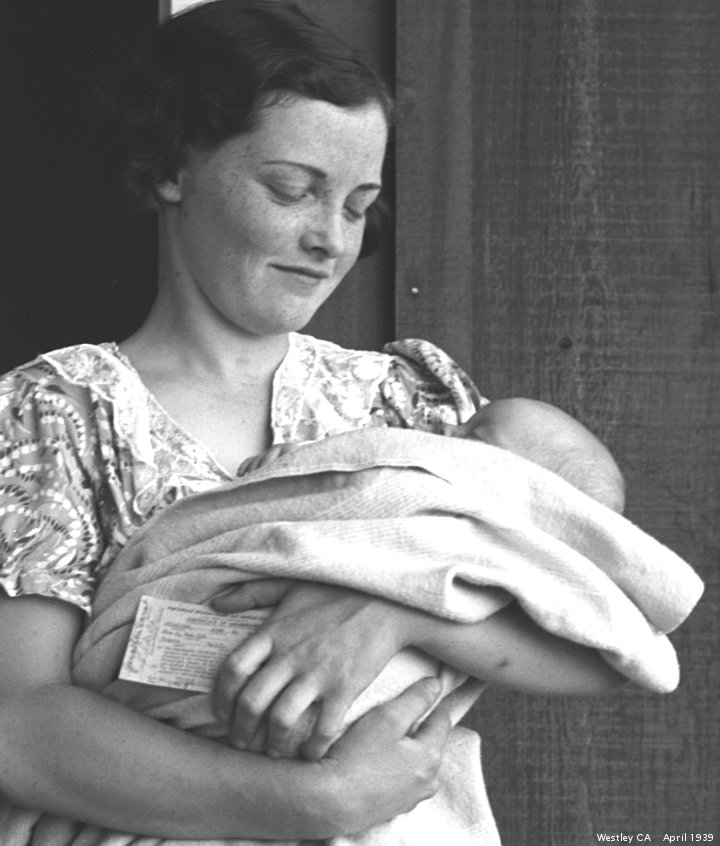
4- The use of the “N word” demeans the user. When you say an insulting word about another human being, you make yourself look bad. For a Black person, using the “N word” degrades them as the object, as well as the speaker. Why would a person would want to do that to their family and community? This is a repost. Pictures are from The Library of Congress.












I Sing The Body Electric



1
I sing the body electric,
The armies of those I love engirth me and I engirth them,
They will not let me off till I go with them, respond to them,
And discorrupt them, and charge them full with the charge of the soul.
Was it doubted that those who corrupt their own bodies conceal themselves?
And if those who defile the living are as bad as they who defile the dead?
And if the body does not do fully as much as the soul?
And if the body were not the soul, what is the soul?
2
The love of the body of man or woman balks account,
the body itself balks account,
That of the male is perfect, and that of the female is perfect.
The expression of the face balks account,
But the expression of a well-made man appears not only in his face,
It is in his limbs and joints also, it is curiously in the joints of his hips and wrists,
It is in his walk, the carriage of his neck, the flex of his waist and knees,
dress does not hide him,
The strong sweet quality he has strikes through the cotton and broadcloth,
To see him pass conveys as much as the best poem, perhaps more,
You linger to see his back, and the back of his neck and shoulder-side.
The sprawl and fulness of babes, the bosoms and heads of women,
the folds of their dress, their style as we pass in the street,
the contour of their shape downwards,
The swimmer naked in the swimming-bath, seen as he swims through
the transparent green-shine, or lies with his face up and rolls
silently to and from the heave of the water,
The bending forward and backward of rowers in row-boats,
the horse-man in his saddle,
Girls, mothers, house-keepers, in all their performances,
The group of laborers seated at noon-time with their open dinner-kettles,
and their wives waiting,
The female soothing a child, the farmer’s daughter in the garden or cow-yard,
The young fellow hosing corn, the sleigh-driver driving his six horses
through the crowd,
The wrestle of wrestlers, two apprentice-boys, quite grown, lusty,
good-natured, native-born, out on the vacant lot at sundown after work,
The coats and caps thrown down, the embrace of love and resistance,
The upper-hold and under-hold, the hair rumpled over and blinding the eyes;
The march of firemen in their own costumes, the play of masculine muscle
through clean-setting trowsers and waist-straps,
The slow return from the fire, the pause when the bell strikes suddenly again,
and the listening on the alert,
The natural, perfect, varied attitudes, the bent head, the curv’d neck
and the counting;
Such-like I love—I loosen myself, pass freely, am at the mother’s breast
with the little child,
Swim with the swimmers, wrestle with wrestlers, march in line
with the firemen, and pause, listen, count.
3
I knew a man, a common farmer, the father of five sons,
And in them the fathers of sons, and in them the fathers of sons.
This man was a wonderful vigor, calmness, beauty of person,
The shape of his head, the pale yellow and white of his hair and beard,
the immeasurable meaning of his black eyes,
the richness and breadth of his manners,
These I used to go and visit him to see, he was wise also,
He was six feet tall, he was over eighty years old, his sons were massive,
clean, bearded, tan-faced, handsome,
They and his daughters loved him, all who saw him loved him,
They did not love him by allowance, they loved him with personal love,
He drank water only, the blood show’d like scarlet
through the clear-brown skin of his face,
He was a frequent gunner and fisher, he sail’d his boat himself,
he had a fine one presented to him by a ship-joiner,
he had fowling-pieces presented to him by men that loved him,
When he went with his five sons and many grand-sons to hunt or fish,
you would pick him out as the most beautiful and vigorous of the gang,
You would wish long and long to be with him, you would wish to sit by him
in the boat that you and he might touch each other.


4
I have perceiv’d that to be with those I like is enough,
To stop in company with the rest at evening is enough,
To be surrounded by beautiful, curious, breathing, laughing flesh is enough,
To pass among them or touch any one, or rest my arm ever so lightly
round his or her neck for a moment, what is this then?
I do not ask any more delight, I swim in it as in a sea.
There is something in staying close to men and women and looking on them,
and in the contact and odor of them, that pleases the soul well,
All things please the soul, but these please the soul well.
5
This is the female form,
A divine nimbus exhales from it from head to foot,
It attracts with fierce undeniable attraction,
I am drawn by its breath as if I were no more than a helpless vapor,
all falls aside but myself and it,
Books, art, religion, time, the visible and solid earth,
and what was expected of heaven or fear’d of hell, are now consumed,
Mad filaments, ungovernable shoots play out of it,
the response likewise ungovernable,
Hair, bosom, hips, bend of legs, negligent falling hands all diffused,
mine too diffused,
Ebb stung by the flow and flow stung by the ebb, love-flesh swelling
and deliciously aching,
Limitless limpid jets of love hot and enormous, quivering jelly of love,
white-blow and delirious juice,
Bridegroom night of love working surely and softly into the prostrate dawn,
Undulating into the willing and yielding day,
Lost in the cleave of the clasping and sweet-flesh’d day.
This the nucleus—after the child is born of woman, man is born of woman,
This the bath of birth, this the merge of small and large, and the outlet again.
Be not ashamed women, your privilege encloses the rest,
and is the exit of the rest,
You are the gates of the body, and you are the gates of the soul.
The female contains all qualities and tempers them,
She is in her place and moves with perfect balance,
She is all things duly veil’d, she is both passive and active,
She is to conceive daughters as well as sons, and sons as well as daughters.
As I see my soul reflected in Nature,
As I see through a mist, One with inexpressible completeness,
sanity, beauty,
See the bent head and arms folded over the breast, the Female I see.
6
The male is not less the soul nor more, he too is in his place,
He too is all qualities, he is action and power,
The flush of the known universe is in him,
Scorn becomes him well, and appetite and defiance become him well,
The wildest largest passions, bliss that is utmost, sorrow that is utmost
become him well, pride is for him,
The full-spread pride of man is calming and excellent to the soul,
Knowledge becomes him, he likes it always, he brings every thing
to the test of himself,
Whatever the survey, whatever the sea and the sail
he strikes soundings at last only here,
(Where else does he strike soundings except here?)
The man’s body is sacred and the woman’s body is sacred,
No matter who it is, it is sacred—is it the meanest one in the laborers’ gang?
Is it one of the dull-faced immigrants just landed on the wharf?
Each belongs here or anywhere just as much as the well-off, just as much as you,
Each has his or her place in the procession.
(All is a procession,
The universe is a procession with measured and perfect motion.)
Do you know so much yourself that you call the meanest ignorant?
Do you suppose you have a right to a good sight,
and he or she has no right to a sight?
Do you think matter has cohered together from its diffuse float,
and the soil is on the surface, and water runs and vegetation sprouts,
For you only, and not for him and her?



7
A man’s body at auction,
(For before the war I often go to the slave-mart and watch the sale,)
I help the auctioneer, the sloven does not half know his business.
Gentlemen look on this wonder,
Whatever the bids of the bidders they cannot be high enough for it,
For it the globe lay preparing quintillions of years without one animal or plant,
For it the revolving cycles truly and steadily roll’d.
In this head the all-baffling brain,
In it and below it the makings of heroes.
Examine these limbs, red, black, or white, they are cunning in tendon and nerve,
They shall be stript that you may see them.
Exquisite senses, life-lit eyes, pluck, volition,
Flakes of breast-muscle, pliant backbone and neck, flesh not flabby,
good-sized arms and legs,
And wonders within there yet.
Within there runs blood,
The same old blood! the same red-running blood!
There swells and jets a heart, there all passions, desires, reachings, aspirations,
(Do you think they are not there because they are not express’d
in parlors and lecture-rooms?)
This is not only one man, this the father of those who shall be fathers
in their turns,
In him the start of populous states and rich republics,
Of him countless immortal lives with countless embodiments and enjoyments.
How do you know who shall come from the offspring of his offspring
through the centuries?
(Who might you find you have come from yourself,
if you could trace back through the centuries?)
8
A woman’s body at auction,
She too is not only herself, she is the teeming mother of mothers,
She is the bearer of them that shall grow and be mates to the mothers.
Have you ever loved the body of a woman?
Have you ever loved the body of a man?
Do you not see that these are exactly the same to all in all nations
and times all over the earth?
If anything is sacred the human body is sacred,
And the glory and sweet of a man is the token of manhood untainted,
And in man or woman a clean, strong, firm-fibred body, is more beautiful
than the most beautiful face.
Have you seen the fool that corrupted his own live body?
or the fool that corrupted her own live body?
For they do not conceal themselves, and cannot conceal themselves.
9
O my body! I dare not desert the likes of you in other men and women,
nor the likes of the parts of you,
I believe the likes of you are to stand or fall with the likes of the soul,
(and that they are the soul,)
I believe the likes of you shall stand or fall with my poems,
and that they are my poems,
Man’s, woman’s, child, youth’s, wife’s, husband’s, mother’s, father’s,
young man’s, young woman’s poems,
Head, neck, hair, ears, drop and tympan of the ears,
Eyes, eye-fringes, iris of the eye, eyebrows, and the waking
or sleeping of the lids,
Mouth, tongue, lips, teeth, roof of the mouth, jaws, and the jaw-hinges,
Nose, nostrils of the nose, and the partition,
Cheeks, temples, forehead, chin, throat, back of the neck, neck-slue,
Strong shoulders, manly beard, scapula, hind-shoulders,
and the ample side-round of the chest,
Upper-arm, armpit, elbow-socket, lower-arm, arm-sinews, arm-bones,
Wrist and wrist-joints, hand, palm, knuckles, thumb, forefinger,
finger-joints, finger-nails,
Broad breast-front, curling hair of the breast, breast-bone, breast-side,
Ribs, belly, backbone, joints of the backbone,
Hips, hip-sockets, hip-strength, inward and outward round,
man-balls, man-root,
Strong set of thighs, well carrying the trunk above,
Leg-fibres, knee, knee-pan, upper-leg, under-leg,
Ankles, instep, foot-ball, toes, toe-joints, the heel;
All attitudes, all the shapeliness, all the belongings of my or your body
or of any one’s body, male or female,
The lung-sponges, the stomach-sac, the bowels sweet and clean,
The brain in its folds inside the skull-frame,
Sympathies, heart-valves, palate-valves, sexuality, maternity,
Womanhood, and all that is a woman, and the man that comes from woman,
The womb, the teats, nipples, breast-milk, tears, laughter, weeping,
love-looks, love-perturbations and risings,
The voice, articulation, language, whispering, shouting aloud,
Food, drink, pulse, digestion, sweat, sleep, walking, swimming,
Poise on the hips, leaping, reclining, embracing, arm-curving and tightening,
The continual changes of the flex of the mouth, and around the eyes,
The skin, the sunburnt shade, freckles, hair,
The curious sympathy one feels when feeling with the hand
the naked meat of the body,
The circling rivers the breath, and breathing it in and out,
The beauty of the waist, and thence of the hips,
and thence downward toward the knees,
The thin red jellies within you or within me, the bones and the marrow
in the bones,
The exquisite realization of health;
O I say these are not the parts and poems of the body only, but of the soul,
O I say now these are the soul!
Text for this adventure is from the Project Gutenberg.
The text was reformatted by Chamblee54.
“I sing the Body Electric” was written by Walt Whitman.
An audio version of this poem is available from Librivox.
Reposted May 31,2013, Walt Whitman’s 194th Birthday.


War President



To this day, there is confusion about why the United States fought a war in Vietnam. There is talk about communism. There was a dominoes theory. (The delivery took more than thirty minutes.) The one which aroused PG’s curiosity was the urge to “nail that coonskin to the wall.”
According to the History News Network , President Lyndon B. Johnson made three trips to Vietnam. “In 1961 Johnson, then vice president, visited Saigon. He assured the South Vietnamese the United States would stand by them … LBJ called South Vietnamese leader Diem the “Churchill of Asia.”
On October 26, 1966 Johnson visited Vietnam on his first trip as president. The week before anti-war protests had been held in 40 cities in the United States. At the end of December 1967 LBJ worked in another trip to Vietnam while traveling to Australia for the funeral of Prime Minister Harold Holt, who had died in a drowning accident. Visiting Cam Ranh Bay, LBJ urged the soldiers to”nail that coonskin to the wall.”
While researching this post, PG found a feature comparing BHO in Afghanistan to LBJ in Vietnam. (Lebron James is not taking his talents to Hanoi.) The story is that LBJ had serious doubts about whether we could win in Vietnam, but did not want to appear weak. (He may also have been influenced by the fate of JFK, who had started to withdraw troops from Vietnam.) There is a pungent paragraph: “In this narrative, Johnson sent up to 1,000 Americans a month to their deaths because he didn’t “want the political fallout that would come from not fighting” Vietnam. Others have argued that, contrary to Blankney’s assertion, LBJ really wanted “to nail that coonskin to the wall” in Southeast Asia; that he fought it from strategic principle not political expediency. But many will concede that whether LBJ wanted to win it or not, he fought it with one eye to the public relations polls and the reactions of his own left wing. He imposed so many restrictions, introduced so many rules that perhaps whether LBJ ‘wanted to win’ or not, his objective strategic behavior was in the end indistinguishable from someone who wanted to lose. And he lost.”
Many of the soldiers in Vietnam were drafted. This means that the government told you that you were going into the service, or going to jail. (Young readers might be unfamiliar with the concept. When you ask your elders about communism, you can ask them about Selective Service.) While the government was dithering in it’s approach to the war, the men who were sent to fight were ordered to make a total commitment. Many did not come home alive.
Another online feature about Obama’s challenging war options shows up a difference in attitudes about war today. “Publicly, Johnson said it was a war we had to fight and that we would win it. Now, of course, we know that he believed we couldn’t win even before he sent the first of those 57,992 American boys over there to die.”
Whether you agree or disagree with a war, it is preposterous to say that the soldiers are boys. If anyone deserves to be called a man, it is those troops. Today, we have more women in our armed forces than we did in Vietnam. (This page of statistics lists, by name, eight American service women who died in Vietnam.) It simply isn’t said, of this war, that the soldiers are our boys and girls. While the dirty business of war goes on, it is an improvement to not call our soldiers boys.


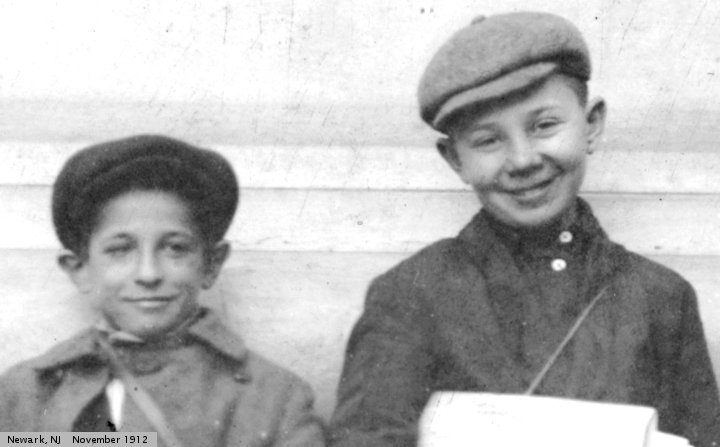

At the seven minute mark of his speech on Afghanistan , BHO starts a paragraph with the phrase “my fellow americans”. Those of a certain age will remember another democratic warpotus, Lyndon Johnson, who was fond of saying MFA. Whatever rude things were said about lightbulb Lyndon, no one ever asked to see his birth certificate. Perhaps that is what BHO meant by that phrase.
The paragraph that BHO starts with this bit of sixties nostalgia (four year old Barry probably did not see the SOU message linked above) caught PG’s eye when reading the transcript . “My fellow Americans, this has been a difficult decade for our country. We have learned anew the profound cost of war — a cost that has been paid by the nearly 4,500 Americans who have given their lives in Iraq, and the over 1,500 who have done so in Afghanistan — men and women who will not live to enjoy the freedom that they defended.”
Are you sure, Barry? Over a million Iraqis live in exile in Syria as we speak. They may have jumped out of the frying pan, and into the fire. The reason they left was to escape the civil war that our “liberation” of Babylon set off. They have paid a price for our “mission accomplished”.
Are you sure Sean Hannity? Every day, you say to make the Bush tax cuts permanent. ( At least you were the last time PG was brave enough to listen to your show.) Historically, the profound cost of war has been paid, at least partially, by higher taxes. In world war two, people sold war bonds, and encouraged each other to invest in the defeat of the Nazis. In this war, the right wing wants to pay for it by lowering taxes. The result is a national debt that is going to burden our economy for decades.
Getting back to the message by BHO (It was made in an empty hall, with gilt edged chairs replacing the Seal of the Presidency. Not to worry, BHO was wearing a flag pin on his lapel.) … there was another Vietnam flashback at 7:53. “And even as there will be dark days ahead in Afghanistan, the light of a secure peace can be seen in the distance.” Is this light at the end of a tunnel?
At 8:58 comes this gem:“When innocents are being slaughtered and global security endangered, we don’t have to choose between standing idly by or acting on our own.” Since BHO has taken over as warpotus, the drone strikes over the third world have dramatically increased. This is air slaughter, against a helpless population, directed by remote control from a cave in Nevada. Many of the people killed in these raids are women and children, who are not members of Al Qaeda. (To be fair, some of the children would have been terrorists if they had been able to grow up.) We don’t have to choose, because the decision was made by warpotus BHO…we will use our high tech weapons to KILL, KILL, KILL.
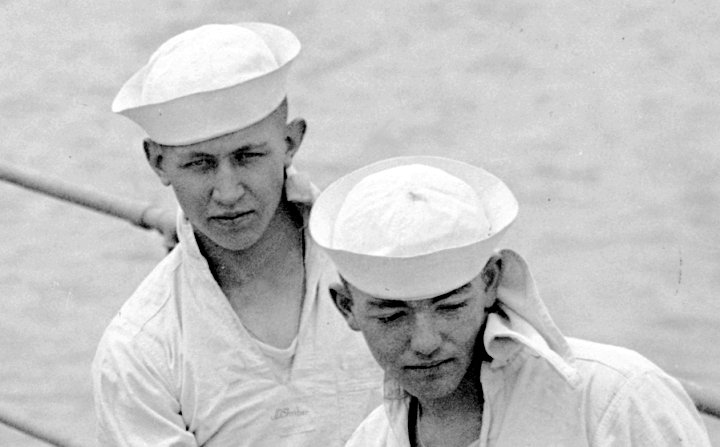
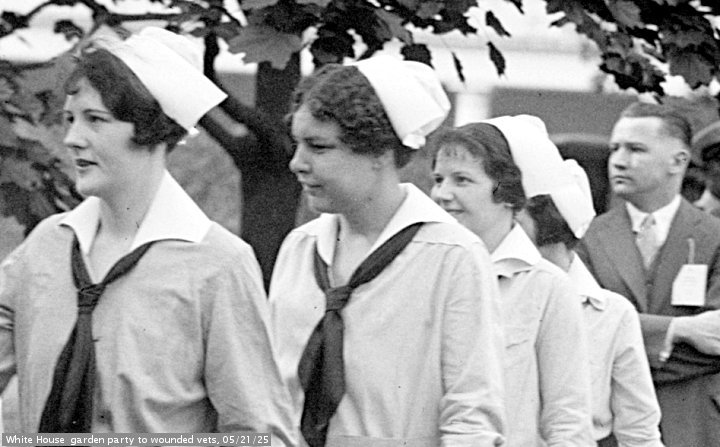
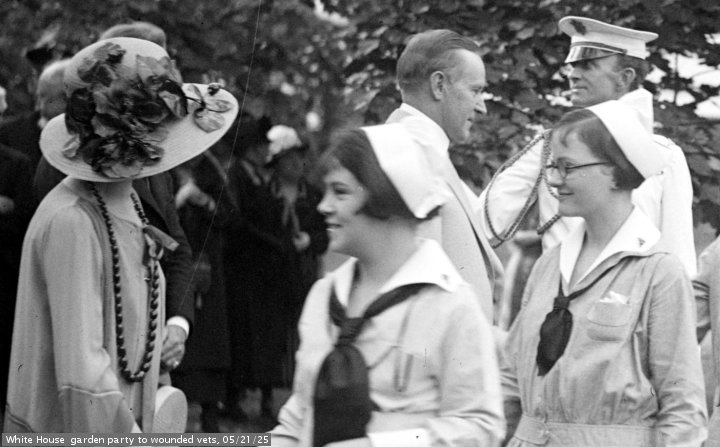
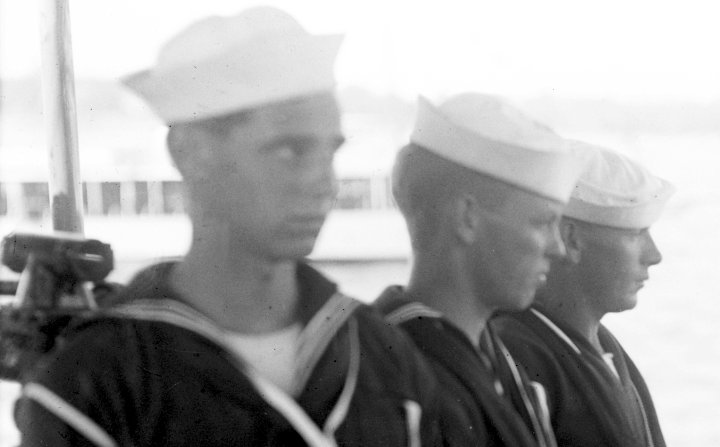
Pictures are from The Library of Congress. This is a double repost


May 22

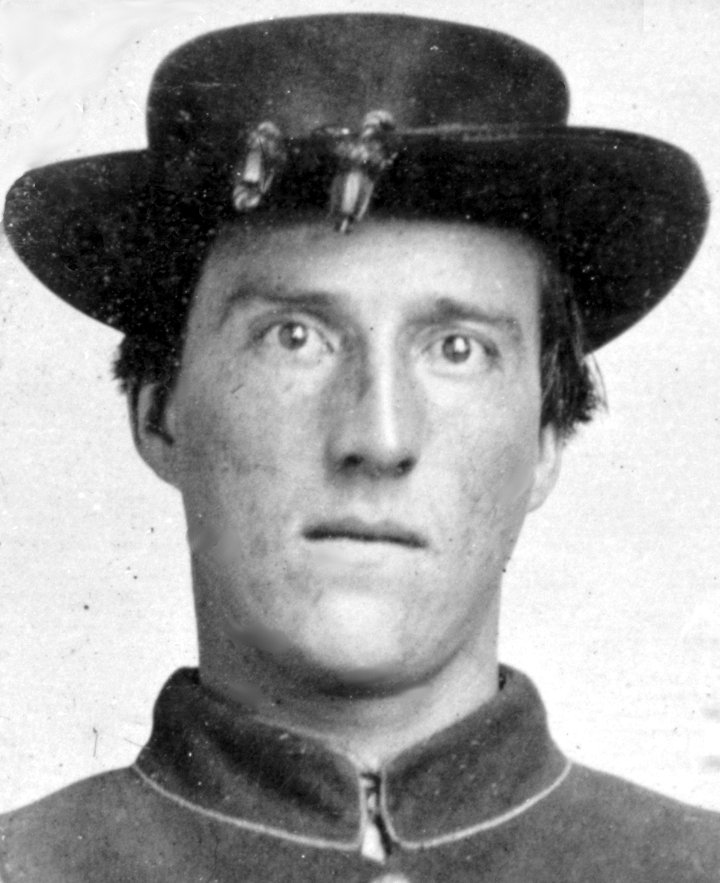
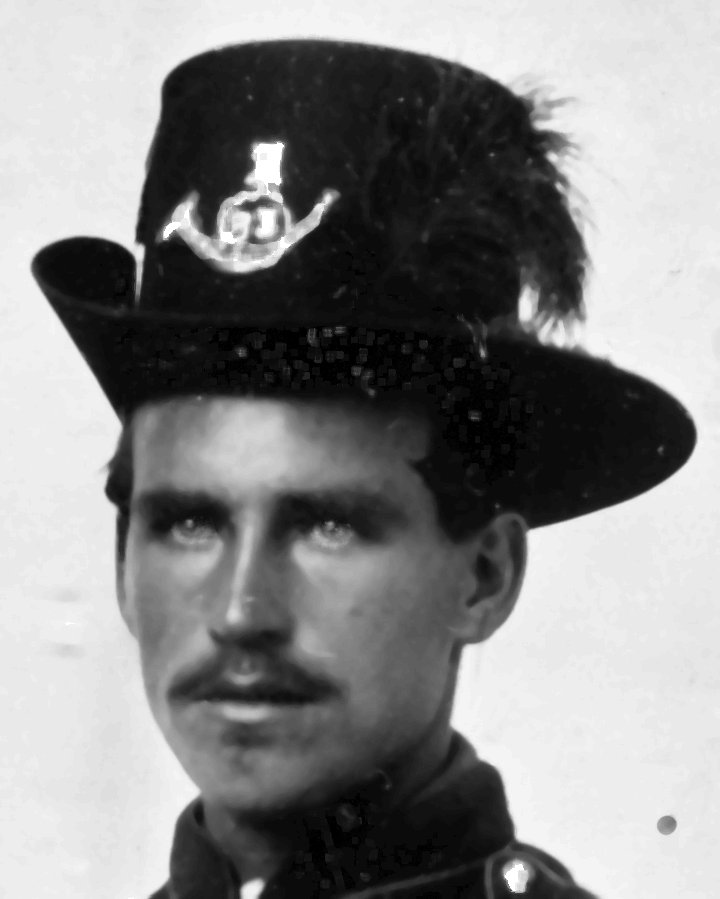
Facebook has tributes to a pair of former human beings. Both were born on May 22. With the aid of wikipedia, a few more emerge. It is day of the year 142, or 143 in leap year. The zodiac is comfortably in Gemini. Spring has one more month.
In 1930, Harvey Milk was born. He grew up to own a camera shop, and make waves. PG stood in his former camera shop one afternoon, and discussed philosophy with the proprietor.
In 1914, Herman Poole Blount was born in Birmingham AL. (spell check suggestions: Blunt, Blowout) He was a conscientious objector in World War II, and got in a lot of trouble. After the war, he became known as Sun Ra. He was a musician, who performed with a big band, the Myth Science Arkestra. Sun Ra was a performer who was best experienced live.
In 1979, PG attended a wedding. Someone had passes to see Sun Ra at the Great Southeast Music Hall. They were the only people in the audience in formal attire. After the show, PG asked Sun Ra how he could afford to take a big band on the road. The performer said he was doing it for beauty.
Other people born on May 22 include Richard Wagner (1813), Sir Arthur Conan Doyle (1859), Laurence Olivier (1907), and Bernie Taupin (1950). Deaths on this day include Martha Washington (1802), Victor Hugo (1885), and Langston Hughes (1967).
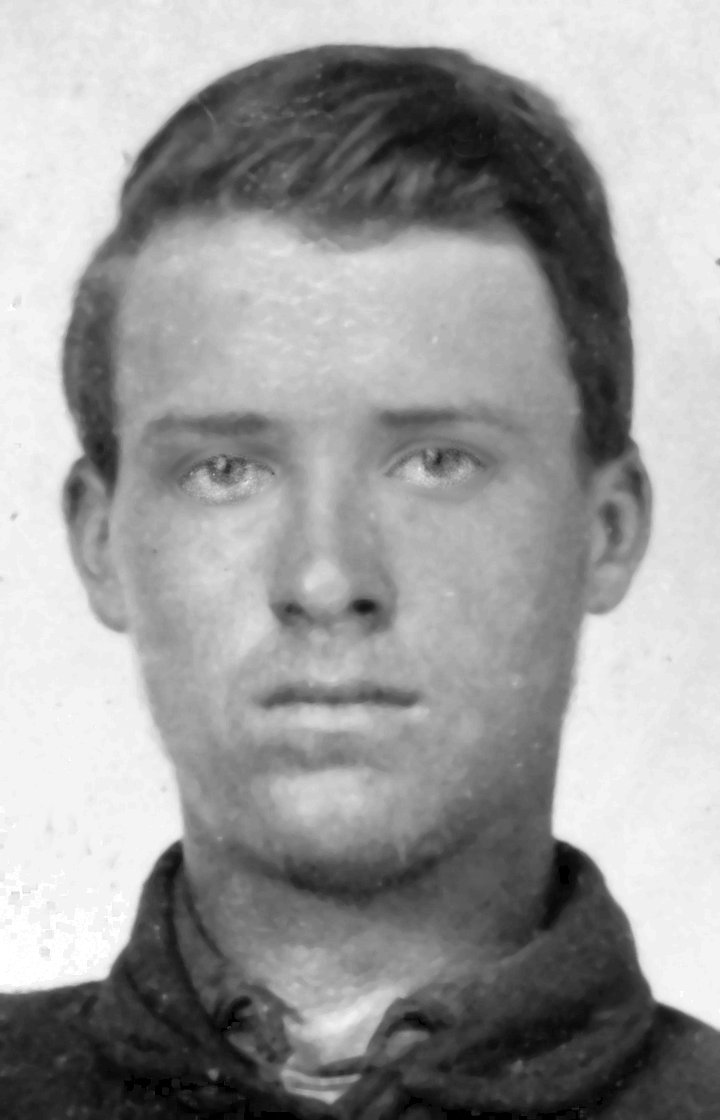
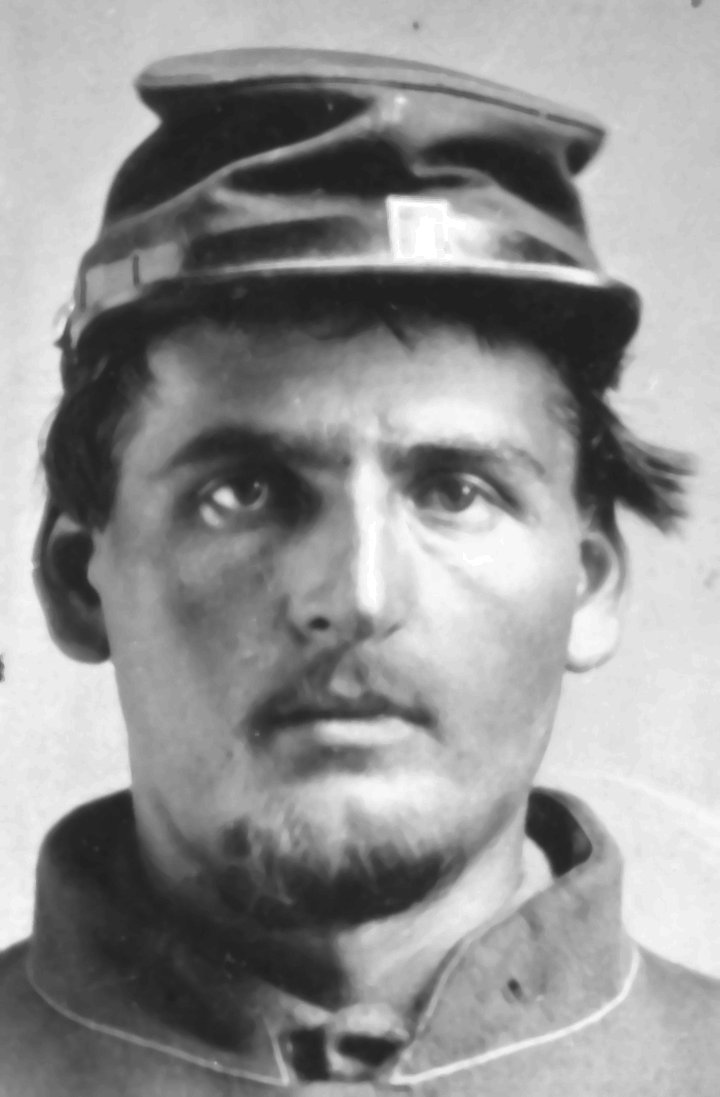
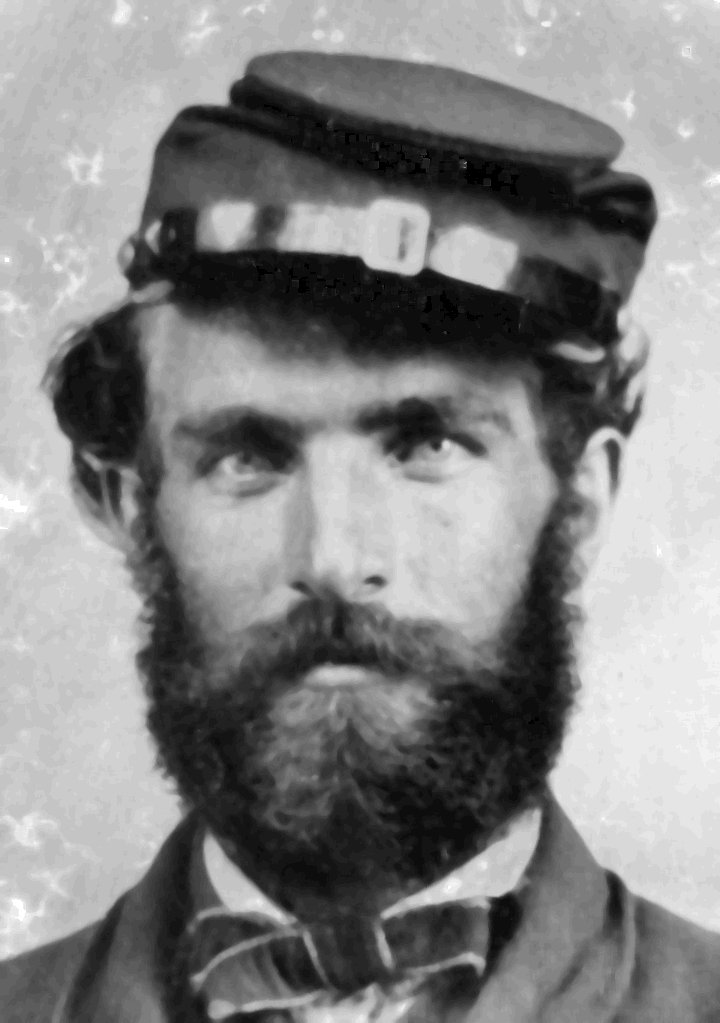
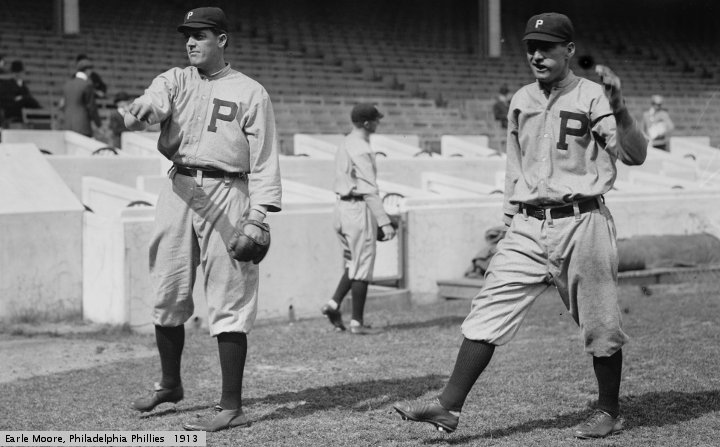
On May 22, 1200, King John of England and King Philip II of France sign the Treaty of Le Goulet. A few hundred years later, Robert Goulet was singing on TV one night, when Elvis Presley was watching. Elvis did not enjoy the performance, and shot the picture tube with a handgun. Pictures are from The Library of Congress. The pictures are Union Soldiers, from the War Between the States.
The Humpty Dumpty Conspiracy
The post above this is Who Pushed Humpty Dumpty?. If you look at the URL, you will see a -2 after the title. This means that there has been another post at Chamblee54 with this conspiracy oriented title. A trip to google city shows that PG is not the only person to have pondered this issue.
A book, Who Pushed Humpty Dumpty?, gets prominent placement. You get what you pay for. “It looked like a horrible accident, but upon further investigation, it turned out to be an even more horrible crime. Local businessman Humpty Dumpty was indeed dead of a fall from his wall. With the assistance of Officer’s O’Ham, Bacon and McSwiney (The 3 Little Pigs) and Officer Jack (The one with a beanstalk in his yard), Storybookland Police detectives Sgt. Joe Bundy and Rookie detective Bill Gimble have their work cut out for them. The suspects include The Big Bad Wolf (Storybookland’s Crime Boss), Jack and Jill (who were suing Mr. Dumpty for their fall), Wee Willie Winkie, The Spider (of Little Miss Muffet fame), The Old Woman Who Lived in a Shoe… not to mention Mrs. Dumpty, herself. “
Before we get much further in this murky mystery, lets take a look at the original.
Humpty Dumpty sat on a wall;
Humpty Dumpty had a great fall.
All the King’s horses And all the King’s men
Couldn’t put Humpty together again!
HD is typically thought of as being a giant egg. It is not known why it was sitting on a wall. Eggs usually lay on their side, unless they are sitting in an egg holder. The gender of this giant egg is unknown. Why was a team of horses expected to reassemble a broken egg ?
A character named Humpty Dumpty appears in Through the Looking-Glass by Lewis Carroll. He has a conversation with Alice, which implies that it is a different HD. Alice is a suspect in the content distribution of HD.
Four years ago, someone at Yahoo answers had too much free time. There was a post, Did humpty dumpty fall of that wall or was he pushed??? The issue of who offed HD remains a mystery. Some of the answers in this forum try to “explain” the legend of HD. Some fundamentalist Christians will tell you that things are to be taken literally, and that scholarly interpretation is the work of the devil. In spite of these nay sayers, some of the reader supplied answers make sense.
Humpty Dumpty was in fact believed to be a large cannon! It was used during the English Civil War (1642 – 1649) in the Siege of Colchester (13 Jun 1648 – 27 Aug 1648). Colchester was strongly fortified by the Royalists and was laid to siege by the Parliamentarians (Roundheads). In 1648 the town of Colchester was a walled town with a castle and several churches and was protected by the city wall. Standing immediately adjacent the city wall, was St Mary’s Church. A huge cannon, colloquially called Humpty Dumpty, was strategically placed on the wall next to St Mary’s Church. The historical events detailing the siege of Colchester are well documented.
June 15th 1648 – St Mary’s Church is fortified and a large cannon is placed on the roof which was fired by ‘One-Eyed Jack Thompson’. July 14th / July 15th 1648 – The Royalist fort within the walls at St Mary’s church is blown to pieces and their main cannon battery ( Humpty Dumpty) is destroyed. August 28th 1648 – The Royalists lay down their arms, open the gates of Colchester and surrender.
A shot from a Parliamentary cannon succeeded in damaging the wall beneath Humpty Dumpty which caused the cannon to tumble to the ground. The Royalists, or Cavaliers, ‘all the King’s men’ attempted to raise Humpty Dumpty on to another part of the wall. However, because the cannon , or Humpty Dumpty, was so heavy ‘All the King’s horses and all the King’s men couldn’t put Humpty together again!’ This had a drastic consequence for the Royalists as the strategically important town of Colchester fell to the Parliamentarians after a siege lasting eleven weeks.”
Pictures are from The Library of Congress. This is an edited repost.


 Chamblee54
leave a comment