Thomas Jefferson Said What?



PG was wasting time with facebook when he saw a friend say “Damn I love this quote”. The passage being praised was “If you are neutral in situations of injustice, you have chosen the side of the oppressor.” Desmond Tutu.
The rhetoric alert started to flash. These days, the wolf and the sheep buy their clothes at the same Walmart. To hear some oppressors talk the talk, they are the ones under attack. It is tough to tell the good guys from the bad guys. Also, as the Kony fiasco showed, often you can make things worse by getting mixed up. Sometimes the best thing to do is mind your own business.
Ok, now that is out of the way. Some lines sound good, but don’t hold up to a bit of thinking. As for the veracity of the quote, Desmond Tutu may very well have said it. (or maybe one of his rivals said it, and Mr. Tutu copied it.) The quote has been attributed to Thomas Jefferson, Edmund Burke, Patrick Henry, and probably others. Almost no one has a source, for the quote, from the dead white guys.
There was a discussion in Prison Planet Forum about BHO, and his alleged good buddy Larry Sinclair. The signature line for one of the posts was that crowd pleaser, “All tyranny needs to gain a foothold is for people of good conscience to remain silent.” Thomas Jefferson. All that needed to happen to get the party started was to highlight the quote, right click, and ask Mr. Google to help.
A post called MISQUOTING THE FOUNDERS did not mince words. “The only problem with this scene that has been repeated many times across the country is that Thomas Jefferson never said that, never wrote that, and quite possibly never thought it. Our aspiring politician had fallen victim to the perils of popular misattribution. You could fill a book with misquotes and misattributed quotes we hear repeated regularly today. Right now if I Google “All tyranny needs to gain a foothold is for people of good conscience to remain silent” the entire first page of results wrongly attribute it to Thomas Jefferson. The quote and its many variants have been attributed in the past to Thomas Paine and Edmund Burke, but no record exists of the quote in any of their writings or contemporary accounts.”
On November 13, 1787, Mr. Jefferson wrote a letter to William Smith. The letter is full of zesty quotes. “What country before ever existed a century & a half without a rebellion? & what country can preserve it’s liberties if their rulers are not warned from time to time that their people preserve the spirit of resistance? Let them take arms. The remedy is to set them right as to facts, pardon & pacify them. What signify a few lives lost in a century or two? The tree of liberty must be refreshed from time to time with the blood of patriots & tyrants. It is it’s natural manure.”
A few lines above that, Mr. Jefferson said “God forbid we should ever be 20 years without such a rebellion.” Twenty years after he wrote this, Mr. Jefferson was President. He probably did not want to deal with a revolution when he was President.
Getting back to the quote about tyranny, Martin Porter wrote an entertaining essay, A study of a Web quotation. He gives credit, or blame, to Edmund Burke. First, a list of different versions is presented. This is a clue that something is awry. The conclusion: “There is no original. The quote is bogus, and Burke never said it. It is a pseudo-quote, and corresponds to real quotes in the same way that urban legends about the ghost hitch-hiker vanishing in the back of the car and alligators in the sewers correspond to true news stories.”
Mr. Porter wrote a follow up essay, Four Principles of Quotation. These principles are:
Principle 1 (for readers) Whenever you see a quotation given with an author but no source assume that it is probably bogus.
Principle 2 (for readers) Whenever you see a quotation given with a full source assume that it is probably being misused, unless you find good evidence that the quoter has read it in the source.
Principle 3 (for quoters) Whenever you make a quotation, give the exact source.
Principle 4 (for quoters) Only quote from works that you have read.
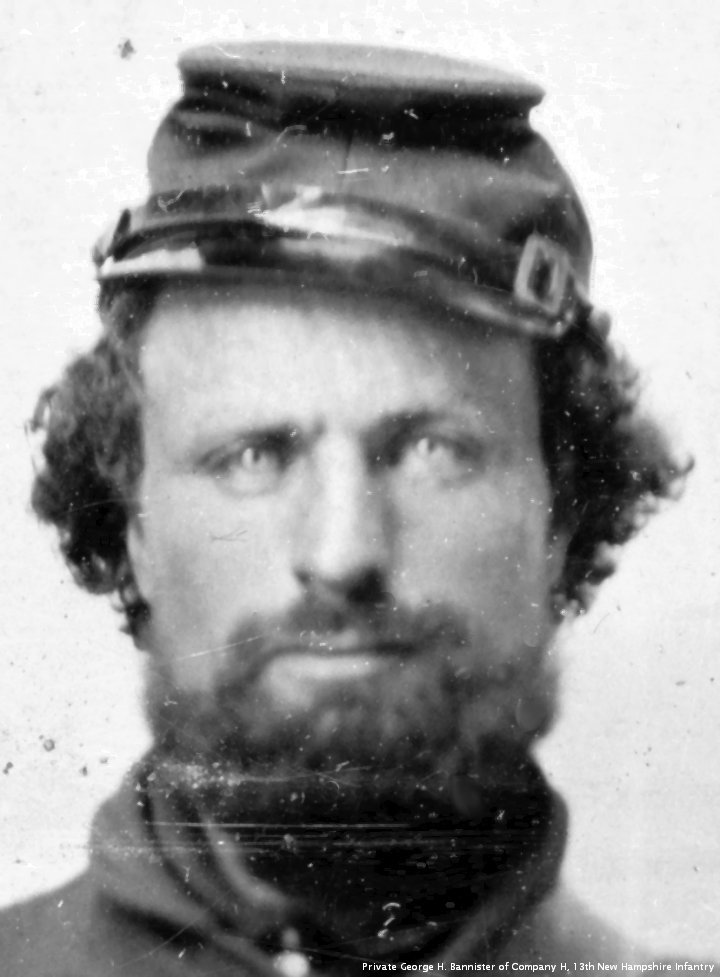
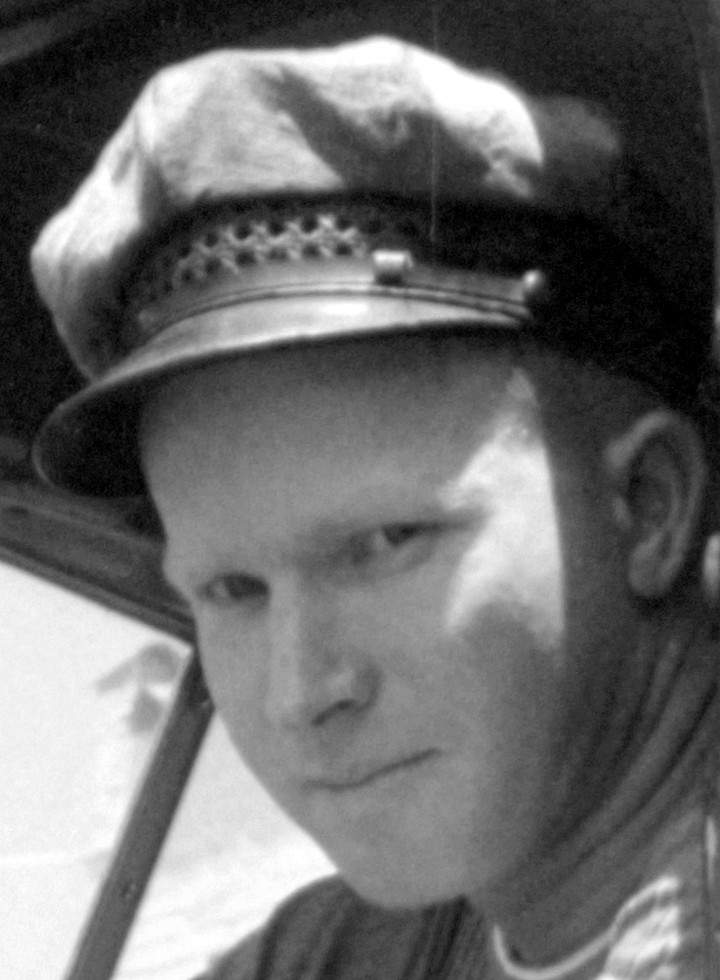
If these principles were to be used, then there would be a lot less hotheaded talking on the intercom. Those who are trying to influence you to the justice of their cause will not want you to read this. Pictures for this feature are from The Library of Congress. These pictures are Union soldiers, from the War Between the States. When war is discussed, all inspiring quotes are in doubt.
This is a repost. It is written like James Joyce. In the past year, doing due diligence on alleged quotes has become a hobby. Many people don’t care who said it, if they agree with the thoughts expressed. The prevailing thought is that an idea becomes more true with a famous name at the end. If the famous person is deceased, and cannot defend his/her reputation, that is not a problem. People do not like being told that Santa Claus does not exist.



Jesus And Mr. Gandhi
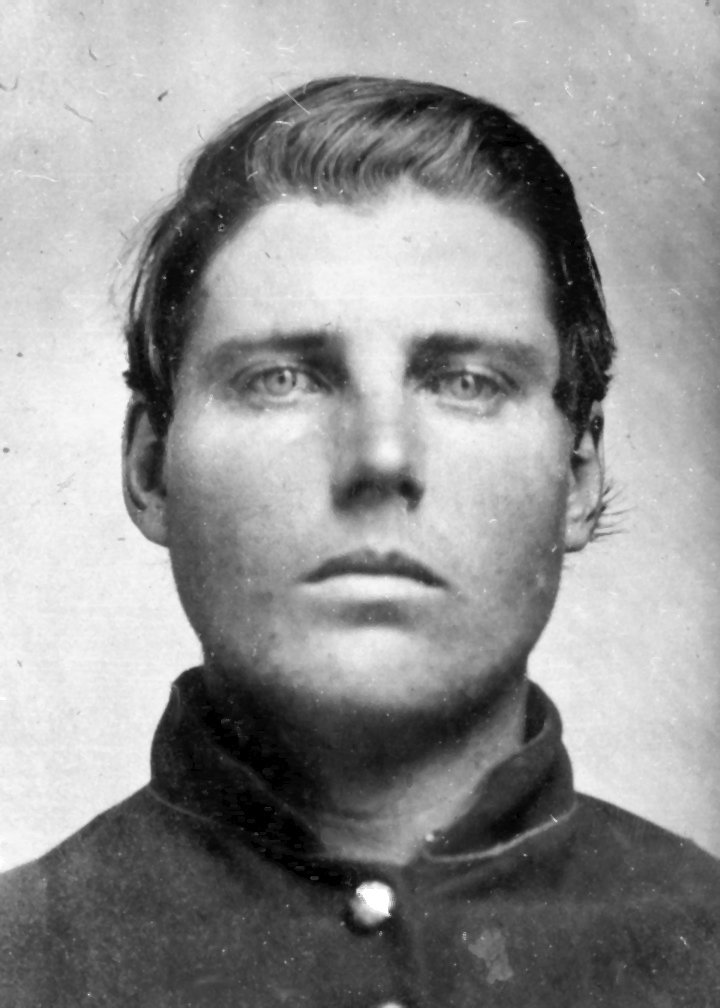

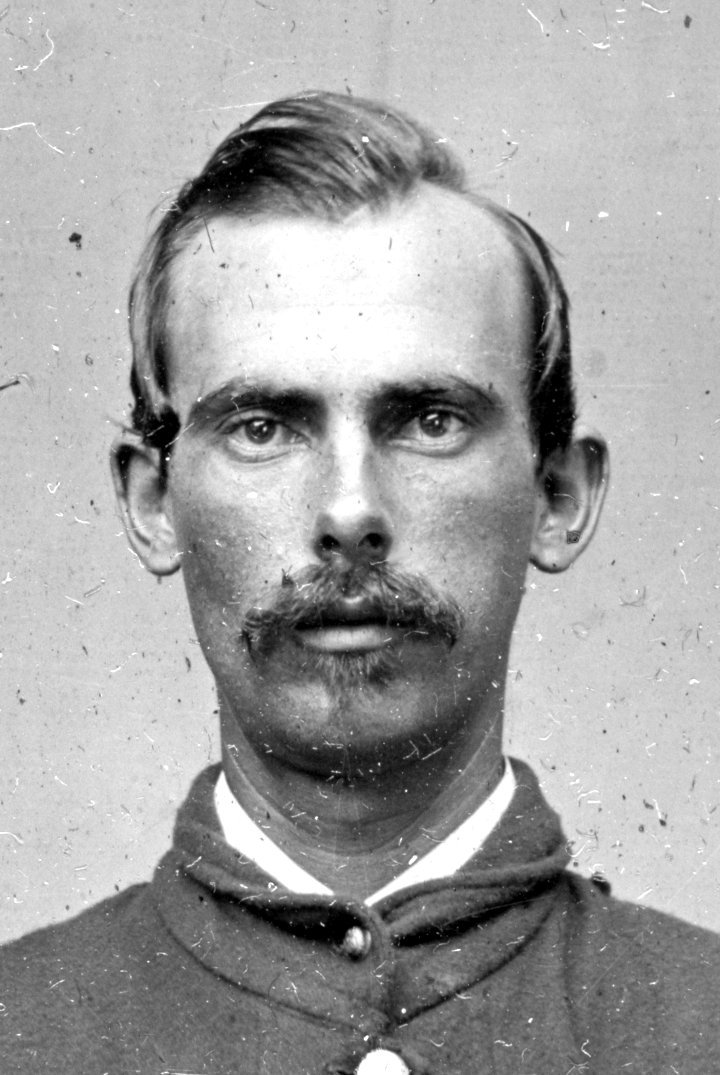

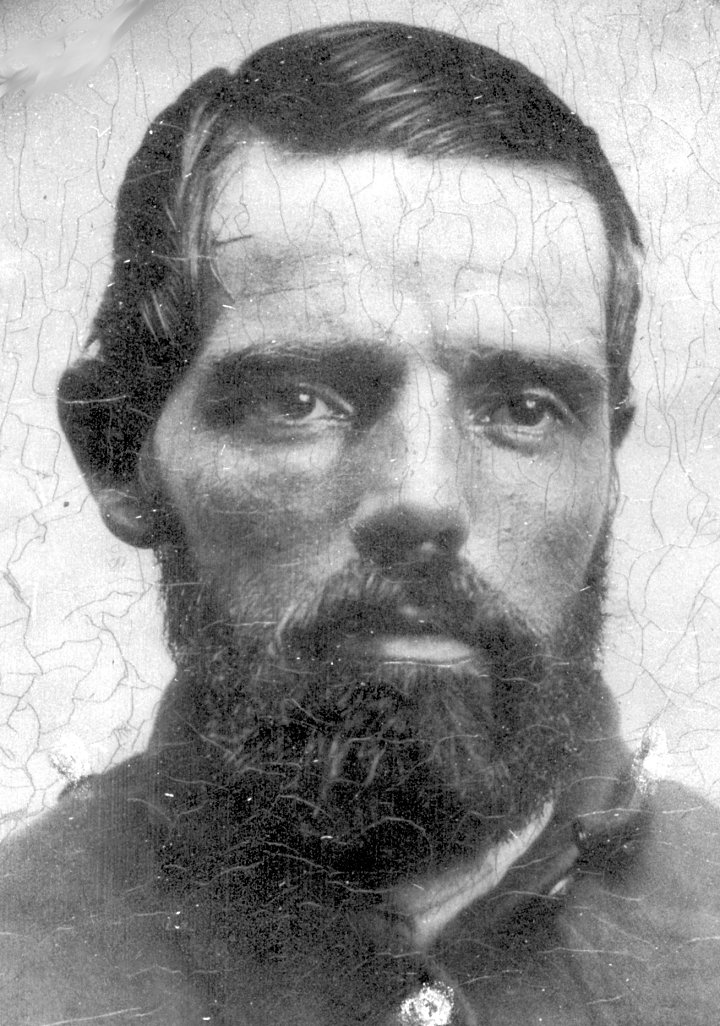
One day, PG is going to learn not to read facebook first thing in the morning. He was scrolling along, minding his own business, when he found this comment: “Are you kidding me. Judge NOT least you are JUDGE. You have NO right nor do I as a Christain to interpet one man’s thought or opinion or idea of whom our CHRIST is to HIM (Ghandi) or to you or myself. Self judging of other people or life styles was one the things that really ticked Christ off. Til we accept that and stop be so judgmental we are no better than the Devil himself.” PG had a reply: “1-When you have religion shoved in your face, you need to make a judgement… do I agree with this, or not agree? If the religion was not forced upon us, we would not have to make this judgement. 2- When you say I am the devil, you say more about yourself than you do about me.”
The first comment was made by a former supervisor of PG. “Wildman” was the store manager when PG was tormented by the Professional Jesus Worshiper (PJW). During this crucible, PG was forced to re-examine his opinions about Jesus. This was not easy for PG, as Jesus had long been a painful presence in his life.
PG decided that there were two forces known as Jesus. One was the historic figure, whose life was partially recorded in the bible. The second Jesus was a spirit, living in the hearts of those who believe in him. The present day spirit Jesus has little in common with the historic Jesus, other than the name. The best way to know Jesus is through the words and deeds of his believers.
The initial comment was made to a post at Christianity.com. Apparently, the comment was automatically posted to facebook. The post, Gandhi Doesn’t Like Us, was written by Tim Challies. He is a popular Jesus worship blogger, and is much admired at blogs where PG is banned from commenting. The page is sponsored by Christians United For Israel. They are distributing a free ebook, Israel 101, with the slogan “Defend the land Jesus walked.”
Mr. Challies is a competent writer. He crafts an opening to the post which states the points he is going to make. “How many times have you come across this quote attributed to Mahatma Gandhi? “I like your Christ. I do not like your Christians. Your Christians are so unlike your Christ.” I must have read it a hundred times in books, magazines, articles, tweets. It is used by believers and unbelievers to point to the hypocrisy of Christians and to call us to more and to better. Our inability to live what we preach is driving the multitudes away. Or so we are told. After all, that’s what Gandhi said.
We need to stop using this quote and I’m going to give you two good reasons to do so. In the first place, Gandhi was hardly an authority on Jesus. When he says, “I like your Christ” he is referring to a Jesus of his own making, a Jesus plucked haphazardly from the pages of Scripture, a Jeffersonian kind of Jesus, picked and chosen from the accounts of his life. “
PG agrees with Mr. Challies, but for different reasons. To begin with, no one seems to have a source for this quote. What was the context? What language was it said in? This quote is the best answer Mr. Google can supply:
“A 1926 review by the Reverend W.P. King (then pastor of the First Methodist Church of Gainesville, Georgia) of E. Stanley Jones’s The Christ of the Indian Road (published in 1925 by The Abington Press, New York City) includes the following: Dr. Jones says that the greatest hindrance to the Christian gospel in India is a dislike for western domination, western snobbery, the western theological system, western militarism and western race prejudice. Gandhi, the great prophet of India, said, “I love your Christ, but I dislike your Christianity.” The embarrassing fact is that India judges us by our own professed standard. In reply to a question of Dr. Jones as to how it would be possible to bring India to Christ, Gandhi replied: First, I would suggest that all of you Christians live more like Jesus Christ. Second, I would suggest that you practice your Christianity without adulterating it. The anomalous situation is that most of us would be equally shocked to see Christianity doubted or put into practice. Third, I would suggest that you put more emphasis on love, for love is the soul and center of Christianity. Fourth, I would suggest that you study the non-Christian religions more sympathetically in order to find the good that is in them.”
The quote is less than 100 years old, and it is disputed. The reputed words of Jesus were said in Aramaic. They were quoted, after his death, by scribes who never met Jesus, in Greek. These texts were copied by hand and compiled into a canon for the Catholic church. This canon was translated into contemporary languages. And yet, this record of the teachings of Jesus is regarded as the verbatim, inerrant truth.
Another problem with the quote is the use of the word “Christ”. This was an honorific title, and not the name of Jesus. (Some say that the name was closer to Joshua. It was probably an Aramaic name that we would find difficult to pronounce.) There are many people who say that Jesus might not be the Christ.The two names are not synonymous, nor is Christ the last name of Jesus.
Mr. Gandhi had some name issues as well. His birth name was Mohandas Karamchand Gandhi. Many today refer to him as Mahatma Gandhi. “The word Mahatma, while often mistaken for Gandhi’s given name in the West, is taken from the Sanskrit words maha (meaning Great) and atma (meaning Soul). Rabindranath Tagore is said to have accorded the title to Gandhi. In his autobiography, Gandhi nevertheless explains that he never valued the title, and was often pained by it.”
Mr. Gandhi went to school in England, and worked as a barrister in South Africa. He was a smart man. If you want to put a quote from Mr. Gandhi on your vehicle, here are a few options:
“G-d has no religion”
“Be the change you want to see in the world.”
“Nobody can hurt me without my permission.”
“The weak can never forgive. Forgiveness is the attribute of the strong.”
“Whenever you are confronted with an opponent. Conquer him with love.”
“The best way to find yourself is to lose yourself in the service of others.”
“The weak can never forgive. Forgiveness is the attribute of the strong.”
“Live as if you were to die tomorrow. Learn as if you were to live forever.”
“One who has any faith in G-d should be ashamed to worry about anything ”
As we said earlier, Gandhi Doesn’t Like Us offers two reasons to not use the quote by Mr. Gandhi. Lets take a look. “Whatever Jesus Gandhi liked was certainly not the Jesus of the Bible. Why then should we care if we do not attain to this falsified version of Jesus? I would be ashamed to have any appearance to the kind of Jesus that Gandhi would deem good and acceptable and worthy of emulation. That Jesus would, of course, have to look an awful lot like Gandhi. So there is one good reason to stop using this quote: because Gandhi fabricated a Jesus of his own making and declared his affection only for this fictional character. He never liked the real thing”.
Arguably, this is what the contemporary church does. The light skinned Jesus of velvet paintings looks little like the real thing. Even critics of the church, who like to talk about what “Jesus really taught”, are relying on the product of a Catholic committee. The truth is, we don’t know very much about the historic Jesus. We fill in the blanks to suit whatever the current agenda is. What you think about Jesus says more about you than it does about Jesus.
Here’s a second reason. Gandhi had a fundamental misunderstanding of himself and of the rest of humanity. Gandhi no doubt loved the way that Jesus related to the downtrodden and disadvantages and assumed that he himself was a leper or Samaritan, when really he was a Pharisee. … Perhaps he might even have deigned to put himself in the place of the Prodigal Son, a man who had gone astray but then found hope and redemption. Whatever the case, the Jesus he liked must have been a Jesus who would love and accept him just as he was and not a Jesus who declared that even a man as good as he was an enemy of G-d.
Jesus spoke kind words and did great deeds; he comforted and healed and gave hope and a future. But not to everyone. Jesus reserved the harshest of words for the religious elite, those who declared that they were holy, that they understood the nature of G-d, that they had achieved some kind of enlightenment. Jesus had no love for such people. It was such people who received the sharpest of his rebukes and the most brutal of his “Woes!” They were the whitewashed tombs, the broods of vipers, the blind guides. Such men did not love Jesus. They may have loved Gandhi’s fabricated Christ but they hated the real one.
Who is the “religious elite” elite of today? Perhaps it is someone who publishes on a slick website, with an ad supporting the abuse of the Palestinian people. Perhaps it is the preacher in Lithonia who uses Jesus to lure teenage boys into his bedroom. Perhaps it is the PJW who conducted a vulgar ministry while working on the clock for redo blue. This PJW ended a tirade with the words, What you see is Jesus changing my life. Perhaps it is those who use Jesus to hurt people. The list goes on and on.
This Jesus, the Jesus of the Bible, would have rebuked Gandhi as he rebuked the Jewish leaders of his day, the people who led people walking behind them on the road to hell. Like them, he was convinced of his own goodness, his own worthiness. There are two good reasons to stop using this quote: Gandhi liked only the Christ of his own making and he believed that he was worthy of the favor of this Christ. On both accounts he was wrong; dead wrong.
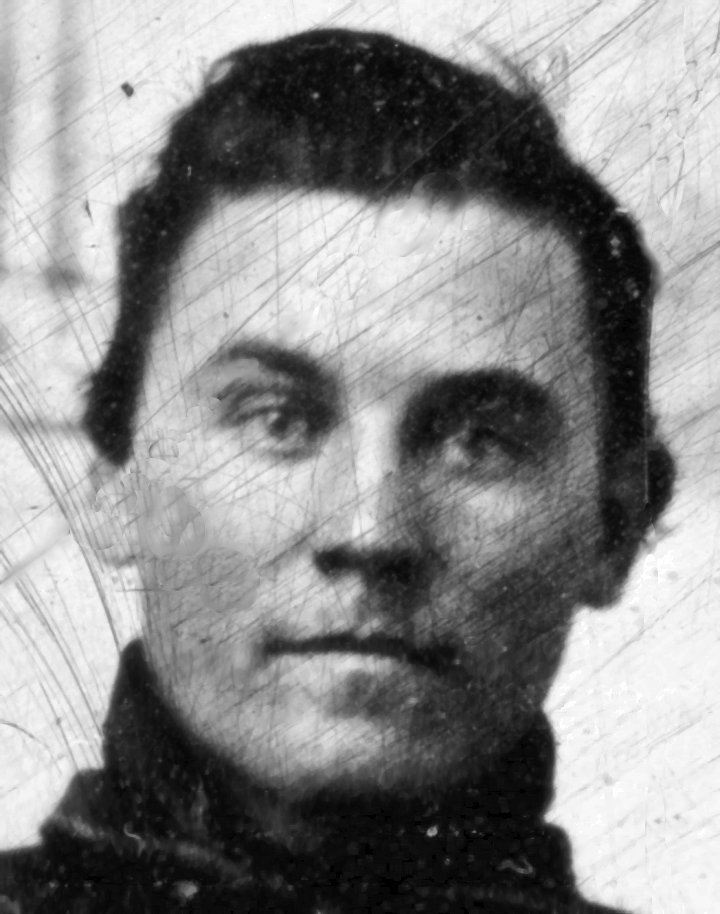
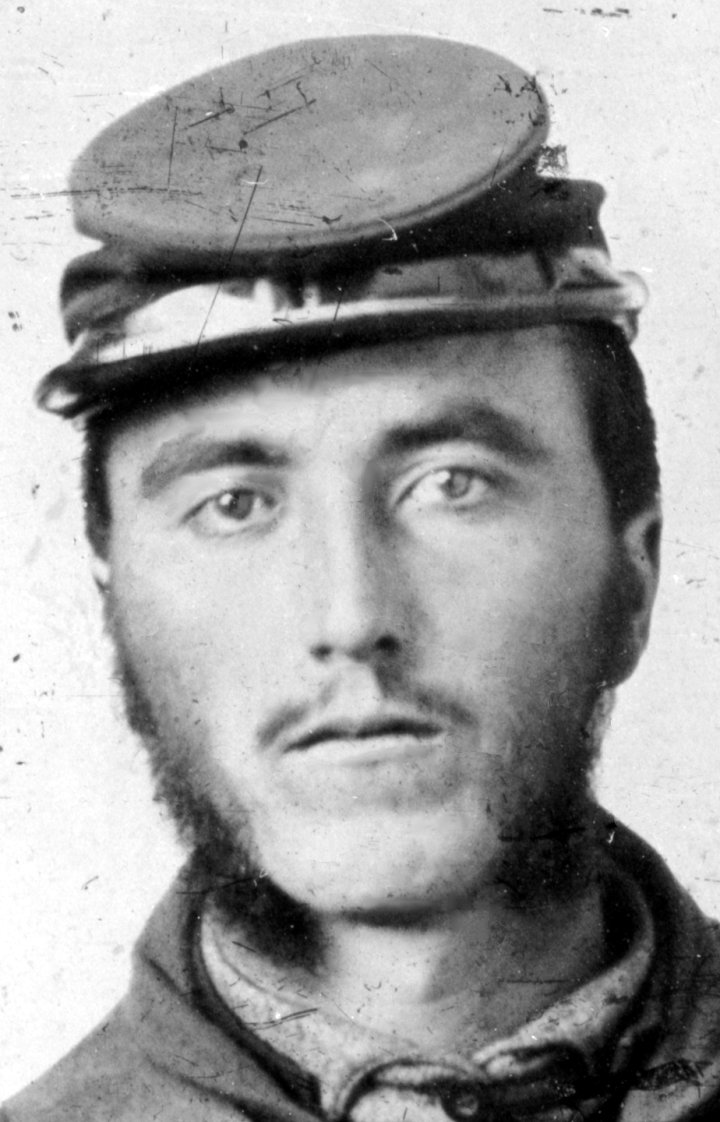
Pictures today are from The Library of Congress. They are Union soldiers, from the War Between the States. Both sides in this conflict believed that Jesus supported them. This is a repost.



Your Life On Text



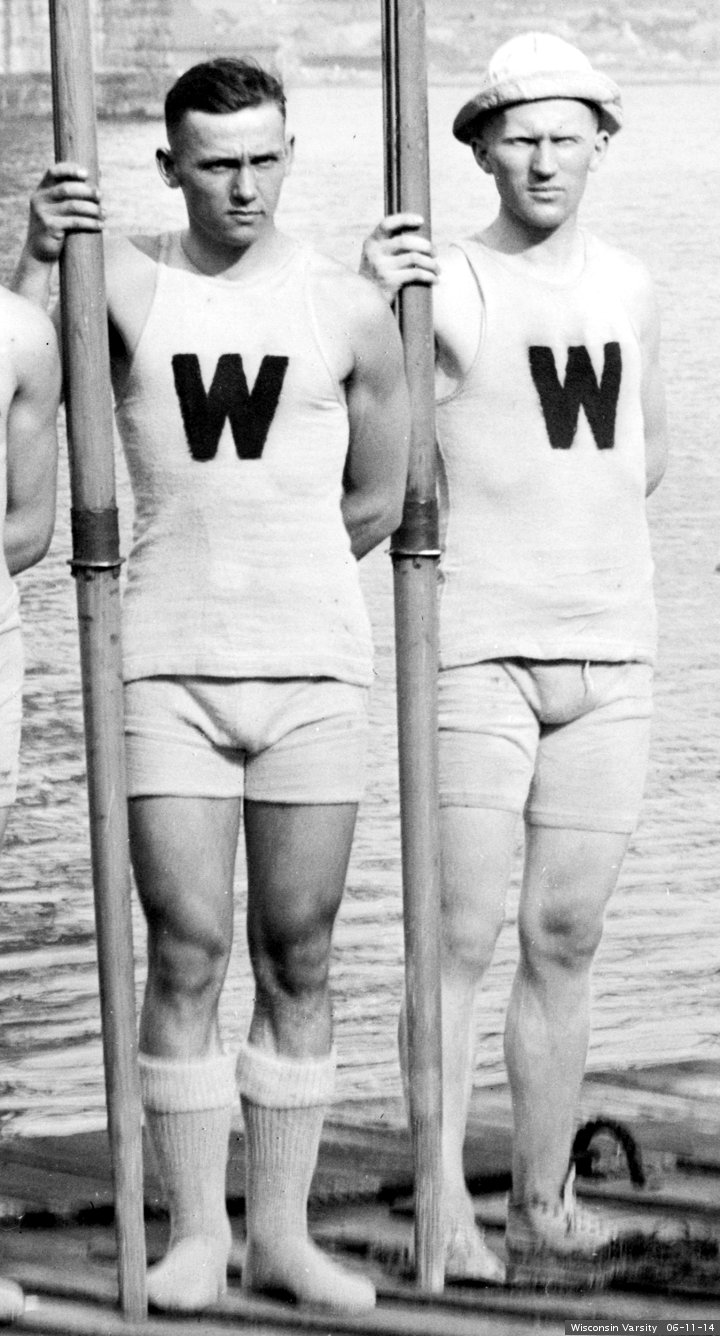

An all caps graphic washes up on the digital shores from time to time. The author, and copyright status, are not known. It was not written here. Reading it can be a chore, even though it looks cool. It is also selfish… the only opinion that matters is the individual reading it. It doesn’t have a good beat, but you can dance to it. Pictures are from The Library of Congress. This is a repost.
This is your life.
Do what you love, and do it often.
If you don’t like something, change it.
If you don’t like your job, quit.
If you don’t have enough time, stop watching TV.
If you are looking for the love of your life, stop:
They will be waiting for you when you start doing things you love.
Stop over analyzing, life is simple
All emotions are beautiful.
When you eat, appreciate every last bite.
Open your mind, arms, and heart to new things and people,
We are united in our differences.
Ask the next person you see what their passion is,
And share your inspiring dream with them.
Travel often, getting lost will help you find yourself.
Some opportunities only come once, seize them.
Life is about the people you meet, and the things you create with them
So go out and start creating.
Life is short. Live your dream, and wear your passion.
“Do you have to be a poet? If you don’t have to be a poet, be a prose writer. You’ll get further faster. Poetry — there’s probably more poetry published today than any time in the history of the world. Nevertheless, there is this — people think they have this blindness when they see a line in the typography of poetry, and it just blocks them. So if you can say the same thing in prose, you’ll probably be better off” Lawrence Ferlinghetti




30 Million Hits



Matt Walsh is a blogger. He used to have a radio show, but now intends to make his fortune as a writer. The product today is The two steps to getting 30 million hits on your blog. Yes, he has 30mil hits on his facility. This is 28,821,568 more than Chamblee54.
He has two suggestions for blogging success. Have good content, and plan to be a success. The first is common sense, which is usually a rare commodity. The second is motivational speaker pablum. Raw ambition is seldom fun to read.
Mr. Walsh is a self proclaimed conservative. The last post, before the 30 mil thing, was about abortion. It was textbook straw man rhetoric. He said that some people, who oppose policemen killing puppies, are pro choice. An entire post was spent calling both of these people hypocrites. At last glance, there were 1029 comments. Yes, this sort of thing is popular.
The first time PG heard about Mr. Walsh was a couple of weeks ago. A facebook friend posted a link to a story about people who have great confidence in themselves, and base it on having great confidence in themselves. They are planning to be successful. The post featured a quote, allegedly by Marilyn Monroe. The quote is phony. PG has not seen a comment by Mr. Walsh about the dubious quote. Maybe, if you admit making an error, you are not planning to be a success.
Towards the end of today’s post, Mr. Walsh sells his scheme. “If you don’t have these two covered, I guarantee that your blogging exploits will fail, and fail spectacularly.” It depends on what you mean by failure. PG does not consider himself a failure. He is doing something that he enjoys. A handful of readers enjoy it. His skills as a photo editor have improved spectacularly. Maybe the 30 million hits will come some day. Maybe not. It has been a good ride so far, and it is far from over.
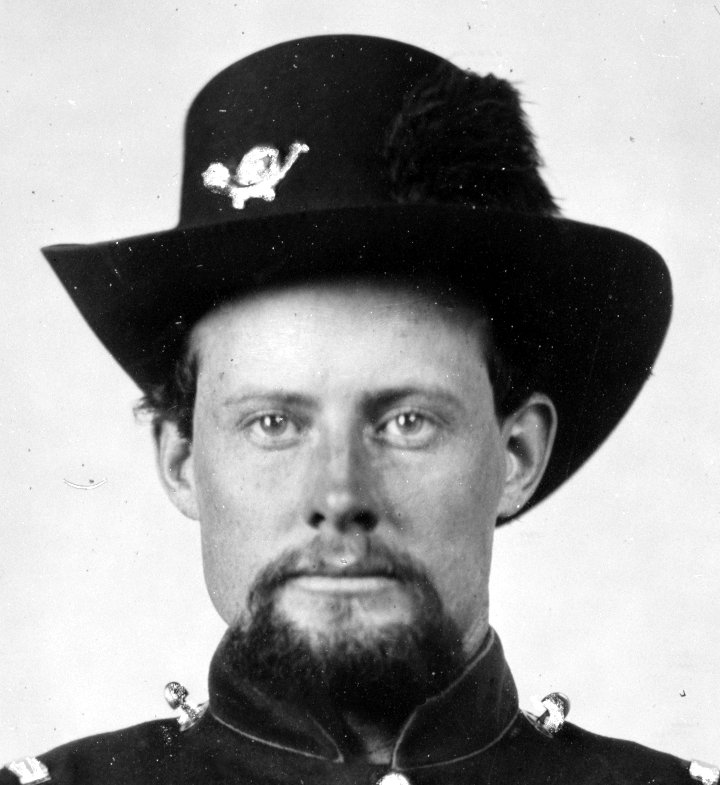
If anyone is interested, Chamblee54 has a page on How To Blog. Pictures are from The Library of Congress. This are Union Soldiers from The War Between The States. They did what they thought was right, and did not worry about being popular.




The Quote






A couple of facebook friends put up a link to a post, “If I can’t accept you at your worst, then maybe you should stop being so horrible.” The post is about the cult of self esteem. Lots of folks have oodles of confidence in themselves, which is based on having oodles of confidence in themselves. This is an annoying way to live, and PG agrees with the author of the post.
Part of the problem is Jesus worship religion. As the bumper sticker says, “Christians aren’t perfect, just forgiven.” Of course, many Christians are much better at being forgiven than they are at forgiving. If Jesus can die for your sins, why worry what a common sinner thinks?
The narrative drifts off course before long. The author discusses a quote… “If you can’t accept me at my worst, then you don’t deserve me at my best.”… “the original quote is from Marilyn Monroe. It’s even more vapid and nauseating when taken in its full context: “I’m selfish, impatient and a little insecure. I make mistakes, I am out of control and at times hard to handle. But if you can’t handle me at my worst, then you sure as hell don’t deserve me at my best.” Out of all the profundities ever uttered, what does it say about our society that THIS is the quote we’ve decided to take to heart?”
As veteran readers know, PG is suspicious of internet quotes. He went to the wikiquotes page for Miss Monroe, and did not find the quote. The next step is to google the quote. One of the results was Marilyn Monroe: That’s (Not) What She Said.
No one seems to know when Miss Monroe said this. The site linked above said the quote was out of character for Miss Monroe. This quote seems to be another figment of the digital imagination.
This makes the paragraph quoted above rather poignant. “It’s even more vapid and nauseating when taken in its full context … Out of all the profundities ever uttered, what does it say about our society that THIS is the quote we’ve decided to take to heart?” Maybe we should learn how to think critically.
Pictures are from The Library of Congress.




Rumi Said What?







The other day, PG was fumbling through facebook, and there was a lovely quote. “I am not this hair, I am not this skin, I am The Soul that lives within. Rumi.” The poem seemed like good words to paste in front of pictures. PG is squeamish about copyrights, and decided to see if the translation belonged to anyone. Veteran readers should know where this is going.
Jalāl ad-Dīn Muhammad Balkhī, also known as Jalāl ad-Dīn Muhammad Rūmī, has become popular with the meme crowd. Mr. Google says: Born: September 30, 1207, Vakhsh, Tajikistan Died: December 17, 1273, Konya, Turkey. With his name abbreviated to four easy to pronounce letters, translations of his poems are popular. Often, the words are pasted on beautiful pictures.
Some killjoys say that this is wrong. “Yet this popularization has had a price, and the price is a frequent distortion of Rumi’s words and teachings … The English “creative versions” rarely sound like Rumi to someone who can read the poems in the original Persian, and they are often shockingly altered– but few know this, and the vast majority of readers cannot but believe that such versions are faithful renderings into English of Rumi’s thoughts and teachings when they are not.”
Lets look at the quote that started this story. It has such a perfect rhythm, and such a catchy rhyme. What relation to the original does this have? Does anyone know the name of the original poem?
Mahmoud Ahmadinejad could tell you a few things about the difficulty of translating Farsi into English. This is even more true when the translator has an agenda. On Fox News, some are trying to lead to war. Those translating a thirteenth century poet are trying to create peace. While the meme motives may be more noble, their integrity in using languages is equally suspect.
The killjoy article has some examples of Rumi poem “versions,” with footnotes. One is “Not Christian or Jew or Muslim, not Hindu, Buddhist, sufi, or zen. Not any religion or cultural system.” The comment: ” …is especially absurd. There is no evidence Rumi knew much more about Judaism or Christianity than what is said in the Qur’an– not to speak of other religions.” (The source article goes into more detail about this quote, and about the specific so called translators.)
Pictures are from The Library of Congress. Spell check suggestion for Rumi: Rum.








Shut Up Franklin Graham



PG was researching a previous post, and decided to check up on little Ralphie Reed. His group’s website has a headline video, Franklin Graham: America Has Turned Its Back on God. It does not mention why anyone should care.
Franklin Graham’s claim to fame is his father. Billy Graham is a TV preacher superstar. The elder Graham is still alive, so it is fair to make negative comments. PG walked through the living room countless nights, and saw parents glued to the tube. The Billy Graham crusade was a staple of television. The blow dried superpreacher stood in front of a football stadium full of admirers, telling people how not to go to hell. Sin, salvation, send money. Is that all there is?
If Franklin Graham did not have a superstar father, he would be nobody. Life is not fair, and the opinions of Franklin Graham, and his sister, Anne Graham Lotz, are treated with the reverence Catholics give to the thoughts of the Pope. Franklin Graham has gotten a lot of attention with some rude comments about Muslims. Islam and Christianity use the same G-d.
It was some comments about G-d in the video that annoyed PG. “We’ve turned out back on G-d. We’ve taken G-d out of our schools. We’ve taken G-d out of our government.” Apparently, Franklin Graham and PG have different thoughts about G-d.
G-d is in everything and everybody. If you turn your back on G-d, she will still be looking you in the eye. If you have a room full of children, then G-d is present in that room. This idea of a puny G-d, that you can turn your back on, may be the most offensive thing ever said by the Graham family, Inc.
Pictures are from The Library of Congress. This is a repost.

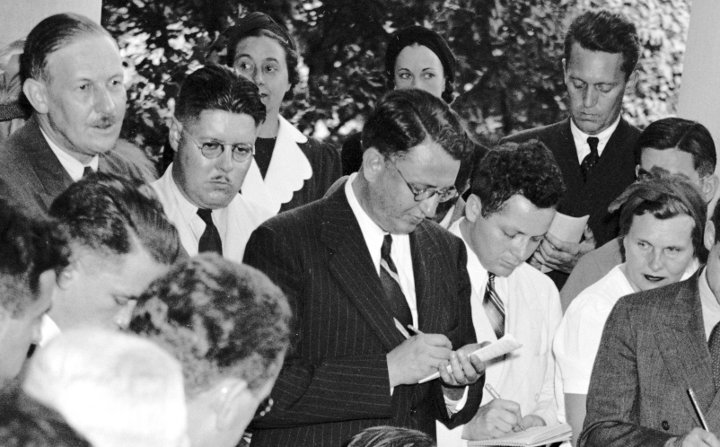
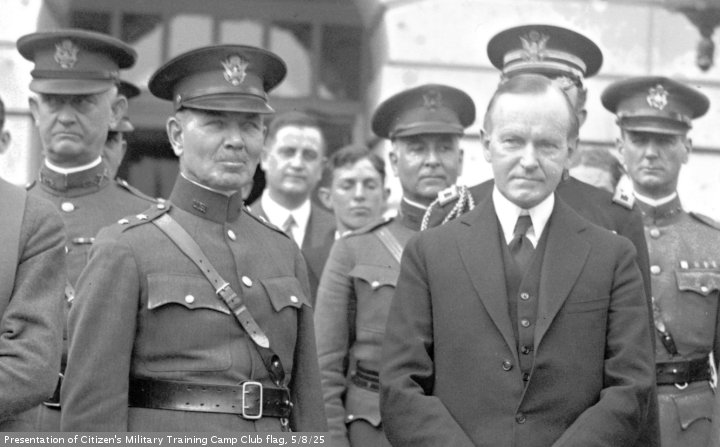

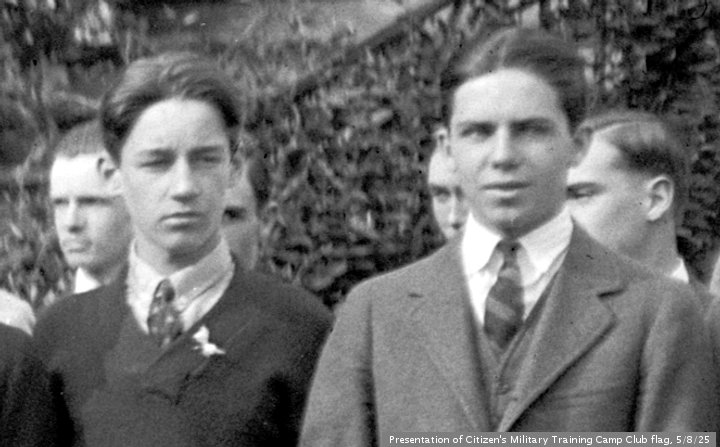
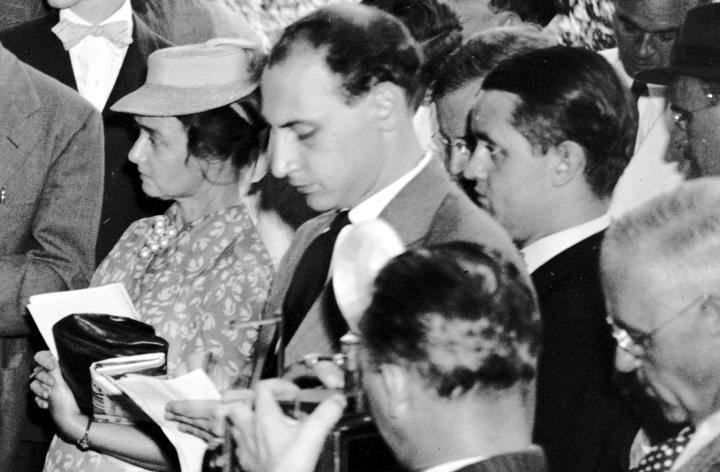

The Church Sign Part Two




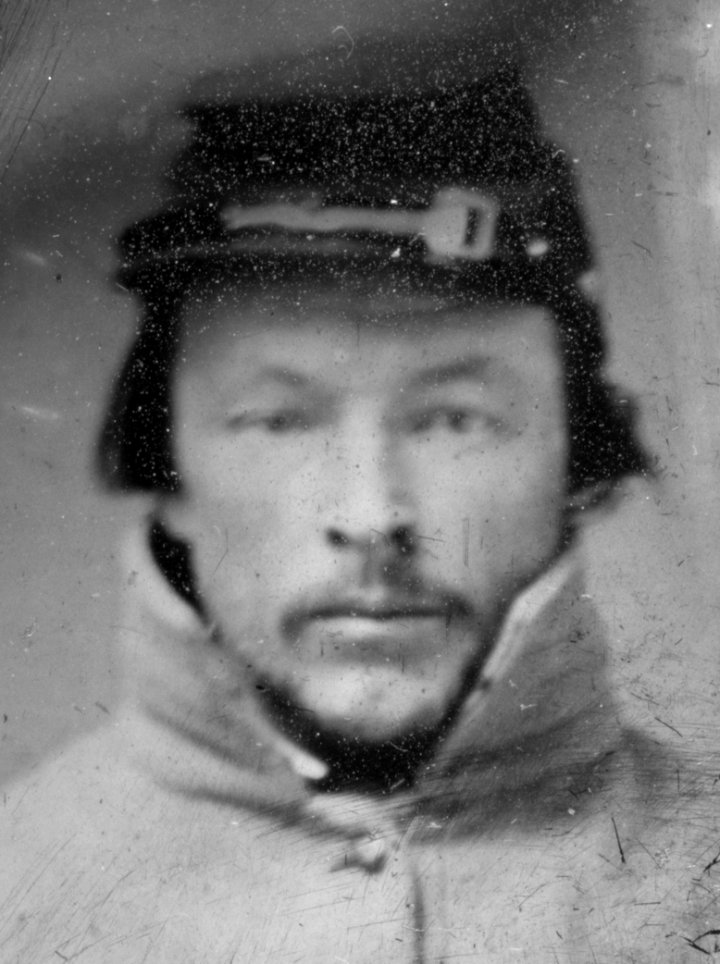
It had been a week since PG drove past the church sign at Briarcliff United Methodist Church. The church sent a thoughtful email, in response to the complaining message. The traffic on Briarcliff Road was just as rude as ever. PG took a look when he drove past the church. The new message this week: “In what missions did U last serve?“
Maybe they didn’t have a YO to spare. Maybe they are trying to appeal to the text message crowd. Maybe the comment was directed at nearby Mercer University. Maybe a Synagogue borrowed an OY.
When the Jesus worship church talks about missions, they usually mean an effort to convert people to their brand of religion. This is a part of Christianism that many find tasteless. This product promotion frequently turns into a violation of the third commandment… the injunction against improper use of a sacred name. When you create ill will, you are speaking in vain.
When PG got home, he decided to create a meme poem. He also did not feel moved to write fresh text. A decision was made to use already created material, out of the public domain. A search of the book of Psalms located a short chapter, with a number that is popular at this blog. Hence, the current presentation of Psalm 54.
While this effort was in production, PG thought about the mission he was on. The idea was to rescue this text from the improper way in which it is used. It should be a source of beauty, not a weapon to bludgeon people into agreement. Psalm 54 is a poem, written by a human being, not a message from G-d. When you make a G-d out of a book, you do no favor to either the G-d, or the book.
In the end, the effort had mixed results. The text has an air of vengeance. G-d was supposed to get even with your enemies. The idea that your enemies might be the children of G-d is forgotten.
Pictures are from The Library of Congress. These are Union soldiers from the War Between the States. They served on a tough mission.



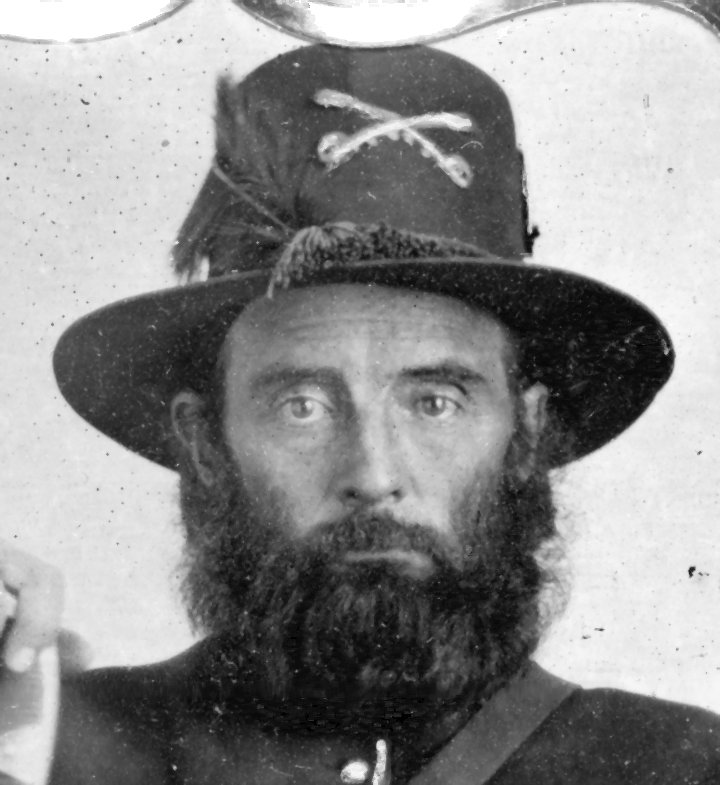

Wrongly Attributed Statement

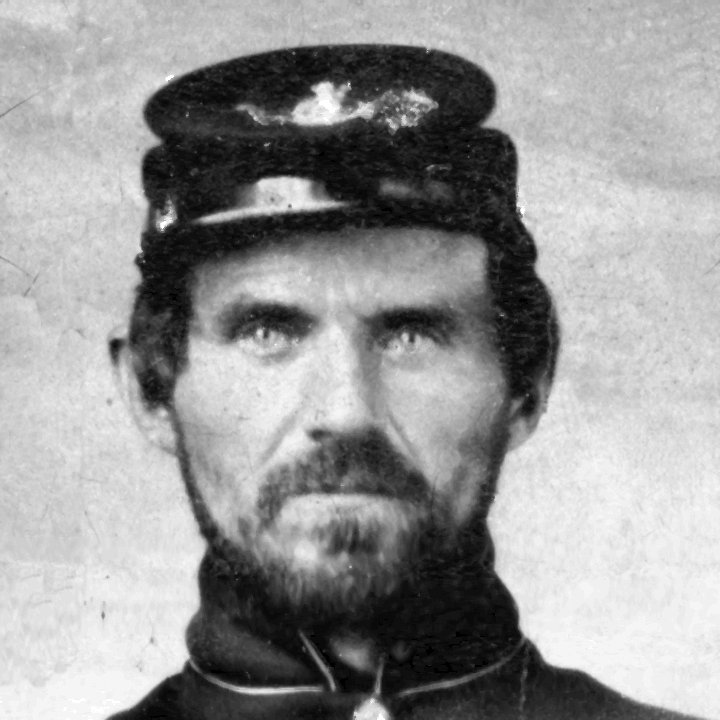


It was not the first pleasant morning spoiled by a visit to facebook. A well meaning friend posted this: “An interesting article, no doubt written with Luther Mckinnon in mind: Who Really Said That?” Apparently, someone has a reputation for poking *pin prick needles* in the hot air of quote balloons. A discussion of the article should make for a good excuse to post some pictures.
The feature was posted in The Chronicle of Higher Education. There are references to obscure trends, There are French words, in italics. It rambles when it should rambo. Worst of all, it refers to a facility for checking out quotes, Quote Investigator, without giving a link. This is tough to forgive. Links are so easy to put in an online article, and allow a reader to see the information without the filter of academia. It is the digital equivalent of a footnote, and much easier to install.
The operating acronym here is WAS, for Wrongly Attributed Statement. This has potential. You can have Wrongly Attributed Statement Ho, or WASH. You can have Wrongly Attributed Statement Perpetrator, or WASP. You can have Wrongly Attributed Statement Terror Export, or WASTE.
Corey Robin, the author of the skeptifest, says that trying to authenticate a WAS can be an all day affair. PG discovered that when writing about the Seven Brilliant Quotes. The wikiquote method emerged. You copy the wikiquote post about the source in question. You should save this document, because you will probably use it again. Take a key word from the quote in dispute, and search for it. Either the quote is real, almost real, or phony. If you can’t tell one way of another, just say that it cannot be attributed. Prove is a misleading word.
Does it matter? Some say it doesn’t, that even if the famous person did not mouth the magic words, then he probably said something similar. “It sounds like something she would have said.” Of course the context does matter. It is good to know why the famous person said what he did. And then there is the mythical tribute to authority. Some people seem to think that a saying is more true if a famous person said it. Mark Twain just wants his royalties.
Mr. Robin trots out the venerable chestnut, “The only thing necessary for the triumph of evil is that good men do nothing.” When PG took on this trojan horse, it was blamed on Thomas Jefferson If he had done nothing, Sally Hemmings would not be famous.
“The only thing…” is one of those sayings that sound good until you think about it. The good people in Germany tried in 1931, but Mr. Hitler was a bit meaner. It wouldn’t be surprising if mustache man used a German version of that saying in his speeches. Plenty of bad guys have the crowd convinced that they are good guys. Maybe the saying should go “The only thing necessary for the triumph of evil is that good men get confused by inspiring rhetoric”.
Telling the truth can be a lonely business. People don’t like to be told that Santa Claus does not exist. They want to believe in something. It makes them feel better if Albert Einstein agrees with them. PG used to let his BS detector run wild. He got tired of constantly buying batteries for it. These days, it is easier to let people have their heroes.
The Library of Congress supplied the pictures for today’s entertainment. These men were Union soldiers in the War Between the States. These men thought they were saving the Union.





Seven Brilliant Quotes
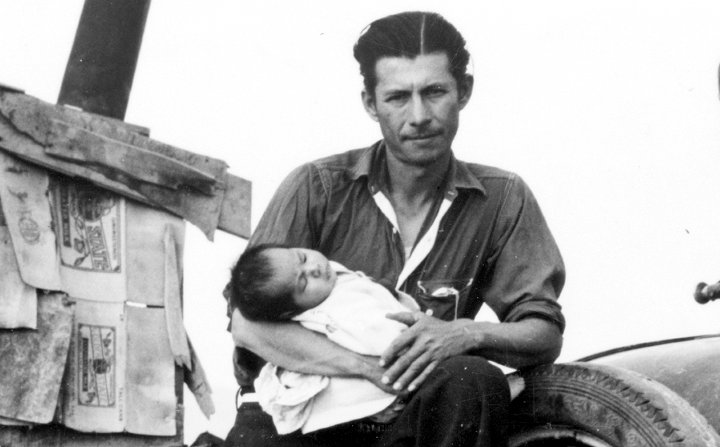








There is a little graphic floating around, Seven Brilliant Quotes. Some find these sayings to be inspirational. PG smells a rat. Here are the seven quotes:
William Shakespeare – Never play with the feelings of others because you may win the game but the risk is that you will surely lose the person for a life time.
Napoleon Bonaparte – The world suffers a lot. Not because of the violence of bad people, but because of the silence of good people.
Albert Einstein – I am thankful to all those who said NO to me. Its because of them I did it myself.
Abraham Lincoln – If friendship is your weakest point then you are the strongest person in the world.
Martin Luther King Jr. – We must learn to live together as brothers or we will perish together as fools.
Mahatma Gandhi – The weak can never forgive. Forgiveness is the attribute of the strong.
Abdul Kalaam – It is very easy to defeat someone, but it is very hard to win someone.
If nothing else, research into the veracity of these quotes should provide some amusing text to go between the pictures. When you go looking in the land of google, there is no telling what you will find. During this expedition, the first page rule will be in effect. Only results on the first google page will be considered. The NB quote has 1.7 million results, which is too much work.
Lets begin with Willie the shake. Did he really say “Never play with the feelings of others because you may win the game but the risk is that you will surely lose the person for a life time.”? Or, as they say in the Yahoo village, Does anyone know where this Shakespeare quote comes from?
hugeshantz Does anyone know where this Shakespeare quote comes from? I’ve seen this quote all over the internet, always attributed to Shakespeare, but I can’t find a legitimate source of where it comes from (i.e. a specific sonnet, play, speech, etc.): “Never play….” Can anyone help me out here?
Dude the Obscure This is 20th/21st century psychobabble. Shakespeare never wrote anything remotely resembling that. Please never trust any of these idiotic “internet quote sites.” They are all, all, all crap. I can’t believe that any intelligent person could think for a minute that this was written by Shakespeare. Really. Get some critical-thinking skills, child.
The next quote is by Napoleon Bonaparte, not Napoleon Dynamite. “The world suffers a lot. Not because of the violence of bad people, but because of the silence of good people.”
Before we consider the veracity of this quote, lets consider two things. NB did not speak english, so there is likely to be translation confusion. Second, the wars NB started caused widepread suffering. Little of this suffering was caused by the silence of good people.
The sources on page one do little except show the quote, usually with the credit going to NB. No one shows when or where he said it, or in what context. Brainyquotes doea not show it on the NB pages.
Number three is from Albert Einstein.” I am thankful to all those who said NO to me. Its because of them I did it myself.” According to Shelly Winters, Marilyn Monroe did not say no to Dr. Einstein. Google has a doozy of a forum, Misquoting Einstein?.
Jimmy Snyder says the quote has been attributed to Dorothy Parker, Yogi Berra, William Shakespeare, The Bible, Benjamin Franklin, and Groucho Marx. This is a clue that the quote is bogus.
zoobyshoe’s I just found this an another wiki page discussing the quote page: “I am thankful …” This is being attributed to Einstein on the Internet, but it appears to come from Wayne W. Dyer’s book You’ll See It When You Believe It, page 54, according to Google Books. Dyer does not attribute it to Einstein, but mentions Einstein in the same paragraph. “In my office I have two framed posters. One is a picture of Albert Einstein, beneath which are the words “Great spirits have always encountered violent opposition from mediocre minds.” The other poster is made up solely of words: “I am grateful to all those people who said no. It is because of them I did it myself.” Great thoughts!”
Ryan_m_b’s “Never believe quotes you read on the internet” – Winston Churchill zoobyshoe’s His actual words were: “The internet has nothing to offer, but blood, tears, toil, and misquotes.”
It should not be surprising that Winston Churchill finds his way into this discussion. He has a taste for the spotlight, even 47 years after his demise. He is an example of how truthiness is sometimes all you need. His most famous speech was a radio address during a bad part of World War Two. The speech was read by an actor. England was inspired, and went on to win the war. Why should anyone worry if an actor gave his speech for him?
This is enough fun for one day. There will be a part two soon, and it will probably be full of number two. Pictures today are from The Library of Congress.






Welcome to part two of the Chamblee54 due diligence report on the Seven Brilliant Quotes. In part one, we checked out the first three. At no time was a source for the quote found. All three are suspect, with “misunderstanding” indicated in the Albert Einstein quote. It is amazing how quickly accepted these sayings are by the inspiration hungry public.
Getting back to business, did Abraham Lincoln say “If friendship is your weakest point then you are the strongest person in the world.” There are lots of links to this quote, in a variety of fonts and colors. Some have spectacular photography in the background. However, none of these links has a source for this quote, or any indication of the context.
Wikiquotes has 43,444 words about Abraham Lincoln. PG copied these words, and did a search for the word “friendship”. The quote from the poster was not found. The meme is missing. This wikiquotes test has been very useful for checking out quotes. It is not authoritative, but is a good place to start.
This type of research can be frustrating. Being inspired by beautiful words can give you strength and purpose. It can also make you feel foolish, when the lovely words are revealed to be lies. Being a cynic gets lonely. Children of all ages don’t like to be told that there is no Santa Claus.
The good news is that number five is for real. Martin Luther King gave a speech at Western Michigan University in 1963. There is a probably his standard speech, given many times. The second section of the speech is “Call for action.”
“The world in which we live is geographically one. Now we are challenged to make it one in terms of brotherhood. Now through our ethical and moral commitment, we must make of it a brotherhood. We must all learn to live together as brothers or we will perish together as fools. This is the great challenge of the hour. This is true of individuals. It is true of nations. No individual can live alone. No nation can live alone.”
“I can never be what I ought to be until you are what you ought to be. You can never be what you ought to be until I am what I ought to be. This is the interrelated structure of reality. [W]e’re challenged after working in the realm of ideas, to move out into the arena of social action and to work passionately and unrelentingly to make racial justice a reality.”
“[W]e must never substitute a doctrine of Black supremacy for white supremacy. For the doctrine of Black supremacy is as dangerous as white supremacy. God is not interested merely in the freedom of black men and brown men and yellow men but God is interested in the freedom of the whole human race, the creation of a society where all men will live together as brothers.”
PG has written about the problem of quoting Mohandas Gandhi before. Supposedly he said “I love your Christ, but I dislike your Christianity.” PG thinks this is a fabrication.
The quote on the poster is “The weak can never forgive. Forgiveness is the attribute of the strong.” Wikiquotes has a link to Collected Works of Mahatma Gandhi Online. The next stop is page 302 of this section. Mr. Gandhi gave an “Interview to the press” in Karachi, on March 26, 1931. A freedom fighter named Bhagat Singh had been executed by the British three days earlier.
Do you not think it impolitic to forgive a government which has been guilty of a thousand murders?
I do not know a single instance where forgiveness has been found so wanting as to be impolitic.
But no country has ever shown such forgiveness as India is showing to Britain?
That does not affect my reply. What is true of individuals is true of nations. One cannot forgive too much. The weak can never forgive. Forgiveness is the attribute of the strong.
The bottom line is from Dr. Abdul Kalam. (The name is misspelled on the poster.) The phrase is “It is very easy to defeat someone, but it is very hard to win someone.” Many viewers have no idea who this person is. Once again, Wikiquotes comes to the rescue. “Dr. Avul Pakir Jainulabdeen Abdul Kalam (born 15 October 1931) Indian scientist and engineer; 11th President of India; generally referred to as Dr. A.P.J. Abdul Kalam.” The quotes are from Wings of Fire: An Autobiography of APJ Abdul Kalam.
A search for the word “defeat” did not show results. A search for “win” shows a few, but not the poster child. The phrase on the poster is also credited to John Keats. There is also the story of the student who argues with an atheist professor, and ultimately wins. The student is sometimes said to be Albert Einstein. In this version, Argumnent : What, Who is GOD?, the coda is “This seems to be a true story, and the student was none other than APJ Abdul Kalam, the former President of India “.
The research for part one consisted of entering the quote into a search engine. It was not until the Lincoln investigation that the method of copying wikiquote, and searching for a key word, was discovered. Out of a sense of fairness, the first three quotes will be investigated using this method.
For William Shakespeare, the search word was risk. There were no results. For Napoleon Bonaparte, the search word was violence. There was one result. “There is no such thing as an absolute despotism; it is only relative. A man cannot wholly free himself from obligation to his fellows, and not the one on the poster. For Albert Einstein, the search word was thankful. There were no results.
So, there are seven quotes in the motivational poster. Only two of the seven have a apparent source. Pictures today are from The Library of Congress. The 2013 edition is a repost. This version is edited, out of concern for the attention span of the audience.








Seven Brilliant Quotes Part One
There is a little graphic floating around, Seven Brilliant Quotes. Some find these sayings to be inspirational. PG smells a rat. Here are the seven quotes:
William Shakespeare – Never play with the feelings of others because you may win the game but the risk is that you will surely lose the person for a life time.
Napoleon Bonaparte – The world suffers a lot. Not because of the violence of bad people, but because of the silence of good people.
Albert Einstein – I am thankful to all those who said NO to me. Its because of them I did it myself.
Abraham Lincoln – If friendship is your weakest point then you are the strongest person in the world.
Martin Luther King Jr. – We must learn to live together as brothers or we will perish together as fools.
Mahatma Gandhi – The weak can never forgive. Forgiveness is the attribute of the strong.
Abdul Kalaam – It is very easy to defeat someone, but it is very hard to win someone.
If nothing else, research into the veracity of these quotes should provide some amusing text to go between the pictures. When you go looking in the land of google, there is no telling what you will find. During this expedition, the first page rule will be in effect. Only results on the first google page will be considered. The NB quote has 1.7 million results, which is too much work.
There are Four Principles of Quotation.
Principle 1 (for readers) Whenever you see a quotation given with an author but no source assume that it is probably bogus.
Principle 2 (for readers) Whenever you see a quotation given with a full source assume that it is probably being misused, unless you find good evidence that the quoter has read it in the source.
Principle 3 (for quoters) Whenever you make a quotation, give the exact source.
Principle 4 (for quoters) Only quote from works that you have read.
Lets begin with Willie the shake. Did he really say “Never play with the feelings of others because you may win the game but the risk is that you will surely lose the person for a life time.”? Or, as they say in the Yahoo village, Does anyone know where this Shakespeare quote comes from?
hugeshantz Does anyone know where this Shakespeare quote comes from? I’ve seen this quote all over the internet, always attributed to Shakespeare, but I can’t find a legitimate source of where it comes from (i.e. a specific sonnet, play, speech, etc.): “Never play….” Can anyone help me out here?
Dude the Obscure This is 20th/21st century psychobabble. Shakespeare never wrote anything remotely resembling that. Please never trust any of these idiotic “internet quote sites.” They are all, all, all crap. I can’t believe that any intelligent person could think for a minute that this was written by Shakespeare. Really. Get some critical-thinking skills, child.
The next quote is by Napoleon Bonaparte, not Napoleon Dynamite. “The world suffers a lot. Not because of the violence of bad people, but because of the silence of good people.”
Before we consider the veracity of this quote, lets consider two things. NB did not speak english, so there is likely to be translation confusion. Second, the wars NB started caused widepread suffering. Little of this suffering was caused by the silence of good people.
The sources on page one do little except show the quote, usually with the credit going to NB. No one shows when or where he said it, or in what context. Brainyquotes doea not show it on the NB pages. (This page has a picture of Mitt Romney and Paul Ryan, with the slogan “America’s comeback team.” DONATE.) The only good thing to come out of this search is this: Great truths that little children have learned. These thoughts are probably more valuable than the Seven Brilliant Quotes.
1) No matter how hard you try, you can’t baptize cats.
2) When your Mum is mad at your Dad, don’t let her brush your hair.
3) Never ask your 3-year old brother to hold a tomato.
4) You can’t trust dogs to watch your food.
5) Don’t sneeze when someone is cutting your hair.
6) Never hold a Dust-Buster and a cat at the same time.
7) You can’t hide a piece of broccoli in a glass of milk.
8) Don’t wear polka-dot underwear under white shorts.
9) The best place to be when you’re sad is Grandpa’s lap.
10) If your sister hits you, don’t hit her back. They always catch the second person.
Number three is from Albert Einstein.” I am thankful to all those who said NO to me. Its because of them I did it myself.” According to Shelly Winters, Marilyn Monroe did not say no to Dr. Einstein. Google has a doozy of a forum, Misquoting Einstein?.
Jimmy Snyder says the quote has been attributed to Dorothy Parker, Yogi Berra, William Shakespeare, The Bible, Benjamin Franklin, and Groucho Marx. This is a clue that the quote is bogus.
shinokk So, I’ve recently come across the following quote: “I am thankful …” I’ve tried googling to see if there’s any proof he actually said that, but my search yielded little to no result. So, now I’m here and I need your help. Does anyone know if Einstein really said this?
zoobyshoe This is the place to go to find the history of Einstein quotes: http://en.wikiquote.org/wiki/Albert_Einstein I can’t find this one. It is always possible it’s a heavily paraphrased version of something he said at one point, but it strikes me as more likely it’s a quote from someone else erroneously attributed to him.
dipole I doubt very much that many people told Einstein “no”.
zoobyshoe’s I just found this an another wiki page discussing the quote page: “I am thankful …” This is being attributed to Einstein on the Internet, but it appears to come from Wayne W. Dyer’s book You’ll See It When You Believe It, page 54, according to Google Books. Dyer does not attribute it to Einstein, but mentions Einstein in the same paragraph.
“In my office I have two framed posters. One is a picture of Albert Einstein, beneath which are the words “Great spirits have always encountered violent opposition from mediocre minds.” The other poster is made up solely of words: “I am grateful to all those people who said no. It is because of them I did it myself.” Great thoughts!”
Ryan_m_b’s “Never believe quotes you read on the internet” – Winston Churchill
zoobyshoe’s I believe his actual words were: “The internet has nothing to offer, but blood, tears, toil, and misquotes.”
It should not be surprising that Winston Churchill finds his way into this discussion. He has a taste for the spotlight, even 47 years after his demise. He is an example of how truthiness is sometimes all you need. His most famous speech was a radio address during a bad part of World War Two. The speech was read by an actor. England was inspired, and went on to win the war. Why should anyone worry if an actor gave his speech for him.
This is enough fun for one day. There will be a part two soon, and it will probably be full of number two. Pictures today are from The Library of Congress.
Jesus And Mr. Gandhi
One day, PG is going to learn not to read facebook first thing in the morning. He was scrolling along, minding his own business, when he found this comment: “Are you kidding me. Judge NOT least you are JUDGE. You have NO right nor do I as a Christain to interpet one man’s thought or opinion or idea of whom our CHRIST is to HIM (Ghandi) or to you or myself. Self judging of other people or life styles was one the things that really ticked Christ off. Til we accept that and stop be so judgmental we are no better than the Devil himself.” PG had a reply: “1-When you have religion shoved in your face, you need to make a judgement… do I agree with this, or not agree? If the religion was not forced upon us, we would not have to make this judgement. 2- When you say I am the devil, you say more about yourself than you do about me.”
The first comment was made by a former supervisor of PG. “Wildman” was the store manager when PG was tormented by the Professional Jesus Worshiper (PJW). During this crucible, PG was forced to re-examine his opinions about Jesus. This was not easy for PG, as Jesus had long been a painful presence in his life.
PG decided that there were two forces known as Jesus. One was the historic figure, whose life was partially recorded in the bible. The second Jesus was a spirit, living in the hearts of those who believe in him. The present day spirit Jesus has little in common with the historic Jesus, other than the name. The best way to know Jesus is through the words and deeds of his believers.
The initial comment was made to a post at Christianity.com. Apparently, the comment was automatically posted to facebook. The post, Gandhi Doesn’t Like Us, was written by Tim Challies. He is a popular Jesus worship blogger, and is much admired at blogs where PG is banned from commenting. The page is sponsored by Christians United For Israel. They are distributing a free ebook, Israel 101, with the slogan “Defend the land Jesus walked.”
Mr. Challies is a competent writer. He crafts an opening to the post which states the points he is going to make. “How many times have you come across this quote attributed to Mahatma Gandhi? “I like your Christ. I do not like your Christians. Your Christians are so unlike your Christ.” I must have read it a hundred times in books, magazines, articles, tweets. It is used by believers and unbelievers to point to the hypocrisy of Christians and to call us to more and to better. Our inability to live what we preach is driving the multitudes away. Or so we are told. After all, that’s what Gandhi said.
We need to stop using this quote and I’m going to give you two good reasons to do so. In the first place, Gandhi was hardly an authority on Jesus. When he says, “I like your Christ” he is referring to a Jesus of his own making, a Jesus plucked haphazardly from the pages of Scripture, a Jeffersonian kind of Jesus, picked and chosen from the accounts of his life. “
PG agrees with Mr. Challies, but for different reasons. To begin with, no one seems to have a source for this quote. What was the context? What language was it said in? This quote is the best answer Mr. Google can supply:
“A 1926 review by the Reverend W.P. King (then pastor of the First Methodist Church of Gainesville, Georgia) of E. Stanley Jones’s The Christ of the Indian Road (published in 1925 by The Abington Press, New York City) includes the following: Dr. Jones says that the greatest hindrance to the Christian gospel in India is a dislike for western domination, western snobbery, the western theological system, western militarism and western race prejudice. Gandhi, the great prophet of India, said, “I love your Christ, but I dislike your Christianity.” The embarrassing fact is that India judges us by our own professed standard. In reply to a question of Dr. Jones as to how it would be possible to bring India to Christ, Gandhi replied: First, I would suggest that all of you Christians live more like Jesus Christ. Second, I would suggest that you practice your Christianity without adulterating it. The anomalous situation is that most of us would be equally shocked to see Christianity doubted or put into practice. Third, I would suggest that you put more emphasis on love, for love is the soul and center of Christianity. Fourth, I would suggest that you study the non-Christian religions more sympathetically in order to find the good that is in them.”
The quote is less than 100 years old, and it is disputed. The reputed words of Jesus were said in Aramaic. They were quoted, after his death, by scribes who never met Jesus, in Greek. These texts were copied by hand and compiled into a canon for the Catholic church. This canon was translated into contemporary languages. And yet, this record of the teachings of Jesus is regarded as the verbatim, inerrant truth.
Another problem with the quote is the use of the word “Christ”. This was an honorific title, and not the name of Jesus. (Some say that the name was closer to Joshua. It was probably an Aramaic name that we would find difficult to pronounce.) There are many people who say that Jesus might not be the Christ.The two names are not synonymous, nor is Christ the last name of Jesus.
Mr. Gandhi had some name issues as well. His birth name was Mohandas Karamchand Gandhi. Many today refer to him as Mahatma Gandhi. “The word Mahatma, while often mistaken for Gandhi’s given name in the West, is taken from the Sanskrit words maha (meaning Great) and atma (meaning Soul). Rabindranath Tagore is said to have accorded the title to Gandhi. In his autobiography, Gandhi nevertheless explains that he never valued the title, and was often pained by it.”
Mr. Gandhi went to school in England, and worked as a barrister in South Africa. He was a smart man. If you want to put a quote from Mr. Gandhi on your vehicle, here are a few options:
“G-d has no religion”
“Be the change you want to see in the world.”
“Nobody can hurt me without my permission.”
“Be the change you want to see in the world.”
“The weak can never forgive. Forgiveness is the attribute of the strong.”
“Whenever you are confronted with an opponent. Conquer him with love.”
“The best way to find yourself is to lose yourself in the service of others.”
“The weak can never forgive. Forgiveness is the attribute of the strong.”
“Live as if you were to die tomorrow. Learn as if you were to live forever.”
“One who has any faith in G-d should be ashamed to worry about anything ”
As we said earlier, Gandhi Doesn’t Like Us offers two reasons to not use the quote by Mr. Gandhi. Lets take a look. “Whatever Jesus Gandhi liked was certainly not the Jesus of the Bible. Why then should we care if we do not attain to this falsified version of Jesus? I would be ashamed to have any appearance to the kind of Jesus that Gandhi would deem good and acceptable and worthy of emulation. That Jesus would, of course, have to look an awful lot like Gandhi. So there is one good reason to stop using this quote: because Gandhi fabricated a Jesus of his own making and declared his affection only for this fictional character. He never liked the real thing”.
Arguably, this is what the contemporary church does. The light skinned Jesus of velvet paintings looks little like the real thing. Even critics of the church, who like to talk about what “Jesus really taught”, are relying on the product of a Catholic committee. The truth is, we don’t know very much about the historic Jesus. We fill in the blanks to suit whatever the current agenda is. What you think about Jesus says more about you than it does about Jesus.
Here’s a second reason. Gandhi had a fundamental misunderstanding of himself and of the rest of humanity. Gandhi no doubt loved the way that Jesus related to the downtrodden and disadvantages and assumed that he himself was a leper or Samaritan, when really he was a Pharisee. … Perhaps he might even have deigned to put himself in the place of the Prodigal Son, a man who had gone astray but then found hope and redemption. Whatever the case, the Jesus he liked must have been a Jesus who would love and accept him just as he was and not a Jesus who declared that even a man as good as he was an enemy of G-d.
Jesus spoke kind words and did great deeds; he comforted and healed and gave hope and a future. But not to everyone. Jesus reserved the harshest of words for the religious elite, those who declared that they were holy, that they understood the nature of G-d, that they had achieved some kind of enlightenment. Jesus had no love for such people. It was such people who received the sharpest of his rebukes and the most brutal of his “Woes!” They were the whitewashed tombs, the broods of vipers, the blind guides. Such men did not love Jesus. They may have loved Gandhi’s fabricated Christ but they hated the real one.
Who is the “religious elite” elite of today? Perhaps it is someone who publishes on a slick website, with an ad supporting the abuse of the Palestinian people. Perhaps it is the preacher in Lithonia who uses Jesus to lure teenage boys into his bedroom. Perhaps it is the PJW who conducted a vulgar ministry while working on the clock for redo blue. This PJW ended a tirade with the words, What you see is Jesus changing my life. Perhaps it is those who use Jesus to hurt people. The list goes on and on.
This Jesus, the Jesus of the Bible, would have rebuked Gandhi as he rebuked the Jewish leaders of his day, the people who led people walking behind them on the road to hell. Like them, he was convinced of his own goodness, his own worthiness. There are two good reasons to stop using this quote: Gandhi liked only the Christ of his own making and he believed that he was worthy of the favor of this Christ. On both accounts he was wrong; dead wrong.
Pictures today are from The Library of Congress. They are Union soldiers, from the War Between the States. Both sides in this conflict believed that Jesus supported them.
 Chamblee54
2 comments