Snob Supremacy
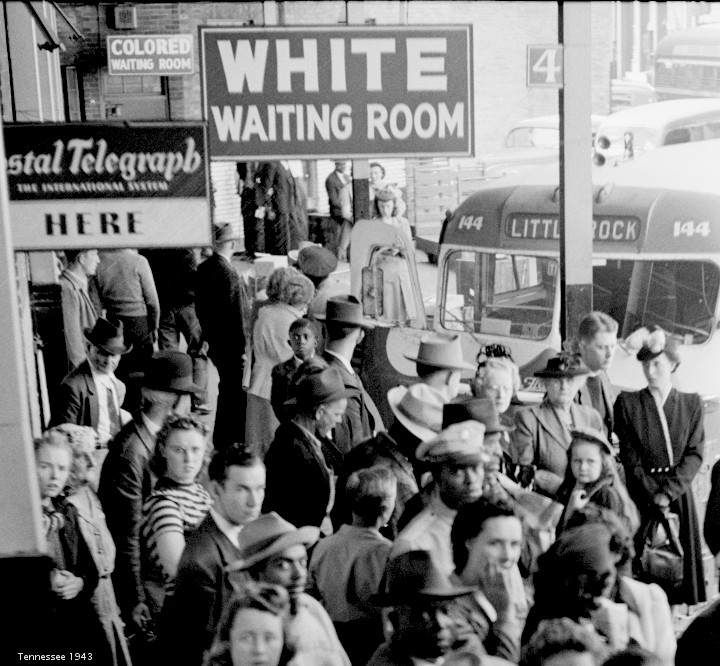


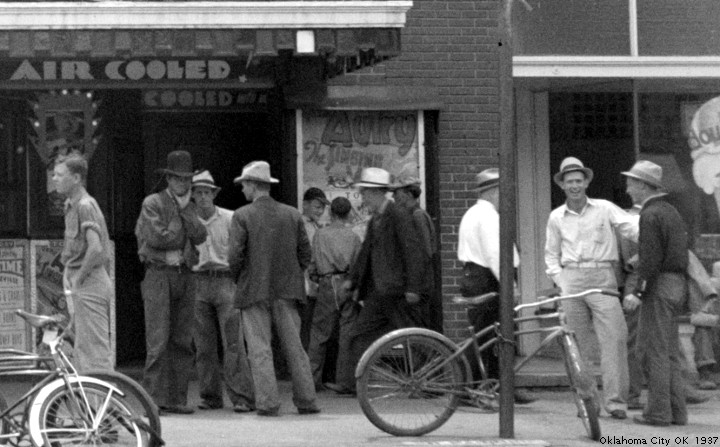

This is a double repost. There are quotes from a defunct site, Owldolatrous. Pictures are from The Library of Congress. This was written in the style of H. P. Lovecraft.
What is a snob? PG always thought it was someone who thought he was better than others. This is one of the “sins” that most people denounce, and then practice. Who doesn’t see someone that is just a few notches below you on the scale of human coolness?
A trip to the dictionary yields this: 1-a person who imitates, cultivates, or slavishly admires social superiors and is condescending or overbearing to others. 2-a person who believes himself or herself an expert or connoisseur in a given field and is condescending toward or disdainful of those who hold other opinions or have different tastes regarding this field: a musical snob.
The origin of the word is amusing. Snob was a nickname for a cobbler, or someone who makes shoes. This is a working class occupation, but one that is needed by all people. How this would become a label for someone who “puts on airs” is a mystery.
There are snobs in a book PG is reading, “The city of falling angels” by John Berendt. An American writer goes to live in Venice, and has tales to tell. At one point, there is a dispute in an organization devoted to restoring stuff in Venice, and some of the players are labeled snobs. On page 318, there is a definition of a snob. You can be a snob upwards, by working the people on a level above you. Or, you can be a snob downwards, by being rude to those on a level below you.
The reader may have figured out by now that this post is going to ramble for a few paragraphs and not really go anywhere. The practice of “uppity”, or “putting on airs”, is hard wired into the consciousness of almost everyone. Like telling the truth and lying, no one wants to admit to being a snob, and yet almost everyone plays the game on some level.
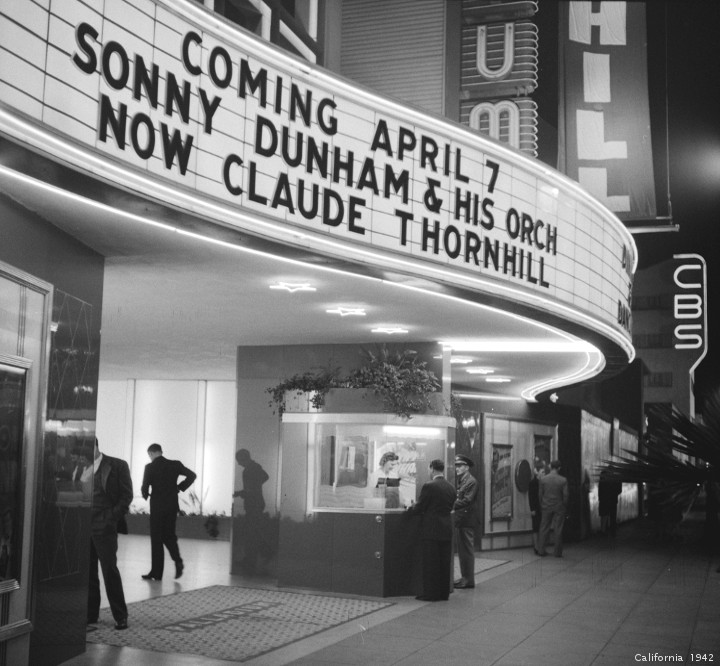

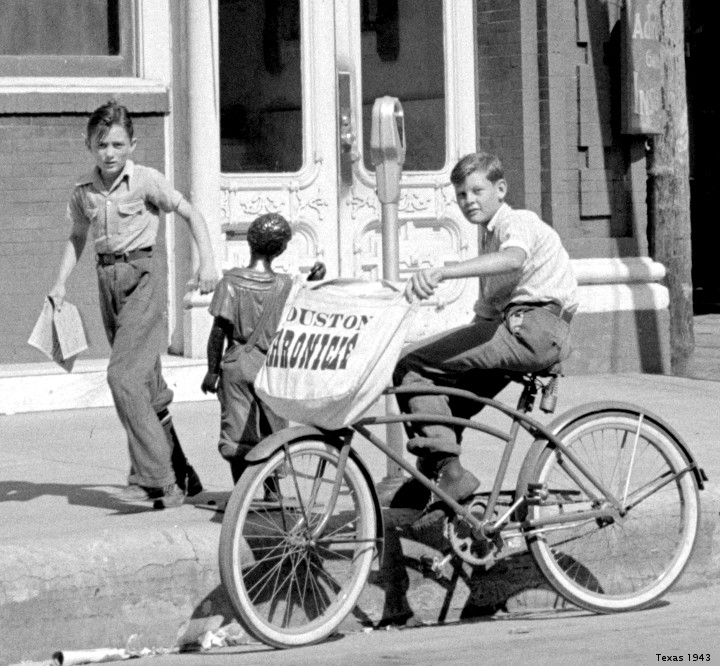

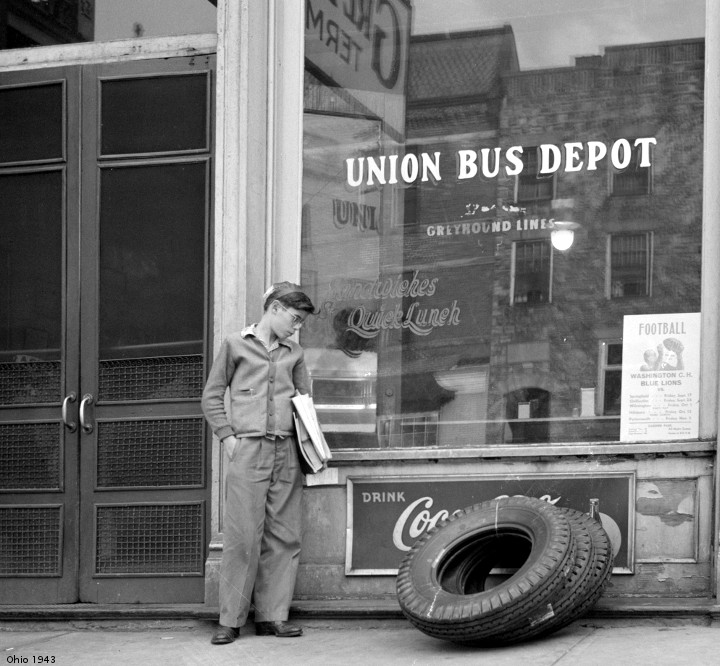

“Supremacy is the habit of believing or acting as if your life, your love, your culture has more intrinsic worth than those of people who differ from you. Supremacy can be about race, but it doesn’t have to be. Supremacy and hate aren’t identical, but they often go together. Some people turn supremacy into an over-arching philosophy. For most, it’s just a habit of mind. As a habit of mind, supremacist ideas can spring up in anyone. Being liberal doesn’t make you immune. Being gay doesn’t make you immune. Being a minority doesn’t make you immune.”
There is more, but this is enough for our morning discussion. Supreme, Supremacy, Supremacism, Supremacist. It is not just for white people. The whole business of thinking that you are somehow better than your neighbor is part of being a human being. Think about it, aren’t there some people that you think you are better than? Of course there are. You are a competitive animal, and you have to win sometimes. You, and your tribe, are just better than that other tribe.
PG saw a sign over a desk once. I have never met a snob who was not a born liar. Above this sign was a plastic case. In the plastic case was a white dress shirt, with an ink stain in the front pocket. Like telling the truth and lying, no one wants to admit to being a snob. Still, almost everyone plays the game. Maybe the sign should have read “I have never met a human being who was not a born liar.“ Many of those lies begin with “I am not a ___.”
There is a concept, mythos over logos. The idea is, when you present people with information that contradicts a long held belief, the person will ignore the information and stick to the belief. This is related to the concept of supremacy. What happens when you think you are better than a person, and you get evidence that the person is better than you? You will ignore that evidence, and continue to believe the person is inferior to you. It helps when your magic book agrees with you.
Is Anti-Racism a form of supremacy? PG associates with a so called “radical community”. There has recently been a rabid discussion about racism. Now, this is a pretty enlightened bunch. The type of virulent racism that PG saw growing up in Georgia is simply not there. This does not stop the Anti Racist Supremacist Egophile (ARSE) from looking for racism to combat. The ARSE will expand the definition of racism to include every PWOC, except him them and his their immediate tribe.

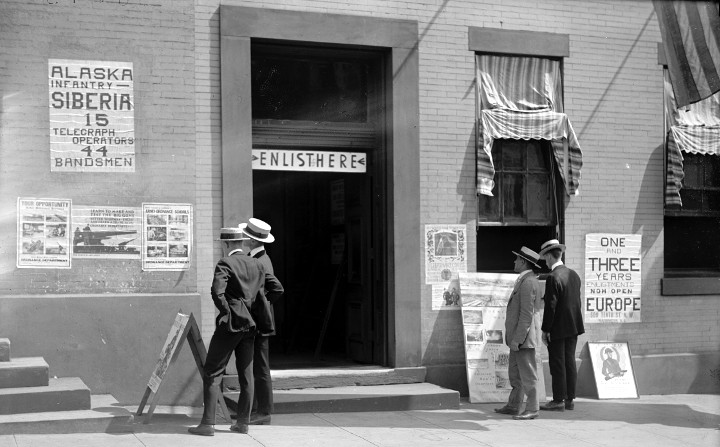
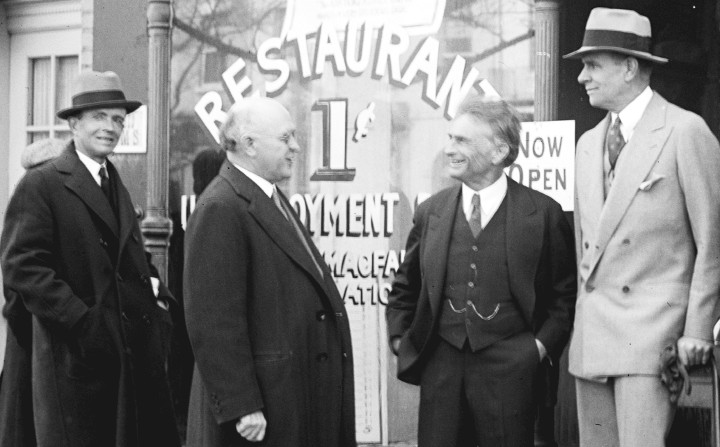

Destroy The Village To Save It


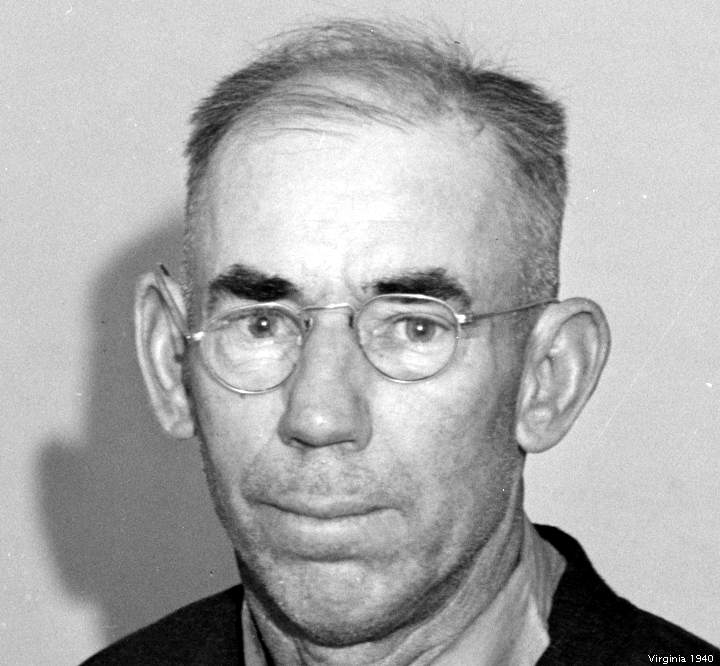




“It became necessary to destroy the town to save it.” This is one of the most familiar lines about the Vietnam War. It is often cited today, when discussing the response to COVID-19. Who said this?
It was “originally reported by Peter Arnett of the Associated Press, who quoted an unidentified American officer on why the village of Ben Tre was leveled during the Tet Offensive in early 1968. … A two-paragraph version of the AP dispatch was buried on page 14 of The New York Times, with no byline,” on Feb. 8, 1968. … “BENTRE, Feb. 7 (AP) It became necessary to destroy the town to save it,” a United States major said today. He was talking about the decision by allied commanders to bomb and shell the town regardless of civilian casualties, to rout the Vietcong.”
“Almost instantly, however, the line was being misquoted everywhere. On Feb. 10, an Oregon newspaper rendered it “We had to destroy the village in order to save it.” Two weeks later the St. Louis Post-Dispatch reported on a group of protesters carrying a banner that read, “It Was Necessary to Destroy the Village in Order to Save It.” In whatever form, the words had become a mantra of the anti-war movement, a … summary of what was wrong with the entire Vietnam adventure.”
“The day before Arnett’s story ran, the Times’s James Reston had asked in his column, “How do we win by military force without destroying what we are trying to save?” … Associated Press itself had used a similar phrase almost exactly a year before Arnett’s dispatch. In late Jan. 1967, the AP distributed a wire photo of a different village with a caption that read in part: “The Americans meantime had started to destroy the village to deny it to the Viet Cong.” The photograph was published across the country. One wonders whether the officer Arnett was quoting had come across the caption the previous year.”
“But the actual father of the metaphor — the man who put it into roughly the form we know today — seems to have been Justice Edward White of the U.S. Supreme Court. In a 1908 decision known as the Employers’ Liability Cases, the justices were asked to give a narrow reading to a congressional enactment concerning common carriers in the District of Columbia. The court refused. The requested reading, according to White’s opinion for the majority, would in effect add a new clause to the statute. He then explained why doing so would be wrong: “To write into the act the qualifying words therefore would be but adding to its provisions in order to save it in one aspect, and thereby to destroy it in another — that is, to destroy in order to save, and to save in order to destroy.””
The fighting in Ben Tre took place during the Tet Offensive. This is widely seen as a turning point in America’s involvement in that conflict. “On January 30 1968 … the North Vietnamese and the Vietcong launched a massive military offensive that proved the battle raging in Southeast Asia was far from over, and that President Lyndon B. Johnson’s administration had grossly oversold American progress to the public. Although U.S. troops ultimately ended the offensive successfully, and the North Vietnamese and the Vietcong suffered brutal loses, these bloody weeks triggered a series of events that continue to undermine Americans’ confidence in their government.”
“Cronkite was so shocked at the devastation of the communists’ Tet offensive that he went over to see for himself what was really going on.” On February 27, 1968, “he concluded the war was a stalemate, probably unwinnable. … Lyndon Johnson was said to have watched the broadcast and exclaimed to his press secretary, George Christian, “If I have lost Walter Cronkite, I’ve lost Middle America.” Pictures today are from The Library of Congress. This is a repost.





List The Qualities It Has


This blog tries to publish something everyday. This blog has a huge archive. Today, we are going to try something. We have three posts, all of which were posted on May 30. (2009, 2014, 2015) Text will be edited, out of concern for the reader’s tolerance of gratuitous ranting. Pictures are from The Library of Congress, and are better than the text. The topics for discussion are race and religion. Some things never go out of style.
PG found a thingie on the internet today. It is a list of twenty reasons why the person at BEattitude is no longer a Jesus Worshiper. It has 331 comments. Does anyone the time them all? (The link does not work in 2018) The man is in what you might call phase one post Jesus. He sees things in terms of the Christian Experience. The further you get from Jesus Worship, the more you see that Jesus is not the only game in town. The free for all going on in the comments thread is much more pleasant in digital form. In person, you would have 300 people interrupting and screaming at each other. Some think that the louder you talk, the more truth your words have.
Jesus is a touchy subject for many people. Many people have been verbally assaulted, in the name of spreading salvation. The fact that you don’t agree with these ideas does not stop people from feeling obligated to tell you about one more time. It serves to create ill will for Jesus. It does not help when this Jesus-fix is delivered as a ceremonial part of a government meeting.
Once, a man saw his child get excited when there was a prayer on TV. The kid said that the prayer meant the cartoons would start soon. There was a religious program, before the cartoons. The prayer was at the end of the show, meaning the cartoons were about to start. That is about what prayers before a public event are worth. Prayer is reduced to a meaningless gesture, when used in this manner. This does not speak well for the custom of prayer.
Jesus reportedly said this. “And when you pray, do not be like the hypocrites, for they love to pray standing in the synagogues and on the street corners to be seen by others. Truly I tell you, they have received their reward in full. But when you pray, go into your room, close the door and pray to your Father, who is unseen. Then your Father, who sees what is done in secret, will reward you.”
Whenever you hear the word G-d, the word believe is not far behind. The two seem to go together. PG wonders if belief is really the proper way to “know” G-d. Remember, the middle three letters of beLIEve is LIE. The symbolism of the cross is rather distasteful. A cross was a method of capital punishment, and a rather gruesome method at that. If Jesus were to be offed in prison today, would future generations worship a syringe?



A popular link on facebook these days is to an article in Slate magazine, Why Do Millennials Not Understand Racism? It is written by Jamelle Bouie, and is based on the MTV Survey on Millenials and Race. Mr. Bouie does not like the results. One question might be why he is paying attention. The results are broken down in two groups, white and POC. The study was conducted in English. The respondents were 14-24 years old, with the under 18 crowd needing parental permission. Only people who watch MTV were interviewed. The questionnaire is not included in the report. The study does not go into the family income, or level of education in the family. The only breakdown is white vs. POC.
Some questions were asked about “microaggressions” … “brief and commonplace actions or words that are subtle examples of bias. Microaggressions can be intentional or unintentional, and often communicate negative feelings towards people of color.” POC report having more problems with microaggressions than white people. One possible reason for this is the fact many white people have never heard of microaggressions.The use of microaggression is one reason for using English only.
Mr. Bouie makes a few broad comments. Remember, he is talking about a group of MTV watchers. “More jarring is the 48 percent of white millennials who say discrimination against whites is as big a problem as discrimination against racial minorities. … But while this reaction doesn’t seem to have a basis in reality, it makes perfect sense given what millennials writ large believe about racism.” Maybe this is white privilege. Many white people are not sensitive to being discriminated against. What is a microaggression to one person is a rude comment (or misunderstood look) to another.
Maybe this is another case of the younger generation being misunderstood by the old fogeys. The study makes the shaky claim that “The majority of millennials believe that their generation is post-racial.” Perhaps … and this just might be a good thing … there are people coming along who are more interested in solving problems, than in worrying whether the problem affects white people more than POC. Maybe, just maybe, the divide and conquer tactics of the ruling class are being seen as the foolish distractions that they are. Those who enjoy screaming about racism could find themselves obsolete in a few years. This might not be such a bad thing.


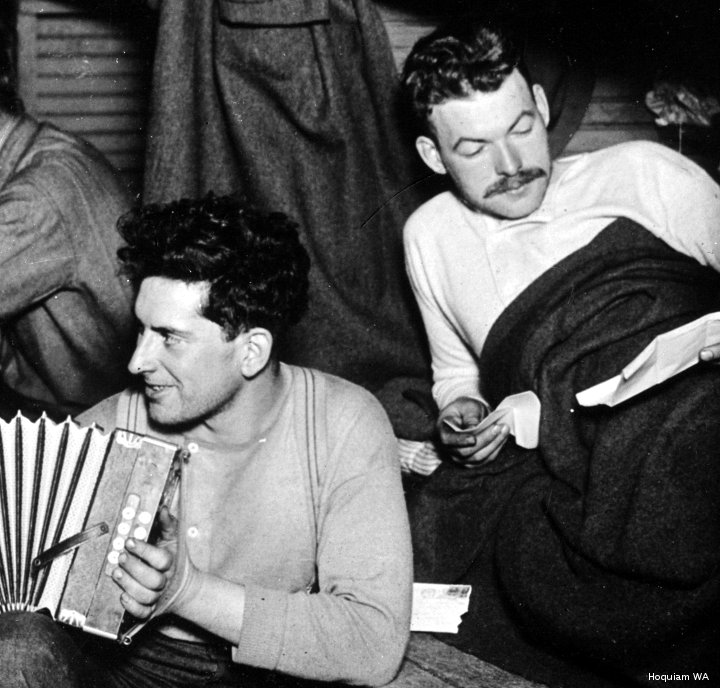

The Labyrinth And The Maze

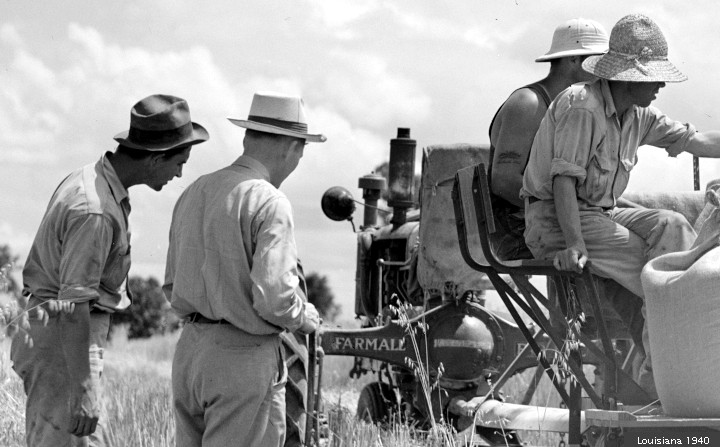

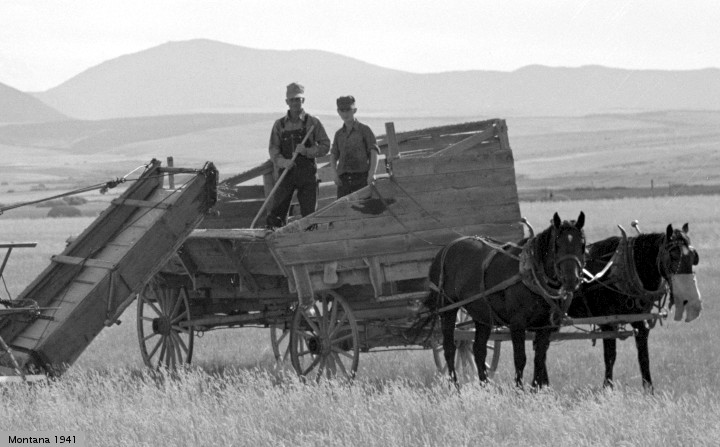

Walking the labyrinth is a practice in many traditions. “The labyrinth is a tool for personal, psychological and spiritual transformation. … It combines the imagery of the circle and the spiral into a meandering but purposeful path from the edge to the center and back out again. A labyrinth is unicursal – it is only one path. The way in is the way out. The path leads you on a circuitous path to the center and out again.” Last Saturday, I walked into, and out of, a labyrinth.
There are similarities between the labyrinth, and her sister, the maze. Both labyrinth, and maze, have four parts. There is the path you walk on. The path has several layers. The largest layer is on the outside, and the smallest one in the center. Most, though not all, labyrinths are circular.
The layers of path are separated by a wall, which is the second part. There is an opening in this wall, which enables you to go from one layer, of path, to another one. Finally, there is a barrier across the path, which does not allow you to go any further. This is a section of wall, which crosses the path at a ninety degree angle.
Both the labyrinth and the maze consist of these four parts. The difference is the way that the openings, and the barriers, are used. In the labyrinth, you walk the entire length of the course, in an orderly manner. In the maze, you must make choices. If you make the correct choice, you can move on to the next level. If you make the wrong choice, you will come to a dead end.
Saturday’s labyrinth walk was led by a man, who we will call the Guide. He talked to the group before walking the labyrinth. I got a late start, and missed most of his comments.
Later, I spoke to the Guide, and mentioned some of the similarities between the labyrinth and the maze. The Guide became angry at my observation. He said something about sacred geometry. The Guide also mentioned that most labyrinths are on the ground only, where the maze often has walls that physically prevent you from walking over.
”Labyrinths and mazes have often been confused. When most people hear of a labyrinth they think of a maze. A labyrinth is not a maze. A maze is like a puzzle to be solved. It has twists, turns, and blind alleys. It is a left brain task that requires logical, sequential, analytical activity to find the correct path into the maze and out.”
“A labyrinth has only one path. It is unicursal. The way in is the way out. There are no blind alleys. The path leads you on a circuitous path to the center and out again. A labyrinth is a right brain task. It involves intuition, creativity, and imagery. With a maze many choices must be made and an active mind is needed to solve the problem of finding the center. With a labyrinth there is only one choice to be made. The choice is to enter or not. A more passive, receptive mindset is needed. The choice is whether or not to walk a spiritual path.”
Is it possible to change a labyrinth into a maze, or a maze into a labyrinth? You would leave the basic path, and walls, in place. You would then re-arrange the openings, and barriers, so that the walls and path become either a labyrinth, or a maze. It is a binary choice. Your course is a labyrinth, with a logical unicursal direction. Or, it is a maze, with both correct choices, and dead ends.
The labyrinth walk is a well established spiritual tradition. There is also the possibility of using the maze as a alternative. In the labyrinth, there are no choices, and you are free to focus on your spirit.
In the maze, you will need to make choices. You will not have any clue about which choice is correct, and which one will lead to a dead end. You will have to maintain your enlightened state, while dealing with adversity. This is life … dealing with incorrect choices, while maintaining a level of grace.
There are many labyrinths available. The labyrinth locator can direct you to one, with information about how much public access is available.
Old Men is a portable labyrinth, which frequently appears at Burning Man events. It is made of tent stakes, and fabric walls. “The labyrinth is a modification of a 15th century design. It is octagonal, with four entrances leading to the center. Each path splits and rejoins twice before reaching the center. The participant can then choose which of the four paths to exit from.”
Pictures today are from The Library of Congress.





Hank Chinaski
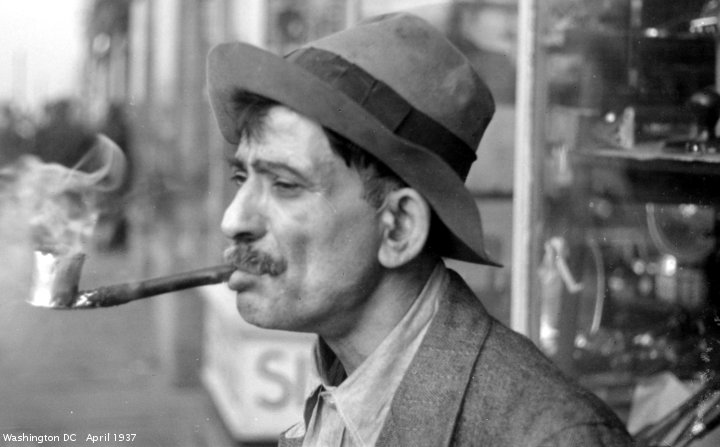



In the next quarter century, the surplus grew, thanks to Bukowski’s nearly graphomaniacal fecundity. “I usually write ten or fifteen [poems] at once,” he said, and he imagined the act of writing as a kind of entranced combat with the typewriter, as in his poem “cool black air”: “now I sit down to it and I bang it, I don’t use the light / touch, I bang it.”
As could have been predicted, it started with a post at Dangerous Minds. The feature was about the late Charles Bukowski, who was called Hank by those who knew him. The writer/drunk had always been a bit of a fascination to PG. Out of the millions of useless drunks feeding the urinals of planet earth, at least one will turn out to have had literary merit.
A trip to Google city is made, and quotes from the bard are found, along with the wikipedia page. All of this leads to a New Yorker piece about the gentleman. After nine paragraphs, and two poems, there is the phrase that set off PG…graphomaniacal fecundity.(spell check suggestion:nymphomaniac)
As best as we can figure, g.f. means that Hank wrote a lot of stuff. This is a good thing. PG operates on the notion that if you keep your quantity up, the quality will take care of itself. Hank seems to agree, spitting out product “like hot turds the morning after a good beer drunk.” He seemed to take pride in doing what Truman Capote said about Jack Kerouac…he doesn’t write, he types.
If you google the phrase graphomaniacal fecundity, you can choose from 71 results. The top six apparently quote the article in New Yorker. A blogspot facility called poemanias quotes the paragraph from the New Yorker, with the title “On Bukowski’s afterlife”, while Fourhourhardon reprints the entire thing. Neither provide a link back to the original.
Goliath and Petey Luvs Blog take the same copy-paste approach. The first tries to get you to pay for more reading material. This forum also does the control A-C-V approach, but yields this comment : “He was a contemporary of the Beats, but not quite one of them because he was darker and not as willing to smoke a joint and sing Phil Ochs songs on the lower east side.” The truth is, Hank hated marijuana, and had the classic alcoholic attitude about it. So it goes. Keep and share copies the complete New Yorker feature, but has some other thumbsuckers about Mr. Bukowski.



It is a truism that new media borrows content from old media. Stories, told orally from genration to generation, are compiled into books, which are then made into movies. Plastic panels try to look like wood. The newest new media that old fogey PG knows about is twitter. People tell little stories in 140 characters or less, which go around the world in seconds. With this abundance of media, there are not always enough messages to feed the beast.
On twitter, there are people producing twitter feeds from dead authors. Maybe these wordmongers went to a place with internet access. Kurt Vonnegut (three hours ago) “Busy, busy, busy”. Mark Twain (three hours ago) “Be careful about reading health books. You may die of a misprint”. Brautigan’s Ghost (twenty two hours ago) “I cannot say to the one I love, “Hi, flower-wonderful bird-love sweet.”
The deceased content maker best suited to twitter might be Conway Twitty. One slow day two years ago, Yahoo asked peeps Do you think Conway Twitty would have used Twitter? ~ He gave them the idea ~ I think Twitty would tweet, Twitter would be Conway’s, way of of communicating to the world, Twitty would be tweeting his little Twitty head off, ~ I better send out a Twitty Tweet ~ Cute, but a serious answer, probably. A media hound, he’d want to get his name plastered everywhere. ~ If he did that would have made him a ‘Twitty Twitter” ~ Who cares, he’s a twit anyway”.
There are four Twitty Twitter feeds. @ConwayTwitty (Oct. 21,2009) “The Conway Twitty Musical is getting great reviews in Branson!!! . @TwittyTweats (January 12, 2012) “In Twitty City, it never snows. All the men wear gold medallions and blazers. And the women never cry. Unless you hold them.” @Conway_Twitty (February 20, 2012) “My cock is an amphibious assault vehicle” @conwaytwittier (April 28, 2012). “@JasonIsbell How’s the English weather treating your hair? I had the hardest time keeping my pompadour in tiptop shape there.” @twittybirdmoda is written in Japanese. We’ve never been this far before.
The original concept for this post was to spotlight twitter feeds borrowing material from Charles Bukowski. Hank is the beer bard of Los Angeles. He is a hero to many. Out of the millions of worthless drunks populating bars, at least one could write poems. It gives you hope for mankind.
The front page of a google search for “charles bukowski on twitter” yields eight feeds. The original plan was to ignore any that were not updated in 2012. An exception will be for @hank_bukowski (Yeah it’s good to be back). (January 25, 2009) “Yesterday I met Adolf H. in hell. He is fuckin stupid.” “too lazzy these days, too drunk to twitter”.
With the 2012-only rule in effect, we are left with three Bukowski thieves. @BukowskiDiz (May 1) “Curiosidades sobre Charles Bukowski http://migre.me/8UhRf“. @bukquotes (May 8) “all the mules and drunken ladies gone the bad novels march…”. ~ “I always read when I shit and the worse the book the better the bowel movement.” @bukowski_lives (one hour ago) “Basically, that’s why I wrote: to save my ass, to save my ass from the madhouse, from the streets, from myself.”
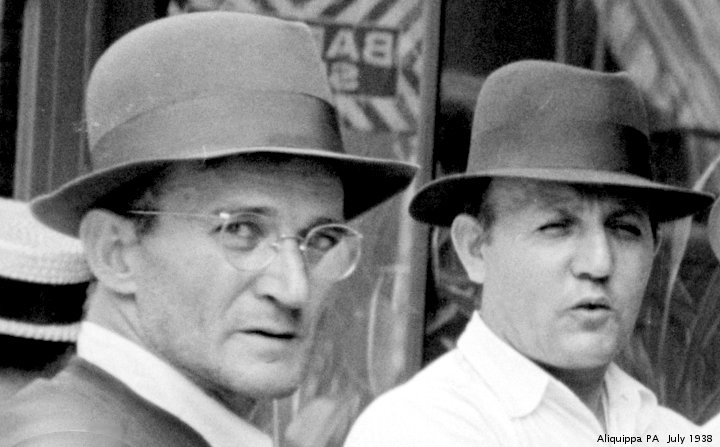
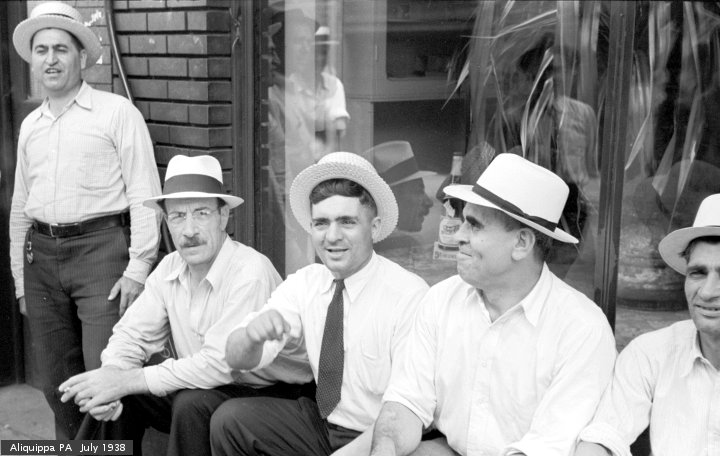
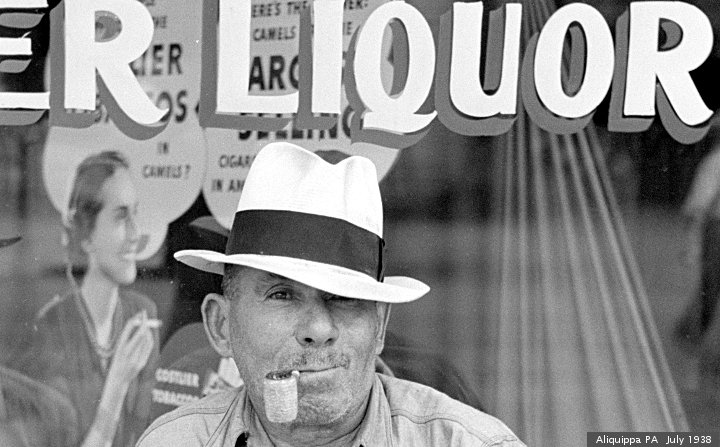
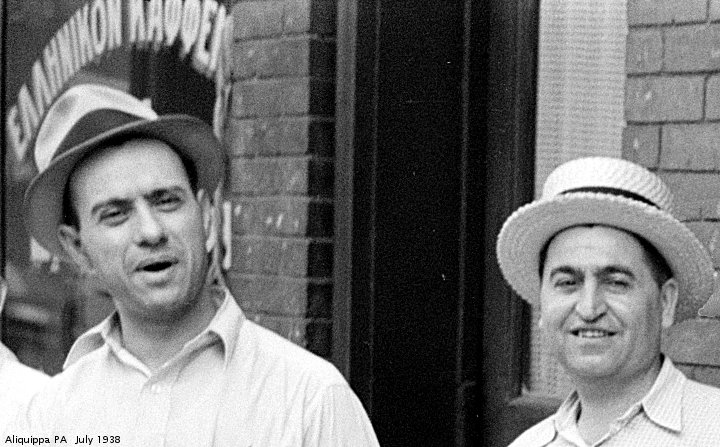
Pictures are from The Library of Congress. This is a double repost. Another repost may be published later. This is probably it for this year.


Is Prayer That Great?



Prayer is not always a good idea.
That is up there with G-d and Motherhood, but somebody has to say it.
Many of my objections are in the phrase, “Prayer is talking to G-d, and Meditation is Listening.”. In our culture, we love to talk, and don’t have time to listen. Talking is yang, active, power. Listening is ying, receptive, passive, and indicates respect for the person you are paying attention to. This is difficult for many.
No one ever says “I am going to meditate for you”. Although maybe you should.
Prayer is used as an aggressive weapon. “I am going to pray for you” is the condescending conclusion of many a religious argument. I have had it shouted at me like a curse.
There is the matter of prayer as entertainment. While this may be cool to those who are on the program, it can be repulsive to others. Once I volunteered to lead the prayer before a dinner. The story is repeated below.
Now, prayer is not a completely bad thing. One of the cherished memories of my father is the brief, commonsense blessings he would give before meals. In the context of a church service, prayer plays a useful function. Some famous prayers are beautiful poetry. In Islam, the daily prayers are an important part of the observance. Who am I to say it is wrong? (A note to the Muslim haters, and opportunistic republicans …We are all G-d’s children.)
When someone is in a bad way, people want to think they can help. Arguably it does not hurt to pray for someone, but it is nothing to boast about.
My problem is when people are proud of their prayers. There are few as prideful as a “humble servant”. While it may mean something to you, not everyone is impressed. And in a religion obsessed with converting others, you should care what man thinks.


So much for world affairs. It is time to tell a story, with no moral and no redeeming social value.
In 1980, I was staying at a place called the Sea Haven Hostel, affectionately known as Sleaze Haven. This was in Seattle WA, as far as you can get from Atlanta, and still be in the lower 48. I was working through Manpower, and staying in a semi private room for $68 a month.
There was a Christian group that met in the basement on Sunday Night. Now, as some of you may know, I am a recovering baptist, who hasn’t been to church since 1971. However, the lure of a free meal was hard to resist, so I went to a few meetings.
One night, after doing quality control work on the local beer supply, I cheerfully joined in the discussion. This was the night when I realized that the Bible is not the Word of G-d. This concept has been very handy in dealing with the ravings of our Jesus-mad culture.
They seemed to like me, though, and welcomed me back. Maybe it was the southern accent.
One Sunday, after the dinner was finished , it was time to have a prayer to begin the meeting. I raised my hand. Now, Jesus Worshipers enjoy prayer as entertainment. When they bow their heads, you see them stretching and deep breathing, in anticipation of a good, lengthy, message to G-d.
My message was a bit of a disappointment. Instead of a long winded lecture about Jesus and the magic book, I said what was on my mind. “Lord, thank you for letting us be here today.” What else do you need to say? This double repost has pictures from The Library of Congress.




I’m Here To Help
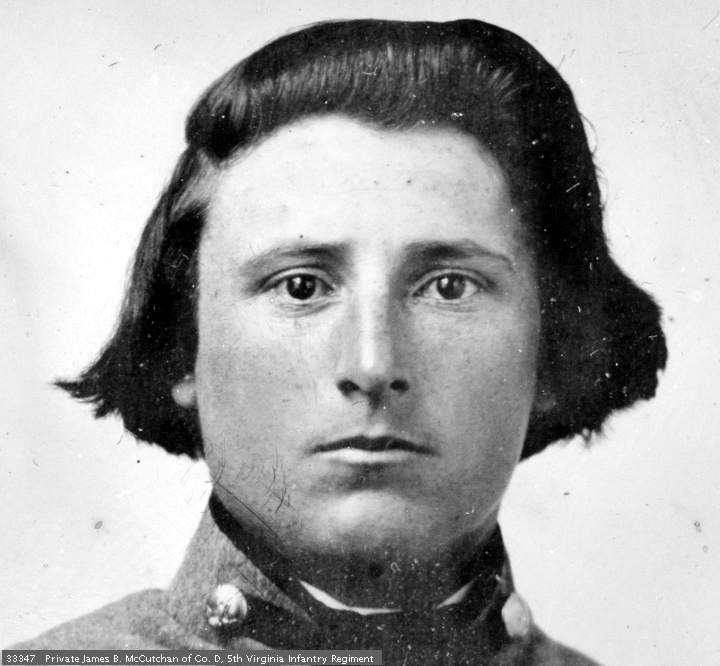
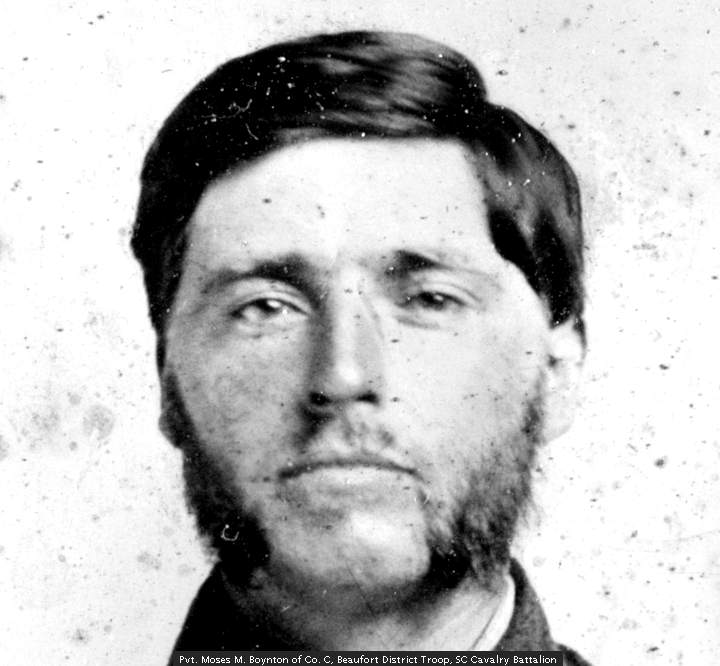
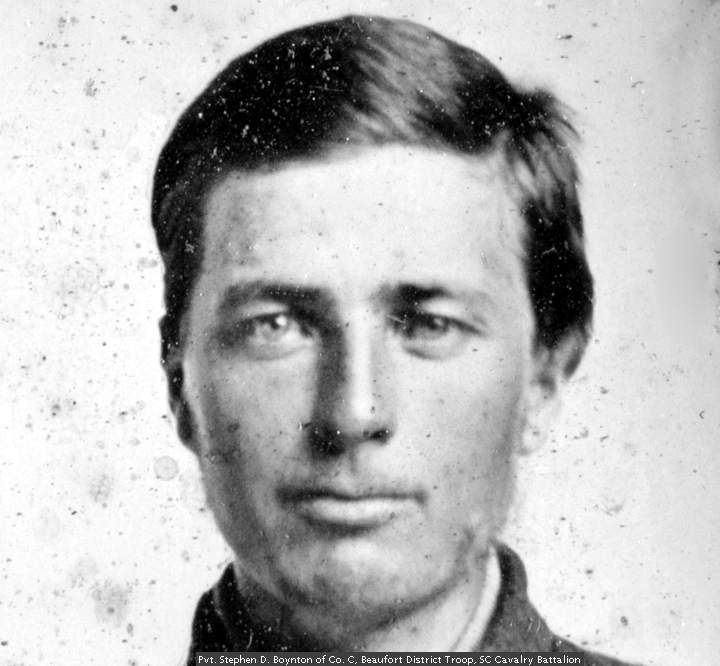
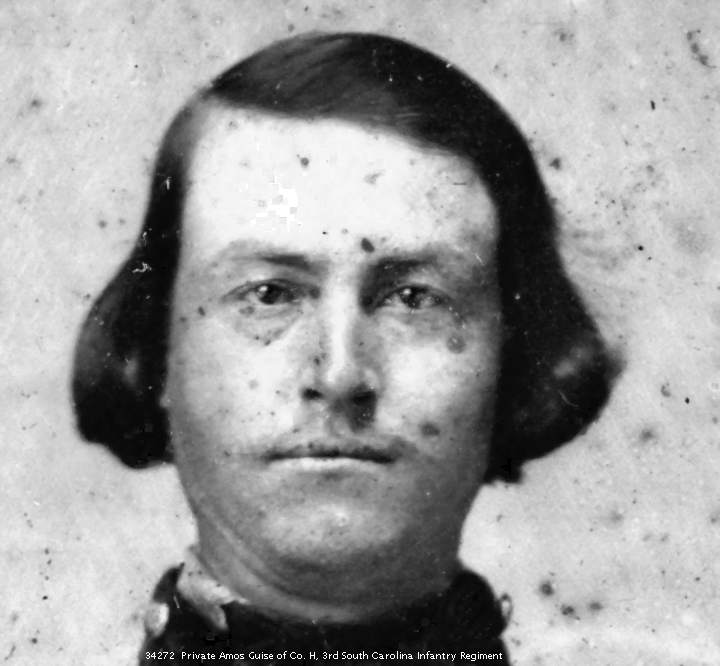
Two popular quotes have surprising back stories. One is by President Ronald W. Reagan: “The nine most terrifying words in the English language are: I’m from the government and I’m here to help.” The other is from Supreme Court Justice Oliver Wendell Holmes Jr.: “The most stringent protection of free speech would not protect a man in falsely shouting fire in a theatre and causing a panic.”
@HayesBrown “the funny thing about this quote: Reagan said it during a press conference where he was calling for more federal funding to help out struggling farmers” @HayesBrown “Reagan giving that quote was literally him going “okay, yeah, i’m for smaller govt, but until we get my ideas passed, we are gonna spend SO MUCH MONEY helping out farmers” and now it gets trotted out… to argue against federal aid, period”
“Some sectors of our farm economy are hurting … Our ultimate goal, of course, is economic independence for agriculture and, through steps like the tax-reform bill, we seek to return farming to real farmers. But until we make that transition, the government must act compassionately and responsibly. … In order to see farmers through these tough times, our administration has committed record amounts of assistance, spending more in this year alone than any previous administration spent during its entire tenure. … The message in all this is very simple: America’s farmers should know that our commitment to helping them is unshakable. As long as I’m in Washington, their concerns are going to be heard and acted upon.”
The rest of the prepared statement features a fun quote. “One other brief point: tomorrow, the Senate will cast a crucial vote. The question is that of assistance to the freedom fighters, who are trying to bring democracy to Nicaragua where a communist regime, a client state of the Soviet Union, has taken over. The question before the Senate is: Will it vote for democracy in Central America and the security of our own borders, or will it vote to passively sit by while the Soviets make permanent their military beachhead on the mainland of North America?”
The press conference took place August 12, 1986, in Chicago IL. On November 3, 1986, “the Lebanese magazine Ash-Shiraa … reported that the United States had been secretly selling arms to Iran … in a bid to secure the release of seven American hostages being held by pro-Iranian groups in Lebanon.” On November 25, 1986, “Attorney General Edwin Meese revealed that, on White House orders, the proceeds of secret arms sales to Iran were illegally diverted to fund the Contras — Nicaraguan rebels waging a guerrilla war to overthrow that country’s elected leftist regime.” The resulting Iran-Contra scandal dominated the Reagan administration for the next few months.
@ggreenwald The pro-censorship cliché “can’t yell fire in a crowded theater” comes from a now-discredited 1919 SupCt case upholding Woodrow Wilson prosecution of socialists under *The Espionage Act* for the “crime” of opposing a US role WW1. Why would you want to attach yourself to that? @ggreenwald The set of cases from which that cliché emerged is one of the most shameful in US Supreme Court history, designed to criminalize dissent. For that reason, it’s embarrassing but revealing when censors invoke it because that’s their real mentality.
SCHENCK v. UNITED STATES was the case. “During World War I, socialists Charles Schenck and Elizabeth Baer distributed leaflets declaring that the draft violated the Thirteenth Amendment prohibition against involuntary servitude. The leaflets urged the public to disobey the draft, but advised only peaceful action. Schenck was charged with conspiracy to violate the Espionage Act of 1917 by attempting to cause insubordination in the military and to obstruct recruitment. Schenck and Baer were convicted of violating this law and appealed …
The Court held that the Espionage Act did not violate the First Amendment and was an appropriate exercise of Congress’ wartime authority. Writing for a unanimous Court, Justice Oliver Wendell Holmes concluded that courts owed greater deference to the government during wartime, even when constitutional rights were at stake. … Holmes reasoned that the widespread dissemination of the leaflets was sufficiently likely to disrupt the conscription process. Famously, he compared the leaflets to falsely shouting “Fire!” in a crowded theatre, which is not permitted under the First Amendment.”
There were a couple of other cases. If you have a lot of free time, you can read about it here. Included is one charming quote: “Famed socialist Eugene V. Debs was sentenced to ten years in prison for a speech that Holmes summarized at length (are there any short socialist speeches?) in support of the basis for Debs’ conviction.”
Pictures, of soldiers in the War Between the States, are from The Library of Congress. On April 2, 2021, Radiolab presented What Up Holmes, about free speech opinions written by Justice Holmes. The show did not mention “falsely shouting fire in a theatre.” This is a repost.




Methods Of Capital Punishment







This chamblee54 feature discusses various methods used to put condemned criminals to death. This report gets a bit gross at times. If you want to skip over the text, you will be excused. Chamblee54 has written about lethal injection problems one, two, three, four, five, six, seven times. In 2007, the New York Times published The Needle and the Damage Done, which discusses these issues in detail. Pictures today are from The Library of Congress. This is a repost.
One of the odder parts of tonight’s scheduled execution is the request of J.W. Ledford to be shot, instead of poisoned. Al Jazeera is one of many to report the story. JW Ledford Jr lawyers want firing squad, not injection “J.W. Ledford, 45, suffers from chronic nerve pain that has been treated with increasing doses of the prescription drug gabapentin for more than a decade, his lawyers said in a federal case filed on Thursday. They cited experts who said long-term exposure to gabapentin alters brain chemistry, making pentobarbital unreliable to render him unconscious and devoid of sensation or feeling. “Accordingly, there is a substantial risk that Mr Ledford will be aware and in agony as the pentobarbital attacks his respiratory system, depriving his brain, heart, and lungs of oxygen as he drowns in his own saliva,” the legal case said. That would violate the prohibition on cruel and unusual punishment in the Eighth Amendment of the US Constitution, Ledford’s lawyers argued.”
Is the firing squad more humane than lethal injection? One is certainly messier than the other. The appearance to the observer is important. People want executions to be neat and tidy, with the executee in minimal pain. This is one reason for chemical agent number two in the three drug lethal cocktail. A paralytic is used, so that people won’t see the soon-to-be-deceased thrashing about as the heart is chemically shut down.
The firing squad is fast. Ammunition does not need to be purchased from a compounding pharmacy. Any pain will be over very quickly. In his book “In his book ‘Elephants on Acid: And Other Bizarre Experiments’, Alex Boese states that in the 1938 execution of John Deering, the prison physician monitoring the inmate’s heartbeat reported that the time between the shots and complete cessation of rhythm was a mere 15 seconds.” The idea is for the marksmen to shoot the prisoner in the heart.
Hanging is another time honored method of execution. If done properly, it is very efficient. Of course this is the government at work, so things do not always go smoothly. Hanging has unfortunate visuals, and is associated with lynching. It is not well thought of today.
“The modern method of judicial hanging is called the long drop. … In the long drop, those planning the execution calculate the drop distance required to break the subject’s neck based on his or her weight, height and build. They typically aim to get the body moving quickly enough after the trap door opens to produce between 1,000 and 1,250 foot-pounds of torque on the neck when the noose jerks tight. This distance can be anywhere from 5 to 9 feet. With the knot of the noose placed at the left side of the subject’s neck, under the jaw, the jolt to the neck at the end of the drop is enough to break or dislocate a neck bone called the axis, which in turn should sever the spinal cord.”
“Unfortunately, history shows that hanging is relatively easy to botch, particularly if the executioners make a mistake in their calculations. A rope that is too long can result in decapitation, whilst one that is too short can cut off breathing and blood flow through the carotid arteries in the neck. In these circumstances loss of consciousness is not always as quick, and the condemned can end up struggling for nearly 30 minutes.”
Hanging is still used in Iran. In Iran, prisoners are usually pulled up by their necks with the use of cranes. “It takes them many minutes to die, it’s a way of torturing them along with the execution,” Amiry-Moghaddam said. “Two years ago, a man had survived 14 minutes of hanging before dying. So hanging is not intended as the standard way of momentary pain. It’s not that they just die, it is a slow strangulation.” Many death penalty advocates approve of the added suffering.
The twentieth century gave us two modern methods of offing the condemned, the gas chamber, and the electric chair. “Lethal gas takes too long; the 1992 lethal-gas execution of Donald Harding in Arizona was so long — 11 minutes — and so grotesque that the attorney general threw up and the warden threatened to quit if he were required to execute someone by gas again. The electric chair often results in horrible odors and burns; in Florida, in the 1990s, at least two inmates heads’ caught fire, and the chair routinely left the body so thoroughly cooked that officials had to let the corpse cool before it could be removed.”
“First used to execute axe-murderer William Kemmler in 1890, a high voltage alternating current is applied to the body of the criminal, typically starting at 2,000 volts and 5 amps with the voltage varying periodically. This causes instant contraction and rigidity of the muscles, leading to a cessation of heart and lung activity.
The practice figured prominently in a dispute between Thomas Edison and George Westinghouse regarding the relative merits of direct vs. alternating current. Edison sought to prove that the latter was too dangerous and so decided to equip the new Electric Chair at America’s ‘Sing Sing’ prison with one of the his competitor’s AC generators. Unfortunately the inexperienced executioners drastically underestimated the amount of electricity required to effectively kill Kemmler. At first they only succeeded in burning him for 17 seconds, at the end of which he was still twitching. It took a second jolt for a further 70 seconds before he was finally pronounced dead. Westinghouse was later heard to comment, “they could have done better with an axe”.”
The Guillotine was popular in France for many years. At first glance, it would seem to be efficient, though messy. Closer examination reveals some problems. “Often the blade didn’t do its job and the victim was only injured. He would then either bleed to death or the blade would have to be cranked up and dropped again. … But even when the blade was quick and efficient, many witnesses said the victim’s head didn’t die instantly. Reports of grimacing, facial twitches, blinking eyes, mouth movements, and even speech from the severed head are numerous.” (A commenter to the linked post disputes this. Rumors that Robespierre was executed face up are probably false.)
“In 1905, Dr. Beaurieux reported on his close examination of Henri Languille’s guillotine execution. While he watched, the blade did its thing and Languille’s head dropped into the basket. Beaurieux had luck on his side when the head landed on its severed neck in an upright position. This allowed him to observe Languille’s face without having to touch the head or set it up right.
“The eyelids and lips of the guillotined man worked in irregularly rhythmic contractions for about five or six seconds” “I called in a strong, sharp voice: “Languille!” I saw the eyelids slowly lift up, without any spasmodic contractions……but with an even movement, quite distinct and normal, such as happens in everyday life, with people awakened or torn from their thoughts.” “Next Languille’s eyes very definitely fixed themselves on mine and the pupils focused themselves.”





People Who Say Racism



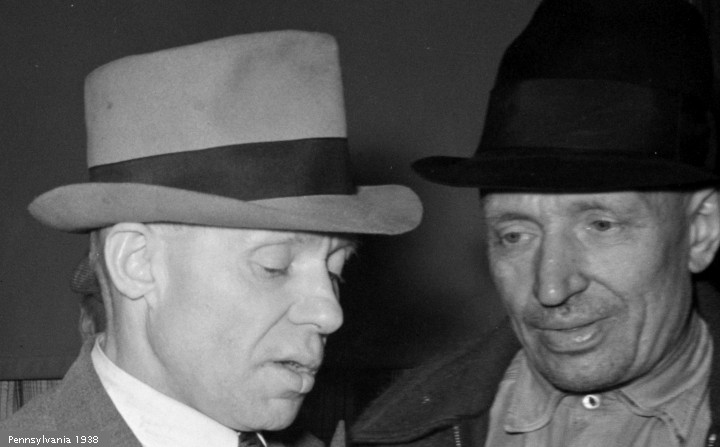
@YAppelbaum “10. Bottom line? White, working class Trump voters felt culturally displaced and resentful, not financially stressed” PG saw this tweet while drifting away from a problem poem. Before long, he clicked on a couple of links, and read a few tweets. An idea for a post emerged. Pictures today are from The Library of Congress. This is a retweet from 2017.
Beyond Economics: Fears of Cultural Displacement Pushed the White Working Class to Trump is the study from PRRI. The study focuses on white voters who did not attend college (WWC.) This group overwhelmingly voted for Donald Trump. Because WWC voters were concentrated in key states, their votes became more important in swinging the electoral vote to DJT. The standard issues were discussed in the report, with one exception.
The report used the word racist one time. Racism was not said. “We’re supposed to make the effort to include everybody else. They don’t have to make the effort to include us. I was hysterical laughing over the thing at Eastern Kentucky University. The black student body had a welcome black event. Well, somebody on campus thought they should have a white welcome event. Well, the black one was okay, but the white one, the whole campus went bananas, and it was racist. Now what is the difference?” This was a boldface quote from “Woman.” It was not part of the study.
It Was Cultural Anxiety That Drove White, Working-Class Voters to Trump is the article in The Atlantic. The article is far shorter than the PRRI report. The article identified several items that appeared to be reasons why WWC voters went for DJT. The words “racist” and “racism” did not appear in this article.
One item was noteworthy. ” … 54 percent of white working-class Americans said investing in college education is a risky gamble, including 61 percent of white working-class men.” It would be interesting to see a study ask the same question to graduates dealing with student debt.
The twitter thread listed some of the key points. 4 Almost everything correlates; only four variables proved independently significant. One was Republican Party registration. Not shocking. 5 The 2nd was deportation. 87% of white working-class voters who want to deport undocumented immigrants voted Trump 6 Third? Higher education. WWC voters who think of college as a risky gamble, not an investment, went 2x for Trump: 7 WWC voters who wanted to protect American way of life, or feel like strangers in their own country? 79% for Trump 9 We found economically distressed white, working class voters were 75% more likely to vote for Clinton—not Trump.
Racist/Racism did not appear in the 11 part twitter thread quoted here. Some people say that calls for deportation are racist. However, most people in America think that racism is about the black/white thing. Discussions of this campaign routinely use racism to condemn anything they don’t like, with a special focus on Islam and Mexico. While trash talk about Islam and Mexico is improper, is it really racism? The more often the word is used, the less impact it has.
@zeynep Such a common historical patterns, that it’s not even surprising. Doesn’t make them non-racist, just makes this kind of analysis misleading
@gershonmarx Just say “racist”, Yoni, it’s way fewer characters.
@YAppelbaum I don’t have the data–racial resentment alone wasn’t independently predictive
@gershonmarx What distinguishes “culturally displaced and resentful” from “racist”?
@CSheehanMiles Aside from racism, they’re freaked out about gay marriage, hollywood, people who are transgender, Christmas and Starbucks. Plus racism
@Rachelia72 And losing their guns!
@CSheehanMiles Thanks! How could I leave that out?


Richie Havens





Richie Havens died April 22, 2013. He was 72 years old. In 1969, he was the first performer at Woodstock. Mr. Havens was featured in the movie, and became very popular. The promoters asked him to play longer, while backstage chaos played out. “Freedom” was improvised to fill this need.
In 1974, PG had the privilege of seeing Richie Havens. He was playing at Richards, a club on Monroe Drive. It was the 2am show, on a weeknight. There was not a large crowd. What crowd there was kept yelling for “Freedom”, as if Mr. Havens had an obligation to play it.
Mr. Havens played a Guild guitar. He strummed it hard, with his pick dragging down over the body past the air hole. It looked like a guitar would only last a show, or two, before he would wear scratch marks in the body. Indeed, he did change guitars in mid show that night.
Pictures are from The Library of Congress. This is a repost.




Harvey Fierstein



@HarveyFierstein wrote a book, I Was Better Last Night: A Memoir. Harvey Forbes Fierstein is selling his book, and saying festive things in the process. This will probably not influence one star commenter amazon customer. “This story seemed disjointed and superficial.”
Free Library of Philadelphia begins the discussion. The lady began with the traditional question about how Popeye Harvey got started. “I never wanted to be a writer. I never wanted to be an actor. I wanted to be an artist, but artist is is the 1950s word for gay.”
The chat turned onto the topic of sobriety. “By the time I stopped drinking I was drinking half a gallon of southern comfort a day, of 100 proof. So you’ve got to work your way up to that, because that will kill you if you try doing that on one day’s notice.”
“I think we’re almost gonna head to the Q&A, but I’m curious.” (Harvey puts the Q back in Q&A) “What advice do you have for young artists starting out in the world right now?” “Go get a real job.”
Barbara Walters interviewed Harvey in 1983. 39 years later, it is a cringefest. “His name is Harvey Fierstein, and with this success, he’s become Broadway’s newest celebrity. He is, to say the least, an unlikely celebrity. Harvey Fierstein, 29 year old homosexual playwright, actor, two-time Tony winner, and, just until a few years ago, earning his living as a drag queen … a man dressed up as a woman. At the age of 13 his middle-class parents from Brooklyn knew for certain that he was a homosexual, and by the time he was 15, he was performing as a transvestite.”
The 20/20 appearance is remarkable in many ways. Baba Wawa was known as a close friend, and possible beard, of Roy Cohn. She knew a lot more homosexuals than she acknowledged that night. Ms. Walters was roasted in a 2013 article about her retirement. “She’s old friends with make-believe TV tycoon Donald Trump.”
The WTF podcast, with Marc Maron, made this feature necessary. There was the time Harvey’s mother took his grandmother to see Torch Song Trilogy, when it was on Broadway. “She’s watching the show, and she’s hard of hearing, and in the loudest voice that has ever been projected in in a Broadway theater, she says “So Harvey’s a homosexual,” and my mother, in a voice loud enough for my grandmother to hear her, said “how should I know I don’t sleep with him.”
“No one knew who gay people were. We were something they talked about. We were vampires that only appeared at night. We weren’t normal people. Then aids hit … and suddenly we were everywhere. We’re doctors and teachers and lawyers and priests and mothers and babies. Now they see us everywhere, hospitals, classrooms, obituaries. We were gay, and now we’re human, that was a huge change. All of a sudden we existed. Now did they run away from us, did they turn their back on us, did they wish we did all die, maybe, but we were no longer deniable. We existed, and that changed everything. We’ve now got this war we’re fighting for our lives, because because of aids, and out come these young people screaming for marriage equality, and I’m saying what the [ __ ] is wrong with you people. We have we have so much other work to do. We’ve got all this crap going on to take care of, and you care about a [ __ ] wedding cake. Where are your values? Then I stopped myself. I said, you know, these are younger people than you, and don’t they have the right to define what the revolution should be? So I shut my mouth, and I went to work for them, and they turned out to be right.”
“Now this generation, coming back to where we started this whole conversation, has brought up gender, said, we’re now going to show you about gender, or at least question all of the roles of gender once again. I don’t understand it but I have lived enough history now to know, follow the young people, it’s their world, it’s not our world. We should shut the [ __ ] up. The role of an elder is not to tell you what to do, even though people think that’s what an elder is supposed to do. The role of an elder is to facilitate what young people want to do. That’s the best thing we can do.”
Marc Maron: “That whole world of gay sex that you write about it, to me it’s just like, oh my god, I mean like it was just you just walking around [ __ ] wherever you wanted, and just like kind of the insane electricity of that world, I can’t even imagine it.” Harvey: “Mark, my love, do you really think we aren’t still doing that? You really think i can’t take you to Central Park now, and show you people
[ __ ] in the rambles, are they yeah of course they are … it’s boys yeah what do boys need to have sex a finger that can pull down a zipper.”
“I never had children, believe me, raising Matthew Broderick was enough.” Pictures for this unpaid exercise in book promotion are from The Library of Congress.



Siddhartha Gautama
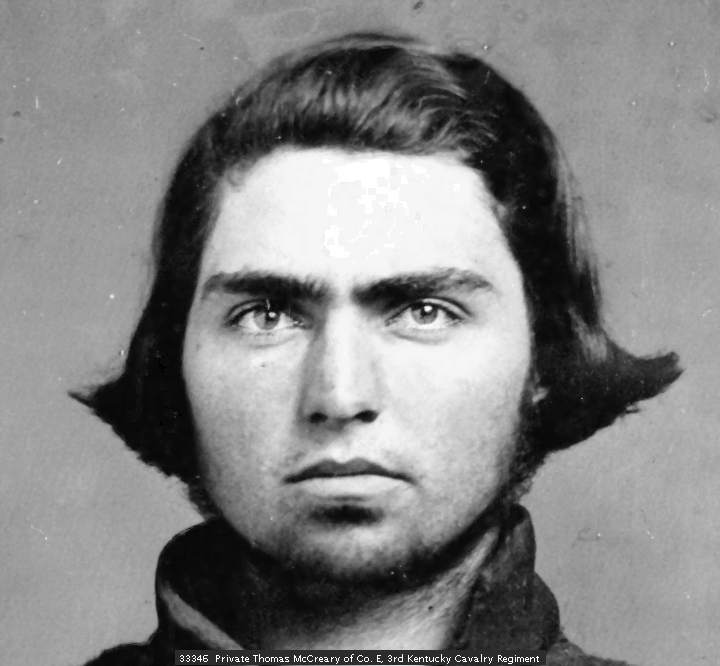
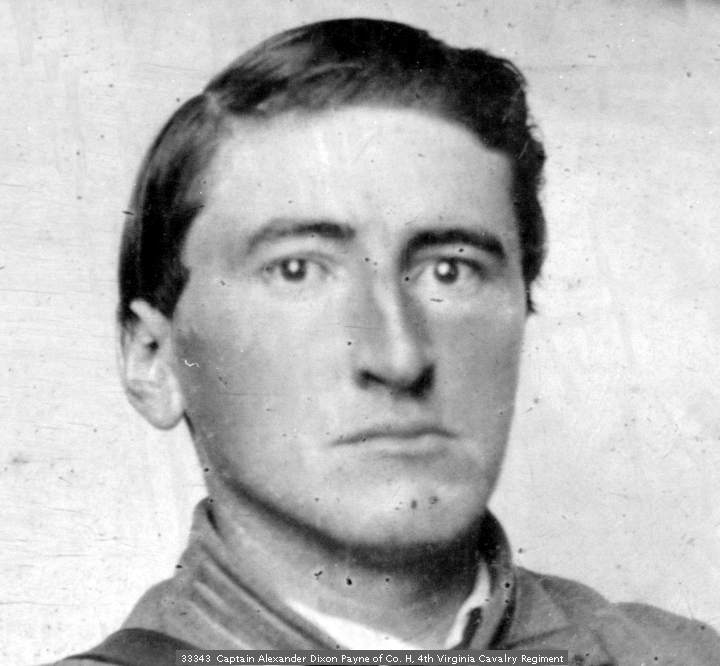
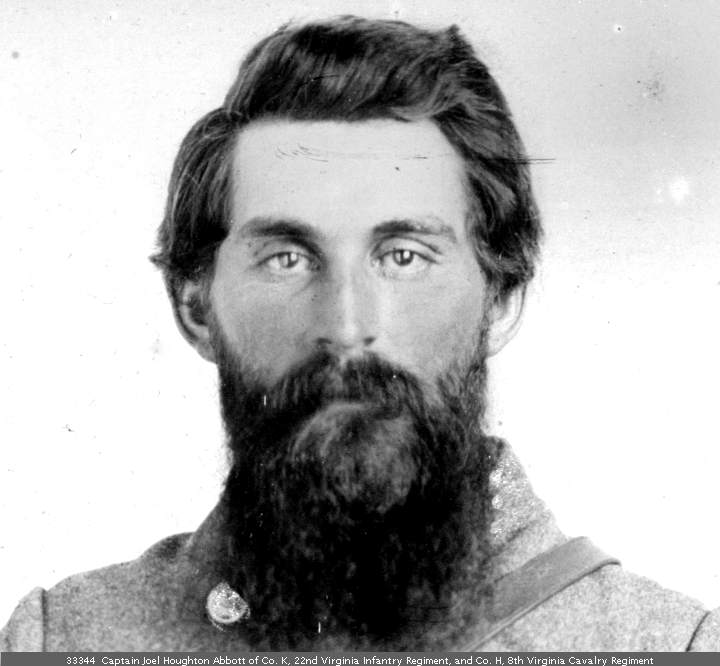
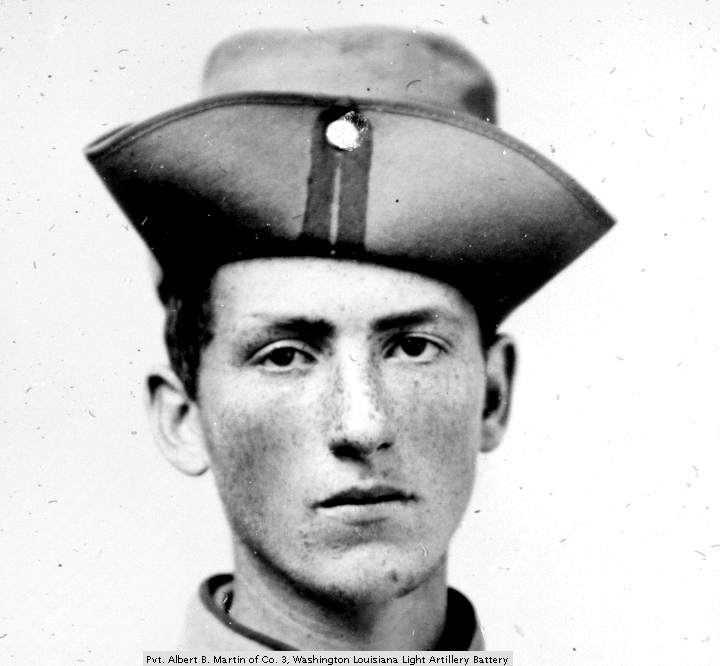
“The Buddha” is available for online viewing. 43 minutes into the PBS production, Gautama Siddhartha (pronounced sid HART ha) turned away from asceticism. He accepted a bowl of rice pudding from a lady, and was a step farther on the path to enlightenment.
Buddhism has always seemed “too asian” for an occidental to follow. There are some things, confirmed by this video, that PG finds appealing. The stories of Buddha are understood to be legends, with no one (that we know of) claiming them to be literal history. This is not like the book worship of Christians. Stories about Jesus are said to be literal truth. The ideas that Buddha taught are not changed by “mistakes” in telling his life story.
There is a story about Buddha seeing his ascetic buddies, after he ate the bowl of rice pudding. He got the ascetics to listen to him, until he won them over. From what PG has seen of humans, especially spiritually charged ones, he finds it tough to imagine these people listening that long. The average Jesus worshiper cannot be quiet long enough for you to finish a single sentence.
Christianity is obsessed with life after death. The Buddha of this show takes a different approach: “There are stories of people coming to the Buddha, and saying, “I am leaving your teaching because you have not told me about whether there is a life after death, or whether there is another world. And the Buddha says, ‘Did I ever say that I would give you the answers to these things?’ ‘No, Lord, you didn’t.’ ‘Why do you think that I ever said that I would give you the answer to these things? Because these are not the things that you need to know. The thing that you need to know is how to deal with suffering, because at this very moment, what made you ask that question was suffering.”
The focus is on the life of Buddha, not his death. The focus is on this life, not on life after death. Buddha lived to an old age, teaching up until his departure. Maybe if Jesus had been better at human relationships, he would not have been executed.
Maybe PG is so scarred by Jesus that he cannot benefit from any other source of wisdom. This is a repost. Pictures are from The Library of Congress. The men are Confederate soldiers from the War Between the States. Many resources are available for those who wish to learn more.



 Chamblee54
leave a comment