Gloomy Sunday Number Thirteen
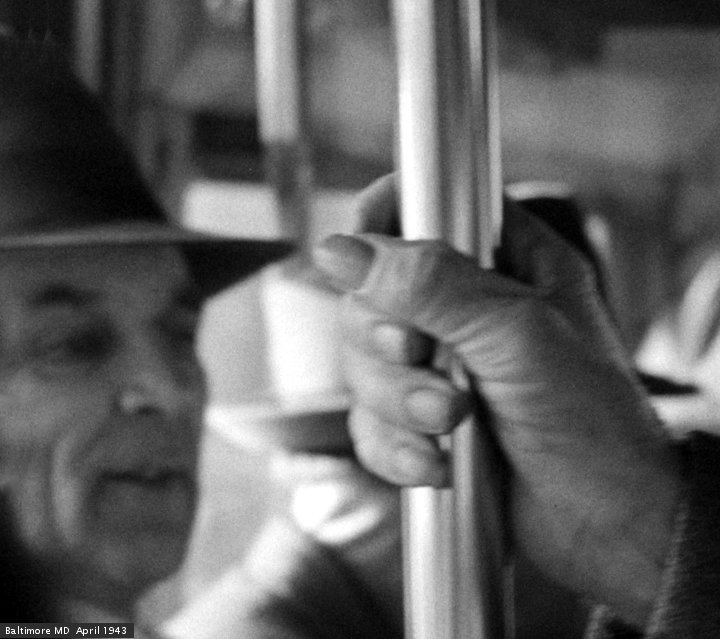
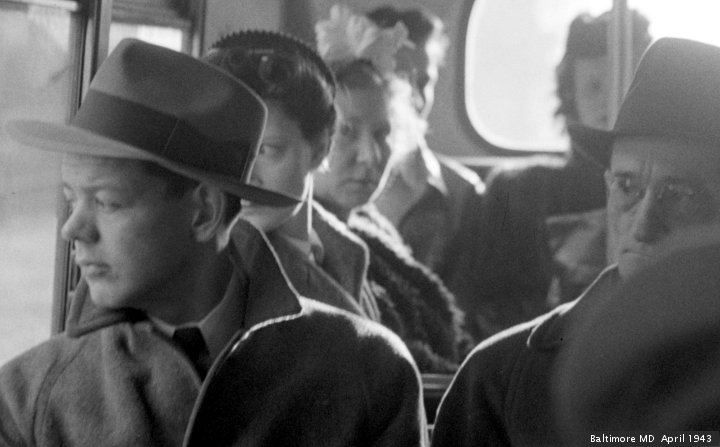

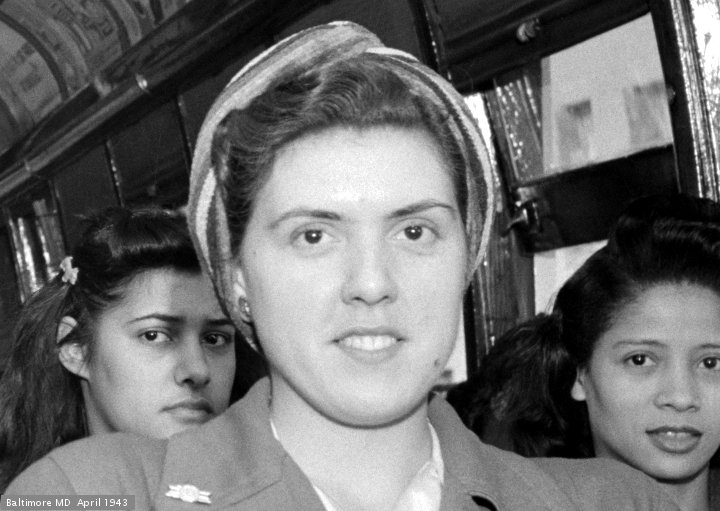

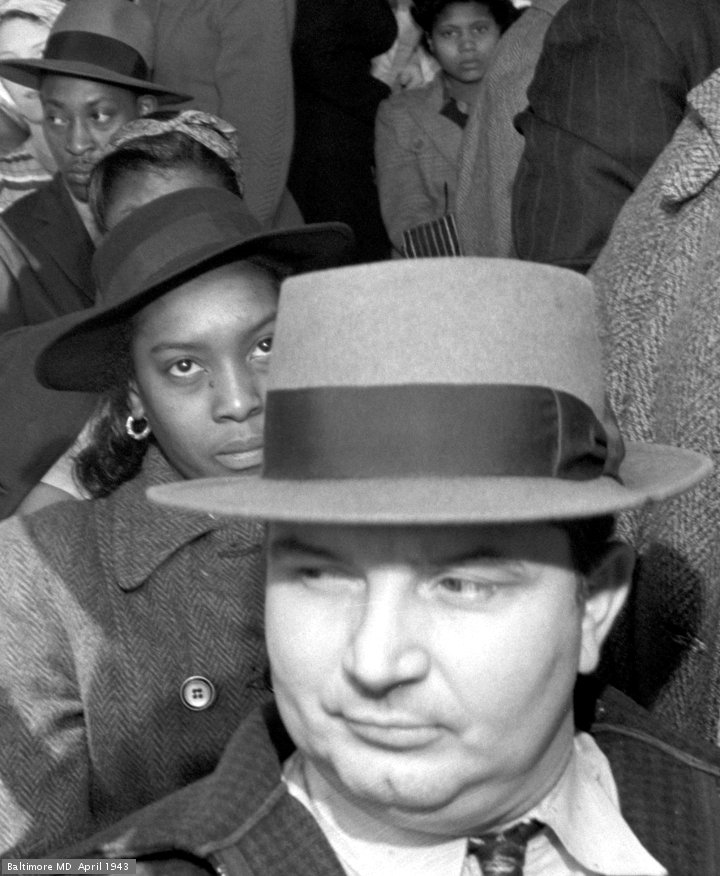
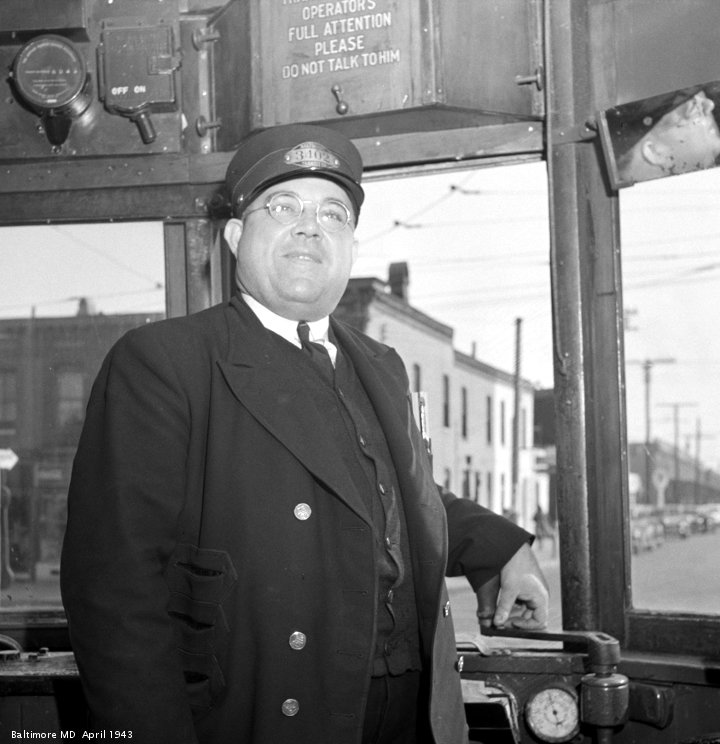
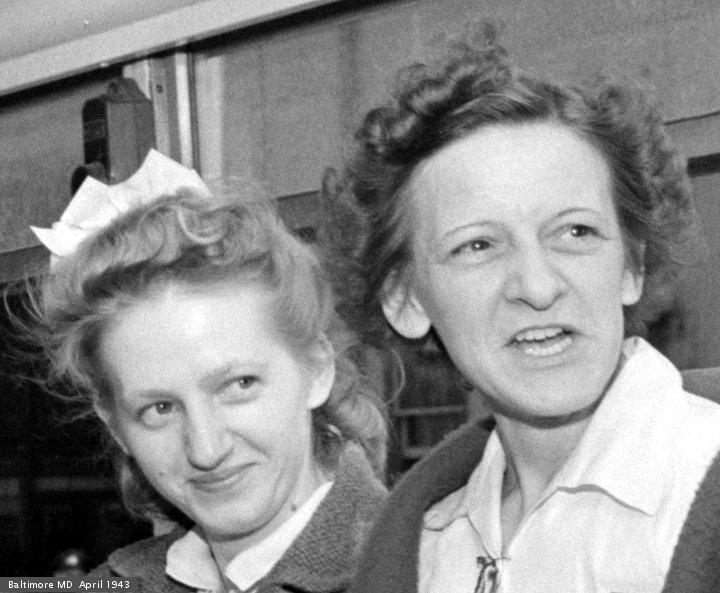
PG stared out at the gray sky. He thought that the first sunday in march might be the most depressing day of the year. The ever cheerful blogger had an idea for a repost. Pictures today are from The Library of Congress. The people on a Baltimore streetcar seem to be happy.
Billie Holiday had a hit with”Gloomy Sunday”in 1941. The legend is that people would listen to the song, and kill themselves. As a result, the song was banned from the radio. Or was it?
“Gloomy Sunday” was written in 1933 by Rezső Seress. Additional lyrics were later written by László Jávor. It became known as the ” Hungarian Suicide Song”, and was reportedly banned in Hungary. An English translation (which is said to not do justice to the original Hungarian) was rendered.
The song has a melancholy sound, even as an instrumental. The story is about a person…it is not gender specific…who decides to join a loved one who has died. A third verse was added, to the english version, where the singer says it was all a dream.
The song became popular in the United States. And the suicide stories started to spread, along with rumors that the song had been banned from the radio. (It was indeed banned by the BBC.) There are indications that these rumors were part of a publicity campaign.
The urban legend busters snopes. calls the story “undetermined”. Legends like this get a life of their own. A grieving person hearing this song on a dreary Sunday is not going to be uplifted. One thing is known for sure…the original composer did take his own life. Rezső Seress jumped off a tall building in Budapest in 1968. The legend is he had never had another hit song after writing “Gloomy Sunday”.




Douche



Backstory recently presented a feature, Rinse and Repeat: Cleanliness in America. As the title might suggest, it is about cleanliness. The location of this concept with regard to G-dliness was not discussed. While researching this story, a listener named Micheal Gambil sent a letter to the studio. This letter was read as part of the broadcast.
“This one is going to be great! My comment/suggestion may sound a little strange, but I was having a talk with my 70 year old aunt regarding female hygiene recently. She is still a believer in what is known as doucheing. YUCK! It got awkward…but it really made me think about the history of “lady products”. Flower scented sprays etc…I think there has been change on this issue. Or not…maybe it is just me and my quasi-hippy friends!”
Douching became popular in the nineteenth century. It was originally thought to be useful as contraception. As other methods of controlling fertility became available, douching became more of a cosmetic item. The corporate marketers are good at creating demand for a product.
More recently, the dangers of using this product have come to light. This awareness came into public consciousness at roughly the same time that douche started to be used as an insult. No one knows if the two developments are connected.
Pictures are from The Library of Congress. This is written like David Foster Wallace.

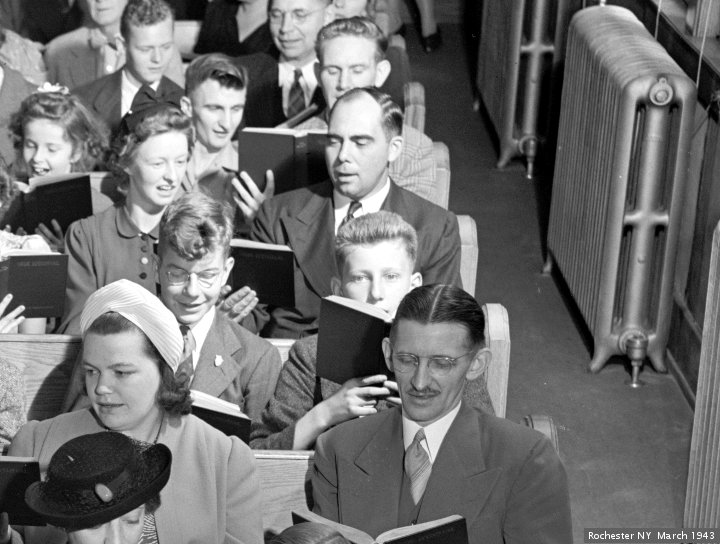

The Trial Of Lenny Bruce


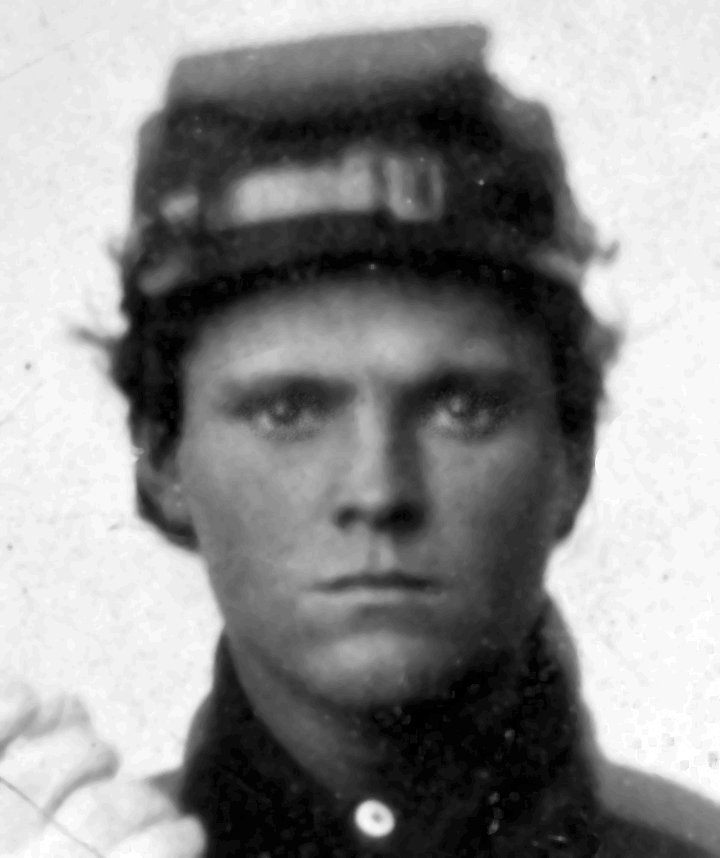

Towards the end of his Booknotes chat, Nat Hentoff talked about censorship. As a journalist, his views were predictable.
Mr. HENTOFF: Any words at all. Words are–I mean, there is a great–there was a great scene in New York once when Lenny Bruce, who was a friend of mine, was on trial for his words. And Richard Cue, the assistant district attorney, was making a name for himself trying to blast all of the witnesses for the defense. And he got Dorothy Kilgallen, who was a very famous then syndicated columnist, a devout Catholic, a conservative and a great admirer of Lenny Bruce. And he con–he strung together, Cue did, all of the words in Lenny’s monologues that could be considered terribly offensive, and he hit her with them. It was a barrage. `What do you think then, Ms. Kilgallen?’ `Well,’ she said, `they’re words. They’re words. That’s all. Words.’ That’s the way I feel.
When PG heard this, he remembered reading about this trial. With the aid of Mr. Google, a transcript turned up. If you like to read about lawyers saying dirty words, this is the place for you.
Dorothy Kilgallen was, to put it mildly, a piece of work. She wrote for the N. Y. Journal American, and stepped on more than a few toes. A biography, Kilgallen, tells a few of the tales. Today, Miss Kilgallen is best known as one of the original panelists on “Whats My Line?”
The People v Lenny Bruce (Cafe Au Go Go Trial) was tried June 16, 1964 to July 28, 1964 in New York City. The Per Curium Opinion of Judge John Murtagh sets the tone. “All three performances of the defendant, Lenny Bruce, were obscene, indecent, immoral and impure within the meaning of Section 1l40-a of the Penal Law. While no tape is available as to the first performance [past midnight, March 31-April 1], this monologue, according to the testimony, was essentially the same as that of the second [April 1, after 10:00 p.m.] and third [April 7, after 10:00 p.m.] performances. In the latter two performances, words such as “ass,” “balls,” “cock-sucker,” “cunt,” “fuck,” “mother-fucker,” “piss,” “screw,” “shit,” and “tits” were used about one hundred times in utter obscenity. The monologues also contained anecdotes and reflections that were similarly obscene.
Dorothy Kilgallen was called as an “expert witness”. In lawyerly fashion, the prosecutor claimed she was not a genuine expert. After her credentials were established, there were questions like “Will you tell us what the artistry, or the social value, or the merit, or the good is, in the Bruce story of sexual intercourse with a chicken?” After the testimony described by Mr. Hentoff, Miss Kilgallen talks about something that does offend her.
Q. I wouldn’t take much time, but we did discuss before Lenny Bruce’s use of the words ‘mother fucker’ at his audience. Can you tell me when James Jones or Norman Mailer or Arthur Miller has called his audience ‘mother fucker?’
Mr. Garbus: Your Honor, may I object? We are talking about books against monologue. It’s completely an irrelevant question.
Judge Murtagh: We will allow it. Objection overruled.
A. I can’t tell you anything verbatim from the books, because I read them a couple of years ago or more. I would imagine–this would be my best guess–that they did not call their audiences anything. There’s another book called The Naked Lunch which I couldn’t even finish reading, but it’s published, and I think the author should be in jail and he used–
Q. Unfortunately we can’t do everything at once, Miss Kilgallen. Are you judging the non-obscene quality and the artistic quality of Bruce by the fact that The Naked Lunch is a book which, as of this date, is sold in the community?
A. No, I’m not. I just mentioned it because you asked me for some books.
Q. And The Naked Lunch is a book you found impossible to read, is that correct?
A. Yes, I found it revolting.
Q. What was revolting about it?
A. Just the way it was written.
Mr.Garbus: Objection, your Honor.
Judge Murtagh: Objection overruled.
A. It seemed to use words for shock value, not for any valid reason, and I object to that.
Q. And when Lenny Bruce–I ask you to turn to the April 1st tape . . . and read the portion starting–‘tits and ass, that’s what is the attraction, is just tits and ass and tits and ass’–and goes on all through the page, and ask you if you find some shock value in that?
A. No, I don’t think it’s particularly shocking, it’s just a word.. . .
Q.. Do you, in your column, use the words tits and ass?
A. Never.
Q. You know exactly what Lenny Bruce was talking about?
A. Yes. . . . I think there he’s being critical of the monotony of what is on view in Las Vegas.
Dorothy Kilgallen died November 8, 1965. Lenny Bruce died August 3, 1966. Kilgallen biographer Lee Israel was convicted of selling forged celebrity letters. Nat Hentoff was laid off from the Village Voice. Pictures today are from The Library of Congress. These images are Union soldiers from the War Between the States. The spell check suggestion for Kilgallen is Millennial.


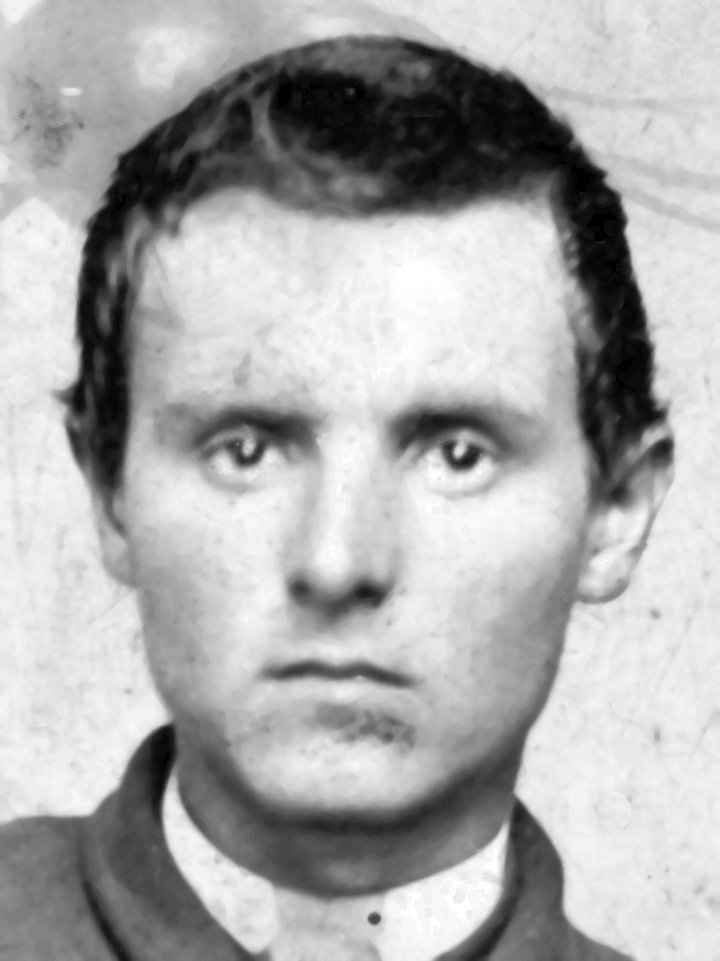

Nat Hentoff


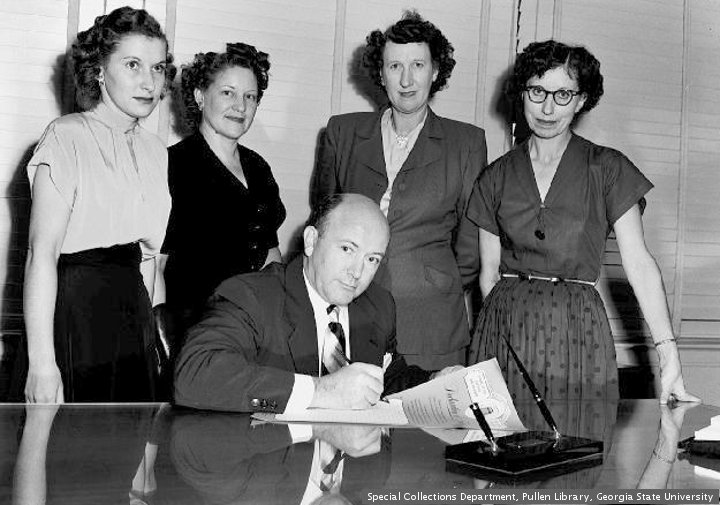
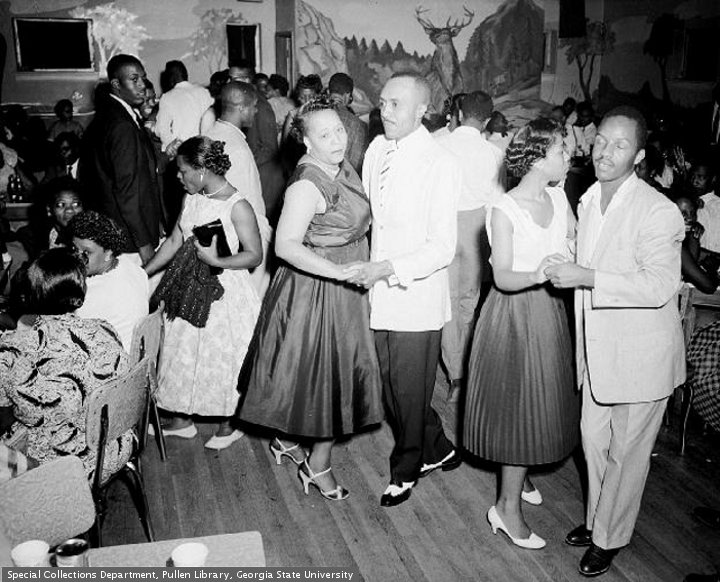


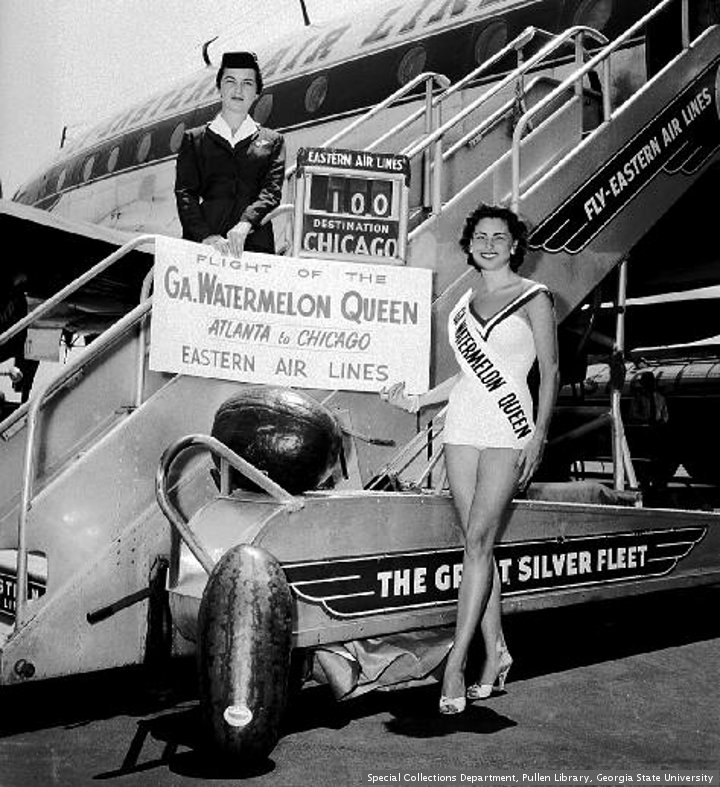
PG saw a talk with Nat Hentoff on Booknotes. A series of stories about jazz musicians was expected. That is not what the talk was about. The first topic of the conversation was abortion.
LAMB: (Brian Lamb, host of Booknotes) “When has a liberal been the most upset with you to your face?”
Mr. HENTOFF: “Oh, well, the most controversial subject-issue I’ve ever gotten involved in to this day was when I became pro-life. And liberals are very–many liberals are very angry at me because of that. In part, because–they could understand it, they say, if I came to it from a religious kin–a Catholic perspective. But I’m still a Jewish atheist, and that really bothers them.”
Later in the interview, Mr. Hentoff commented on atheism.
LAMB: “What does it mean to you to be an atheist?”
Mr. HENTOFF: “It means that I was never able–I mean, I really envy, in some respects, some of the people of faith I’ve known–A.J., for example.”
LAMB: “What was his religion?”
Mr. HENTOFF: “He was–he–I don’t know what he finally came out believing in, but it was some kind of higher being. But Kierkegaard said it for me a long time ago. He said, `You can’t really think yourself into a faith, into a religion. It’s something you have to make a leap into faith.’ And I’ve never been able to do that. I wish I could. Then maybe I could believe in an afterlife.”
Being an atheist did not keep Mr. Hentoff from befriending religious bigshots.
“My favorite story about O’Connor (John Cardinal O’Connor) –one of them–is I was in Toronto at a pro-life conference. And I was … explaining … that the best way to not have unwanted abortions was to have much more research on contraception. And two very large, true-faith people came out of the audience, wrested the microphone out of my hand and said, `That is inappropriate, improper. Pro-lifers do not believe in contraception.’ And O’Connor’s watching this. I get up again and introduce him, and O’Connor said, `I want to tell you I’m delighted that Nat is not a member of the Catholic Church. We have enough trouble as it is.'”
Mr. Hentoff may be the one “pro life” advocate who is also opposed to war and capital punishment. The interview was broadcast October 19, 1997, when his political passion was a distaste for Bill Clinton.
Mr. HENTOFF: “Oh, I think–I don’t think he does anything–I don’t think it’s ill will. I don’t think he’s evil in the sense that he hates the Bill of Rights. He does what he figures will help him politically. It’s like when he was running for president. I’ll never forget this one. He was running in New Hampshire. He was not doing well. And he suddenly, over a weekend, rushed back to Little Rock to execute a guy who had killed a cop, but in the process, the policeman had shot him in the head and he was out of it. He didn’t know today from tomorrow, good, evil, whatever. His lawyer begged–his lawyer was an old friend of Clinton. He begged Clinton not to have this guy executed. It was absurd. But he did it anyway.”
When you say anti war to people of a certain age, they mean Vietnam.
Mr. HENTOFF: … “I got fired from The Reporter. Max Askeli was a very courageous, principled man up to a point. He had left Italy before he was thrown in jail by Mussolini. And he started this very good magazine…. I was in the back of the book doing music. I once did a–the first piece on Malcolm X that anyone had ever seen in the– white press.
But I was very much against the Vietnam War, and Max Askeli was visiting Lyndon Johnson in the White House cheering him on, writing editorials. And in The Voice one day I once referred to him as Commander Askeli. And I called in to The Reporter to go over the galleys of a music piece I had written, and the editor whispered to me, `It’s not gonna run. You’re not gonna run. Max Askeli has fired you because of what you said about him.’ You see, the person who has the strong ownership of free speech is the one who owns the press.”
Some of these opinions got the FBI interested in Mr. Hentoff. Years later, Mr. Hentoff filed a FOIA suit, and got to see his FBI files.
LAMB: “You also once decided you wanted to look at your FBI file.”
Mr. HENTOFF: “Yeah. I was writing–at least beginning to write Boston Boy and there were a lot of holes in my so-called research. I didn’t know the towns my mother and father came from in Russia. I didn’t know the name of the clothing store I went to work for when I was 11 years old. I didn’t know a lot of things. So I called for my FBI files, not expecting to have that stuff there, but I wanted to know what they had on me. And–but they did have the towns my mother and father lived in in Russia. They had the grocery store I worked in when I was 11 years old.
Then they had a lot of clippings, a lot of articles I’d written. And to me the–the funniest one was–I had done a piece for Playboy about J. Edgar Hoover. I had not been very kind to J. Edgar Hoover. And the field agent had written on –it was sent directly to Hoover–that–the director should see this–`And, besides, Hentoff is a lousy writer.’ And I thought that went a bit far.”
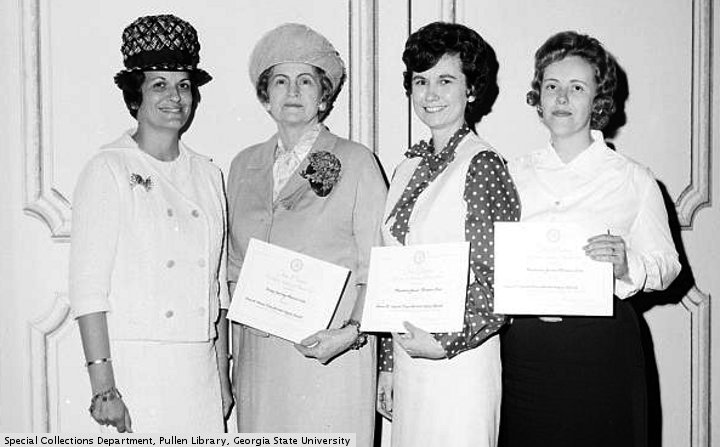
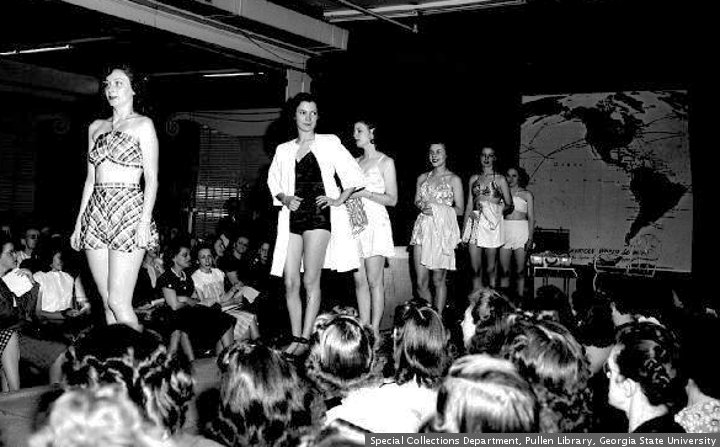
The Booknotes talk aired October 19, 1997. Mr. Hentoff was promoting a book, Speaking Freely: A Memoir. He is still alive. Pictures today are from “The Special Collections and Archives,Georgia State University Library”. This was written like James Joyce.

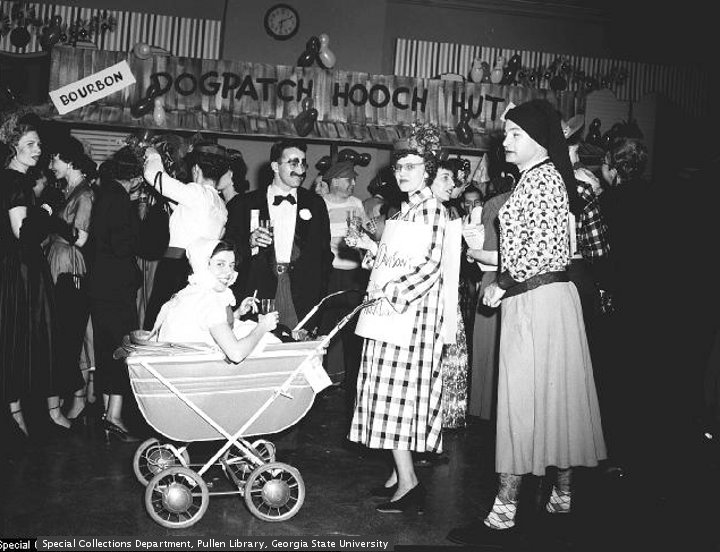
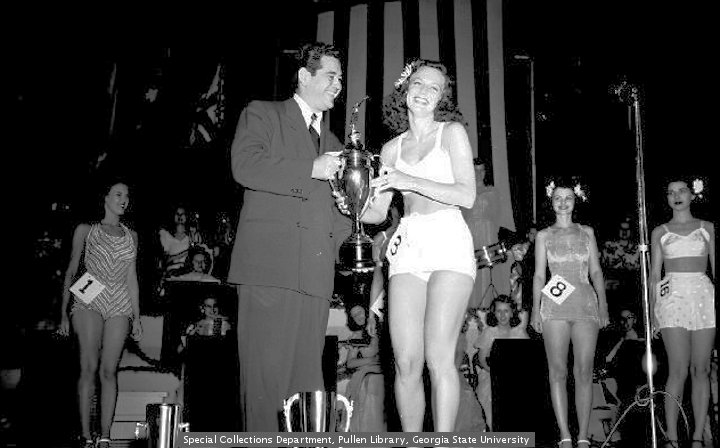



Bathtubs In The US Capitol


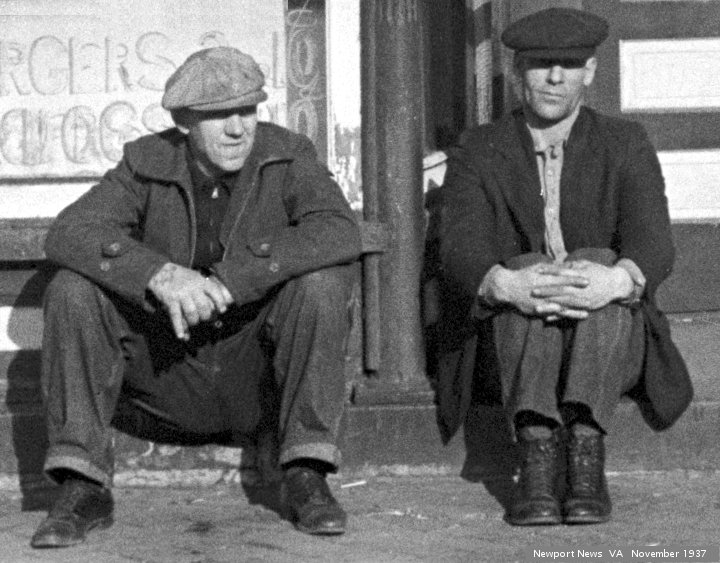
Two days ago, 99invisible posted a show, The Bathtubs or the Boiler Room . It seems as though an NPR reporter likes to go places she is not supposed to be in. In the basement of the US Capitol, she found a bathtub, carved out of a chunk of Italian marble.
“The bathtubs were installed around 1860 during the expansion of the Capitol. DC is known for its swampy summers, and legend has it that senators could be banished from the chamber if they were too smelly. But lawmakers—like most Americans at the time—didn’t have indoor plumbing at home. They needed a place where they could wash up. So, the Architect of the Capitol ordered six marble bath tubs, each three by seven feet and carved by hand in Italy, to be installed in the Capitol basement—three on the House side, three on the senate.”
The tubs were imported from Italy, and sent to the port of Baltimore. They arrived just in time for the War Between The States. They were quite a luxurious item. Today, they are forgotten, surrounded by HVAC machines, with one covered with plywood and file cabinets.
Pictures are from The Library of Congress. This is a repost.


Hate Our Freedom


Angry Arab said this. “A friend wrote that on Facebook: “”Dear US government: We don’t hate you because we hate your freedom; we hate you because you hate our freedom.”
If you have a few minutes, here is the long version. Pictures of Egyptians are here. Pictures of Americans are from The Library of Congress.
This was first posted as TKS Lina on February 6, 2011. At the time, Egypt was in turmoil. Within a week, Mr. Mubarek would be out of power.
Today, the transition in Egypt continues. The battle against the Arab establishment has moved to Syria. The government there is less squeamish about killing it’s citizens. No one really knows for sure how that will turn out, except that more will die.
Most readers will not follow the link to the “long version”. Here is one key paragraph. “The tail has long wagged the dog in American Middle East policy. The rotten order of the modern Middle East has been based on wily local elites stealing their way to billions while they took all the aid they could from the United States, even as they bit the hand that fed them. First the justification was the putative threat of International Communism … More recently the cover story has been the supposed threat of radical Islam, which is a tiny fringe phenomenon in most of the Middle East that in some large part was sowed by US support for the extremists in the Cold War as a foil to the phantom of International Communism. And then there is the set of myths around Israel, that it is necessary for the well-being of the world’s Jews, that it is an asset to US security, that it is a great ethical enterprise– all of which are false.”
The long version was posted in Informed Comment. This is an excellent source of information about the Middle East. Today’s headline is about a Palestinian prisoner who died in Israeli custody.
There was another story. “Meanwhile, militant, armed Jewish supremacists on Saturday attacked the Palestinian village of Kusra shooting two residents with live ammunition and chopping down olive trees and causing other property damage.”
In the two years since this post first appeared, BHO has been reelected POTUS. This is despite right ring criticism that he did not support Israel sufficiently. How he will deal with the ongoing turmoil in the Middle East remains to be seen.

Things People Used To Say


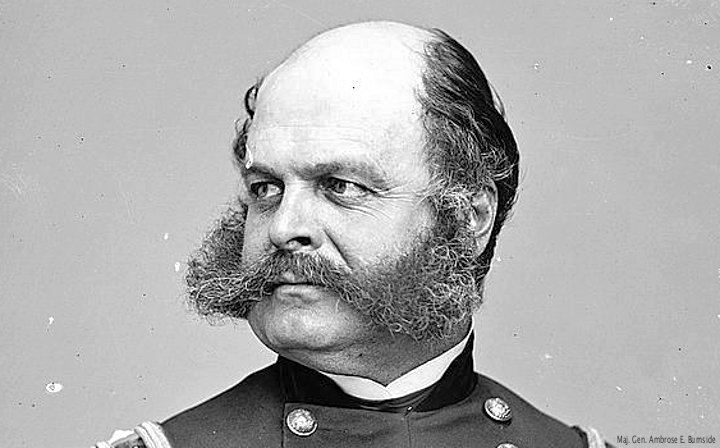
A blogger named gartalker has a list of words that are becoming extinct. Maybe it is a southern thing, but PG still hears supper used. The rest of the list is amusing, and can make you feel old…even if your age is not an interstate speed limit.
A term I haven’t heard in a long time, and thinking about ‘fender skirts’ started me thinking about other words that quietly disappear from our language with hardly a notice like curb feelers. Any body remember them. And steering knobs.’ (AKA) suicide knob, Neckers Knobs. Since I’d been thinking of cars, my mind naturally went that direction first. Any kids will probably have to find some elderly person over 50 to explain some of these terms, like fender skirts.
Continental kits They were rear bumper extenders and spare tire covers that were supposed to make any car as cool as a Lincoln Continental.
Emergency Brakes At some point ‘parking brake’ became the proper term. I miss the hint of drama that went with ‘emergency brake.’
Clutch – Foot Feed – Dimmer Switch. I’m sad, too, that almost all the old folks are gone who would call the accelerator the ‘foot feed.’ Many today do not even know what a clutch is or that the dimmer switch used to be on the floor.
Running Board Didn’t you ever wait at the street for your daddy to come home, so you could ride the ‘running board’ up to the house? You felt like a real G-man. Heck, most of you most likely don’t know what a G-man is.
Store-bought Here’s a phrase heard all the time in my youth but never anymore -’store-bought.’ Of course, just about everything is store-bought these days. However, once it was bragging material to have a store-bought dress or a store-bought bag of candy.
Coast to Coast Coast to coast’ is a phrase that once held all sorts of excitement and now means almost nothing. Now we take the term ‘world wide’ for granted. I guess that soon it will be Universal.
Wall to Wall On a smaller scale, ‘wall-to-wall’ was once a magical term in our homes. In the ’50s, everyone covered his or her hardwood floors with, wow, wall-to-wall carpeting! Today, everyone replaces their wall-to-wall carpeting with hardwood floors. Go figure.
In A Family Way – P G When’s the last time you heard the quaint phrase ‘in a family way?’ It’s hard to imagine that the word ‘pregnant’ was once considered a little too graphic, a little too clinical for use in polite company, so we had all that talk about stork visits and ‘being in a family way’ or simply ‘expecting. The more sophisticated town girls called it P G. (That is not the source of a pen name.)
Brassiere Apparently, ‘brassiere’ is a word no longer in usage. I said it once to my daughter when she was a teen and she cracked up. I guess it’s just ‘bra’ now. ‘Unmentionables’ probably wouldn’t be understood at all.
Picture Show I always loved going to the picture show. In fact, I have written about it in this very blog. I considered ‘movie’ an affectation.
Rat Fink Most of these words go back to the ’50s, but here is a pure-’60s word I came across the other day – ‘rat fink.’ Ooh, what a nasty put-down! These two words could cut like a sharp knife.
Percolator- DynaFlo – Elevtrolux – Spectra Vision Here is a word I miss – ’percolator.’ That was just a fun word to say. What was it replaced with? ‘Coffee maker.’ How dull. Mr. Coffee.
I miss those made-up marketing words that were meant to sound so modern and now sound so retro. Words like ‘DynaFlow and‘Electrolux..’ (spell check suggestion: Electrocute)Introducing the 1963 Admiral TV, now with‘SpectraVision!’ (PG has a percolator in his camping gear. It works well over a propane stove, but the coffee is way too hot.)
Lumbago- Castor Oil -Food for thought – Was there a telethon that wiped out lumbago? Nobody complains of that anymore. Maybe that’s what castor oil cured, because I never hear mothers threatening kids with castor oil anymore.
Supper Some words aren’t gone, but are definitely on the endangered list. The one that grieves me most, ’supper.’ Now everybody says ‘dinner.’ Save a great word. Invite someone to supper.
Chimney One last thing, when I was a kid we passed a neighbors house. They had a T V antenna strapped to their Chimney. It was a cold day and smoke was bellowing out the old leaning stack. My mother said, “Look there can’t afford butane to keep warm but they got a television set.” Yes, when I was kid a sure sign of poverty was smoke coming from your chimney. Now you know you are in an up scale neighborhood. A fireplace in the den is a luxury.
This is a repost. The pictures are from The Library of Congress. Iwritelike compares this to the style of David Foster Wallace. Gartalker is still in the blogging business.


The Boston Tea Party Story


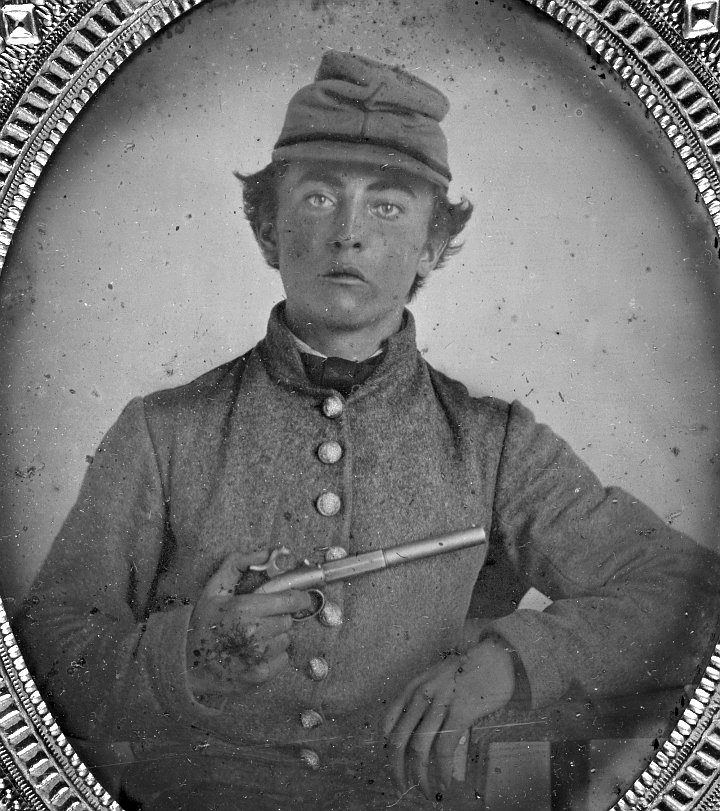
For better or worse (it’s ok to curse), the tea party is a part of the scene. The seminal event was the Boston Tea Party in 1775. The first post below is a look at what really happened in Boston harbor. It is tough to discern truth from fable at a distance of 236 years, but we will try. The tea party metaphor gets worked over in another post, would you like a refill?
The second part is a look at the phrase “founding fathers”. This phrase is “liberally” sprinkled into rhetoric of all persuasions. This author sees a square peg being forced into round holes.
In the first year of the Obama regime, America has seen the rise of the “Tea Party”. These affairs are usually right wing, and have lots of clever signs. The general idea is that taxes are too high, government is too big, and that the people need to do something.
The namesake event was the Boston Tea Party. On December 16, 1773, crowds of people (some dressed as Mohawks) went on board the Dartmouth, the Eleanor, and the Beaver. The crowds threw overboard 342 chests, containing 90,000 pounds of tea. The crowds were unhappy because the East India Company was importing the tea into America, with a 3 pence per pound tax.
A website called listverse plays the contrarian. (spell check suggestions: contraction, contraption) According to them : “American colonists did not protest the Tea Tax with the Boston Tea Party because it raised the price of tea. The American colonists preferred Dutch tea to English tea. The English Parliament placed an embargo on Dutch tea in the colonies, so a huge smuggling profession developed. To combat this, the English government LOWERED the tax on tea so that the English tea would be price competitive with Dutch teas. The colonists (actually some colonists led by the chief smugglers) protested by dumping the tea into Boston Harbor.”
According to Wikipedia, the Dutch tea had been smuggled into the colonies for some time. The Dutch government had given their companies a tax advantage, which allowed them to sell their product cheaper. Finally, the British government cut their taxes, but kept a tax in place. The “Townsend Tax” was to be used to pay governing colonial officials, and make them less dependent on the colonists.
In Charleston, New York, and Philadelphia, the tea boats were turned around, and returned to England with their merchandise. In Massachusetts, Governor Thomas Hutchinson insisted that the tea be unloaded. Two of the Governor’s sons were tea dealers, and stood to make a profit from the taxed tea. There are also reports that the smugglers were in the crowd dumping tea into the harbor.
The photogenic tea party movement seems to be destined to stay a while. The question remains, how much does it have to do with the namesake event?
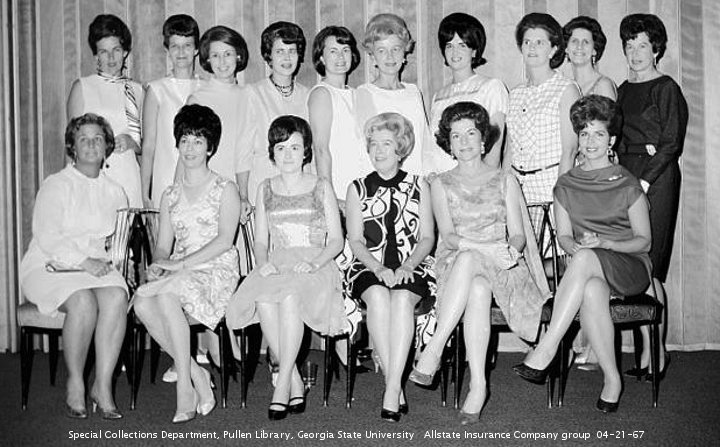


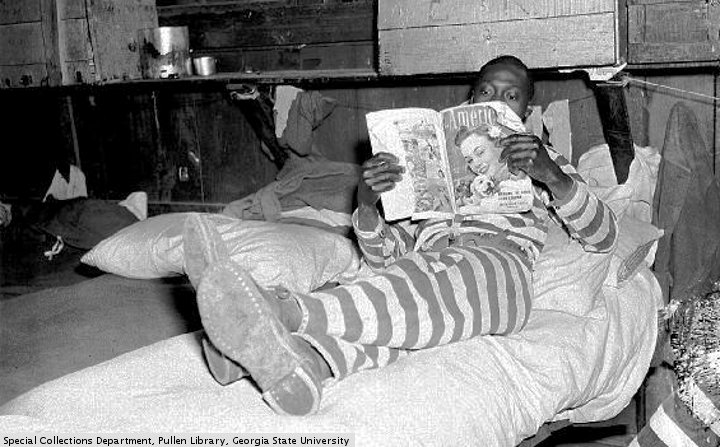
People often try to justify their opinions by saying that the “founding fathers” agree with them. They often are guilty of selective use of history. A good place to start would be to define what we mean by the phrase founding fathers.
The FF word was not used before 1916. A senator from Ohio named Warren Harding used the phrase in the keynote address of the 1916 Republican convention. Mr. Harding was elected President in 1920, and is regarded as perhaps the most corrupt man to ever hold the office.
There are two groups of men who could be considered the founding fathers. (The fathers part is correct. Both groups are 100% male.) The Continental Congress issued the Declaration of Independence, which cut the ties to England. Eleven years later, the Constitutional Convention wrote the Constitution that governs America today. While the Continental Congress was braver than the Constitution writers (We must hang together, or we will hang separately), the Constitution is the document that tells our government how to function. For the purposes of this feature, the men of the Constitutional Convention are the founding fathers.
Before moving on, we should remember eight men who signed the Declaration of Independence, and later attended the Constitutional Convention. Both documents were signed by George Clymer, Benjamin Franklin, Robert Morris, George Read, Roger Sherman, and James Wilson. George Wythe left the Constitutional Convention without signing the new document. (He needed to take care of his sick wife. Mr. Wythe later supported ratification.) Elbridge Gerry (the namesake of gerrymandering) refused to sign the Constitution because it did not have a Bill of Rights. Both Mr. Wythe, and Mr. Gerry signed the Declaration of Independence.
The original topic of this discussion was about whether the founding fathers owned slaves. Apparently, PG is not the only person to wonder about this. If you go to google, and type in “did the founding fathers”, the first four answers are owned slaves, believed in G-d, have a death wish, and smoke weed.
The answer, to the obvious question, is an obvious answer. Yes, many of the founding fathers owned slaves. A name by name rundown of the 39 signatories of the Constitution was not done for this blogpost. There is this revealing comment at wiki answers about the prevalence of slave ownership. “John Adams, his second cousin Samuel Adams, Alexander Hamilton, and Thomas Paine were the only men who are traditionally known as founding fathers who did not own slaves. Benjamin Franklin was indeed a founder of the Abolitionist Society, but he owned two slaves, named King and George. Franklin’s newspaper, the Pennsylvania Gazette routinely ran ads for sale or purchase of slaves.
Patrick Henry is another founding father who owned slaves, although his speeches would make one think otherwise. Despite his “Give Me Liberty or Give Me Death” speech, he had up to 70 slaves at a time, apologizing a few times along the way, saying he knew it was wrong, that he was accountable to his God, and citing the “general inconvenience of living without them.”
Patrick Henry was a star of the Revolution, but not present at the Constitutional Convention. The author of the Declaration of Independence, Thomas Jefferson, was in Europe during the convention. Mr. Jefferson not only owned slaves, he took one to be his mistress and kidsmama.
One of the more controversial features of the Constitution is the 3/5 rule. Here are the original words “Representatives and direct Taxes shall be apportioned among the several States which may be included within this Union, according to their respective Numbers, which shall be determined by adding to the whole Number of free Persons, including those bound to Service for a Term of Years, and excluding Indians not taxed, three fifths of all other Persons.” In other words, a slave was only considered to be 60% of a person.
That seems rather harsh. The truth is, it was a compromise. The agricultural southern states did not want to give up their slaves. The northern states did not want to give up Congressional representation. This was the first of many compromises made about slavery, ending with the War between the States. This webpage goes into more detail about the nature of slavery at the start of the U.S.A.
The research for this feature turned up a rather cynical document called The myth of the “Founding Fathers” . It is written by Adolph Nixon. He asks : “most rational persons realize that such political mythology is sheer nonsense, but it begs the question, who were the Founding Fathers and what makes them so great that they’re wiser than you are?”
Mr. Nixon reviews the 39 white men who signed the Constitution. He does not follow the rule, if you can’t say anything nice about someone, then don’t say anything at all. Of the 39, 12 were specified as slave owners, with many tagged as “slave breeders”.
The Constitution, and the Bill of Rights, have served America well. However it was intended, it was written so that it could be amended, and to grow with the young republic. It has on occasion been ignored (when was the last time Congress declared war?). However fine a document it is, it was created by men. These were men of their time, who could not have foreseen the changes that America has gone through. Those who talk the most about the founding fathers often know the least about them.
A big thank you goes to wikipedia Pictures are from “The Special Collections and Archives,Georgia State University Library”. This repost was written like H. P. Lovecraft.


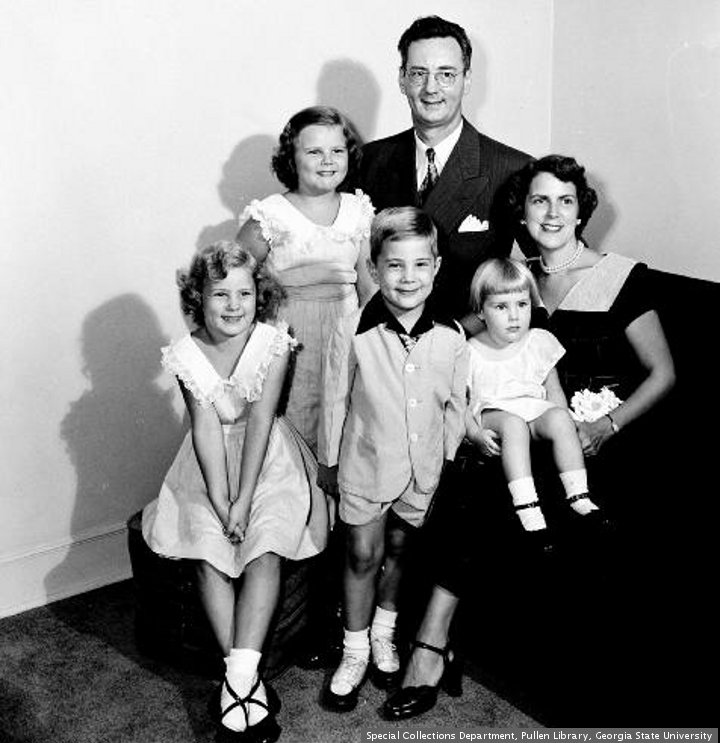
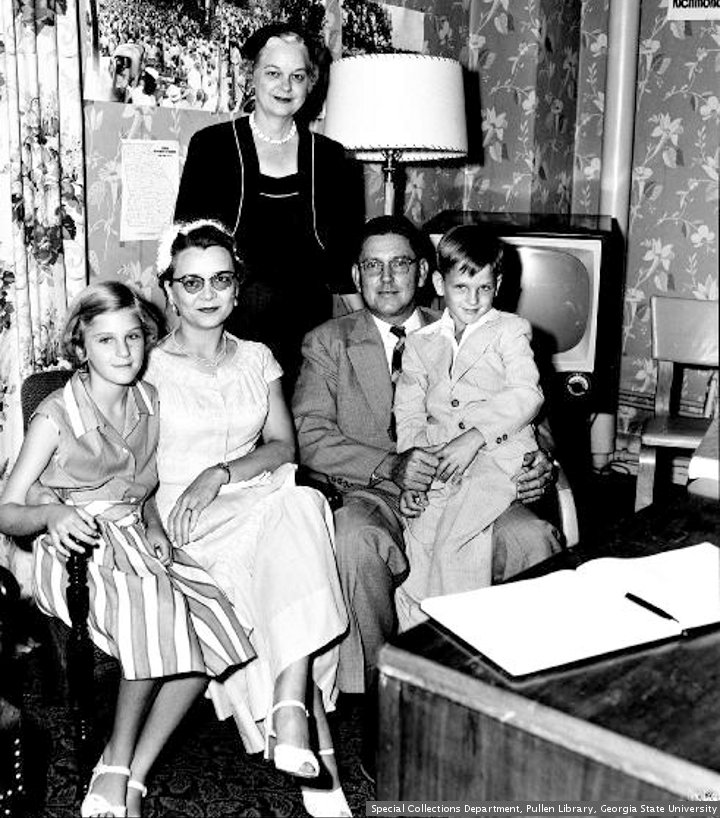
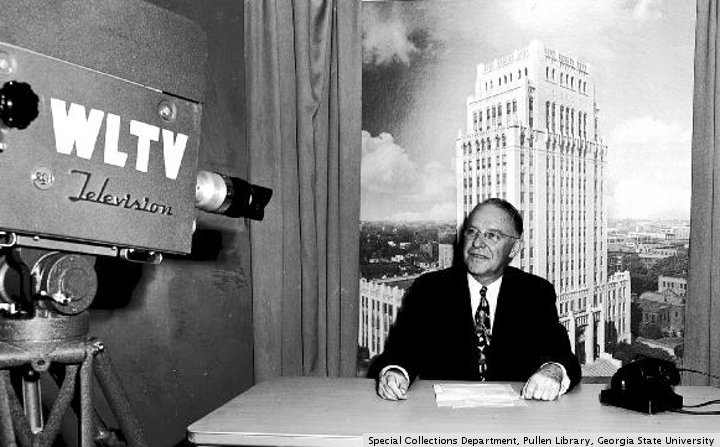
The Doe Family

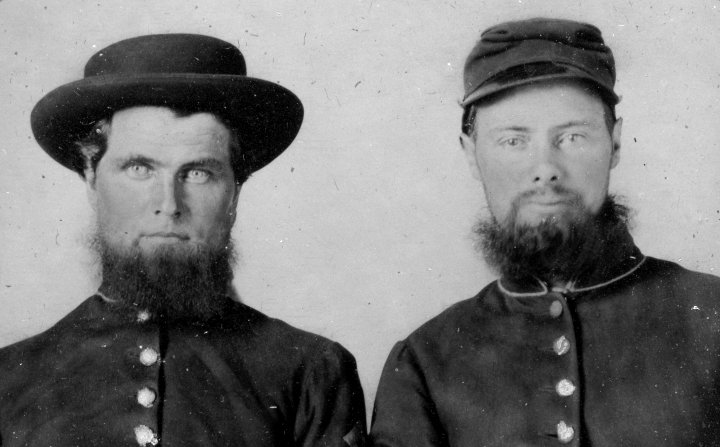
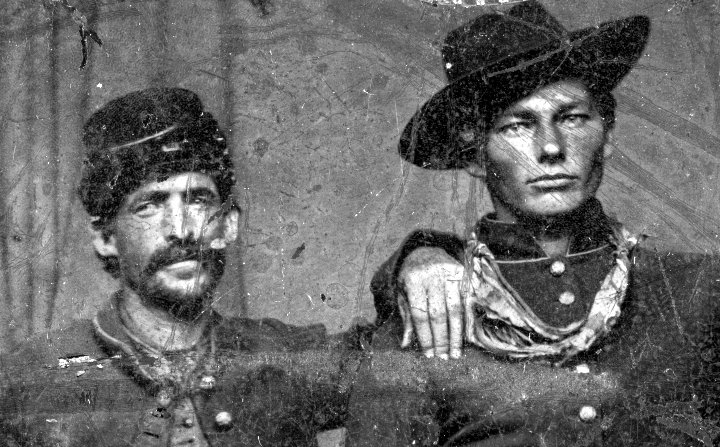
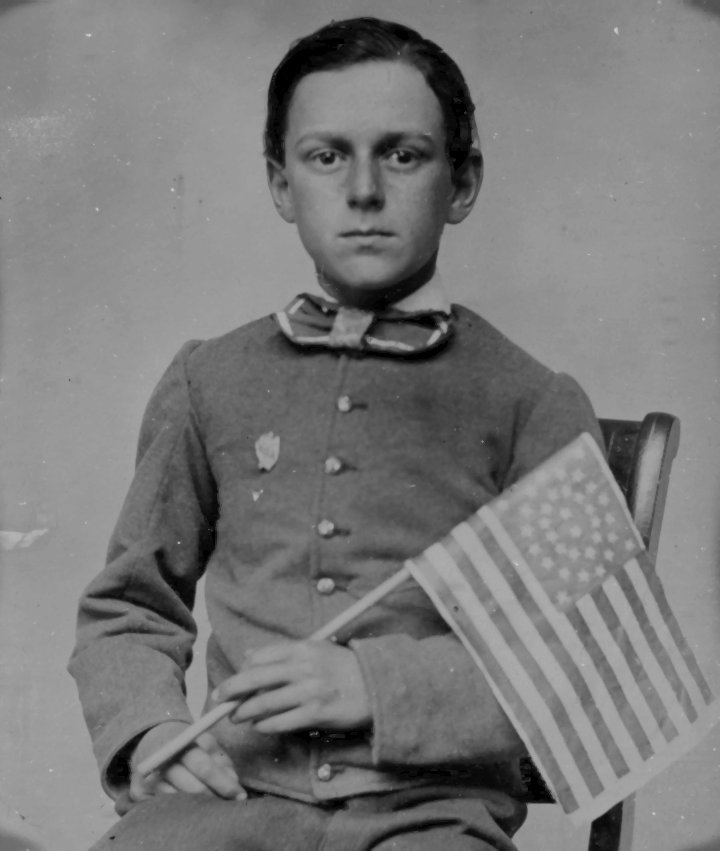
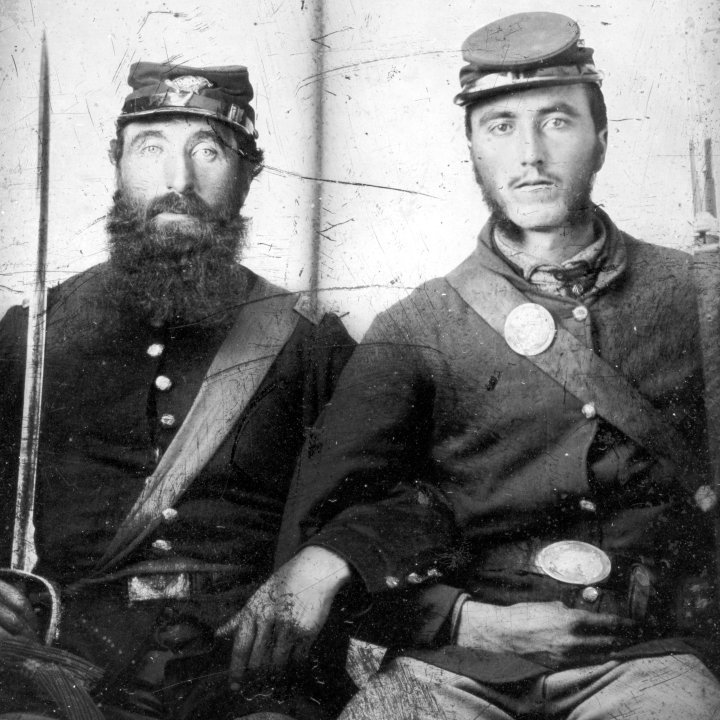
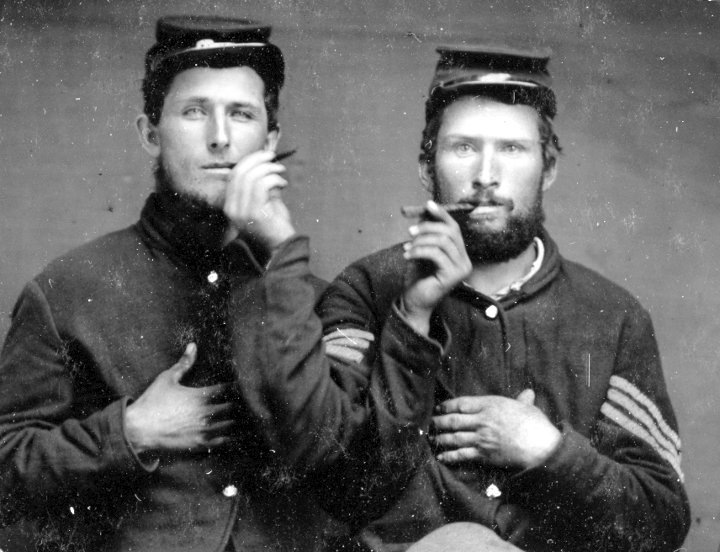
A doe is a female deer. There is also a human Doe family.
John Doe is rather slow. Not much is known about him.
How does a man without an face get in wikipedia?
Sha Dow is a mysterious figure. Why he changed his name, no one knows.
Jane Doe is the ex wife of Sha Dow. She is having an identity crisis.
Juan Doe is undocumented.
Bro Doe is on the down Low.
TaeKwonDoh is the asian of the family. She will kick your ass.
Do Si Doe likes to dance. She thinks being called square as a compliment.
According to science and legend, there was once a bird, the Dodo.
This is doe-doe, not doo doo.
Which will bring us back to Doe.
This is a repost. Pictures are from The Library of Congress.

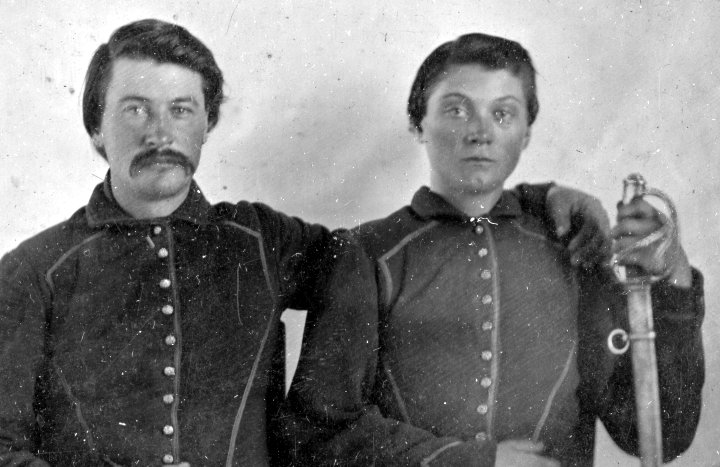
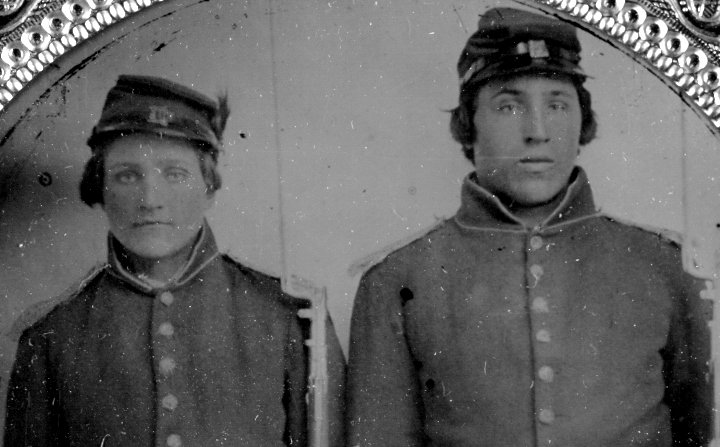
Hastings
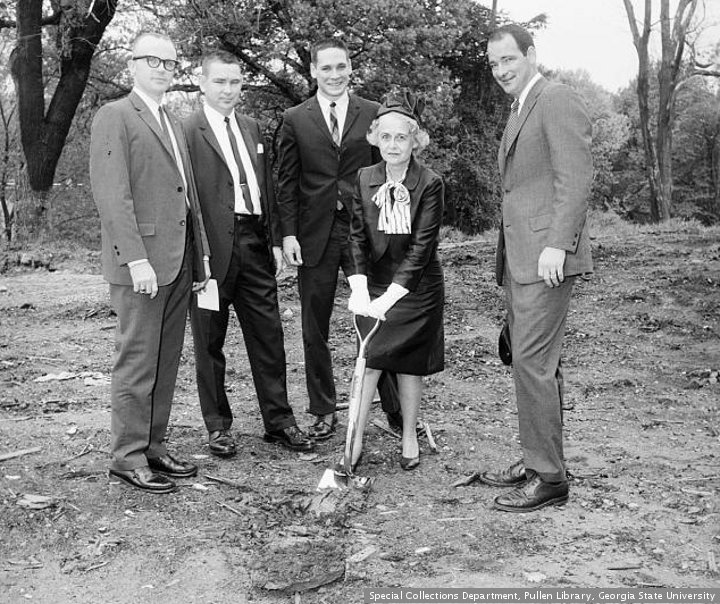
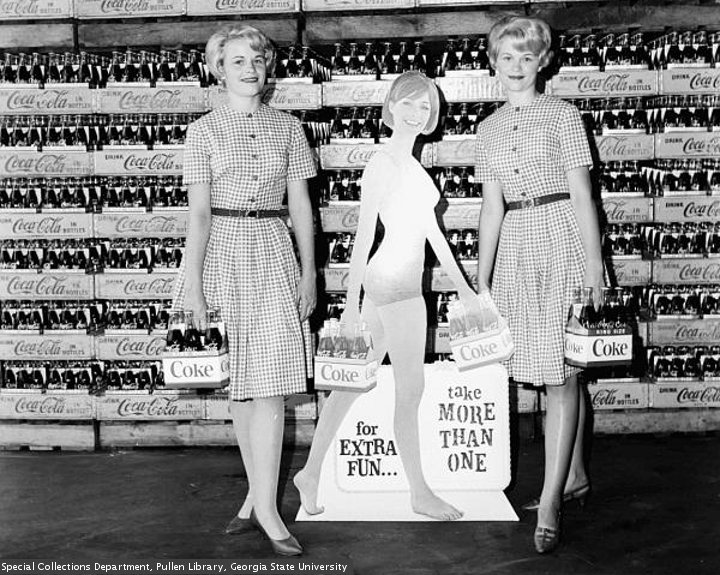
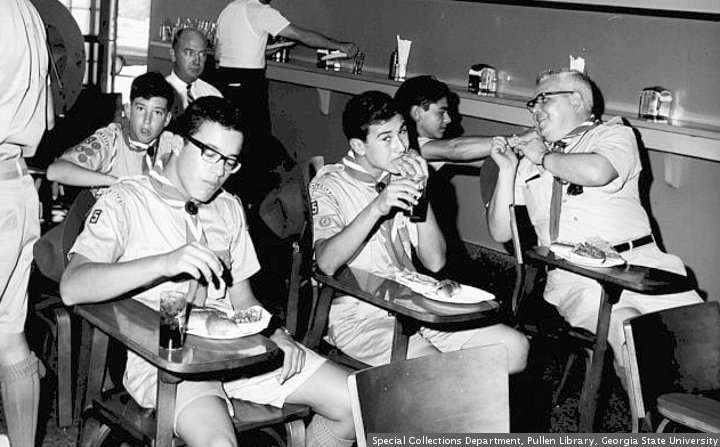

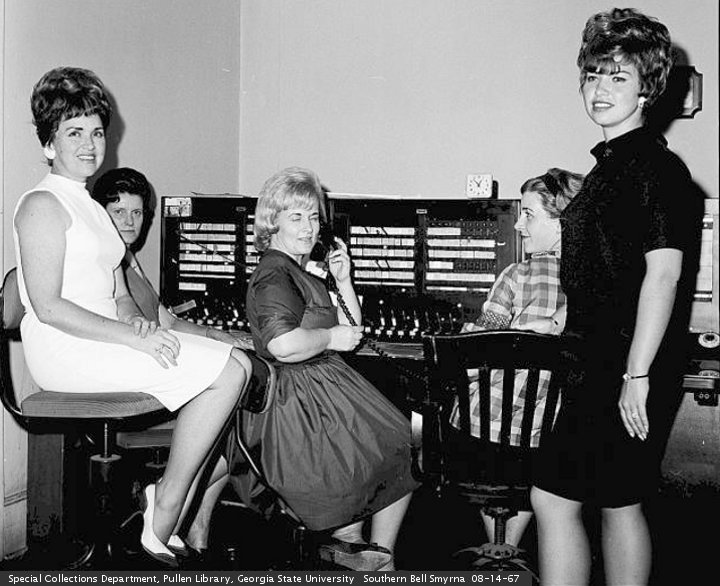
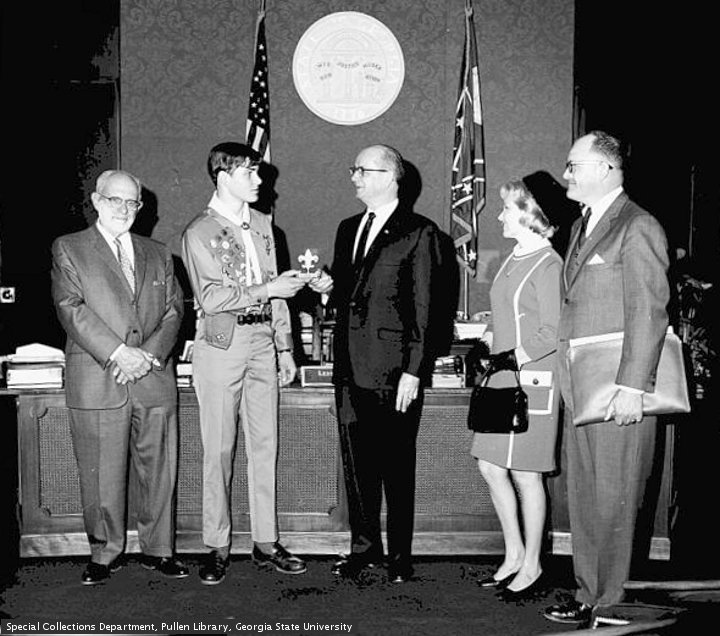
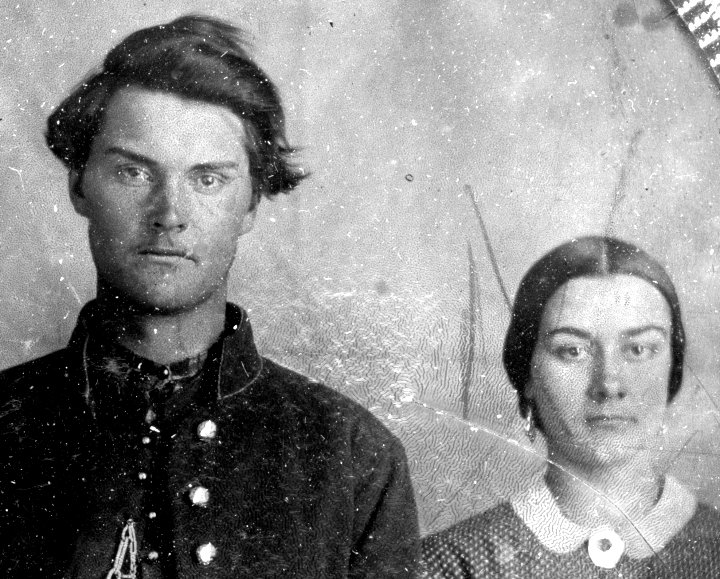
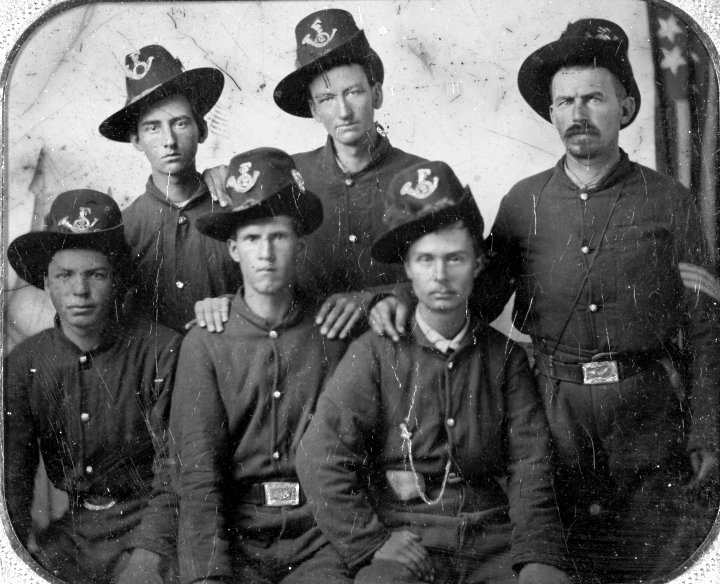
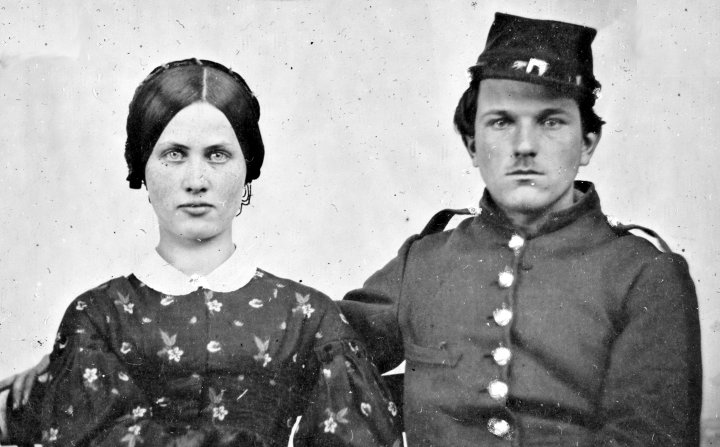
Jimmy Breslin is a New York journalist. He was on BookNotes, promoting something he had written about Damon Runyan. At some point, he had a few things to say about handguns.
BRESLIN: I was thinking of that with the guns. We’ve got an enormous amount of empty hands in the city of New York — poor people with empty hands — and there is a whole lot of guns coming in and those empty hands pick them up. Now, we’ve been saying just a tiny, stupid, little thing. I never understood the argument. How can you have a semi-automatic weapon, period. I mean, what are they for? … Now, I’m thinking of that this morning when they hear this gun they used in Killeen, Texas. What did he kill — 22 — with a gun?
… What reason is there for a gun — a handgun? I mean, he gets it to kill somebody with, that’s all. There’s no other reason. I don’t know why they make them. They make them to kill people with.
We just lost that guy Hastings. There was bartender, a fellow by the name of Hastings, in the city of New York. He fought at Guadalcanal and Okinawa as a Marine. Pretty good. Been around a little action, I’d say, right? He did 20 years as a New York City policeman and a detective. The day he left the job he turned in all his guns and said, “I never want to look at one of them again. I know exactly what they are. I don’t like them. Goodbye.” He was tending bar the other night in the Garden Grove, which is one of those neighborhood places that generations of working people have known in the Woodside neighborhood of Queens, and he walks out at 3 in the morning carrying some Chinese food, no gun — gave those things up, hates them — and a guy thought it was the receipts from the bar and shot him in the head with a gun. Now, if Hastings, who was around guns at Guadalcanal, doesn’t like them, what are we doing making them today so somebody can walk up and shoot him in the head? We lost a magnificent human being that way. I think that that’s politics, and I think that’s where I would write quite a bit of politics. For anybody that doesn’t vote to stop the manufacture of guns, well, he’s just contributing to murder. That’s all there is to it. I think that’s political now.
Later in the chat, there was this exchange with interviewer Brian Lamb. LAMB: When are you absolutely the happiest? BRESLIN: You’re not put on this earth to be happy. You’re really not. Now you laugh — you’ll find that’s true before we’re through. The pictures today are from “The Special Collections and Archives,Georgia State University Library”. The spell check suggestion for Breslin is Breadline.
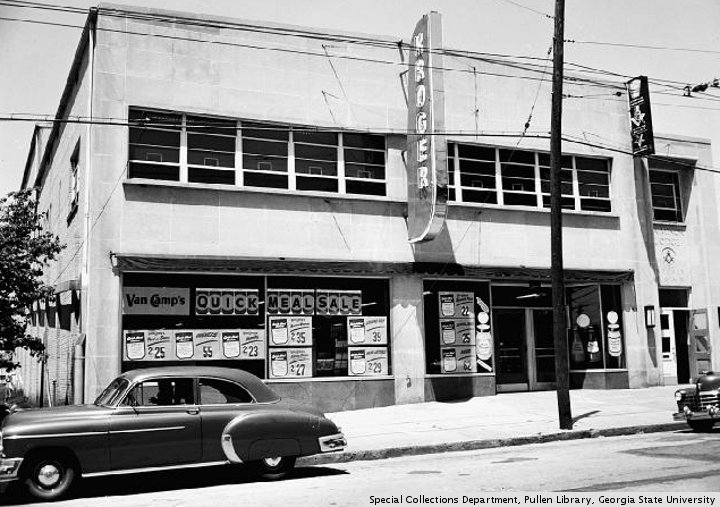
Was Warren Harding A Bad President?
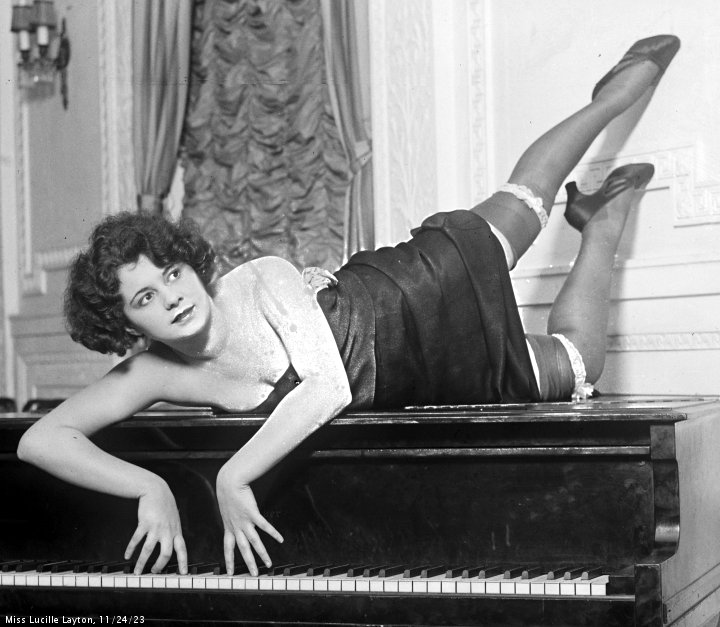


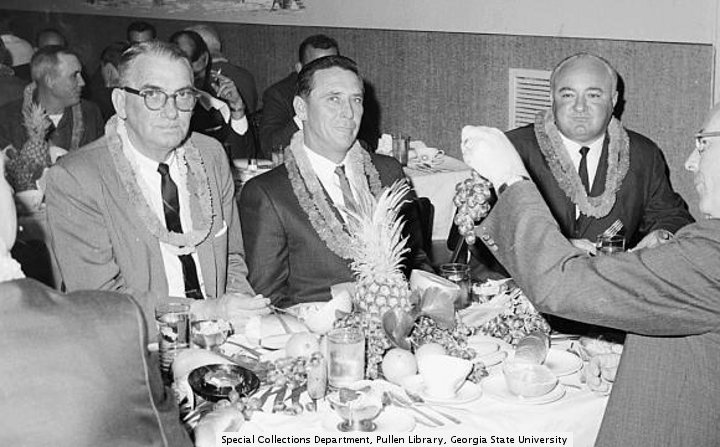
It is a cliche of history classes that Warren Harding was one of the worst men to occupy the oval office. (Richard Nixon was the POTUS the last time PG studied history. This cliche does not consider the last forty years.) PG is a fair minded person, who is always looking for something to write about. The question for Mr. Google was “was warren harding a terrible president?”. Answers dot com has a generous helping of biographical sketches.
Warren Gamaliel Harding was born Nov. 2, 1865, Caledonia OH, and died Aug. 2, 1923, San Francisco CA. (His birthplace is also cited as Blooming Grove OH, and Corsica OH.) He published a newspaper, got into politics, and was elected to the US Senate. In 1920, he was a compromise candidate, on the tenth ballot of the Republican convention. He clobbered James Cox, (His family firm, Cox Enterprises, owns Channel 2 and the fishwrapper.) and became President March 4, 1921.
The United States was in an economic downturn in 1921. The War in Europe ended in 1918, and a postwar depression was on. The last two years of the Wilson administration had been chaotic, with the President suffering a debilitating stroke. In a few years, the roaring twenties were on, and America was prosperous for a few years.
Mr. Harding was reputed to be a womanizer, gambler, and heavy drinker. He was not an activist President, but allowed his cronies to do what they wanted to do. This proved to be his downfall. “I have no trouble with my enemies. I can take care of my enemies all right. But my damn friends. They’re the ones that keep me walking the floor nights!”
There was a major scandal involving oil reserves. It centered around a place in Wyoming called Teapot Dome. The details of this affair mostly came to light after the death of President Harding. Albert B. Fall, the secretary of the interior, was convicted of a felony for his role in the affair… the first cabinet officer to become a felon while in office.
Mr. Harding went on a trip to the west, to make speeches and deals. He was the first President to go to Alaska. While in Alaska, he read some documents about the crooked dealings of his friends. In a few days, he was in San Francisco. He had been in ill health during the trip.
“On Thursday, the President’s health appeared to be improving, so his doctors went to dinner. Harding’s pulse was normal and his lung infection had subsided. Unexpectedly, during the evening, Harding shuddered and died suddenly in the middle of conversation with his wife in the hotel’s presidential suite, at 7:35 pm on August 2, 1923. Dr. Sawyer (a homeopath, and friend of the Harding family), opined that Harding had succumbed to a stroke, but doctors there disagreed. … After some discussion, the doctors issued a release indicating the cause of death to be “some brain evolvement, probably an apoplexy”. Mrs. Harding refused to allow an autopsy. In retrospect, scholars speculate that Harding had shown physical signs of cardiac insufficiency with congestive heart failure in the preceding weeks. Naval medical consultants who examined the president in San Francisco concluded he had suffered a heart attack. “
The sudden and mysterious death of a President, with reports of a scandal surfacing, is fertile ground for conspiracy theorists. Mr. Harding did appear to be in poor health, so this may have been a natural occurrence. The truth will never be completely known.
One aspect of the Harding administration that is not well known is his attitude about race. In the years after World War I, America was engulfed in race hatred. The Ku Klux Klan had a revival. “In a speech on October 26, 1921, given in segregated Birmingham, Alabama Harding advocated civil rights for African Americans; the first President to openly advocate black political, educational, and economic equality during the 20th century.” Mr. Harding supported an anti lynching bill, which a Democratic filibuster kept from passing.
Jimmysnax brings the Internet tradition of snarky commentary to the legacy of Warren Harding. Apparently, former newspaperman Harding could not write his way out of a paper bag. (In 1923, radio was a novelty. The printed word was the primary means of communication.)
Run your eyes over one of the best known examples of his waterboarding of the English tongue: “I would like the government to do all it can to mitigate, then, in understanding, in mutuality of interest, in concern for the common good, our tasks will be solved.”
Here’s what H. L. Mencken said about Harding’s speech writing and speech making: “He writes the worst English that I have ever encountered. It reminds me of a string of wet sponges; it reminds me of tattered washing on the line; it reminds me of stale bean soup, of college yells, of dogs barking idiotically through endless nights. It is so bad that a sort of grandeur creeps into it. It drags itself out of the dark abysm of pish, and crawls insanely up the topmost pinnacle of posh. It is rumble and bumble. It is flap and doodle. It is balder and dash.” The 20’s were a wonderful time for language!
Or as E.E. Cummings put it, announcing Harding’s death: “The only man, woman or child who wrote a simple declarative sentence with seven grammatical errors is dead.”
Pictures are from The Library of Congress. This repost is written like Kurt Vonnegut.


Obituary Mambo


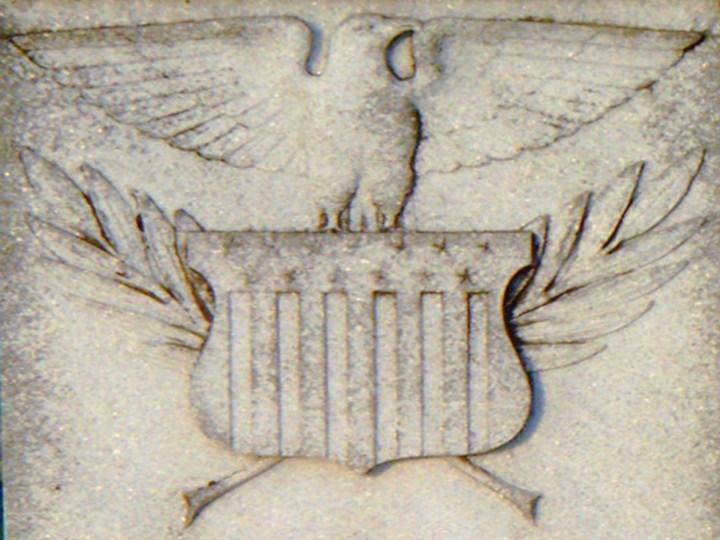
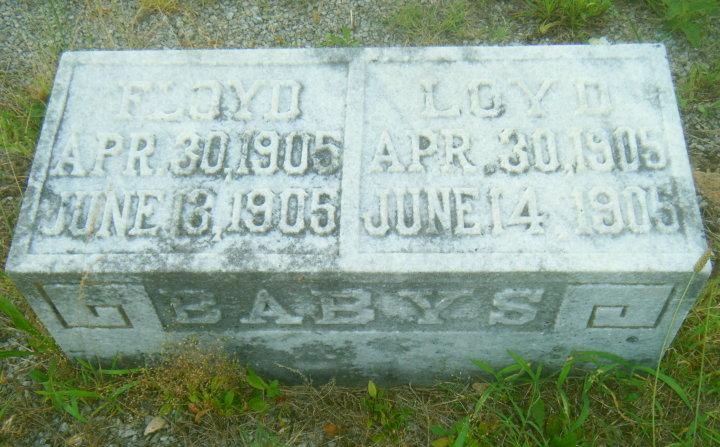
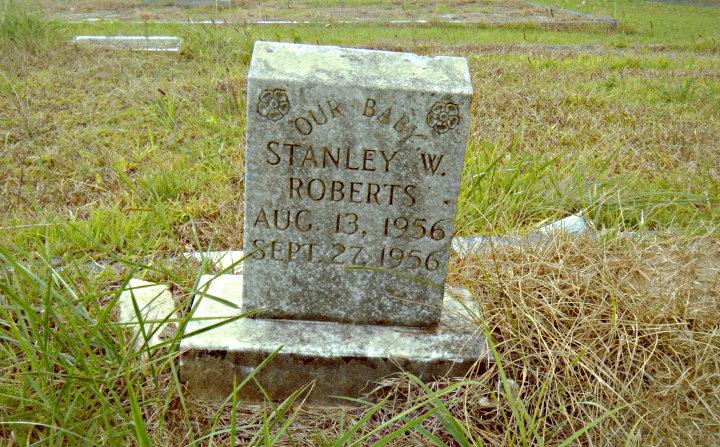
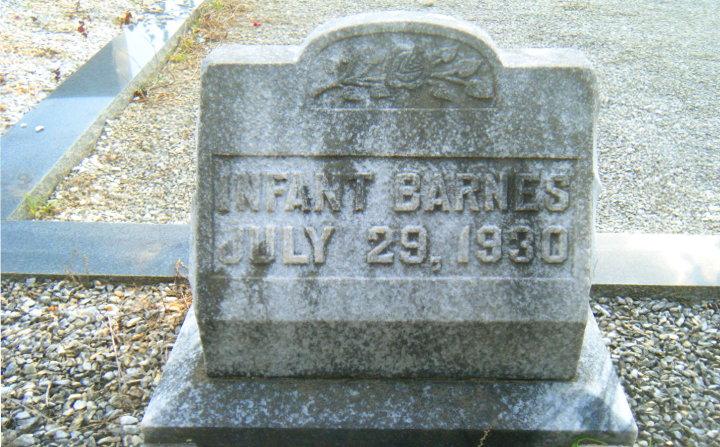
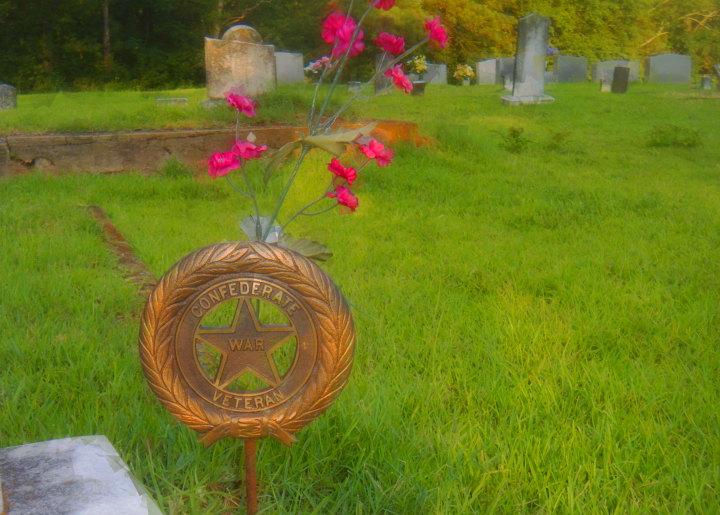
Andrew Sullivan had an uplifting feature, the other day, about obituaries. As is his custom, he found an article at another site, threw out a juicy quote, and moved on. It is up to Chamblee54 to provide more detail, and put up pictures for the text averse. These pictures today are from the Pleasant Hill Baptist Church cemetery. This is a repost.
It is a common practice to look at the obituaries (aka “Irish sports page”) first thing in the morning. If the reader is not included, then the day can proceed as normal. This custom does not take into account the possibility that you have died, and your family it too cheap to purchase a notice.
The article in question is THE DEAD BEAT CLUB Ten things you don’t know about the obit biz. It starts off by saying that the family members are usually happy to help the obit scribe. They have stories about the recently deceased, like ” Eddie “Bozo” Miller boasted of regularly drinking a dozen martinis before lunch, yet he lived to age eighty-nine.”
Newspapers take different approaches to obituaries. Some assign rookies, or use the death beat as punishment for troublemakers. Others give the job to their best writer. The paid notices are usually written by family members, with the help of the undertaker.
Of course, there is the occasional oddball. Alana Baranick, obituary writer for Cleveland’s The Plain Dealer and lead author of Life on the Death Beat: A Handbook for Obituary Writers , likes to visit every municipality in the United States named Cleveland.
One oft repeated saying is that obituaries are about life, not death. As the source puts it: “The British “quality” newspapers — The Times, The Daily Telegraph, The Guardian, and The Independent, substantiate the old chestnut about obituaries being about life, not death. These papers rarely mention the cause of death, focusing instead on presenting a vivid account of a lived life. American papers have an unhealthy fixation on death. It’s common for “complications of chronic pulmonary disease” or “bile duct cancer” to show up in the story’s lede, never to resurface.”
Only one obituary has won a Pulitzer prize. ” Leonard Warren, a Metropolitan Opera baritone, dropped dead mid-performance in 1960. Sanche de Gramont (who changed his name to Ted Morgan), a young rewrite man at the New York Herald Tribune, banged out the obit in under an hour and won a 1961 Pulitzer in the Local Reporting, Edition Time, category.”
There is an The International Association of Obituarists. The headquarters is in Dallas TX, presumably near a grassy knoll. They have an annual convention, which is said to be a lively affair. The 2005 conference was in Bath, England. The 2007 conference was in Alfred NY. There is also the Society of Professional Obituary Writers.
IAO was founded by Carolyn Gilbert, the lady who puts the bitch in obituary. Ms. Gilbert collaborates on a page, Remembering The Passed. RTP has a series of podcasts. They require an apple app to listen, which is too much work for PG.
Death is a part of life. Every language has a word for it, and English has a number of slang expressions. An incomplete list would include : ““passed on”, “are no more”, “have ceased to be”, “expired and gone to meet their Maker”, “are bereft of life”, “have ceased to be”, “rest in peace”, “push up daisies”, “whose metabolic processes are now history”, “are off the twig”, “have kicked the bucket”, “shuffled off their mortal coil”, “run down the curtain” or “joined the Choir Invisible”
Columbia Journalism Review (Motto: Strong Press, Strong Democracy) has a feature about Obit. “Krishna Andavolu is the managing editor of Obit an online magazine intended for those interested in obituaries, epitaphs, elegies, postludes, retrospectives, grave rubbings, widow’s weeds, and other such memorabilia of expiration. Part eulogistic clearinghouse, part cultural review, Obit purports to examine life through the prism of death. Founded in 2007 by a wealthy New Jersey architect who sensed an exploitable niche after seeing a middle-aged woman distraught over the death of Captain Kangaroo, the site is a locus for enlightened morbidity.”
OM is worth a visit. The top story features a picture of Betty Ford, who survived Breast Cancer, Alcoholism, and The White House, to die at 93. The site has an ad from Newlymaid.com, with the creative suggestion to Trade In Your Old Bridesmaid Dress & Get a New Little Black Dress.
OM has a popular feature called Died on the same day. Grim reaper recruits on January 24 include Caligula (41). Ira Hayes (1955), Winston Churchill (1965), William Griffith “Bill” Wilson (1971), L. Ron Hubbard (1986), Ted Bundy (1989), Chris Penn (2006).
No google search is complete without someone trying to make money. Obituaries Professionally Written says ” … we believe in honoring a life with respect, dignity and integrity. When needed, euphemism is used liberally. “
OPW content provider Larken Bradley says “”Obituary writing is an honor, a privilege, and great fun … I can’t think of anything I’d rather be doing.”… After she dies she expects her obit headline will read, “Obituary Writer, Six Feet Under.”



 Chamblee54
1 comment