Author Insults




25. Gertrude Stein on Ezra Pound “A village explainer.
Excellent if you were a village, but if you were not, not.”
24. Virginia Woolf on Aldous Huxley “All raw, uncooked, protesting.”
23. H. G. Wells on George Bernard Shaw “An idiot child screaming in a hospital.”
22. Joseph Conrad on D.H. Lawrence “Filth. Nothing but obscenities.”
21. Lord Byron on John Keats (1820) “Here are Johnny Keats’ piss-a-bed poetry, and three novels by God knows whom… No more Keats, I entreat: flay him alive; if some of you don’t I must skin him myself: there is no bearing the drivelling idiotism of the Mankin.”
20. Vladimir Nabokov on Joseph Conrad “I cannot abide Conrad’s souvenir shop style and bottled ships and shell necklaces of romanticist cliches.”
19. Dylan Thomas on Rudyard Kipling “Mr Kipling … stands for everything in this cankered world which I would wish were otherwise.”
18. Ralph Waldo Emerson on Jane Austen “Miss Austen’s novels . . . seem to me vulgar in tone, sterile in artistic invention, imprisoned in the wretched conventions of English society, without genius, wit, or knowledge of the world. Never was life so pinched and narrow. The one problem in the mind of the writer . . . is marriageableness.”
17. Martin Amis on Miguel Cervantes “Reading Don Quixote can be compared to an indefinite visit from your most impossible senior relative, with all his pranks, dirty habits, unstoppable reminiscences, and terrible cronies. When the experience is over, and the old boy checks out at last (on page 846 — the prose wedged tight, with no breaks for dialogue), you will shed tears all right; not tears of relief or regret but tears of pride. You made it, despite all that ‘Don Quixote’ could do.”
16. Charles Baudelaire on Voltaire (1864) “I grow bored in France — and the main reason is that everybody here resembles Voltaire…the king of nincompoops, the prince of the superficial, the anti-artist, the spokesman of janitresses, the Father Gigone of the editors of Siecle.”
15. William Faulkner on Ernest Hemingway “He has never been known to use a word that might send a reader to the dictionary.”
14. Ernest Hemingway on William Faulkner “Poor Faulkner. Does he really think big emotions come from big words?”
13. Gore Vidal on Truman Capote “He’s a full-fledged housewife from Kansas with all the prejudices.”
12. Oscar Wilde on Alexander Pope “There are two ways of disliking poetry; one way is to dislike it, the other is to read Pope.”
11. Vladimir Nabokov on Ernest Hemingway (1972) “As to Hemingway, I read him for the first time in the early ‘forties, something about bells, balls and bulls, and loathed it.”
10. Henry James on Edgar Allan Poe (1876) “An enthusiasm for Poe is the mark of a decidedly primitive stage of reflection.”
09. Truman Capote on Jack Kerouac “That’s not writing, that’s typing.”
08. Elizabeth Bishop on J.D. Salinger “I HATED [Catcher in the Rye]. It took me days to go through it, gingerly, a page at a time, and blushing with embarrassment for him every ridiculous sentence of the way. How can they let him do it?”
07. D.H. Lawrence on Herman Melville (1923) “Nobody can be more clownish, more clumsy and sententiously in bad taste, than Herman Melville, even in a great book like ‘Moby Dick’…. One wearies of the grand serieux. There’s something false about it. And that’s Melville. Oh dear, when the solemn ass brays! brays! brays!”
06. W. H. Auden on Robert Browning “I don’t think Robert Browning was very good in bed. His wife probably didn’t care for him very much. He snored and had fantasies about twelve-year-old girls.”
05. Evelyn Waugh on Marcel Proust (1948) “I am reading Proust for the first time. Very poor stuff. I think he was mentally defective.”
04. Mark Twain on Jane Austen (1898) “I haven’t any right to criticize books, and I don’t do it except when I hate them. I often want to criticize Jane Austen, but her books madden me so that I can’t conceal my frenzy from the reader; and therefore I have to stop every time I begin. Every time I read ‘Pride and Prejudice,’ I want to dig her up and hit her over the skull with her own shin-bone.”
03. Virginia Woolf on James Joyce “the work of a queasy undergraduate scratching his pimples.”
02. William Faulkner on Mark Twain (1922) “A hack writer who would not have been considered fourth rate in Europe, who tricked out a few of the old proven sure fire literary skeletons with sufficient local color to intrigue the superficial and the lazy.”
01. D.H. Lawrence on James Joyce (1928) “My God, what a clumsy olla putrida James Joyce is! Nothing but old fags and cabbage stumps of quotations from the Bible and the rest stewed in the juice of deliberate, journalistic dirty-mindedness.”
Bonus. Mary McCarthy on Lillian Hellman “Every word she writes is a lie, including and and the.”
Bonus Two, from Flannery O’Connor “I hope you don’t have friends who recommend Ayn Rand to you. The fiction of Ayn Rand is as low as you can get re fiction. I hope you picked it up off the floor of the subway and threw it in the nearest garbage pail. She makes Mickey Spillane look like Dostoevsky.”
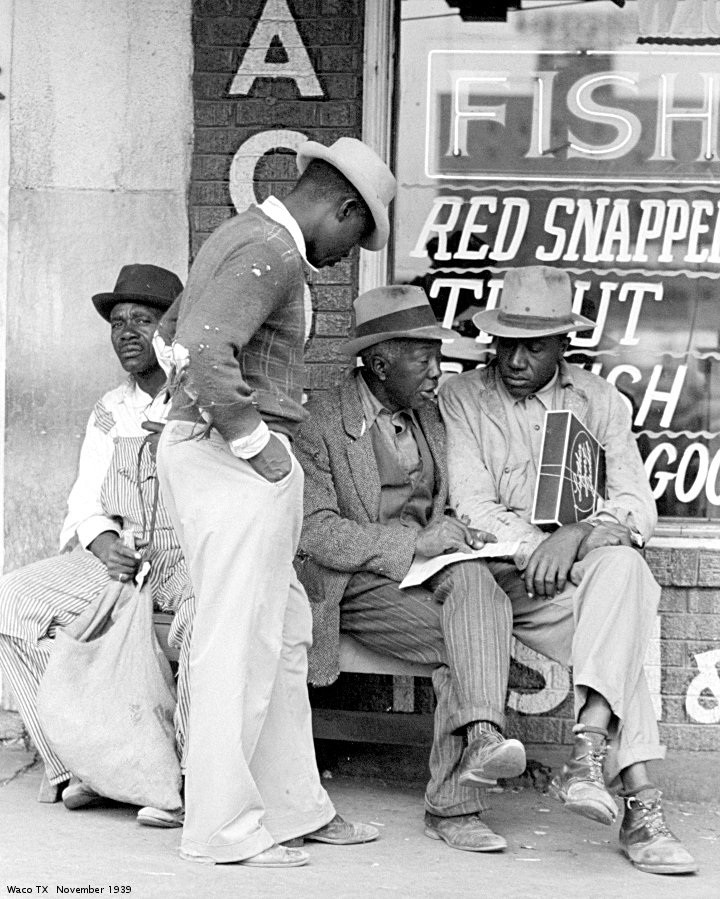
These author insults were borrowed from flavorwire. HT to Andrew Sullivan. The pictures are from The Library of Congress. This is a repost.



Dark Star: An Oral Biography of Jerry Garcia

Jerry Garcia was in bad shape. At a sound check, he disappeared for 45 minutes. When he came back, there was a plastic shower cap on his head. When smoking heroin, Jerry wore the cap to keep his hair from falling into the fire. This time, he forgot to take the cap off.
This is from the epilogue to Dark Star: An Oral Biography of Jerry Garcia. DSAOBOJG was curated by Robert Greenfield, who put together a lovely story about The Rolling Stones 1972 tour. This book later became a podcast series.
Jerry saw his father drown, when Jerry was very young. Clifford “Tiff” Garcia, Jerry’s older brother, cut off one of Jerry’s fingers. Jerry made a living giving guitar lessons in Palo Alto. Somehow this evolved into playing in a Jug Band, which became the Grateful Dead. At this point the story is well known, and a part of sixties lore.
To this reader, the turning point is when Pigpen dies in 1973. The band kept playing. The ouroboros grew and festered. Again, this is familiar to anyone with access to a deadhead. What was not public knowledge was Jerry’s junkie problem. Jerry never shot heroin, but rather smoked it off aluminum foil, aka chasing the dragon.
I first heard about Heroin Jerry in 1986, after he had a diabetic coma. I appreciate athletic substance use in rockandroll, but never did quite imagine Jerry as a junkie. Maybe I wasn’t paying attention when he was busted freebasing cocaine in Golden Gate park. Aside from the heroin, Jerry was severely diabetic, and yet ate sweets and junk food. It is a miracle that he made it to 1995.
Jerry had other issues. He treated the women in his life horribly. He was married either three of four times, and had a collection of daughters. The book has interviews with many of the ladies, and much more detail. There are a many other counterculture metaphors metastasizing. I just want to put this book on the shelf, and move on. Pictures today are from The Library of Congress.

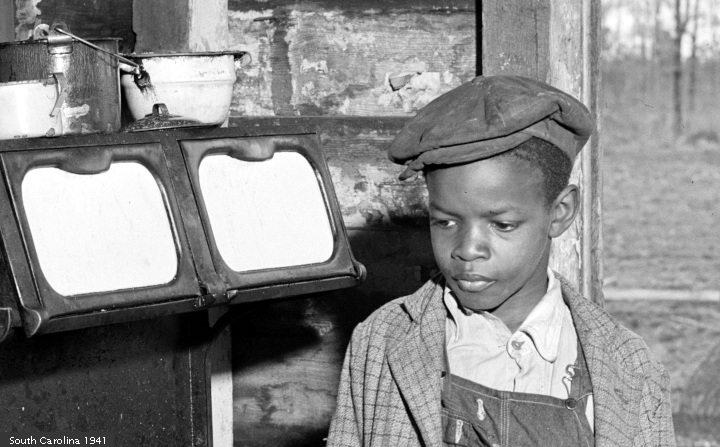

On The Road Part One


This is a repost from 2019. PG has been home a few days. It is time to proceed with this book report of On The Road, the typing exercise of noted dipsomaniac Jack Kerouac. At the end of Road Trip, Sal Paradise (Jack Kerouac) is in a Colorado ghost town. This was chapter 9 of OTR.
There are a couple of changes. The keyboard, connected to PG’s machine, died. It no longer typed o. Further investigation revealed it would not type q or t. Some numbers went missing. It is possible that other keys were not working. PG found a replacement keyboard. Unfortunately, the backspace key … an essential tool for a slack blogger … was just a regular single wide key, instead of the double wide backspace of the old keyboard. When the right pinkie instinctively strokes the backspace, \ is what shows up. This is going to take some lifestyle adjustment.
A book that PG wanted to talk about was in the vehicle. When he looked for the car key, it was not on the desk. The key was not in the pants PG had on, or the pants he had on the last night. The keys were not in the car. When he came back in the house last night, PG put the book down on the dining room table. That was where the car key was.
Back to the changes in the OTR narrative. PG ordered a better copy of OTR from the library. When it arrived, it was a deluxe paperback, printed in 1999, with a sticker price of $16.00. The 1970? edition, that PG was using, retailed for $1.25. PG got the arrival notice from the library June 4. Before he could go to the library, PG took his brother, GP, grocery shopping. While sitting in the Aldi parking lot, PG read page 62. Sal is in *Frisco*. “There were plenty of queers.” When PG put the book down to ponder that, he saw GP leaving Aldi’s.
This is chapter 11. Sal is living in a trailer outside the city. “the only community in America where whites and Negroes lived together voluntarily; and that was so, and so wild and joyous a place I’ve never seen since.” He is staying with Remi Boncoeur, an old friend. Remi argues with his wife, when he is not working as a security guard. Sal starts to work as a guard. Once Sal is called to a trailer. Some men are drinking, and behaving badly. “This is the story of America. Everybody’s doing what they think they’re supposed to do. So what if a bunch of men talk in loud voices and drink the night? But Sledge wanted to prove something.” Sal accepts their offer of a drink. It goes downhill from there. Eventually, some alcohol related nonsense estranges Sal and Remi.
On the bus to LA, Sal meets a Mexican lady named Terry. “I saw her poor belly where there was a Caesarean scar; her hips were so narrow she couldn’t bear a child without getting gashed open… I made love to her in the sweetness of the weary morning. Then, like two tired angels of some kind, hung-up forlornly in an L.A. shelf, having found the closest and most delicious thing in life together, we fell asleep and slept till late afternoon.” Money becomes an issue, and Sal/Terry go out to the San Joaquin Valley. Some friend of Terry’s brother has a business selling manure to farmers. Mostly gets drunk, with Sal’s eager assistance. Finally, Sal gets his aunt to send money, buys a bus ticket to New York, and leaves a heartbroken Terry in California.
At the end of chapter 14, Sal is in New York, broke, and trying to get to his aunt’s house in New Jersey. This is the end of part one. OTR is divided into five parts, each divided into a collection of short chapters. The rest of this series will deal with the parts, one at a time, along with whatever stories from 2019 are entertaining enough to include.
“I was going home in October. everybody goes home in October.” PG likes to compare his life to the story of Sal. PG has had a comparatively tame existence. The only time he ever came home in October was when he was at a faerie-do in Tennessee. In 1989, PG got home to hear about an earthquake in San Francisco. A week later, PG got through fixing a flat tire, and went up to his apartment to see the light flashing on the message machine. “Michael Mason died last night.”
A quote by Truman Capote comes up, when Jack Kerouac is mentioned. “Thats not writing, thats typing.” PG did a google search of the phrase in 2011. “Kerouac survives because he (allegedly) wrote great works; the insufferable logorrhea the Beats inspired biodegrades in niche bookstores because, sensibly, nobody reads it.” Google also found a book review of “Going Rogue,” by Sarah Palin … That’s not writing, that’s someone else typing.
Whenever PG hears a quote these days, he goes into fact checker mode. Did Mr. Capote really say TNWTT? Quote Investigator comes to the rescue. The phrase first came up in Paris Review: Truman Capote, The Art of Fiction No. 17. “The topic was writing style, and Capote responded by passing judgment … “But yes, there is such an animal as a nonstylist. Only they’re not writers. They’re typists. Sweaty typists blacking up pounds of Bond with formless, eyeless, earless messages.” Mr. Kerouac was not mentioned by name.
The next appearance of TNWTT was on the David Susskind show. The guests were Truman Capote, Norman Mailer, and Dorothy Parker … who paid the bar tab when that was over? “Truman Capote agreed to appear on David Susskind’s “Open End” show, with Norman Mailer — who kept praising the Beat-Generation writers. Capote thought their product worthless. “It’s nothing,” he said. “That’s not writing; that’s just typewriting.” Again, this appears to be about the beats in generally, and not specifically about Mr. Kerouac. The quote lives on, long after Mr. Capote and Mr. Kerouac moved on to the cocktail party in the sky.
Pictures today are from The Library of Congress. The chamblee54 On The Road series is complete. part one part two part three part four part five part six part seven


Dark And Stormy Night

“I was stark naked, stoned out of my mind on heroin, and between my legs giving me head was Janis Joplin.” These 21 words open Going Down With Janis. Peggy Caserta was allegedly the gf, and definitely the heroin buddy, of the chanteuse.
There isn’t anywhere to go from there but up. As it turns out, the intercom is full of people who supply good opening lines from literature. It saves you the trouble of reading the rest of the book. Here are Top 10 Most Outrageous Opening Lines in Literature, in reverse order. Pictures today are from The Library of Congress. This is an edited repost from 2012.
THE HITCHHIKER’S GUIDE TO THE GALAXY Douglas Adams 1979 “Far out in the uncharted backwaters of the unfashionable end of the Western Spiral arm of the Galaxy lies a small unregarded yellow sun. Orbiting this at a distance of roughly ninety-eight million miles is an utterly insignificant little blue-green planet whose ape-descended life forms are so amazingly primitive that they still think digital watches are a pretty neat idea.”
NEUROMANCER William Gibson 1984 “The sky above the port was the color of television, tuned to a dead channel.”
NOTES FROM THE UNDERGROUND Fyodor Dostoyevsky 1864 “I am a sick man . . . I am a wicked man. An unattractive man, I think my liver hurts.”
ONE FLEW OVER THE CUCKOO’S NEST Ken Kesey 1962 “They’re out there. Black boys in white suits up before me to commit sex acts in the hall and get it mopped up before I can catch them.”
TRAINSPOTTING Irvine Welsh 1993 “The sweat was lashing oafay Sick Boy; he wis trembling.”
FEAR AND LOATHING IN LAS VEGAS Hunter S. Thompson 1971 “We were somewhere around Barstow on the edge of the desert when the drugs began to take hold. I remember saying something like ‘I feel a bit lightheaded; maybe you should drive . . .’ And suddenly there was a terrible roar all around us and the sky was full of what looked like huge bats, all swooping and screeching and diving around the car, which was going about a hundred miles an hour with the top down to Las Vegas. And a voice was screaming, ‘Holy Jesus! What are these goddamn animals?'”
THE METAMORPHOSIS Franz Kafka 1915 “As Gregor Samsa awoke one morning from uneasy dreams he found himself transformed in his bed into a gigantic insect.”
Pride and Prejudice Jane Austen, 1813 “It is a truth universally acknowledged that a single man in possession of a good fortune must be in want of a wife.”
The Catcher in the Rye JD Salinger, 1951 “If you really want to hear about it, the first thing you’ll probably want to know is where I was born, and what my lousy childhood was like, and how my parents were occupied and all before they had me, and all that David Copperfield kind of crap, but I don’t feel like going into it, if you want to know the truth.”
Moby Dick Herman Melville, 1850 “Call me Ishmael.”
Peter Pan JM Barrie, 1911 “All children, except one, grow up.”
Anna Karenina Leo Tolstoy, 1873-7 “Happy families are all alike; every unhappy family is unhappy in its own way.”
Women Charles Bukowski “I was 50 years old and hadn’t been to bed with a woman for four years. I had no women friends. I looked at them as I passed them on the streets or wherever I saw them, but I looked at them without yearning and with a sense of futility. I masturbated regularly, but the idea of having a relationship with a woman—even on non-sexual terms—was beyond my imagination.”
The Bible author unknown Genesis 1: “In the beginning God created the heaven and the Earth”
Naked Lunch William S. Burroughs “I can feel the heat closing in, feel them out there making their moves, setting up their devil doll stool pigeons, crooning over my spoon and dropper I throw away at Washington Square Station, vault a turnstile and two flights down the iron stairs, catch an uptown A train… Young, good looking, crew cut, Ivy League, advertising exec type fruit holds the door back.”


I Used To Be Charming Part Three
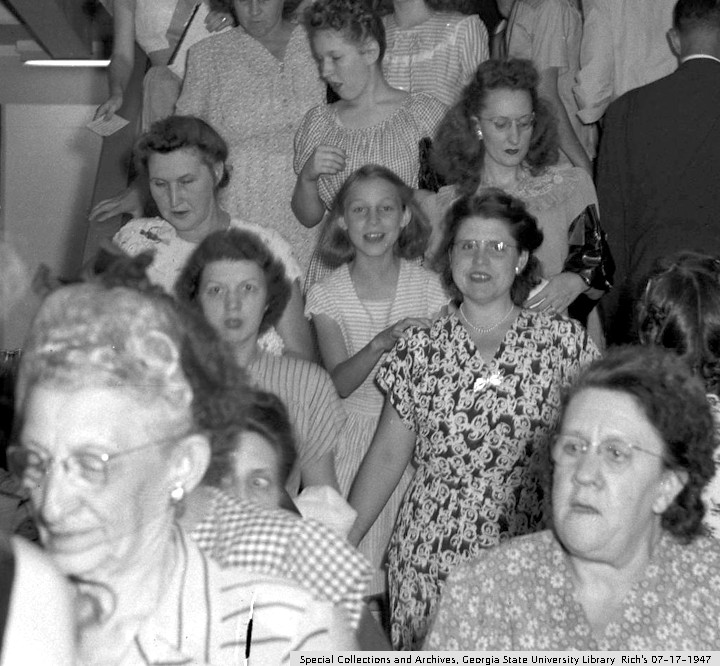
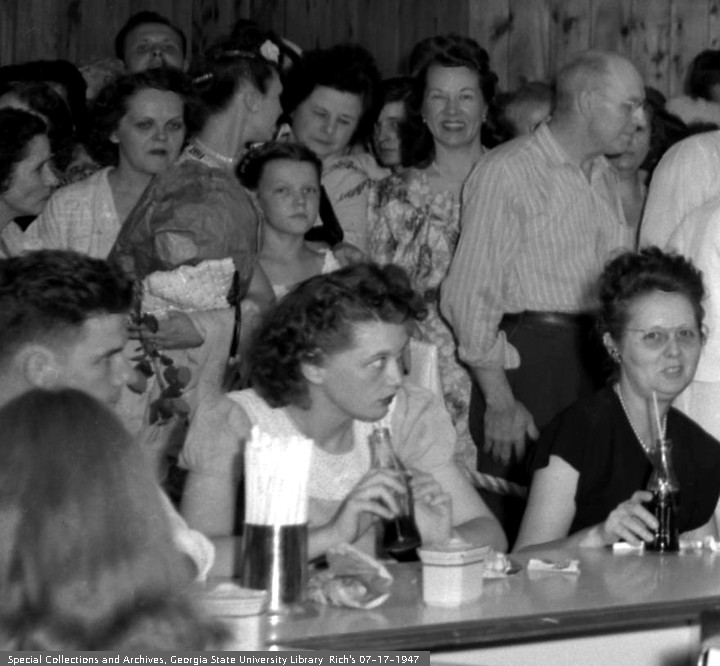
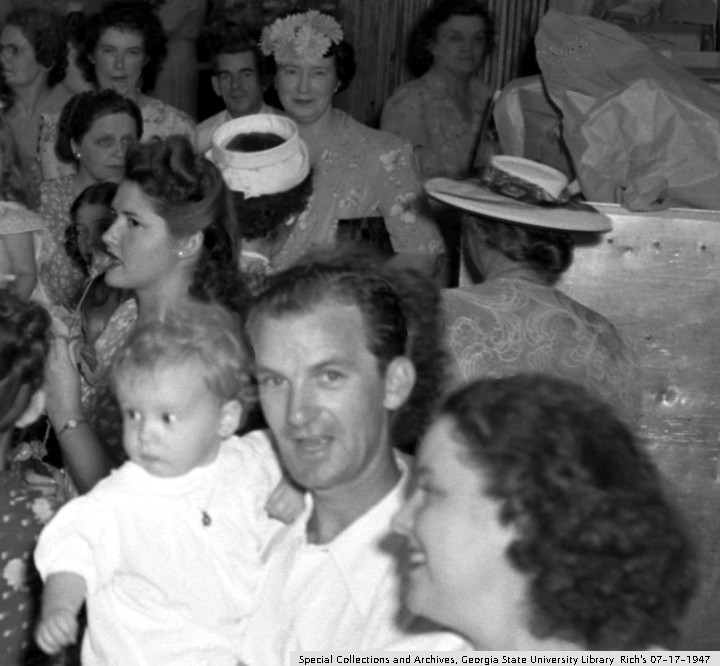
This is the latest edition of the chamblee54 book report on I Used to Be Charming, by Eve Babitz. This feature is a bit different. Instead of focusing on IUTBC, we will look at some of the key players in the story. A catalyst for today is a 2019 episode of the Bret Easton Ellis Podcast. The guest is Lili Anolik, promoting a book, Hollywood’s Eve: Eve Babitz and the Secret History of L.A. This is a repost.
One important name is Earl McGrath. Bret had never heard of him. A friend of many influential people, McGrath had many careers. Apparently, his main skill was a talent for being fabulous. As David Bowie said, “It’s not really work, it’s just the power to charm.”
“McGrath’s story began in Superior WI. The son of an itinerant short-order cook, it wasn’t long before the teenage Earl began to display a wanderlust of his own, dropping out of high school and leaving home, ‘hanging out with Aldous Huxley in Los Angeles and going to see Henry Miller in Big Sur’, according to Vanity Fair. In the late 1950s he served with the Merchant Marine in Africa and the Middle East, and in Italy, in 1958, he met the woman he would later marry, Camilla Pecci-Blunt — a glamorous countess, and a descendant of Pope Leo XIII … McGrath was working for 20th Century Fox in the early 1960s when he met perhaps the other most influential person in his life, the legendary co-founder and president of Atlantic Records, Ahmet Ertegun.”
“Maybe that’s why Eve fell in “friend love” with a gay man, the cattiest breed of all, if we want to be cuntily honest as well. Specifically, Earl McGrath … As any gay man not fully out would be, McGrath was married to an Italian countess. He never had an official title, per se, though, in death, he would be credited as a “writer, music executive, art collector, and gallery owner.” In short, a jack-of-no-trades. Other than knowing how to be at the right place at the right time, and network with the right people. This is how he came into Eve’s orbit in the late 60s. The two grew Siamese twin close until McGrath’s venom reared its ugly head with the line … “Is that the blue you’re using?” As Anolik interprets the phrase, it’s an easy way to make an artist (of any kind) doubt themselves and their vision.”
Eve met Earl McGrath when Eve, and possibly McGrath, was dating Peter Pilafian, the electric violin player with The Mamas and The Papas. Peter Pilafian is one of those players that is unknown today. He does not have a wikipedia page, and we do not know if he is alive. Apparently, Eve would spend the night with Pilafian, and McGrath would show up at 7am the next day.
Somehow, Eve and McGrath connected. McGrath makes a spectacle of himself in Slow Days Fast Company. McGrath also gets credit/blame for the line you always seem to hear about Eve. “In every young man’s life, there is an Eve Babitz. It is usually Eve Babitz.”
lilianolikwriter has a tasteful picture, with this caption: “Eve Babitz with frenemy, Earl McGrath, at the opening of the Black Rabbit restaurant on Melrose, at the tail-end of the 60s. Earl is in the cowboy mustache, Eve in the glasses, which she was normally too vain to wear in photographs. The brunette with the pixie hair is Diane Gardiner, Doors publicist and long-time squeeze of Chuck Berry. (Says Eve, “Diane was a mean monster but everything she said was funny so I forgave her.”) … The woman in the floppy hat and sunglasses, says Eve, doesn’t ring a bell, not even a faint one.”
Allegedly, the Eve-McGrath falling out came when Eve was dating Harrison Ford, who also caught McGrath’s eye. A posthumous article about McGrath mentions “His great friend Harrison Ford — three of whose children were among McGrath’s two-dozen godchildren — saluted him as, ‘The last of a breed, one of the last great gentlemen and bohemians.’”
Lili Anolik tells an amusing story about Mr. Ford. “I remember one of our first conversations Eve told me about Harrison Ford dealing dope out of a bass fiddle at Barney’s Beanery”…. Michelle Phillips talks about seeing Star Wars when it first came out. When Harrison Ford appeared on the screen, Michelle said “whats he doing there, that’s my dope dealer.” A less reliable source chimes in: “Harrison Ford was her weed dealer, and, briefly, her lover: “The thing about Harrison was, Harrison could fuck. Nine people a day. It’s a talent, loving nine different people in one day. Warren [Beatty] could only do six.”
Part of the Eve legend is the photograph of Eve playing chess with Marcel Duchamp. “What happened was, my boyfriend at the time, Walter Hopps [director of the Pasadena Art Museum, 31, married], had scored this great coup. He’d convinced Duchamp, who’d given up art for chess back in the 1920s, to do a retrospective with him. He threw a party for the private opening, and L.A. had never seen anything like it. Everyone, everyone, was there—Duchamp, naturally, and Andy Warhol and Claes Oldenburg and Dennis Hopper and, oh, just everyone. I wasn’t, though, because I wasn’t invited. I guess Walter was afraid I’d make a scene in front of his wife. I was mad, which is why when Julian asked me at the public opening to take off my clothes and pose for him, I said sure. I mean, my breasts were normally something to behold, but birth control had made them even bigger, so they were really something to behold at that particular moment. …”
The photographer, Julian Wasser, was dating Eve’s sister Mirandi. Wasser had an exhibit in 2019, so apparently he was alive 3 years ago. Wasser took his most famous picture a few years later.“One August day in 1969, I was listening to a police radio when I heard all this strange talk about something going on in this residential area next to Beverly Hills. It was the kind of neighbourhood where people would … put pillows over their heads if murders were going on.”
“That was how I first heard that Roman Polanski’s wife, Sharon Tate, had been killed, along with four others. When I went up there shortly afterwards for Life magazine, Roman asked me to take Polaroid shots of the scene as well – and give them to a psychic who could study them and find out who the killers were. You can see my Polaroid on the chair beside Roman. …”
“When I was 14, I used to steal my dad’s car and drive all over Washington listening to police radio. There was segregation then and all the best murders, robberies and bloody events were in the black part of town. I’d photograph them and give the shots to the Washington Post. I was so naïve. Of course they wouldn’t run them – it was black people. … It’s a rough world now. I think Manson started it and 9/11 finished it. Reality has fallen on us like a ton of bricks.”
Ed Ruscha and brother Paul Ruscha were longtime *friends* of Eve. After Eve died, they had a paywall protected chat. Ed Ruscha: “Oh, it was the early ’60s, but she was a great part of my growing up. I know I was with her when Jack Ruby shot Lee Harvey Oswald. I was in bed with Eve and we were watching this on live TV, a little black-and-white set. … she lived in this house behind her parents’ house. She kept a sloppy quarters because she had a lot of cats who had their way. Her parents lived up at the front house on Bronson near Franklin. And I knew her parents well. Mae was a beautiful, sweet Texan who was an artist, and she drew pictures of the gingerbread houses on Bunker Hill. And Sol was the musician, violinist. They were very sweet people.”
Paul Ruscha: “I came to L.A. in 1973. We met at Jack’s Catch All; it was this great thrift store. I was a veteran thrift shopper and so was Danna [Ed Ruscha’s wife]. She introduced me to Eve, who said, “I’d like to have you over for dinner.” Danna said, “I think she likes you.” Eve knew that Ed and I were friends with [fashion model] Leon Bing. So she called Leon, who told Eve, “Well, no matter what you make for him, be sure that it’s loaded with cilantro because he’s just crazy about cilantro.” Eve put it in the salad and the soup, and I hate cilantro and I couldn’t eat it. All I could do is laugh. … If I spent the night with her, she’d wake up before I did and then want me to leave. So she’d throw coffee into a pot of boiling water and bang on it to make the grounds go down and to wake me up and say, “OK, here’s your coffee. Now get out of here.” And I’d laugh and then she’d say, “I think I’ve got something I’d like you to read.” Then I’d read whatever she’d written the day before. I gave her my critique, and if she liked it, she let me stay, and if she didn’t, she’d throw me out. … She just couldn’t go anywhere without ruining something. She’d knock something over or break something, and the same thing at her house. I remember a couple of fur coats I gave her, and one of them she threw over this little space heater that she had. It caught on fire and it burned up her garage.”
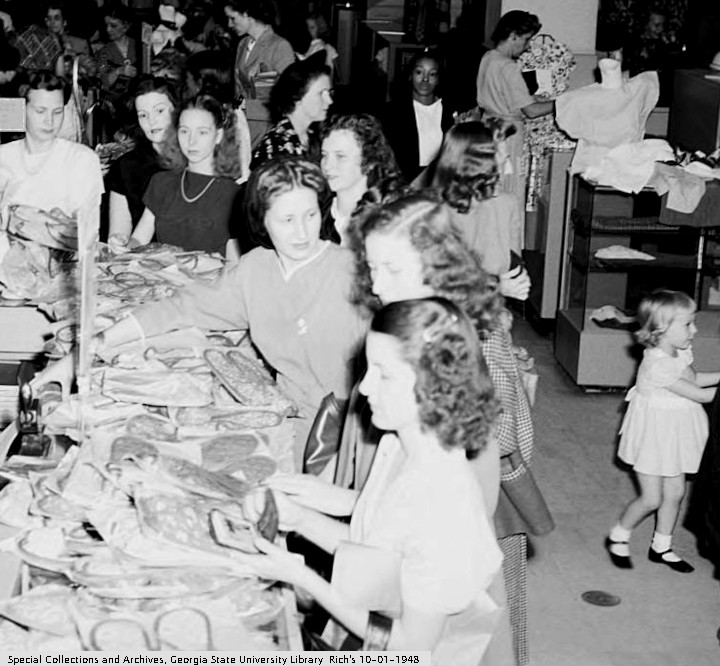
Since this is Hollywood, a certain amount of skepticism is appropriate. Lili says in the BEE appearance “the modern way of being objective is a kind of hyper objectivity, it’s a reconstituted objectivity, is objectivity that acknowledges the inevitability of subjectivity.” Pictures today are from “The Special Collections and Archives, Georgia State University Library.” More episodes of this series are available. one two four five


I Used to Be Charming Part Five
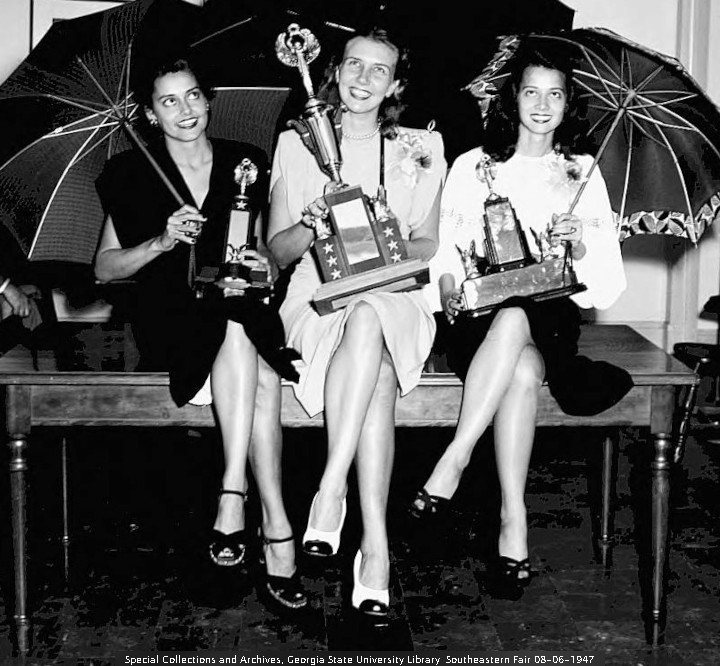
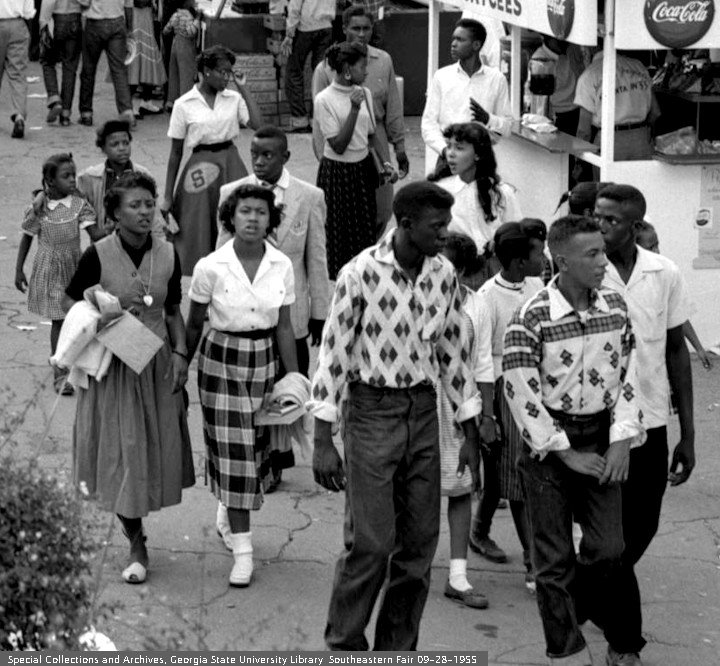

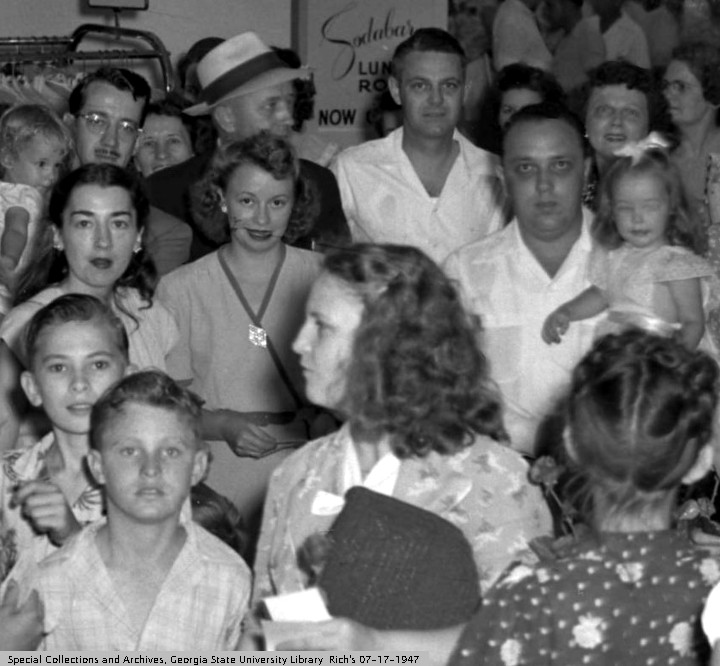
This is the fifth, and final, installment in the chamblee54 serial book report on I Used to Be Charming, by Eve Babitz. The pictures today are from “The Special Collections and Archives, Georgia State University Library.” The other four parts of this series are available: one two three four
It’s an old cliche about drug abuse … life becomes boring when you quit using. That might be true with Miss Eve. She got scared because of AIDS, and got cleaned up from her druggie ways. She started taking dance lessons, and got into ballroom dancing. When she tried to commit suicide by Tiparillo, the physical activity of dancing aided her recovery.
Hippie Heaven (Vogue October 1992) was the first story that made me want to take notes. “Especially the red rayon forties dress, cut on the bias, that I’d worn the nights I waited in the Troubadour bar in West Hollywood, looking for trouble like Jim Morrison.” Lord, whatever happened to Eve? Writing for Vogue about a dress “cut on the bias.” This is the Dowager Groupie, talking about clothes. Even Eve’s sister Mirandi … who started out as Miriam … made leather suits for Jimbo.
Eve says something about Leicester Square, in London. The Rolling Stones did a song, Cocksucker Blues. They owed a pesky record label one more song, so they decided to give them something they would never play on WQXI. So Mick says something about hanging out in Lester Square, but it turns out to be Leicester Square.
Scent of a Woman (Vogue March 1997) is where Eve finally gets her mojo back. Vogue published SOAW a few weeks before Eve’s catastrophic fire.
Some say that smell is the most animal of our senses. Aromas get directly from the nose to the brain, without the mental filters navigated by sound and sight. In SOAW, Eve discusses the various perfumes of her life. When she was young, the only perfume she felt comfortable with was Here’s My Heart, by Avon. True, it did not make her smell like old stationary, as Chanel N°5 did, but you don’t get more uncool than Avon.
“My great aunt sold Avon when I was a kid, and she and my conservative-about-fragrances mother (the one who flushed my Evening in Paris down the toilet) approved this for me. It was OK, girly, kind of little girly and nowhere near as exciting as Evening in Paris, but I liked it all right. It made me think I was missing something in fragrances, but it was enjoyable to wear.” Avon introduced Here’s My Heart in 1957. Nobody is sure when it was discontinued.
One afternoon in the sixties, Eve went swimming at the house of a Hollywood somebody. In the bathroom, there was a bottle of Le De by Givenchy “Le De came about when Hubert (Givenchy) chose decided to gift his friend (Audrey Hepburn) with a perfume; actually he commissioned two, the other being L’interdit (created in 1957 and commercialized in 1964) and they were hers alone for a whole year. In 1958 the idea of launching perfume under the aegis of his house saw Le De being introduced to the market while L’Interdit was immortalised in … Breakfast at Tiffany’s.”
“And then the unthinkable happened. They took Le De Givenchy off the market — or at least they cut back its distribution to the point where it became impossible to find. This is something Andy Warhol would have picketed Givenchy with me for. (Andy Warhol had an extremely funny section in his autobiography The Philosophy of Andy Warhol (From A to B and Back Again,) in which he says that whenever a product is “improved,” the manufacturer should leave the original, unimproved product on sale, too, because a lot of people don’t want what they already like pulled from the shelves.”
Amazon has a terrific one star review of the Warhol book. “I bought this due to a need for additional references. It’s written by warhols assistant and is filled by drivel, pompousism and things you may say on acid trips while your in a room wrapped in tin foil. Save your money and if you a want book about Andy warhol use one of the autobiographies written by an author after Andy died and has no connection to him or his factory friends.”
The last fun chapter is I Used To Be Charming. IUTBC is about the fire, on April 13, 1997. “I had just finished brunch with my mother; my aunt Tiby; my sister Mirandi; and my cousin Laurie. Mirandi would be driving my mother back to her place, where I was also living at the time, and I looked forward to smoking the Tiparillo I’ve been saving for the ride in peace and quiet. The cigar was one of those fashionable but hideous cherry-flavored ones I loved because smoking them made me feel like Clint Eastwood; everyone else hated them. I grabbed one of the wooden matches, struck it against the sandpaper side of the box, when all of a sudden the match fell from my hand. The gauzy skirt I’d put on to go out dancing later went up in flames; my panty hose melted to my legs. Thank God for sheepskin Uggs, which protected my lower legs from burns.”
When Eve struck that match, in a 68 VW bug, her life changed. There were a lot of rude comments about cigars. Tiparillos in particular have a curious market niche. One ad campaign had a picturesque young lady working the crowd, with her pitch “Cigars, cigarettes, Tiparillo’s?” “The modern smoke, found in all the right places, with all the right people.”
Another ad campaign asked the oh-so-modern question ”Should a gentleman offer a Tipparillo to a lady?” A later campaign produced a TV classic. “In 1970 the Federal Trade Commission banned cigarette commercials from American airwaves. However, cigars did not fall under the FTC ban, and so we have these two commercials from 1973 for Tiparillo cigars, which — if you believe the ads — must be offered to a lady, which will be appreciated more than “candlelight and small talk.”
Fiorucci, the book takes up the last 48 pages of IUTBC. Eve wrote text for a collection of graphics from the Fiorucci fashion emporium. Fiorucci closed its retail stores in the eighties, and is mostly known today because it rhymes with Gucci. “Zeigt und erklärt, wie und warum Fiorucci in den 70ern und 80ern bigger than life war. Das Buch ist Kunst, Marketinghandbuch und Poesiealbum in einem.”


Manley Pointer

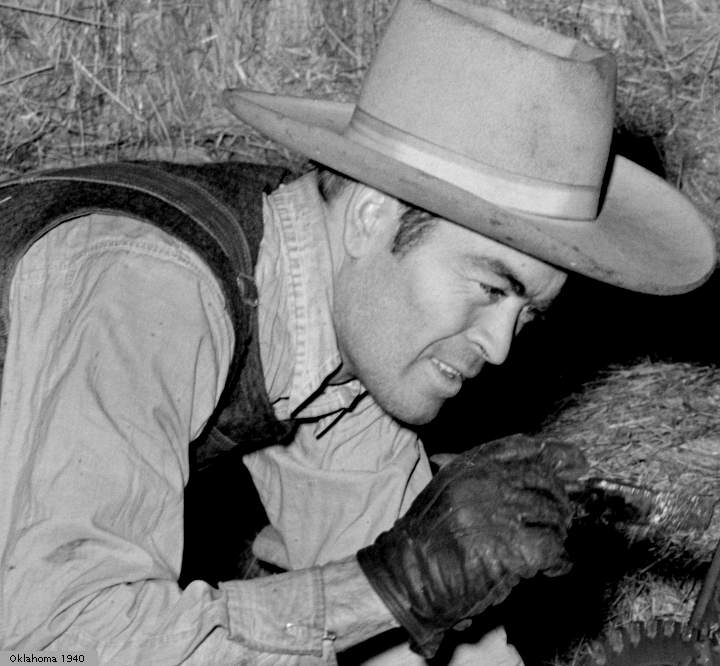
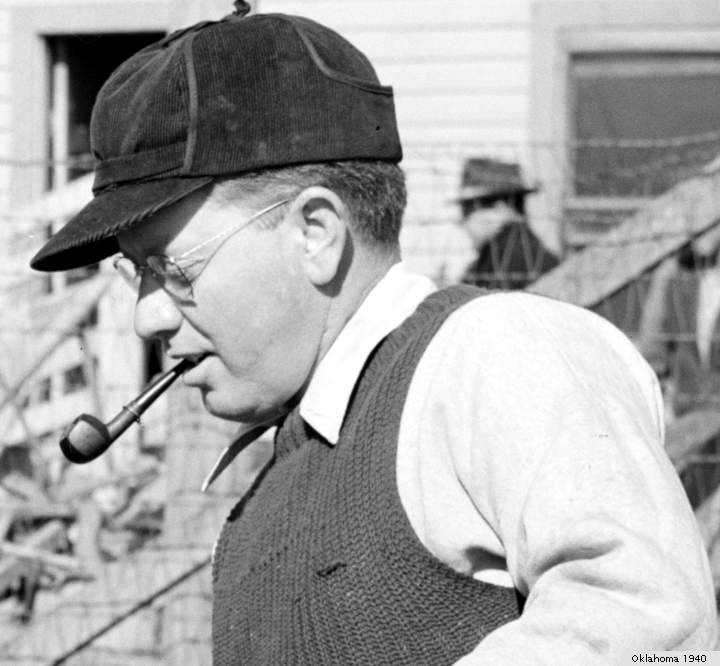
Good Country People is a Flannery O’Connor story. Manley Pointer is a Bible salesman in rural Georgia. He calls on the Hopewell family. Manley doesn’t sell any Bibles, but he does get a date with Hulga Hopewell. Pictures today are from The Library of Congress.
“O’Connor portrays a one-legged, unemployed female with a Ph.D. in philosophy, who has nothing to do but stay at home and irritate her mother. When a Bible salesman, Manley Pointer, … arrives at the Hopewell house, Joy, who has changed her name to Hulga, much to the annoyance of her mother, joins her new friend in an excursion to a nearby barn, complete with a romantic hayloft.” source
The first few minutes of the Hulga-Manley date are special. “Smiling, he lifted his hat which was new and wide-brimmed. He had not worn it yesterday and she wondered if he had bought it for the occasion. It was toast-colored with a red and white band around it and was slightly too large for him. He stepped from behind the bush still carrying the black valise. He had on the same suit and the same yellow socks sucked down in his shoes from walking.”
“He crossed the highway and said, “I knew you’d come!” The girl wondered acidly how he had known this. She pointed to the valise and asked, “Why did you bring your Bibles?” He took her elbow, smiling down on her as if he could not stop. “You can never tell when you’ll need the word of God, Hulga,” he said. She had a moment in which she doubted that this was actually happening and then they began to climb the embankment. They went down into the pasture toward the woods. …”
“Wait,” he said. He leaned the other way and pulled the valise toward him and opened it. It had a pale blue spotted lining and there were only two Bibles in it. He took one of these out and opened the cover of it. It was hollow and contained a pocket flask of whiskey, a pack of cards, and a small blue box with printing on it. He laid these out in front of her one at a time in an evenly-spaced row, like one presenting offerings at the shrine of a goddess. He put the blue box in her hand. THIS PRODUCT TO BE USED ONLY FOR THE PREVENTION OF DISEASE, she read, and dropped it. The boy was unscrewing the top of the flask. He stopped and pointed, with a smile, to the deck of cards. It was not an ordinary deck but one with an obscene picture on the back of each card. “Take a swig,” he said, offering her the bottle first. He held it in front of her, but like one mesmerized, she did not move.” …
“Mrs. Hopewell and Mrs. Freeman, who were in the back pasture, digging up onions, saw him emerge a little later from the woods and head across the meadow toward the highway. “Why, that looks like that nice dull young man that tried to sell me a Bible yesterday,” Mrs. Hopewell said, squinting. “He must have been selling them to the Negroes back in there. He was so simple,” she said, “but I guess the world would be better off if we were all that simple.” source (This is the only time Black people are mentioned in “Good Country People.”)
Erik Langkjær is the possible inspiration for Manley Pointer. A Russian-Danish young man, Mr. Langkjær worked as a textbook salesman. “Klaus Rothstein, a literary critic and commentator for the national Danish newspaper Weekendavisen” got Mr. Langkjær to tell his story.
“I searched for a job in publishing, in the hope that I would be hired as an editor. I did get a job, but it was as a sales representative in the South. During these travels, I met a professor at the University of Georgia. She suggested that I pay a visit to a local woman who had had her first book published by Harcourt, Brace & Company, where I was now a sales agent in the education branch. The professor believed that this author would enjoy meeting me because of her affiliation with the publishing firm. Weakened as she was by her disease, lupus, she wasn’t in contact with many people, so it would be nice to receive a visit from outside. A few years back, her father had died from the same disease, but the doctors had told her not to worry. …”
“Flannery and I quickly became friends. I made an effort to plan my sales route in a way that made it possible for me to visit her every two or three weeks. I would arrive in my own car, and then suggest going for a ride in the surrounding countryside. She was always up for it. We talked about our family backgrounds, and she was excited to hear about my mother’s Russian heritage and my father’s career as a consul general … Flannery herself was a devout Catholic, highly conscious of living in the Protestant South. She considered it a great challenge to be surrounded by Protestants, and to belong to a minority. She had a church to go to on Sundays, but she was aware of the growing secularism, which she considered a threat.”
“I was not really in love; I simply enjoyed the company of women during my lonely travels in the South. Although Flannery was both conventional and religious, we eventually became so close that she, while the car was parked, allowed me to kiss her. At that moment, her disease revealed itself in a new way: there was no strength in her lips. I hit her teeth with my kiss, and since then I’ve thought of it as a kiss of death. …
“I visited her twelve to fourteen times, and later we started exchanging letters. As I returned to Denmark to settle down, she wrote that she would like to hear more from me, and her first letter from June 1954 ends with a reference to our drives around Milledgeville: . . . I haven’t seen any dirt roads since you left and I miss you. I think Flannery was hoping for it to be the two of us. Between April 1953 and June 1954, when my visits were frequent, there was indeed enough contact between us for her to envisage something more. Her letters might also contain a certain disappointment in the fact that the contact wasn’t as strong on my part. …”
“When I later read one of Flannery’s short stories, ‘Good Country People,’ I noticed that the main character was a travelling Bible salesman. I didn’t sell bibles, but I used to call my binder with the records of the publishing firm ‘my bible.’ Also, the salesman in the story is named Manley Pointer, which has an obvious erotic connotation.”source
Miss O’Connor wrote Mr. Langkjær many times. 13 June 54 “My mother has just attended a dairy festival in Eatonton. The governor attended and Miss America. All the cows were in rope stalls around the Courthouse and Miss America, very sunburned, my mother said and in a white strapless evening dress (11 A. M.) had to pick her way among them and admire each one while she kept the tail of the dress out of the little piles of manure. She also had to kiss a calf. Universal suffering.” 18 July 54 “Everything here is busy electing the Governor. There are 9 candidates and the ones I have heard over the radio all sound like hound dogs that have learned to declaim. They are all but one running on keep-segregation platforms and everything is geared to the boys who sit in front of the wooden stores and tell you not to run into a street car down there. (On acct. of the rotten borough system their vote is worth three or four of a city vote.”) source
“Flannery first met Erik in April 1953, she was clearly taken with him and relished their time together, especially their drives through Baldwin County in his car. When he decided to break off their friendship and return to Europe a little over a year later, O’Connor, then using a cane, felt betrayed, as revealed in their short-lived correspondence. In early 1955, O’Connor took only four days to write this story; her intense feelings about Langkjær quickly found their outlet.”source
“Unfortunately, while she may have had romantic feelings towards him, they were not reciprocated. This was especially noticeable after he returned to Denmark in 1954. Flannery would write to him, and it would be weeks before she would hear back. … Eventually, she received a letter from him stating that he had met another woman and they were intending to get married. Flannery was devastated. However, instead of wallowing in her grief she threw herself into her art, writing one of her best short stories, “Good Country People.” Shortly after this story came out, Langkjær wrote Flannery and said that he recognized himself in the character of the salesman, Manley Pointer. Flannery responded with the epistolary equivalent of Carly Simon’s You’re So Vain, telling him in essence not to flatter himself so.” source
29 April 56 “I am highly taken with the thought of your seeing yourself as the Bible salesman. Dear boy, remove this delusion from your head at once. And if you think the story is also my spiritual autobiography, remove that one too. As a matter of fact, I wrote that one not too long after your departure and wanted to send you a copy but decided that the better part of tact would be to desist. Your contribution to it was largely in the matter of properties. Never let it be said that I don’t make the most of experience and information, no matter how meager. But as to the main pattern of that story, it is one of deceit which is something I certainly never connect with you. In my modest way, I think it’s a wonderful story. I read it over and over and nobody enjoys it as much as I do—which is more or less the case with all my productions.”source This is a repost.



Porcelain




PG was in the Kroger parking lot, waiting for his brother to buy groceries. To pass the time, he read
Porcelain. This was a memoir, written, allegedly, by Moby. The copyright goes to “Moby Entertainment, Inc.” There is a modern notice below. This is a repost from 2017.
“Penguin supports copyright. Copyright fuels creativity, encourages diverse voices, promotes free speech and creates a vibrant culture. Thank you for buying an authorized edition of this book and for complying with copyright laws by not reproducing, scanning or distributing any part of it in any form without permission. You are supporting writers and allowing Penguin to publish books for every reader.” Should PG say you’re welcome?
Page 360 was the focus. Moby was in Portland, at the last gig of a bad tour. He is flying home to Connecticut the next day. His mother is going to die in a couple of days. The christian-vegan-performer is drinking Jack Daniels with strippers. A fan asks him to autograph a bible.
This was 1997. PG saw a few parallels with his life. In late 1997, PG’s mom was still alive, but clearly near the end of her life. 1998 would see the cancer diagnosis, the surgery, the radiation treatment, and finally, the death.
PG quit drinking at the end of 1988, and never looked back. Moby was an alcohol enthusiast, who went straight edge in 1987. Eight years later, Moby gave into temptation, and started drinking again. Evidently, he tried to make up for lost time. His drunken adventures are described in great detail here. How does Mobes remember all that?
Moby continued to call himself a christian, even with more and more doubts crowding into the picture. PG quit going to church at 17. Jesus is impossible to ignore, and only marginally tolerable. Whatever the temptation, and the social rewards, PG has never called himself a christian. In the southern baptist tradition, you walk down the aisle, shake the pastor’s hand, and get baptized. Then you call yourself christian. PG, for various reasons, never took that walk.
The trip to Connecticut did not end well. Moby apparently woke up in the night, and set his alarm clock ahead three hours. As a result, his missed his mother’s funeral. Porcelain starts with young Moby sitting in the car, while his single mom is paid to do laundry for neighbors. While in the car, he heard “Love Hangover,” by Diana Ross, and was impressed.
Page 378 was a few days after the funeral. Moby goes to a party at Windows on the World, on top of the World Trade Center. Few imagined what would happen to that space four years later. (Richard Melville Hall, aka Moby, was born September 11, 1965.) Moby got very drunk, and had sex in a ladies room stall. After the act, Moby was staring out the windows, looking at New York, and crying. The DJ played Downtown, by Petula Clark.
On January 23, 1965, Downtown, was the number one hit in America. When Moby was born, eight months later, the number one hit was Help, by the Beatles. PG turned eleven in 1965. Thousands of drafted young American men were sent to Vietnam. The techno dystopian world of nineties New York was a few years down the road.
The last few pages see Moby driving, without a license, through the Connecticut of his youth. He is listening to a rough cassette. The tunes on that cassette will become Play, sell millions of units, and make Moby a star. All this will be in the second volume of his memoirs, currently in production.
While waiting for the next part of this story, maybe a few one star reviews will be amusing. John The most depressing book I’ve read in a while. I used to love Moby. When it was announced he was writing a biography I was very excited…that is until I read it. Moby has always had the reputation of being arrogant and rude. Well it won’t disappoint the critics. This is the worst autobiography I have ever read. Self indulgent and pretentious from start to finish. … Startlingly transphobic. I gave up. I will admit, I didn’t get through the entire book. But that’s the reason for this review. I put up with seven chapters filled with tales of death, drugs, and destitution, all with way too much specific detail to be totally true. In chapter 8, Moby starts getting into some pretty blatantly transphobic territory, repeatedly calling people the derogatory “tranny” and using pronouns like “his/her”…
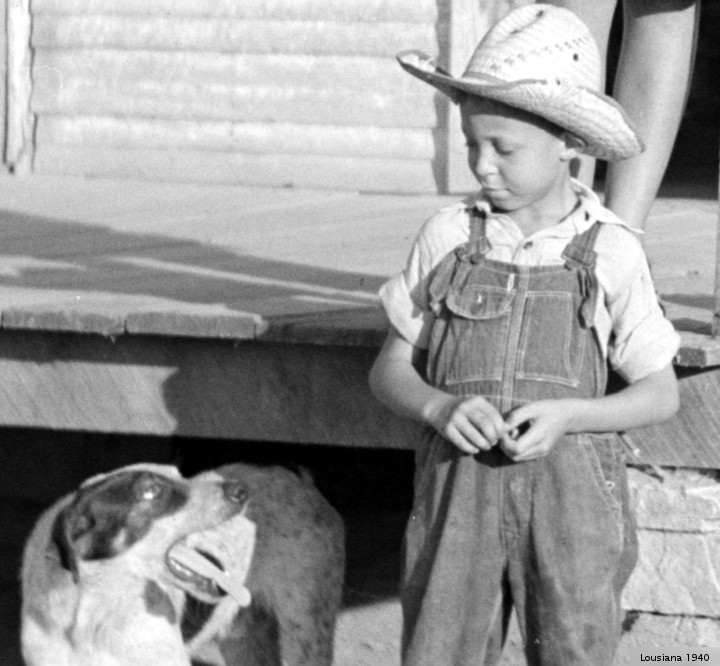
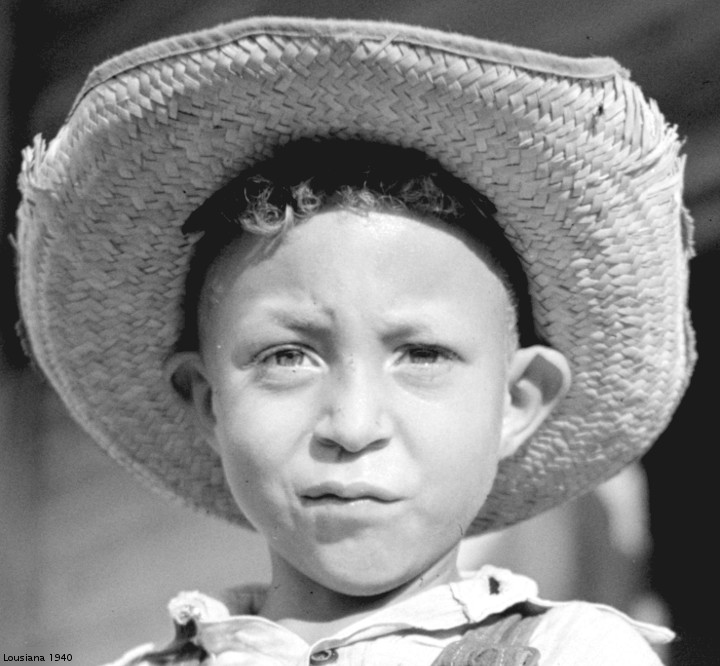
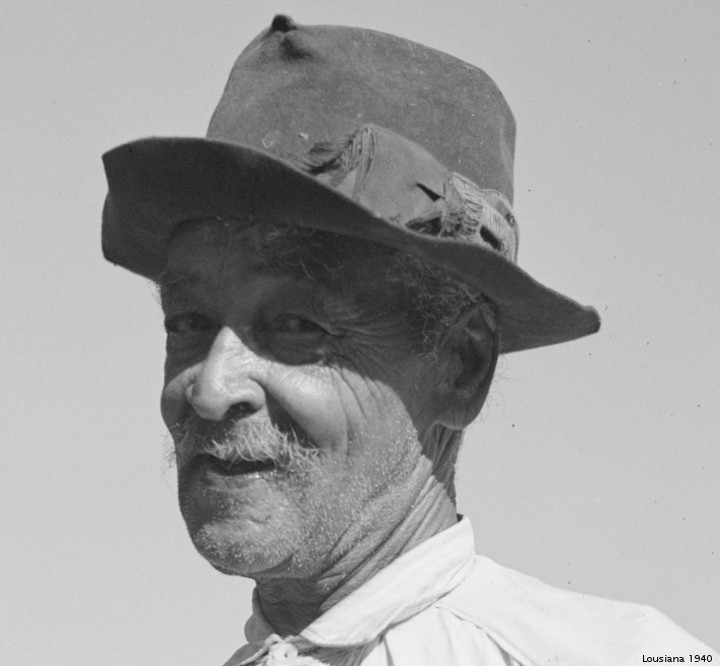
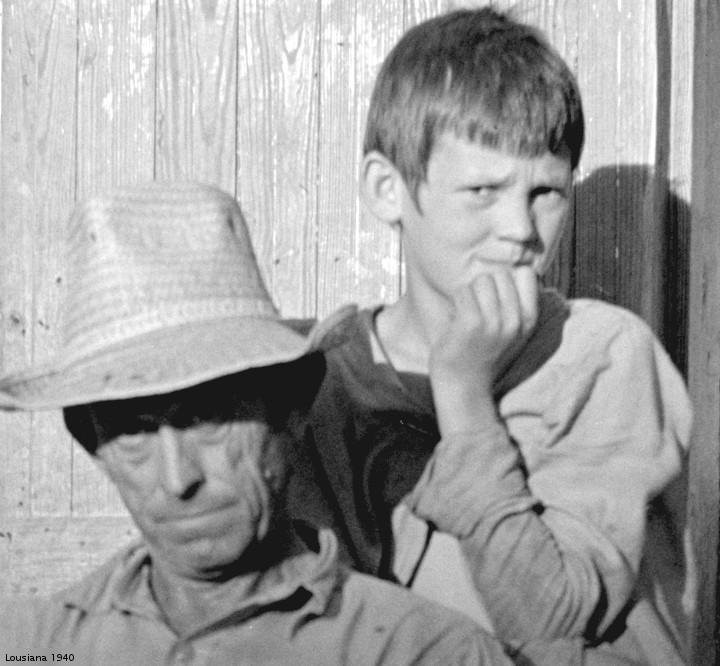
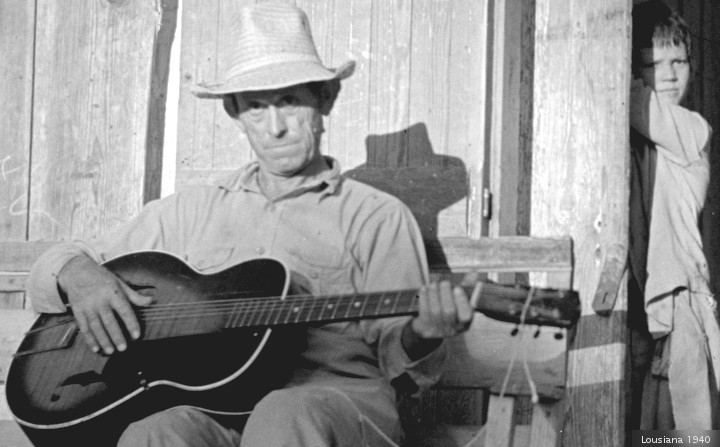
Pictures today are from The Library of Congress. Pictures were taken in Louisiana, August 1940. The photographer was Marion Post Wolcott



Hollywood Part Five



This is a repost from 2022. I got a TV, so watching the Super Bowl was easy … except when the niners scored a touchdown, and I said “go motherfucker” without muting my microphone. … This is the fifth, and final, installment of chamblee54’s revenge fantasy against Hollywood, by Charles Bukowski/Hank Chinaski. The book is an account of making the movie Barfly. Other chapters in this series are available. one two three four Pictures today are from The Library of Congress.
37 – Some photographer comes by. He wants to take photographs of Hank, and Francine Bowers/Faye Dunaway. Jack Bledsoe/Mickey Rourke also posed, but refused to sign a release. I went looking for the pictures online. I found a picture that Francine and Hank did after the movie has been released. I don’t know what happened to the glamor shots.
38 – The action starts at a party, after shooting for Barfly wrapped up. It’s at a club somewhere, rented only until midnight. Hank orders a drink after midnight. The bartender says she has to charge him. Tonight, because, she’s a fan, Hank won’t have to pay. The evening is a mixed blessing for Hank. Some guy comes up to him, and swears he got drunk with Hank at Barney’s Beanery. The fan is offended that Hank does not remember.
The Super Bowl turned into a disaster. I was at my online poetry reading, watching the game with the sound cut off. Channel 11 was not doing very good. It kept going into this video catastrophe. It was tolerable as long as the picture came back, and I could see most of the action. But then, just as the game was starting to get good, the video just completely went out. I’m probably not going to watch too much TV until football season starts again, so it might not be a problem.
I’m trying to pay attention to the game, and feeling terrible because I can’t. I get a phone call, pick up the phone, and push this button. It is supposed to turn on speaker phone, but, if the call is not fully connected, will decline the call. IOW, I hung up. The call was from “J,” who lives in Mexico. He can call me, but I cannot call him. After some facebook messaging buzzouts, we get to talk on the phone. “J” was carrying on about how he does not care about the super bowl, and I just zoned out and said yeah, yeah, yeah. Tomorrow is another day.
39 – Hank goes to the editing room, and asks John Pinchot about the producers. “They are like children, they have heart. Even when they are trying to cut your throat, there is a certain warmth about them. I’d much rather deal with them than with the corporate lawyers who run most of the business in Hollywood.”
There’s a tasty quote on page 200. Hank notices a shot in the movie where his alter ego is meeting a girl. He takes a beer that he’s halfway through, pushes it aside, and doesn’t finish it. Hank points out that no alcoholic would ever do that. “That’s what happens you have a director who isn’t an alcoholic, an actor who hated to drink, and an alcoholic writer who preferred to be at the racetrack.”
40 – Hank and Sarah go to a screening of the movie. They get to the screening place, and it’s been moved to another location. They have to drive over there, and Hank needs a bottle.
There is a rhetorical tactic called the Motte and Bailey. As I understand it, this strategy involves making a claim that no one could disagree. Later, you learn that the plan is for something treacherous. An example would be CRT in K-12 schools. Who could disagree with learning about racism in school? It seems reasonable enough. It is only when you bring in Robin DiAngelo that you learn the truth. “Its always something. If its not one thing its another.”
Motte and Bailey is based on a medieval castle. The motte is a ground in front, where people live their everyday lives. The Bailey is a fortified stone house behind a moat. When there is trouble, this is where people go to wait out the trouble.
41 – Well Hank is going good, now that he’s made it to the premiere. This chapter is pretty boring, except when Hank tells about the time he lived with Tully and Nadine. This is not the same Nadine that Chuck Berry wrote a song about. Nor is it about the facebook friend who lives in Florida with three cats, one of whom is named Nadine.
Hank was living with this lady named Tully, some sort of entertainment industry suit. Tully thought Hank was in a bad way, and needed to be cared for. Hank responded by staying drunk, insulting all her friends, and fornicating with Tully whenever appropriate. Tully had a housemate named Nadine, who was keeping a musician named Rich. One night Hank and Rich got drunk, and decided that this business of being a kept fuckboy was not working too good, even if Nadine was a nymphomaniac. Nadine was going around the house naked one time, when Tully was out. Hank was not amused, and said he didn’t want to see her p**** flapping around. Nadine replied that she wouldn’t screw him if he was the last man on Earth.
42 – Hank is hanging out at the house in Los Angeles, and takes a phone call from Jon Pinchot at the Cannes Film Festival. Mickey never showed up, and Francine is making a spectacle of herself. She’s the last great movie star. Meanwhile Hank is reading James Thurber, who he thought was pretty funny. It was a shame that Thurbur had such a upper-middle-class view point. “He would have made one hell of a badass coal miner.”
It’s time for another interlude from real life. I was at the gym, and Neil Young’s “Rockin in the free world” came over the noise box. It was so ironic to hear that old fuquad sing about freedom, when he is made taken it upon himself to censor Joe Rogan. I agree with Lynyrd Skynyrd about Neil Young.
I will give Neil Young credit for one thing. One afternoon in 1978 I went over to see someone. He told me that 96 Rock was giving away tickets to see Neil Young. 96 Rock was in that triangle building on Clairmont Road. There was a man out in front, with a shoebox full of tickets for Neil Young at the Omni. You could have taken you could have asked him for 15 tickets, and he would have happily given them to you. The seats were in the upper level, at the back of the hall. The band was so loud you could hear them clear as day. Even though I think Neil Young is a pretentious, half-crazy fuquad, he puts on a damn good show. He was doing the Rust Never Sleeps show. The roadies were dressed up like Star Wars characters. Neil tore the place up, so you have to give a man credit, even if he has way too many opinions for his own good, and is ugly is boiled over sin.
The only Neil that’s uglier than Neil Young is Neal Boortz. I would hate to be the judge of that beauty contest. I saw Mr. Boortz give a show, at the CNN Center, one time. They had an on camera talk show, with Neal as the host. It is a cliche that Neal has a face for radio, but there is another reason he never made it on tv. When he talked that day, you could see the disdain for the audience in his face. You can just look at him, and tell that he’s a lying a*******. He thinks you’re an idiot for paying attention to him, which many of his followers are … this robo secretary rant is being edited on the day after Russia invaded Ukraine. It is amazing how last week’s concerns are now obsolete.
43 – At first, there was not going to be a premiere for Barfly. Then Hank insisted that he wanted one. He wanted to have a white limousine take him to this premiere. On the night of the premiere, this gentleman named Frank picks him up. Frank was sort of an a******, but then very few people got along with Hank. They made it to the premiere without breaking down in Hollywood traffic.
There used to be a dirt road in Chamblee, where a bunch of limousines were parked. I just rode my bike by there, and I saw them. There’s another place down on Whitehall Street, just south of downtown. They kept horses that used to pull buggies for the tourists . I don’t go downtown anymore, so I don’t know if it is still there.
44 – So the premiere happened. Hank and Sarah showed up, and had to have some wine brought in for them. They sat on the front row, where all he could see was these huge figures towering above. He realized that one day he was going to watch it all on videocassette, so he could actually see it.
After the premiere Hank is in the men’s room. There’s this drunk at the urinal next to him. He says “hey you’re hanging trying to ski.” Hank says “no, I’m his brother Danny.” “why don’t you talk to him” “because I used to beat him up every time I could and that’s why we don’t get along. I don’t know why I came to this premiere, I hate his guts, but that’s how life goes”
There were a bunch of hippies at Cross Keys who thought forty four was a magic number. It was Hank Aaron’s jersey number. Forty four has a certain synchronicity, with the multiplication of two times two times eleven. Eleven is two ones to that, so there is a sequence of two ones multiplied by two twos. There’s a certain fibonaccian synchronicity afoot. Two is a fibonacci number, as is thirteen, which is two plus eleven. Thirteen is also considered unlucky.
45 – I am starting to run out of things to say. The story is over, but Hank might be getting paid by the word. I did enjoy this adventure. The next book is The Santa Suit, by Mary Kay Andrews. TSS is off to a slow start, and seems a touch boring, after the antics of Hank Chinaski. An Amazon one-star review gets to the inner truth: “The book is ripped and dirty. I can’t give this to a patient for christmas! If I could give it zero stars I would”
The one-star review did not have a period at the end. When you write stuff, you notice details like that. God is in the details. I always think I am going to have a red-pencil happy english teacher going over my text. Like my butch tenth grade teacher. She was married at the time, to a greasy haired man with two packs of cigarettes in his shirt pocket.
46 – This is the last chapter. This has been a fun series. It was my first production written, in part, by the google robo secretary. While it requires a lot of editing after the fact, it does have its applications. It is good for reading text from a book, like this cable tv movie show review of The Dance of Jim Beam, which is what Hank calls Barfly. The next paragraph was borrowed, and not written by me.
“Selby shook his head, and limp-wristed the movie away. Awful, terrible. This has to be the worst movie of the year. Here we have this bum, with his pants down around his ankles. He’s filthy, uncaring, obnoxious. All he wants to do is beat up the bartender. From time to time he writes poems on torn pieces of paper, but mostly we see this scumbag sucking on bottles of wine, or begging for drinks at the bar. In one bar scene, we see two ladies fighting to their very death over him. Impossible. Nobody nobody would ever care for this man. Who could care for him. We rate movies from 1 to 10 here. Is there anyway I can give this a -1?”
From what I remember of my bar-room days, there’s a lot of characters like that. I’ve always felt that Hank Chinaski is the one person who actually created something, instead of just feeding a urinal. Drunks are generally useless people.
One morning, a friend and I had been up all night tripping. We wound up in the blue room, a beer joint across the street from the bus station. There was this guy in there named Hawaiian Eddie. He was insisting that we stay, and let him buy us another beer. We had to lie to him, and tell him we had to go to work, so we could leave without drinking more beer. Life was fun in those days.

Pretty Monsters Part Four


This is a repost from March 12, 2020. This is the day the stock market fell 2400 points. There was snowjam-style panic buying at Kroger. The lockdown had arrived. America has never been the same. … Pretty Monsters is a work of speculative fiction. You visit a world created by the author’s imagination. If you make enough predictions, some are going to come true. This happens in The Surfer.
Adorno, aka Dorn, is a soccer goalie. He thinks he is pretty good. His father is a Philadelphia doctor, who brought Dorn to Costa Rica on a moments notice. “Dorn is here with his father because of Hans Bliss and the aliens. Because, you know, Hans Bliss said that the aliens are going to show up again real soon and this time he knows what he’s talking about. Not like all those other times when he said the aliens were coming back.”
Hans Bliss is some kind of hippie utopia-grifter dude. Before the end of the story, Mr. Bliss is dead. There is some kind of virus going around, killing a bunch of people. In Costa Rica, all the visitors are quarantined in a gym. They spend their days playing soccer, looking at “googlies,” and getting in arguments. Meanwhile, the virus is busy in the outside world.
“It was the hardest thing I ever had to do, telling my father when he finally came home. And we haven’t talked about it much since then. I don’t know why it’s easier for some people to talk about aliens than to talk about death. Aliens only happen to some people. Death happens to everyone.”
The quarantine continues. Dorn has a soccer match. A guard makes a fool out of Dorn. It turns out the guard was a professional player. Dorn decides to quit playing, or maybe not. Dorn doesn’t quite know what he wants to do.
The aliens really do arrive. Dorn is out of quarantine, so he can see them. “Dad,” I said. “Dad! Everyone! The aliens! They’re here. They’re just outside! Lots of them!” But I stood there feeling empty and lost and ashamed and alone until I heard my father’s voice. He was saying, “Dorn! Adorno, where are you? Adorno, get out here! They’re beautiful, they’re even more beautiful than that idiot said. Come on out, come and see!”
Is a visit from aliens going to coincide with COVID-19? Or maybe a gang of murderous con-women, like Zilla and Ozma in The Constable of Abal. “Zilla was not greedy. She was a scrupulous blackmailer. She did not bleed her clients dry; she milked them. You could even say she did it out of kindness. What good is a secret without someone to know it? When one cannot afford a scandal, a blackmailer is an excellent bargain. Ozma and Zilla assembled the evidence of love affairs, ill-considered attachments, stillbirths, stolen inheritances, and murders. They were as vigilant as any biographer, solicitous as any confidante. Zilla fed gobbets of tragedy, romance, comedy to the ghosts who dangled so hungrily at the end of their ribbons. One has to feed a ghost something delicious, and there is only so much blood a grown woman and a smallish girl have to spare.”
“the ghosts who dangled so hungrily at the end of their ribbons.” The titular Constable was one of these ghosts. When Zilla was not looking, the Constable and Ozma got to be pals. Ozma was developing into a young women, which was not convenient to Zilla. “It isn’t your fault, Ozma. My magic can only do so much. Everyone gets older, no matter how much magic their mothers have. A young woman is trouble, though, and we have no time for trouble. Perhaps you should be a boy. I’ll cut your hair.” Ozma backed away. She was proud of her hair. “Come here, Ozma,” Zilla said. She had a knife in her hand. “It will grow back, I promise.”
“I took a position in service,” Zilla said. “You are my son, and your name is Eren. Your father is dead, and we have come here from Nablos. We are respectable people. I’m to cook and keep house.” “I thought we were going home,” Ozma said. “This isn’t home.” “Leave your ghosts here,” Zilla said. “Decent people like we are going to be have nothing to do with ghosts. … This did not sound at all like Zilla. Ozma was beginning to grow tired of this new Zilla. It was one thing to pretend to be respectable; it was another entirely to be respectable.”
The new employer, Lady Fralix, is not with the program. Or maybe she is, and Zilla is out to lunch, with Ozma caught is trans-respectability purgatory. “The pink dressing gown,” Lady Fralix said. “If you let me keep your ghost in my pocket today, I’ll give you one of my dresses. Any dress you like.” “Zilla would take it away and give it to the poor,” Ozma said. Then: “How did you know I’m a girl?” “I’m old but I’m not blind,” Lady Fralix said. “I see all sorts of things. … You shouldn’t keep dressing as a boy, my dear. Someone as shifty as you needs some truth now and then.”
“It’s a good thing,” Lady Fralix said, “that most people can’t see or talk to ghosts. Watching them scurry around, it makes you dread the thought of death, and yet what else is there to do when you die? Will some careless child carry me around in her pocket? … Your mother is a goddess,” Lady Fralix said. “My mother is a liar and a thief and a murderer,” Ozma said. “Yes,” Lady Fralix said. “She was all of those things and worse. Gods don’t make very good people. They get bored too easily. And they’re cruel when they’re bored.”
There is more action, but in an effort to maintain a spoiler free blog, you will have to read the story. Pictures today are from The Library of Congress. Quotes are from the .pdf. Previous episodes of this series are available. (part one part two part three part five)

Common Sense Quote


This is a repost from 2022. … 0312 – We’re going to conduct a facebook experiment. I posted a video from Dr. John Campbell. He discussed some reputed side effects of the Pfizer vaccine. Soon, Facebook sent me an admonition. “… The post includes information that independent fact-checkers said was partly false. …” The suspicion here is that Facebook has a problem with Dr. Campbell.
On to today’s experiment. I’m listening to another video from Dr. Campbell. He admits that he made some errors in his interpretation of the Pfizer data. He goes on to say “you can’t put solid footsteps into fresh air you need solid ground.” This is just a common sense quote. My plan for today is to make a video segment of the CSQ, and post it on Facebook. Lets see if the fact-checkers have a problem with it. As of March 19, Facebook has been silent.
0314 – I was through with Blocked and Reported, and making great progress on my picture. It was time to go out. I had two destinations. One was the gym. The other was the library. I had a book, The Santa Suit, to return. Think — inside the work — outside the work.
TSS is not a great book. Perhaps that was what was needed. With the book I am starting, quotables lie on every page. The desire to go in depth may prove irresistible. However, I read to have fun. Sometimes a trifle like TSS is what I need. Just read a story, without provoking great thought. The fact that TSS is easy to read indicates that the author worked like hell. Easy writing makes tough reading.
0318 – I’ve stumbled onto this podcast series about the shooting of Martin Luther King, The MLK Tapes. The shooting was quickly blamed on James Earl Ray. He was supposed to be a racist/white supremacist, and most people believed he was guilty. It turns out that there were serious problems with the government’s case. The podcast series is downright fascinating. It’s not something I’ve really thought about a whole lot. I just accepted the conventional wisdom, and went on with my life.
In episode 3, the case was going to trial. Mr. Ray’s lawyers were confident of an acquital. The government was not going to have that. For some reason, Mr. Ray fired his first lawyer. A gentleman named Percy Foreman took over. Soon Mr. Ray entered a guilty plea.
In the show, people talk about how worthless Percy Foreman was. I was curious if Mr. Foreman was still alive, so I googled him. A legal document turned up. JB Stoner was lawyer number three. Mr. Stoner was an extreme racist, even by Georgia standards. He ran for Governor in 1970, and made a spectacle of himself. At one point, Mr. Stoner sued a TV station, to allow an ad with the n-word.
There are many stories that could be told about JB Stoner. The candidates were speaking at the Governor’s Honors program. Mr. Stoner was going through his routine, when three students starting walking up the aisle. A young black man, with a blonde on each arm, walked up the aisle to the front of the hall. The man who won the Governor’s race, Jimmy Carter, was laughing so hard that tears came out of his eyes. Pictures today are from The Library of Congress.



Factotum



I found a copy of Factotum a movie based on Factotum, by Charles Bukowski. The F-book details the life of Henry Chinaski, who bears a striking resemblance to Herr Bukowski. I finally learned how to pronounce Chinaski. I always thought it was China ski, but it turns out to be more like Chuck nasty. Which is a good way to describe what’s his name.
Hank is working is working with a jackhammer when the movie starts. The boss tells him to go make some deliveries. Hank drives off with the truck plugged into the electric power outlet, and drags the wire along. First stop he makes is a bar. The boss finds him there, and fires him. I don’t remember this scene in the in the book. It’s kind of far-fetched, because operating a jackhammer is a semi-skilled profession. Other than drinking and smoking and f******, Hank does not have any skills.
A few minutes later, Hank is at a desk writing. The movie Hank writes left handed. I asked google about this, and got this answer in a forum: “So maybe, Bukowski was going to be left handed, but ended up becoming right handed. He certainly signed autographs with his right, as seen in the footage from the Hamburg reading in 1978.” This contradicts Ham on Rye:“My spoon was bent so that if I wanted to eat I had to pick the spoon up with my right hand. If I picked it up with my left hand, the spoon bent away from my mouth. I wanted to pick the spoon up with my left hand.”
“During my lunch period one day I noticed an intense and intelligent looking Chicano boy reading that day’s entries in the newspaper. “ This is one of the more uplifting parts of the book. Of course, the actor playing Manny in the movie is anything but Chicano … unless it is Chicano, Alabama. So they drive like crazy to the track, and park in a handicapped spot. The book is set in 1945.
Manny and Hank have a terrific bit of dialog: “You married, Manny?” “No way.” “Women?” “Sometimes. But it never lasts.” “What’s the problem?” “A woman is a full-time job. You have to choose your profession.” “I suppose there is an emotional drain.” “Physical too. They want to fuck night and day.” “Get one you like to fuck.” “Yes, but if you drink or gamble they think it’s a put-down of their love.” “Get one who likes to drink, gamble and fuck.” “Who wants a woman like that?”
It is obvious that the movie is not set in 1945. The bar advertises miller lite. … I am pausing it at 48 minutes, with 44 to go. … Hank has met a lady in a bar. She is living off the cantankerous old rich man drunk named either Wilbur or Pierre. “There’s one guy been bothering the girls, he picks them up, then takes them to his place, strips them down and cuts crossword puzzles into their bodies with a pen knife.” “I’m not him.” “Then there are guys who fuck you and then chop you up into little pieces. They find part of your asshole stuffed up a drainpipe in Playa Del Rey and your left tit in a trashcan down at Oceanside…” “I stopped doing that years ago. Lift your skirt higher.”
Hank is always smoking a cigarette, and yet you never see him light one. Maybe he’s just has these magic movie cigarettes, that just always just appear on command. Or they have a person on the set whose job it was to always keep a cigarette lit. The cigarette always seems to be a certain length, and a certain amount of ash. Maybe it is a continuity thing, or an artificial ciggie. … I was wrong about lighting the cigarettes. Hank lights one on Wilbur’s yacht, and then when he is having breakfast with his father. The thing with dad happened at the start of the book. The movie is not going in sequence. It’s just sort of impressionistic. That’s how a drunk’s memory works.
We get to the part where shackjob Jan gives Hank the crabs. There is a shot of Matt Dillon’s butt as he walks away from the camera. (Matt Dillon plays Hank) His tush looks pretty good, not at all like what you would think Hank would look like, even at 25, when the story is set. Matt was 40 when this movie was made. It is doubtful that the well preserved 40 yo can convincingly play a 25 yo degenerate. Maybe it is Matt Dillon’s legendary penis that makes the difference.
This is obviously a 2005 set, with modern phones and SUVs on the road. However, in 2005, smoking was an outdoor activity only. These people light up whenever and wherever, like people did in 1945. It is as if the story is 1945 people set in the middle of 2005 California. Hank’s working holidays in New Orleans and Miami are not mentioned. The movie was set in Minnesota, which is not California.
So the movie ends, as Hank philosophizes about life while watching a pole dancer. The post mortem spirit of Hank drives a twitter account praising rotten roast beef. @nihilist_arbys “Make no mistake, no one cares about you and when you’re down in a ditch covered in six varietals of diseased piss and need friends the most, that’s when they’ll prove your ultimate truth: the world is dark and you are alone and you’ll die as you lived: alone and scared Eat arbys”
Goodreads has some tasteful one-star reviews of the book. Make your own entertainment. … Wilbur – August 1, 2019 _ “If I could bring back someone from the dead, I would bring back Bukowski just to send him to hell again. This is the worst book I’ve ever read written by the most overrated, crass, disgusting excuse of a human and author and I want my time back. negative infinity stars” … Karen – September 14, 2017 _ “Very male. White guy gets drunk all the time, all hot women want him, he’s bored with all his jobs. What a hard life. #sorrynosympathy”
Rotten Tomatoes gave the movie a 74% rating. … Mar 26, 2012 _ “I miss the whole point of this movie, and rather then watch it a second time, I rather have pins stuck in my eyeballs, The best part of the movie was the line about the wine nats on the unemployment office. Could Matt Dilon fall any lower.” … Jun 6, 2012 _ “po knjizi od bukowskog, neznan kako mi je ovo promaklo.”
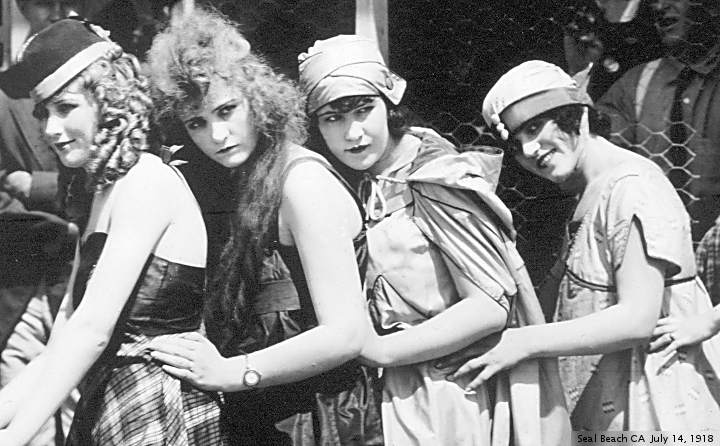
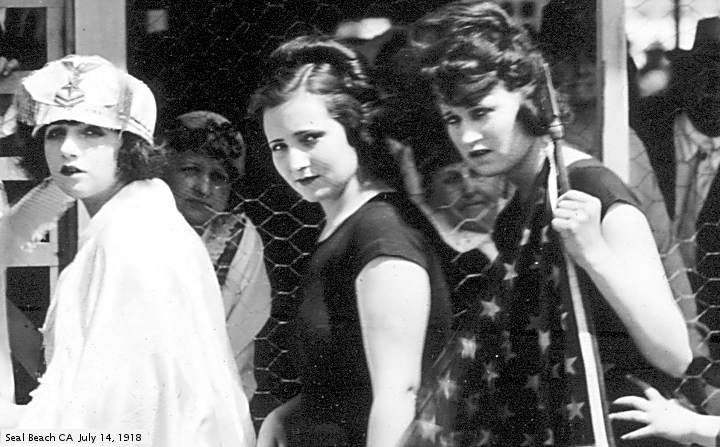
Pictures today are from The Library of Congress. Bath Suit Fashion Parade Seal Beach CA, July 14, 1918, photographed by M.F. Weaver.


 Chamblee54
1 comment