Did Socrates Read And Write?


This story starts with a facebook meme. A fbf posted a picture of a thoughtful statue. The text read ‘When the debate is lost, slander becomes the tool of the loser.’ -Socrates. PG thought that Socrates never wrote anything that survived. All of what we attribute to Socrates was written by Plato. People reading this blog should know what happened next. This is a repost
Did Socrates Say Slander Is ‘The Tool of the Losers”? is one of several results. They all said the same thing … the quote is bogus. A tweet from Eric Trump is not evidence of authenticity.
PG began to think, which is never a good sign. Was Socrates able to read and write? was on the screen a few minutes later. The speculation is mixed. Some say that that Socrates was stone illiterate.
Thomas Musselman “Socrates served in the government on juries. Historians now know that legal proceedings were common over business matters of great sophistication and the the juries were well-educated concerning such matters. General literacy existed by the late 400s BC for the general pubic in primary school. Upper class males even in Socrates’ day would have been literate and there was an active book-seller market. To function in the world that Socrates functioned in required literacy.”
Google turned up a curious document. It is a passage written by Plato,“Phaedrus.” Pp. 551-552 in Compete Works. An Egyptian G-d is talking to a King, about an invention … writing.
“In fact, it (writing) will introduce forgetfulness into the soul of those who learn it: they will not practice using their memory because they will put their trust in writing, which is external and depends on signs that belong to others, instead of trying to remember from the inside, completely on their own. You have not discovered a potion for remembering, but for reminding; you provide your students with the appearance of wisdom, not with its reality. Your invention will enable them to hear many things without being properly taught, and they will imagine that they have come to know much while for the most part they will know nothing. And they will be difficult to get along with, since they will merely appear to be wise instead of really being so.”
SOCRATES: “But, my friend, the priests of the temple of Zeus at Dodona say that the first prophecies were the words of an oak. Everyone who lived at that time, not being as wise as you young ones are today, found it rewarding enough in their simplicity to listen to an oak or even a stone, so long as it was telling the truth, while it seems to make a difference to you, Phaedrus, who is speaking and where he comes from. Why, though, don’t you just consider whether what he says is right or wrong?”
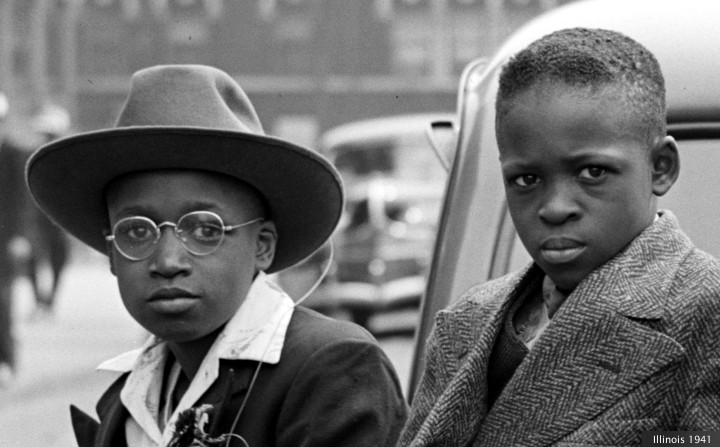
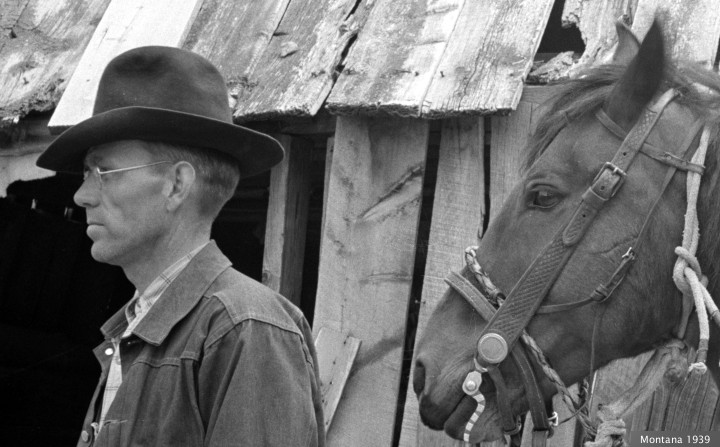
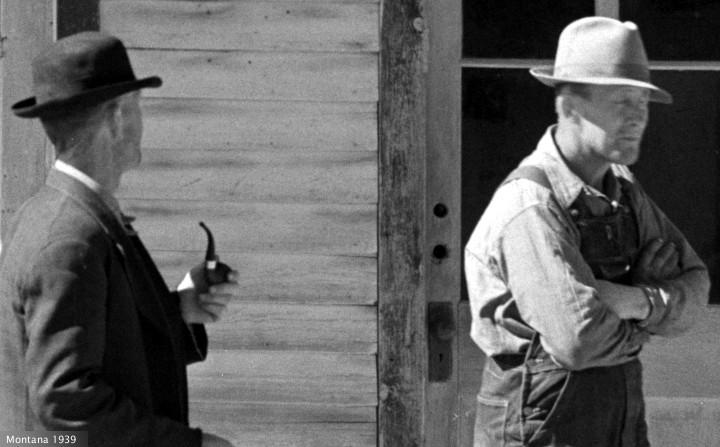
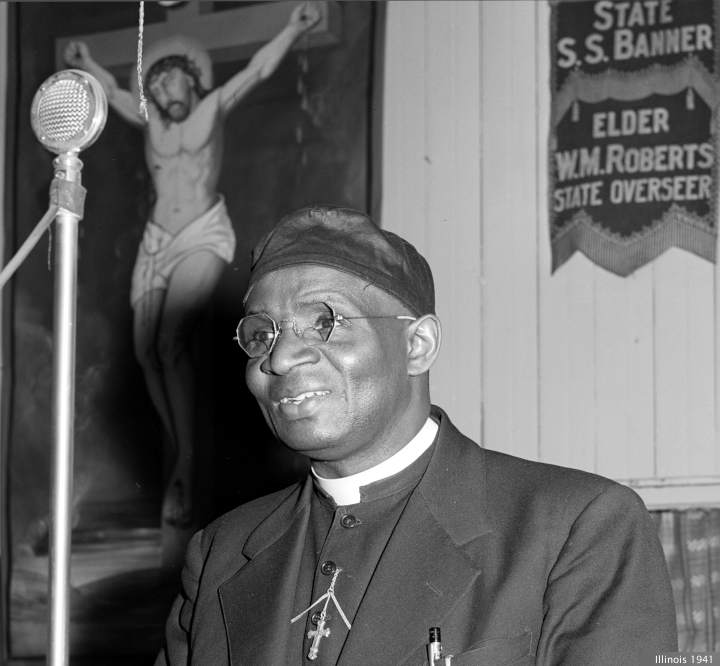
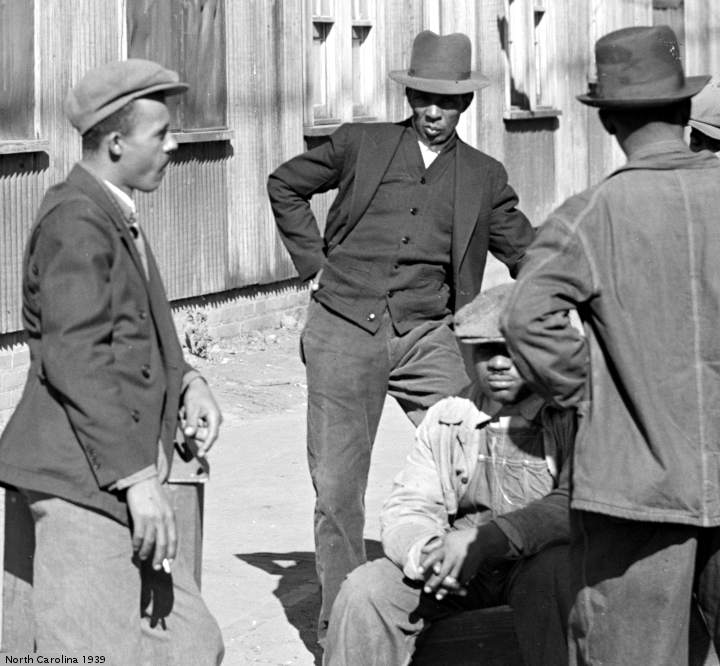
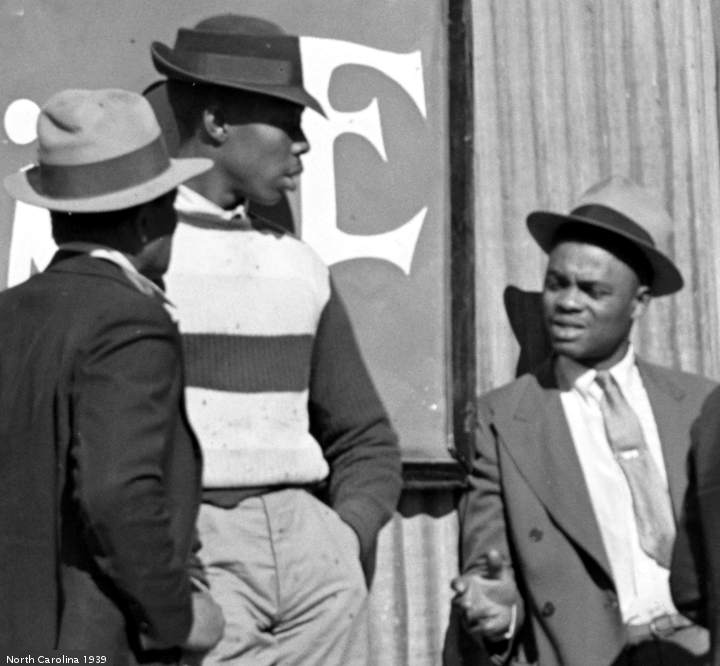
Pictures today are from The Library of Congress. Part two is after the break.



A facebook friend posted a meme. It had an picture of Bertrand Russell, quoted as saying “If fifty million people say a foolish thing, it is still a foolish thing.” PG consulted with Mr. Google, and had his answer in seconds.
“From the wikiquotes page of Anatole France “Si 50 millions de personnes disent une bêtise, c’est quand même une bêtise. If fifty million people say a foolish thing, it is still a foolish thing. As quoted in Listening and Speaking : A Guide to Effective Oral Communication (1954) by Ralph G. Nichols and Thomas R. Lewis, p. 74. Misattributed to Bertrand Russell, by Laurence J. Peter, in The Peter Prescription : How To Make Things Go Right (1976), but he subsequently attributed to France in Peter’s Quotations: Ideas for Our Time (1977).”
“As I’ve said on many occasions, I don’t care who a quote is (mis)attributed to. I share a meme because its message resonates for me.” PG “If a million facebook users post a misattributed quote, it is still a misattributed quote … I have this vague sense that it does make a difference, but I can’t find the words to say why. Maybe google will have a snappy quote, preferably in English, that will give me a reason why correct attribution matters.”
“With google available, it is so, so easy to verify a quote before you post it. Often, the context of the quote puts a different shade on the meaning. Like the quote above. I have no idea why Mr. France said that, or what he meant. Sometimes, the words come from a foolish character in a story, and the author is making fun of them. Since I do not read French, I do not know how accurate the translation is.” (Google translate says “If 50 million people say stupidity, it’s still a stupidity.”)
“There is a famous quote from Ben Franklin about security and liberty. The quote is totally legitimate. It is taken from an Editorial Mr. Franklin was paid to write. The editorial supported the colonial government, in their efforts to levy a tax on farmers.”
The Ben Franklin post linked above has a useful link. “‘Contextomy’ refers to the selective excerpting of words from their original linguistic context in a way that distorts the source’s intended meaning, also known as ‘quoting out of context’. Contextomy is employed in contemporary mass media to promote products, defame public figures and misappropriate rhetoric. A contextomized quotation not only prompts audiences to form a false impression of the source’s intentions, but can contaminate subsequent interpretation of the quote when it is restored to its original context.”
Another chamblee54 post, about a dubious quote, refers to the Four Principles of Quotation. Principle 1 Whenever you see a quotation given with an author but no source assume that it is probably bogus. Principle 2 Whenever you see a quotation given with a full source assume that it is probably being misused, unless you find good evidence that the quoter has read it in the source. Principle 3 Whenever you make a quotation, give the exact source. Principle 4 Only quote from works that you have read.
This does not answer the question… is it WRONG to put the incorrect name at the bottom of a quote? Sharing a meme on facebook is not the same as putting a goofy quote in a term paper. While this is something that PG is loath to do, is it really that bad for someone else? Certainly there are concerns about context. Memes often do not use the quote as the author would have intended.
After a few frustrating search terms, PG decided to google “I don’t care who a quote is (mis)attributed to. I share a meme because its message resonates for me.” Google replied “Did you mean: I don’t care who a quote is (mis)attributed to. I share a meme because it’s message resonates for me” Apparently, Google does not know that the possesive form of its does not have an apostrophe. It’s is short for it is.
There were some lively results, though few answered the key question. “Furthermore, and this does bear mentioning, Andy Rooney did not write this. He died in 2011 so the words in the post, “let’s make 2019/2020 the year the silent majority is heard,” is ridiculous.” “Ever since the quote’s real author emerged, there’s been a lively discussion on Facebook about whether it even matters who said it – as long as someone said it.”
One result typifies the entire commodity wisdom catalog. Best Inspirational Quotes For Killer Social Media Posts There is a pop-up ad that will not go away. “149 Inspirational Quotes: Free PDF! Want to inspire your friends and followers with uplifting words? Grab my collection of 149 short quotes that are just the right length for social media posts, PLUS tips on how to make and post them! Sign up now and you’ll have the free PDF in a flash” Pictures today are from The Library of Congress.



 Chamblee54
leave a comment