Wrongly Attributed Statement
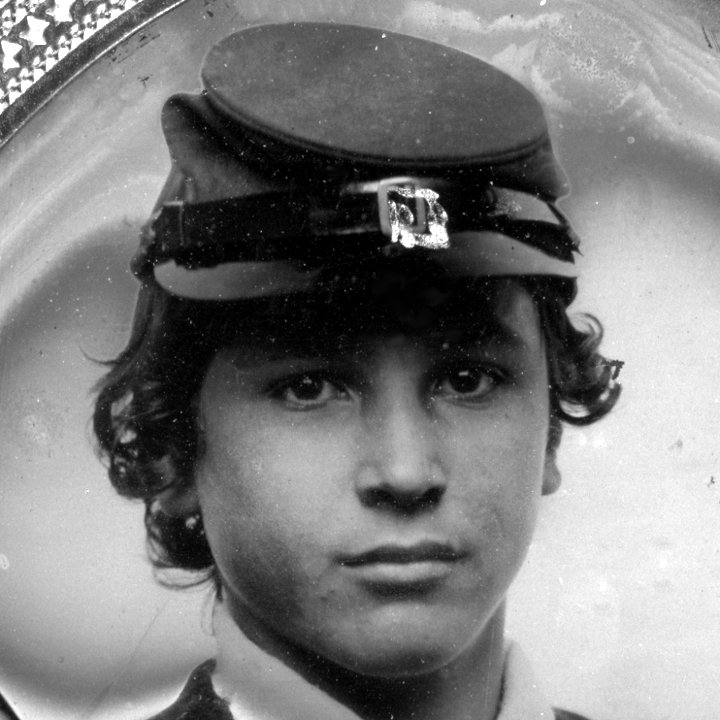
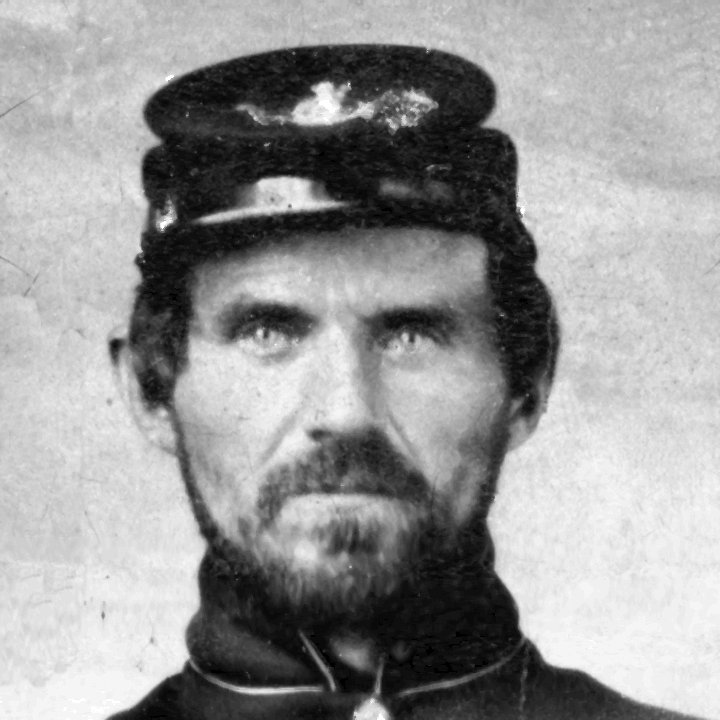

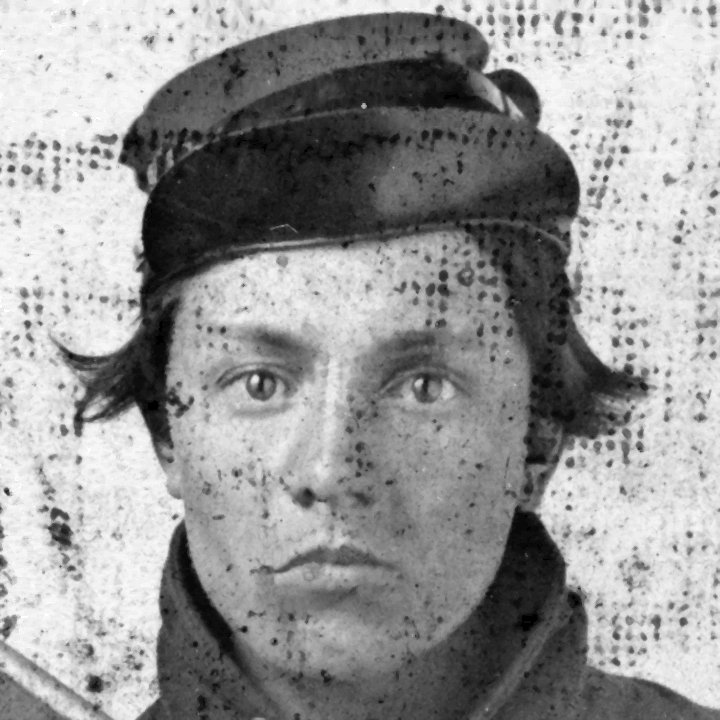
It was not the first pleasant morning spoiled by a visit to facebook. A well meaning friend posted this: “An interesting article, no doubt written with Luther Mckinnon in mind: Who Really Said That?” Apparently, someone has a reputation for poking *pin prick needles* in the hot air of quote balloons. A discussion of the article should make for a good excuse to post some pictures.
The feature was posted in The Chronicle of Higher Education. There are references to obscure trends, There are French words, in italics. It rambles when it should rambo. Worst of all, it refers to a facility for checking out quotes, Quote Investigator, without giving a link. This is tough to forgive. Links are so easy to put in an online article, and allow a reader to see the information without the filter of academia. It is the digital equivalent of a footnote, and much easier to install.
The operating acronym here is WAS, for Wrongly Attributed Statement. This has potential. You can have Wrongly Attributed Statement Ho, or WASH. You can have Wrongly Attributed Statement Perpetrator, or WASP. You can have Wrongly Attributed Statement Terror Export, or WASTE.
Corey Robin, the author of the skeptifest, says that trying to authenticate a WAS can be an all day affair. PG discovered that when writing about the Seven Brilliant Quotes. The wikiquote method emerged. You copy the wikiquote post about the source in question. You should save this document, because you will probably use it again. Take a key word from the quote in dispute, and search for it. Either the quote is real, almost real, or phony. If you can’t tell one way of another, just say that it cannot be attributed. Prove is a misleading word.
Does it matter? Some say it doesn’t, that even if the famous person did not mouth the magic words, then he probably said something similar. “It sounds like something she would have said.” Of course the context does matter. It is good to know why the famous person said what he did. And then there is the mythical tribute to authority. Some people seem to think that a saying is more true if a famous person said it. Mark Twain just wants his royalties.
Mr. Robin trots out the venerable chestnut, “The only thing necessary for the triumph of evil is that good men do nothing.” When PG took on this trojan horse, it was blamed on Thomas Jefferson If he had done nothing, Sally Hemmings would not be famous.
“The only thing…” is one of those sayings that sound good until you think about it. The good people in Germany tried in 1931, but Mr. Hitler was a bit meaner. It wouldn’t be surprising if mustache man used a German version of that saying in his speeches. Plenty of bad guys have the crowd convinced that they are good guys. Maybe the saying should go “The only thing necessary for the triumph of evil is that good men get confused by inspiring rhetoric”.
Telling the truth can be a lonely business. People don’t like to be told that Santa Claus does not exist. They want to believe in something. It makes them feel better if Albert Einstein agrees with them. PG used to let his BS detector run wild. He got tired of constantly buying batteries for it. These days, it is easier to let people have their heroes.
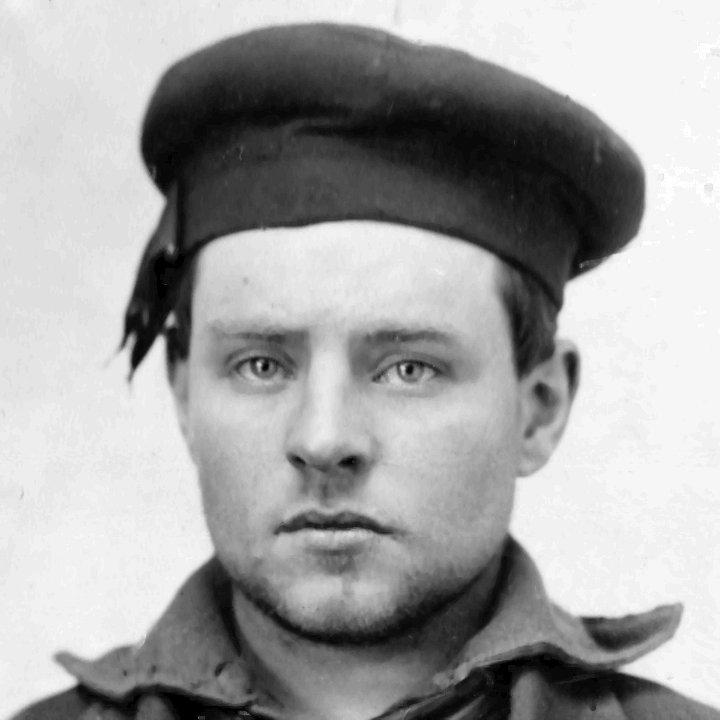
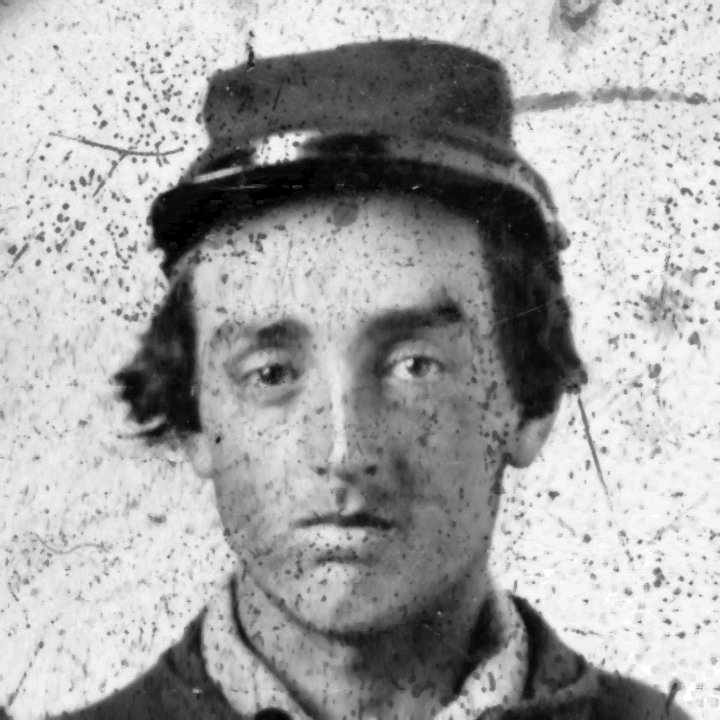
The Library of Congress supplied the pictures for today’s entertainment. These men were Union soldiers in the War Between the States. These men thought they were saving the Union.



 Chamblee54
leave a comment