HNY
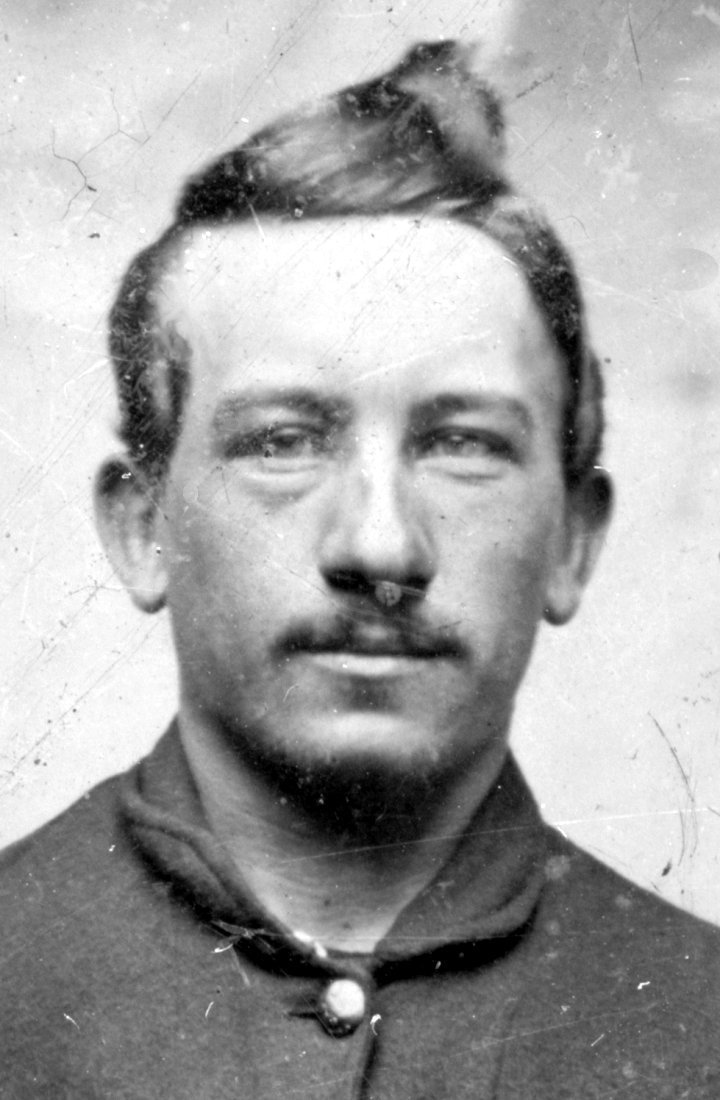
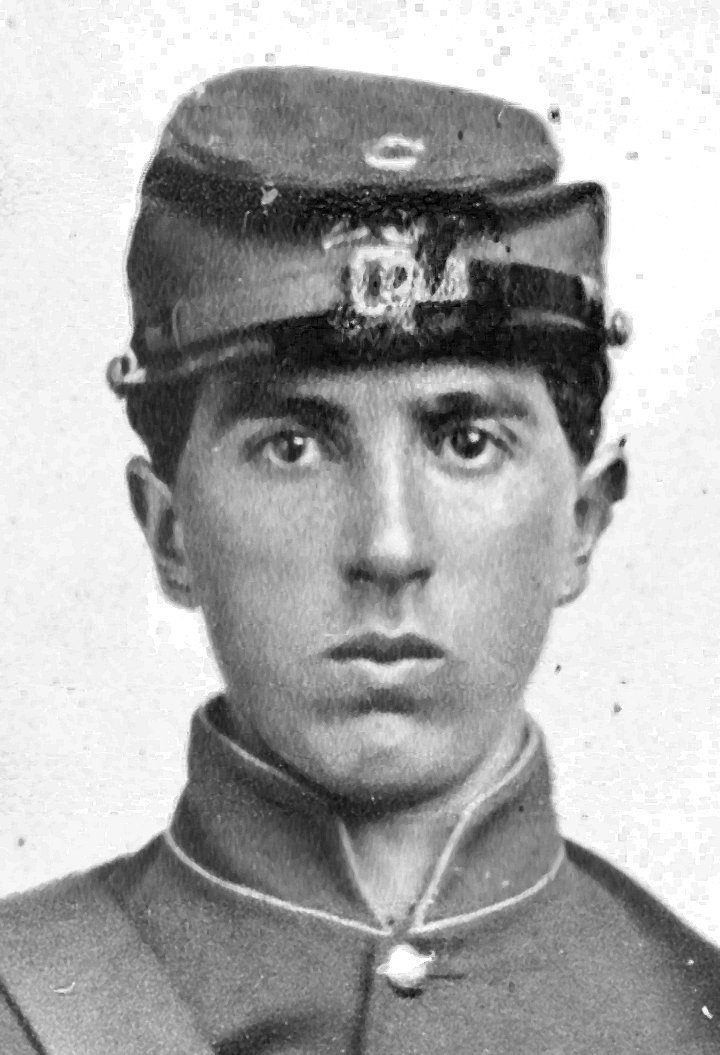


The first part of this new year’s message is a repost from a year ago. Part two is a recycled email. Thank you Ed. The pictures are Union soldiers, from the War Between the States. They are courtesy of The Library of Congress
One thing that is accepted without question is the year starting at midnight on December 31. That is, in some cultures. Jews have a new year in September, China celebrates some time in January, and the fiscal year is whenever the bean counters say. If you ask google “why does the year start january first”, you get 436m options.
The earth runs on a cycle, based on it’s annual trip around the sun. The winter solstice is the longest night of the year, and in many ways the logical end of the year. The celebration of Christmas, a few days after the solstice, is not a coincidence. The question today is, why do we start a new year a week after Christmas, or ten days after the solstice?
The top ranked answer at google is from catalogs.com. They talk about Julius Caesar and Pope Gregory XIII(13), but never quite say why January first is the big day. It does end on a helpful note: “Calendars are a way that grownups organize time, but clearly not all grownups do it the same way. Happy New Year, therefore, whenever it happens for you.”
Lifeslittlemysteries continues with the talk about Caesar and the Pope. It is noted that January 1 was the day that Roman officials started their term of office. In England and her colonies, the new year was celebrated in March until 1752.
The rest of the google results do not look promising. PG does not know the answer to this.



How long have people celebrated the turn of the year? Celebrating the New Year is a tradition that dates back nearly 4000 years. If you had lived in Mesopotamia and Babylon 4,000 years ago (c. 2000 B.C.), you probably would have celebrated the new year in mid-March, at the time of the Vernal (Spring) Equinox. If, however, you were an Egyptian, your new year began with the Autumnal Equinox and the flooding of the Nile. If you were Greek, the Winter Solstice began your new year.
Who set January 1st as the beginning of the year? Julius Caesar was the first to set January 1st as the New Year. Caesar did so when he established the Julian calendar. The Julian calendar, named for Julius Caesar, decreed that the new year would occur on January 1st. Caesar wanted the year to begin in January since it celebrated the beginning of the civil year and the festival of the god of gates and, eventually, the god of all beginnings, Janus, after whom January was named. (It was said, many years later, that the only thing the Julian calender is good for is writing checks.)
Where would you celebrate Hogmanay on December 31st? Scotland is the home of Hogmanay (hog-mah-NAY), the rousing Scottish New Year’s celebration (the origins of the name are obscure). One of the traditions is “first-footing.” Shortly after midnight on New Year’s eve, neighbors pay visits to each other and impart New Year’s wishes. Traditionally, First foots used to bring along a gift of coal for the fire, or shortbread. It is considered especially lucky if a tall, dark, and handsome man is the first to enter your house after the new year is rung in. The Edinburgh Hogmanay celebration is the largest in the country, and consists of an all-night street party.
How is the New Year rung in by the Japanese? The new year is the most important holiday in Japan, and is a symbol of renewal. In December, various Bonenkai or “forget-the-year parties” are held to bid farewell to the problems and concerns of the past year and prepare for a new beginning. Misunderstandings and grudges are forgiven and houses are scrubbed. At midnight on Dec. 31, Buddhist temples strike their gongs 108 times, in a effort to expel 108 types of human weakness. New Year’s day itself is a day of joy and no work is to be done. Children receive otoshidamas, small gifts with money inside. Sending New Year’s cards is a popular tradition—if postmarked by a certain date, the Japanese post office guarantees delivery of all New Year’s cards on Jan. 1.
Who were the first with New Year’s resolutions? It is believed that the Babylonians were the first to make New Year’s resolutions, and people all over the world have been breaking them ever since. The early Christians believed the first day of the new year should be spent reflecting on past mistakes and resolving to improve oneself in the new year.
You can appreciate the Buddhist tradition when you see the timber slung on ropes used to strike their huge temple bell/gong. Some have a huge bronze bell as we are used to seeing, and others have a large round heavy symbol/gong. Smaller temples have, as you might imagine, smaller gongs and will have one or two strikers for the gong. They swing hammer like (as in sledge hammer) items to strike the gong. I’m sure this is what started the heavy drinking associated with their New Year. If you have ever lived close enough to hear these things with their long reverberations you’ll understand after the first few you ‘re ready for a belt. May you all have a health filled and prosperous New Year, Ed


[…] is a repost. Part two is a recycled email. Thank you Ed. The pictures are Union soldiers, from the War Between […]
[…] is a repost. Part two is a recycled email. Thank you Ed. The pictures are Union soldiers, from the War Between […]