War On Christmas
This content was originally published December 14, 2012. The “War on Christmas” is much less contentious in 2025. … Merry Christmas used to be a greeting of good will. It meant, I am happy that you survived the year, have a nice holiday. Saying Merry Christmas, instead of Happy Holidays, was not an in your face gesture, designed to express a religious opinion.
Christmas used to be a time of peace on earth and good will towards men. There were parties, gift giving, and holiday time from school and work. The religious part has always been there, but if you could ignore it if you wanted to.
“Some” Christians want it all. The fact that our culture is dominated by Jesus worship is not good enough. And they don’t care if it offends you. Peace on earth, and good will towards men, is obsolete.
We don’t know when Jesus was born. Some scholars say he was born in the spring, but it was a long, long time ago. When the early Christians were trying to convert the Romans, they decided to have a birthday celebration for Jesus at the time of a pagan holiday. It is the winter solstice, the time of renewal at the end of the year. It is an ideal time for a religious feast.
Many people, myself included, have been hurt by Jesus. Christianism is an aggressive religion. If you don’t agree, you can expect to be insulted and humiliated. As society becomes more and more secular, believers get more aggressive. Many people have come to see the birth of Jesus as something to be mourned, rather than celebrated.
I used to enjoy saying Merry Christmas. To me, it was a greeting of good will. Now, it is taking sides in a nasty fight. Maybe the proper thing to say is have a nice day.
And now for something completely different. I found this recently, and it is not original to me. If you really need a link to the original, we will look harder.
When I was young and impressionable, I heard the Co-Adjutor Archbishop of Bombay preach on the subject of Christmas. He made the point that the adjective “merry” actually means “to be showing the influence of alcohol”, that is to be at least partially drunk. So to wish someone a Merry Christmas is really to wish them a Drunken Christmas. Moreover, drunkenness is a sin, and it is illegal to ply an infant with alcohol. A “merry Christmas” not only treats the birth of Christ as an occasion for sin, it also excludes the guest of honour Himself from the celebration.
That is a perversion of the meaning of Christmas — yet how often do we hear “true Christians” insist on saying “merry Christmas”? Why don’t they just wish the world happiness and joy?
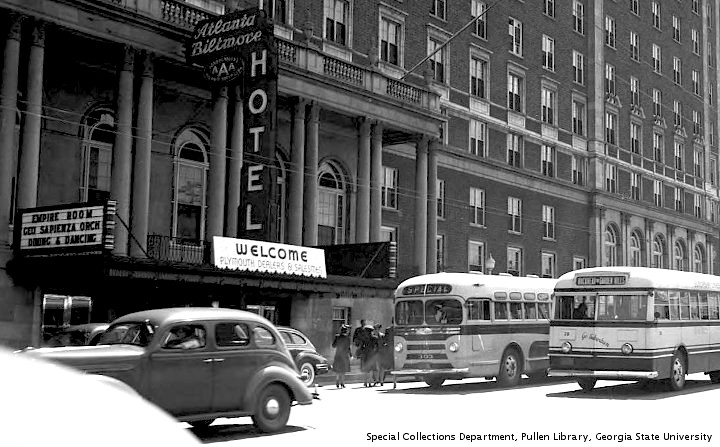
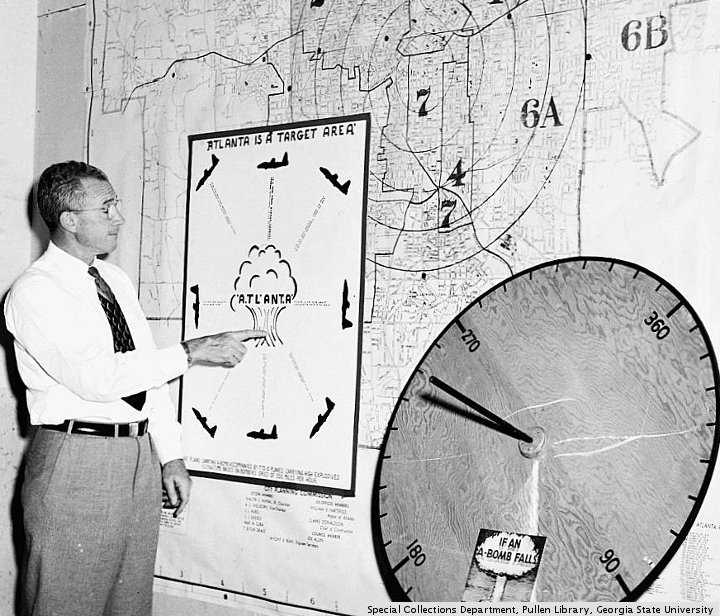
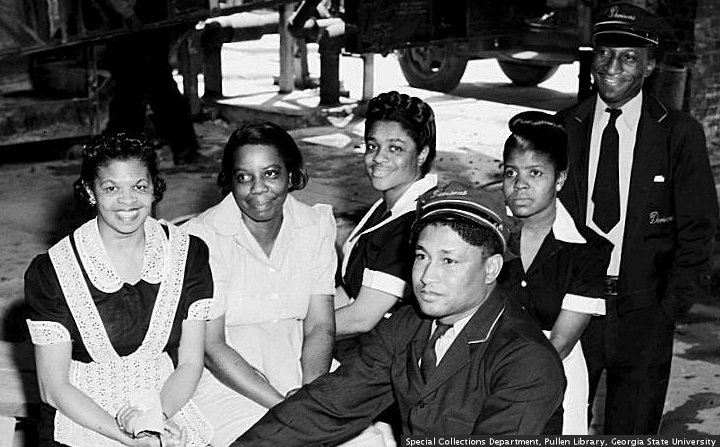
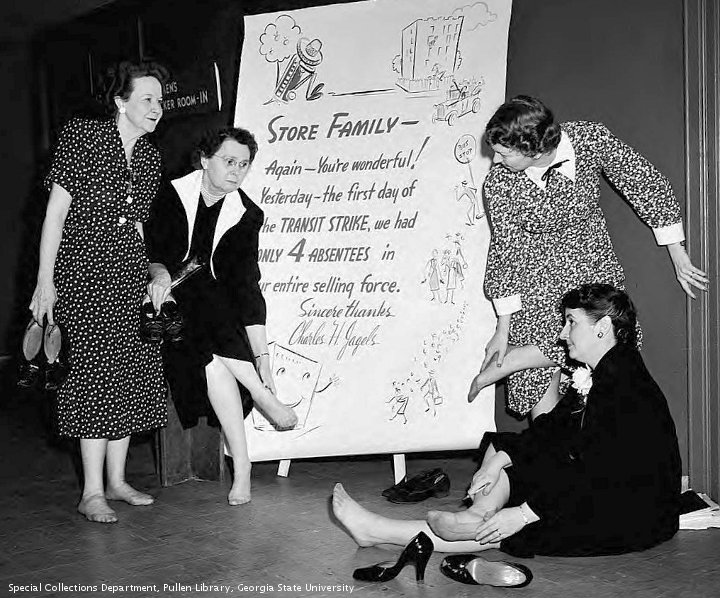
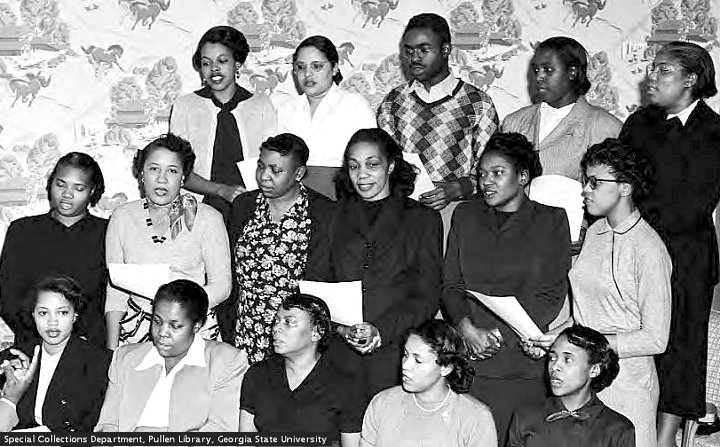
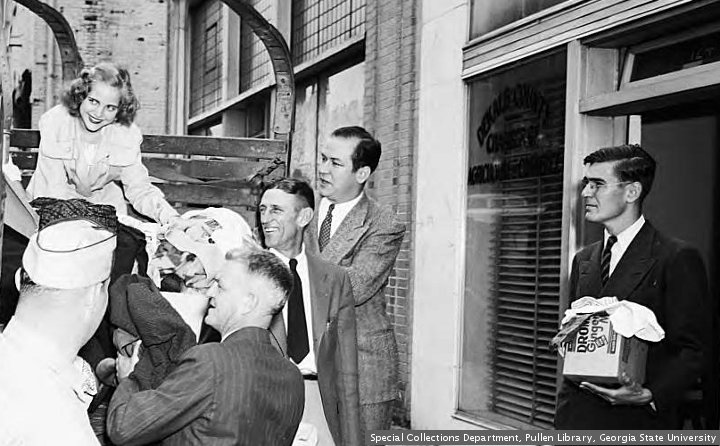
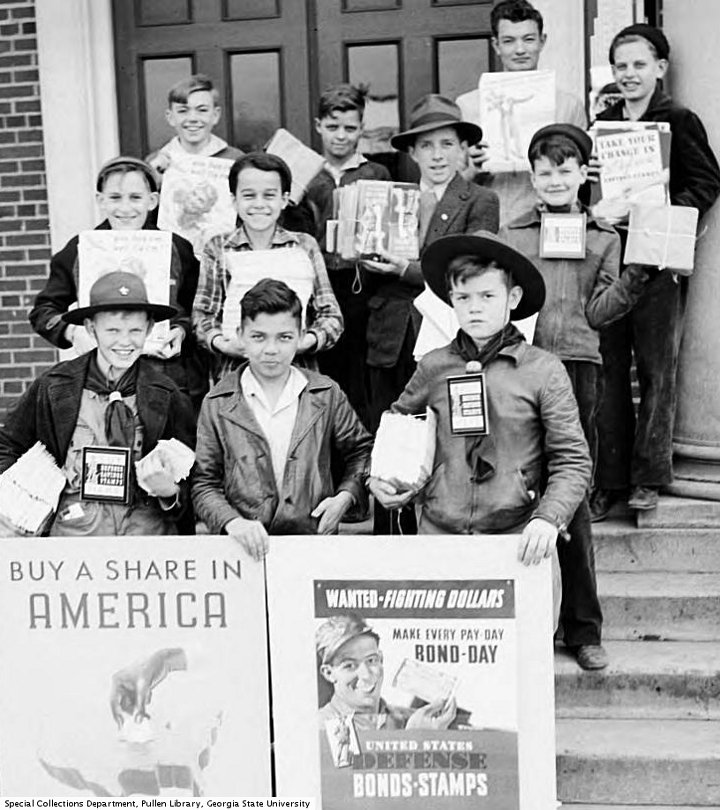
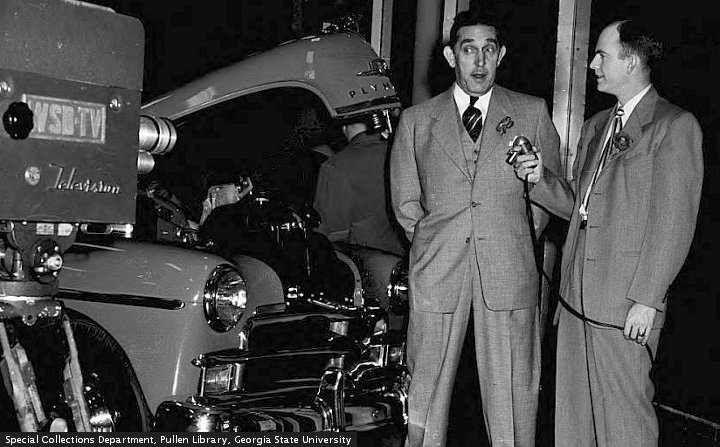
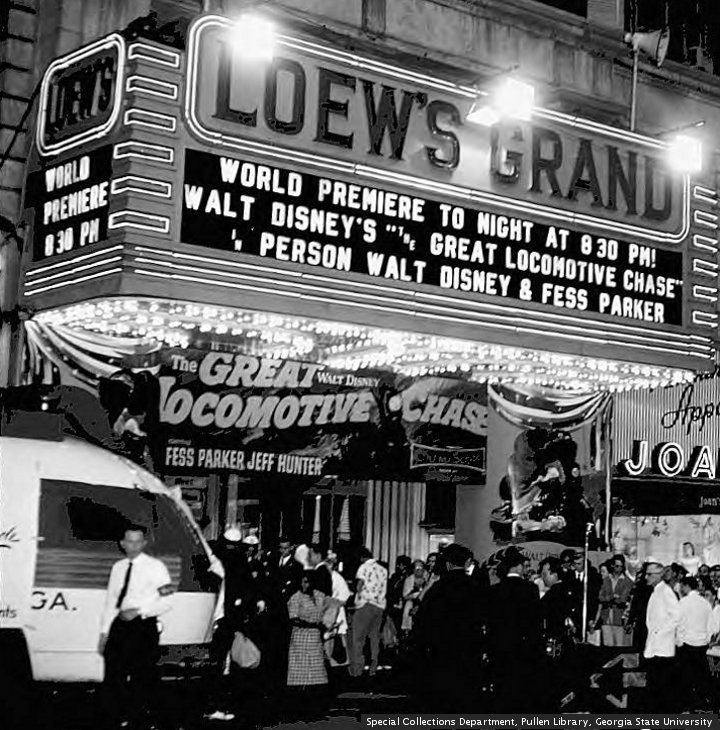
When preparing this feature, I googled the idea that merry means drunken. This was the AI reply: “That is an interesting assertion, but wishing someone a “Merry Christmas” is not a wish for a “Drunken Christmas.” The word “merry” simply means cheerful, lively, or happy, with no inherent connection to alcohol [1]” The footnote is to an article, which essentially says that merry means drunken. … Pictures today are from Georgia State University Library. The social media picture was taken in 1941. Atlanta Biltmore Hotel exterior. ©Luther Mckinnon 2025 · selah



 Chamblee54
[…] @QuoteResearch @chamblee54 Your tweet from March 18, 2025 inspired the creation of a QI article · the winter solstice festivities included drinking and carousing. Many of these customs were continued […]