Stanford Bad Words List

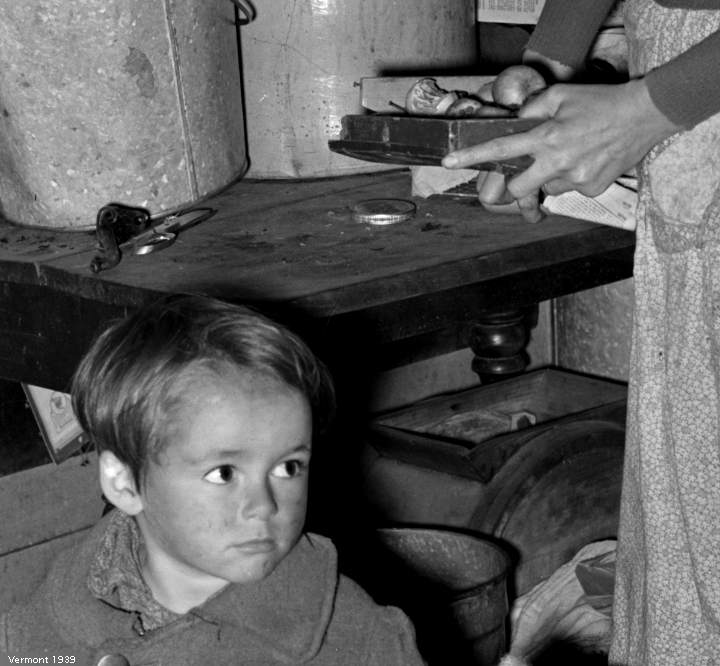
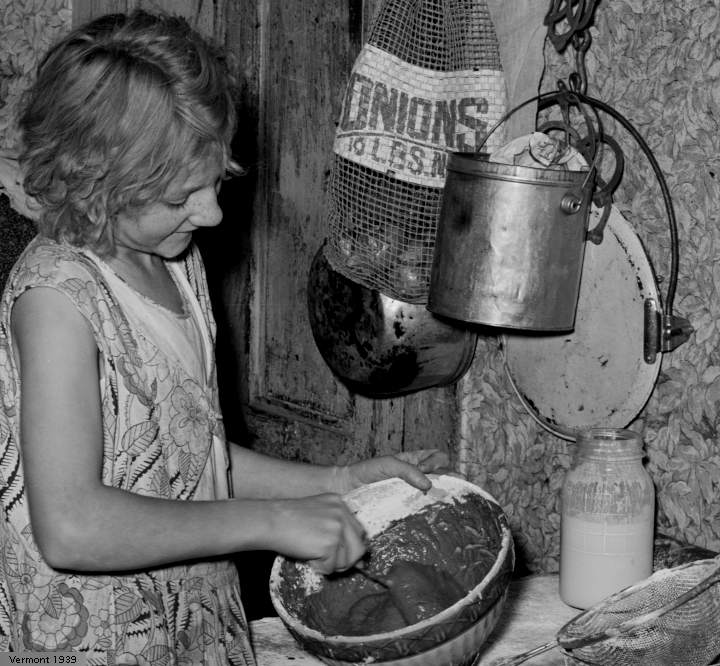
This content was posted December 24, 2022. … Elimination of Harmful Language Initiative arrived on a slow news day this week. Produced by a committee at Stanford University, the document lists some language that we should not be using. The screed got an unkind reaction, and was hidden from the general population. Fortunately, some thoughtful archivists saved a copy.
EHLI comes in a three part format. First is the contraindicated phrase. Second is a suggested alternative, and third is a commentary. The replacement is usually longer, and clumsier, than the original. Is “died by suicide” really any better than “committed suicide”?
abusive relationship … relationship with an abusive person … The relationship doesn’t commit abuse. A person does, so it is important to make that fact clear.
African-American … Black … Black people who were born in the United States can interpret hyphenating their identity as “othering.” As with many of the terms we’re highlighting, some people do prefer to use/be addressed by this term, so it’s best to ask a person which term they prefer to have used when addressing them. When used to refer to a person, the “b” should always be capitalized.
American … US Citizen … This term often refers to people from the US only, thereby insinuating that the US is the most important country in the Americas (which is actually made up of 42 countries).
brown bag … lunch and learn, tech talk … Historically associated with the “brown paper bag test” that certain Black sororities and fraternities used to judge skin color. Those whose skin color was darker than the brown bag were not allowed to join.
gangbusters … very successful … Unnecessarily invokes the notion of police action against “gangs” in a positive light, which may have racial undertones.
Hispanic … Latinx, use country of origin … Although widely used to describe people from Spanish-speaking countries outside of Spain, its roots lie in Spain’s colonization of South American countries. Instead of referring to someone as Hispanic because of their name or appearance, ask them how they identify themselves first.
Karen … demanding or entitled White woman … This term is used to ridicule or demean a certain group of people based on their behaviors.
people of color (used generically) … BIPOC (Black, Indigenous, and People of Color) … If speaking about a specific group, name that group.
“preferred” pronouns … pronouns … The word “preferred” suggests that non-binary gender identity is a choice and a preference.
shemale … transgender woman, trans woman … This slur is often used disparagingly to refer to people who don’t conform to gender expectations. Some in the community do identify with and self-describe as the term, though.
straight … heterosexual … Implies that anyone who is not heterosexual is bent or not “normal.”
stupid … boring, uncool … Once used to describe a person who could not speak and implied the person was incapable of expressing themselves.
tranny, trannie … transgender person, trans or non-gendering conforming folk … This slur is often used disparagingly to refer to people who don’t conform to gender expectations. Some in the community do identify with and self-describe as the term, though.
uppity … arrogant, stuck up … Although the term originated in the Black community to describe another Black person who didn’t know their socioeconomic place, it was quickly adopted by White Supremacists to describe any Black person who didn’t act as “expected.”
In several of the categories, you are invited to ask the person how they wish to be identified. This reinforces the “otherness” of people in these categories. English speaking White people are assumed to be the norm, and in no need of categorization. This is precisely the privilege that initiatives like the EHLI purport to be fighting, when in reality they do the opposite.
“Karen … demanding or entitled White woman …” Many of the banned words claim to be fighting the white=good trope. In the case of Karen, EHLI goes in the other direction, suggesting “entitled White woman” as an alternative. At least EHLI capitalized White. EHLI also capitalized “Latinx,” while leaving “country of origin” in lower case.
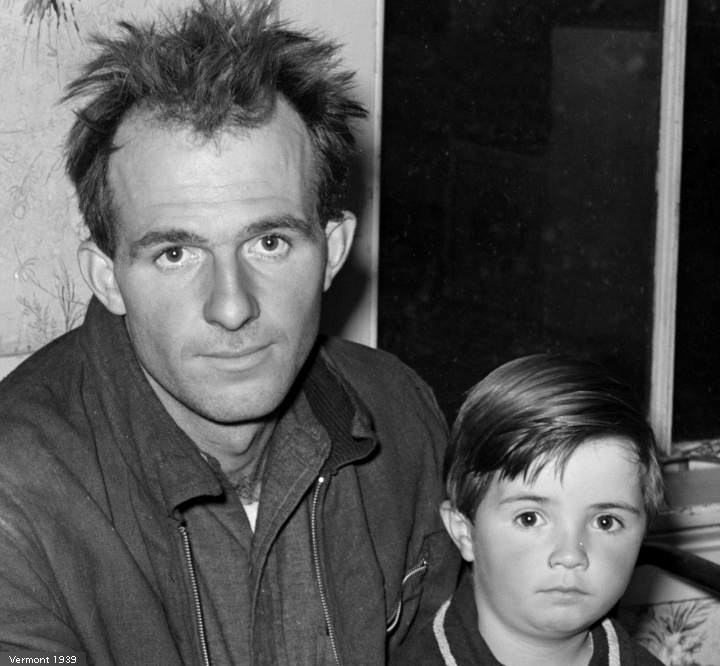
EHLI is clearly … all commentaries on social justice issues must say clearly … the work of a committee. They … assuming that is the correct pronoun here … have good intentions. Unfortunately, as we all know in 2022, it is outcome that is important, and not intentions. Maybe someone should just yell bingo, and go cash in their card. Pictures today are from The Library of Congress. Russell Lee took the social media picture in October 1939. “Family of FSA client living near Bradford, Vermont. Orange County” ©Luther Mckinnon 2025 · selah
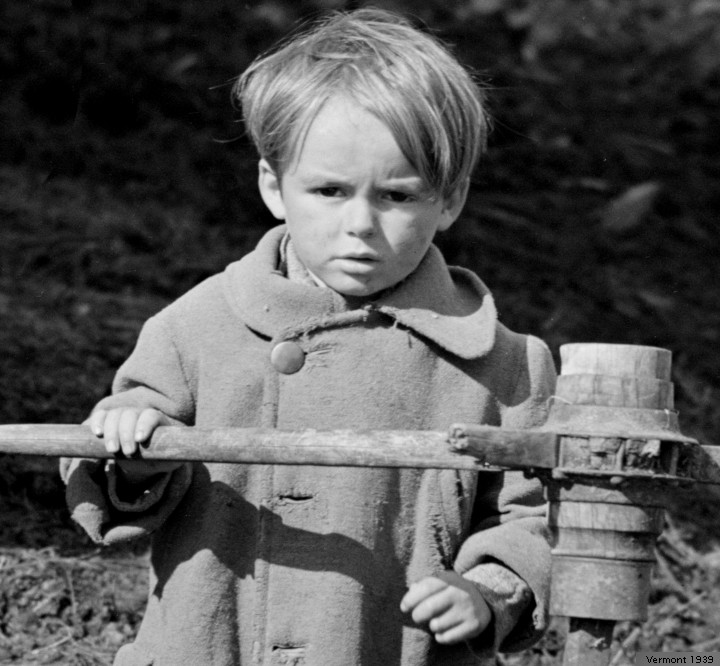

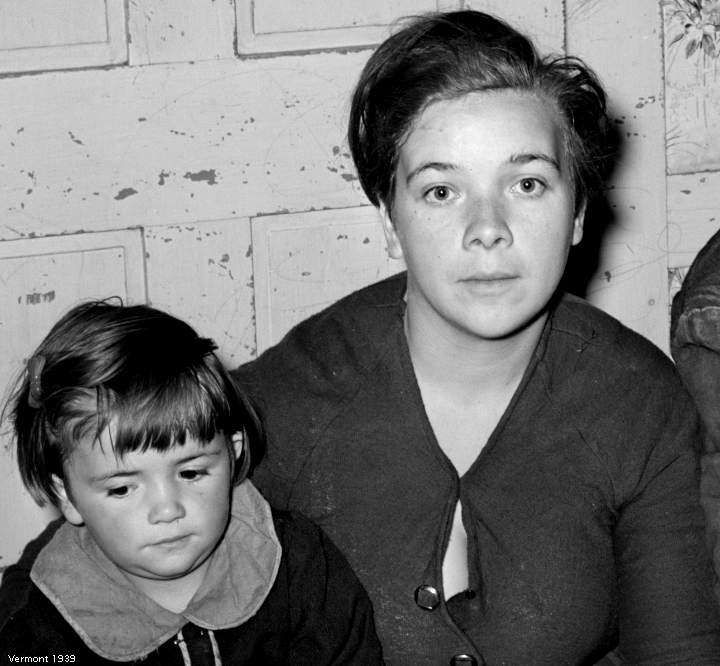
 Chamblee54
[…] grounds that it might tend to incriminate me. · What would the holidays be without fruitcake? · There was once a committee on language at Stanford University. They had good intentions. Often, they made […]