The Pursuit Of Truth

This content was published October 4, 2014. … There is a Radiolab episode called The Fact of the Matter. It is about a man who likes to separate fact from fiction. “The pursuit of truth properly considered shouldn’t stop short of insanity.” After an hour or so plumbing the digital depths, I began to appreciate the truth of that comment. Does anyone have a recipe that uses a can of worms?
The show is about a photograph from the Crimean War. “The valley of the shadow of death” was taken by Roger Fenton. on April 23, 1855. TVOTSOD was taken near a place called Balaclava. (Балаклавский) Today, this is in Ukraine. (Update below) Balaclava was the site of a nasty battle in the Crimean War. Today, a Balaclava is a colorful ski mask. It is the fashion statement of Pussy Riot.
I cannot understand why this picture is a big deal. The Library of Congress has a collection of the Fenton Crimean War Photographs. The Fenton pictures were one of the first collections in the LOC that I worked with. The picture of a road, with cannonballs, did not catch my eye.
The podcast is a detective story. It seems that there are two versions of the photograph. One has the cannonballs in the road, the other doesn’t. Were the cannonballs tossed on the road to make the picture more dramatic, or were they removed? They could have been removed to clear the road for wagon traffic, or to recycle the balls. In 1855, people picked up used cannonballs.
A very good question is why anyone would care? A man named Erroll Morris cares. The link is to a very long article at the New York Times about the picture. Mr. Morris went to Ukraine to investigate the pictures. It is possible that his pursuit of truth did not stop at the boundary of insanity.
The podcast mentions this famous picture, with a second shot that casts doubts. I went to the LOC, and found the famous picture right away. The second shot proved elusive. I viewed all 263 pictures in the Fenton collection in a slide show, and could not find the second picture. I began to think that maybe the second picture was the fake. The New York Times article by Erroll Morris has a copy of the second picture. The possibility remains that the second picture is a fabrication.
The podcast says that the location of some rocks changes in the two pictures. In the picture without the cannonballs on the road, the rocks are higher up on a hill, than they are in the famous picture. To Mr. Morris, this is evidence that the famous picture is a fake. I have examined the two images. Perhaps this search for truth will be called off before the onset of dementia.
The show has an amusing exchange between producer Jad Abumrad (جاد نيكولاس أبومراد) and Errol Morris. JAD: Hi. Is this Errol Morris? EM: I think it’s me. JAD: Hello, this is Jad from—from Radiolab. EM: Hi. Thank you for your very, very nice but somewhat disturbing email. JAD: What disturbed you in the email? EM: The term “truth fascist.”
Controversies about famous images are not new. Many people think the flag raising on Iwo Jima was posed. Just today on facebook, there was a link to a feature, The Kissing Sailor, or “The Selective Blindness of Rape Culture”. The idea is that the nurse did not want the sailor to kiss her on VJ day.
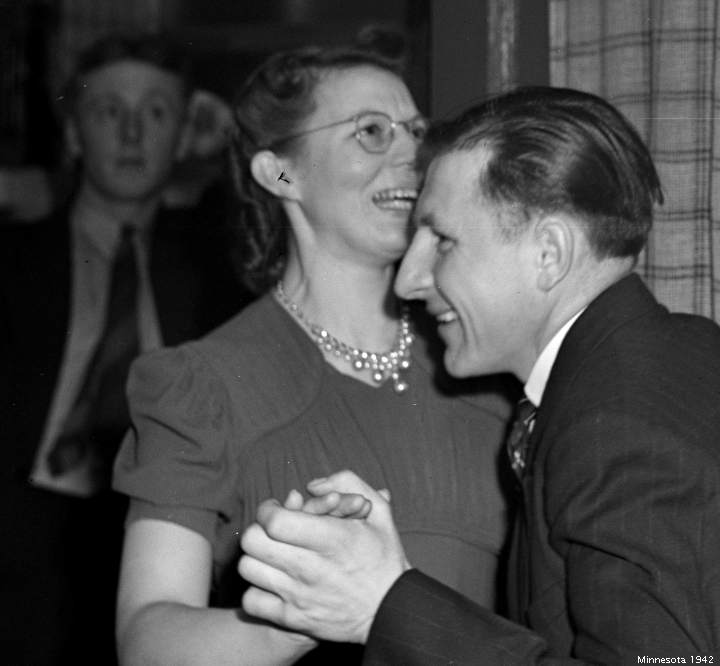
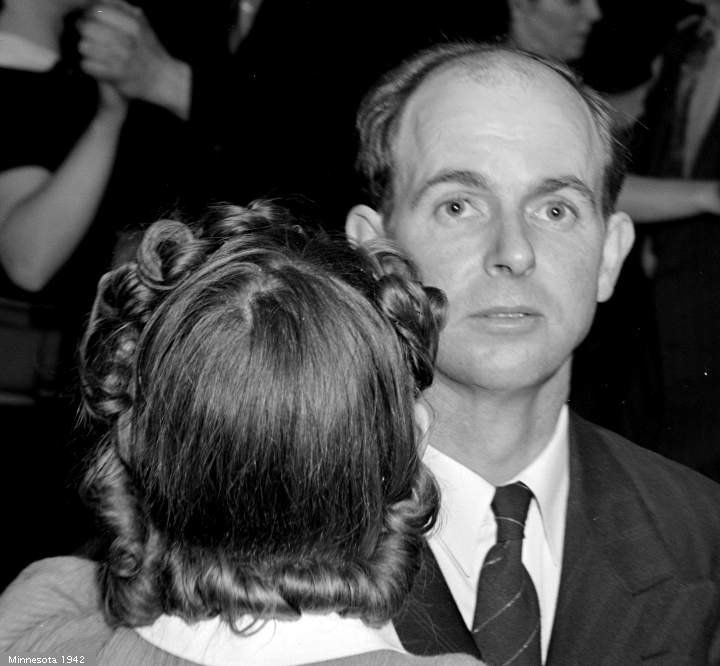
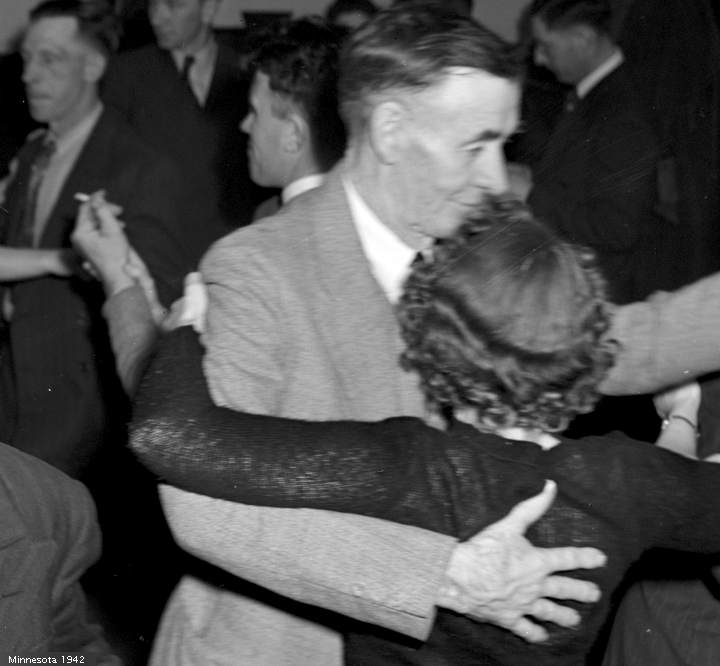
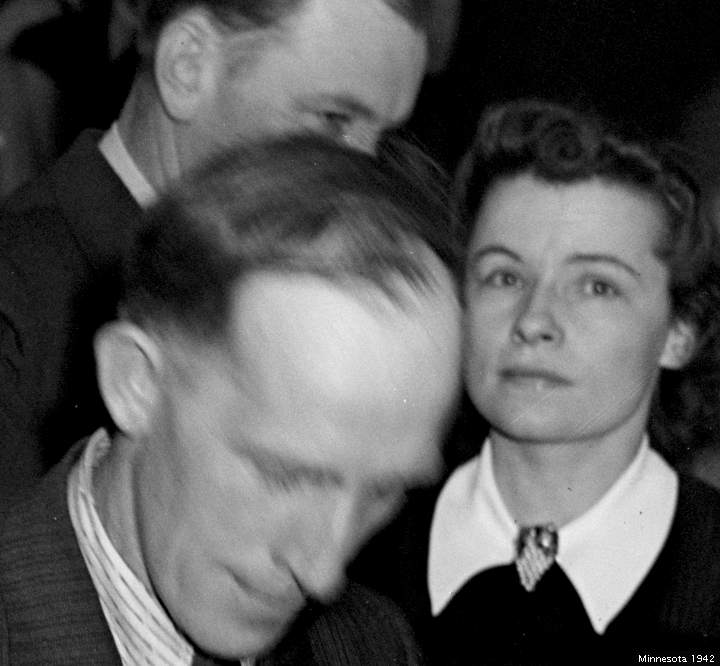
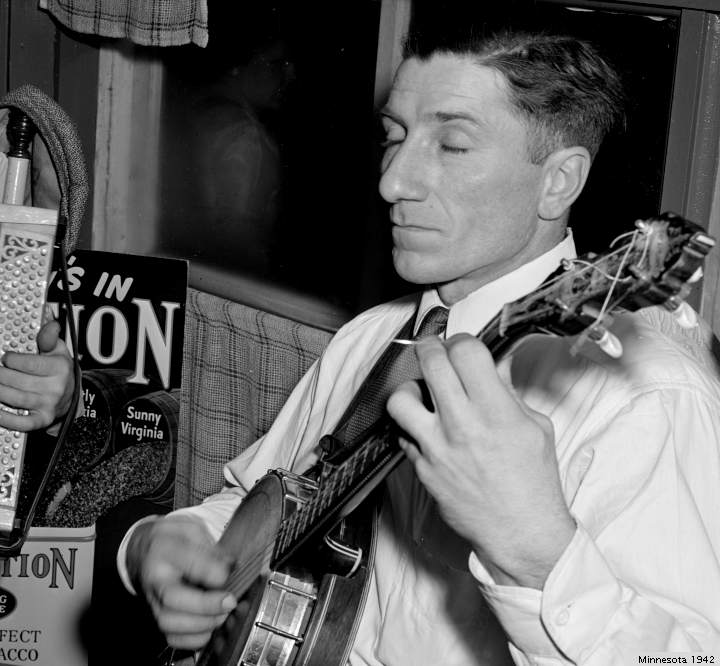
This feature was originally published in 2012, with LOC photographs of the Crimean War. In 2014, Russia annexed Crimea, including Balaklava. … Pictures today are from The Library of Congress. John Vachon took the social media picture in February 1942. “Meeker County, Minnesota. Farmers’ dance in crossroads store” ©Luther Mckinnon 2025 · selah

 Chamblee54
[…] nice but somewhat disturbing email. JAD: What disturbed you in the email? EM: The term “truth fascist.” · The Library of Congress Russell Lee took the social media picture in July 1939. […]