Walt Whitman And The War
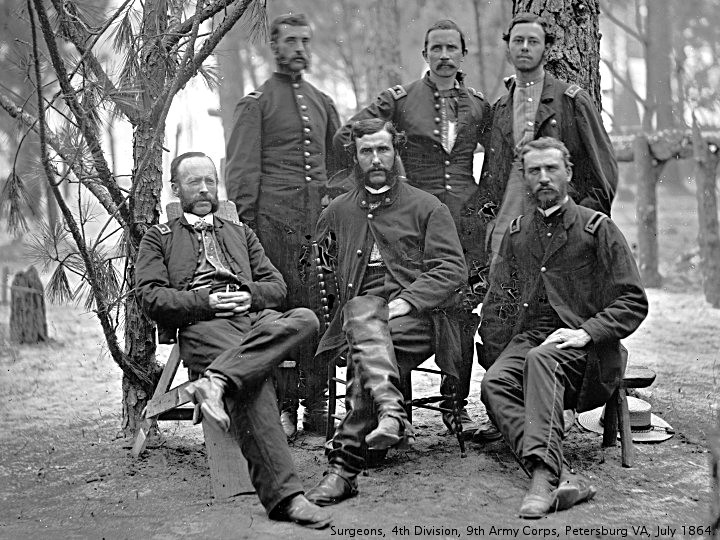

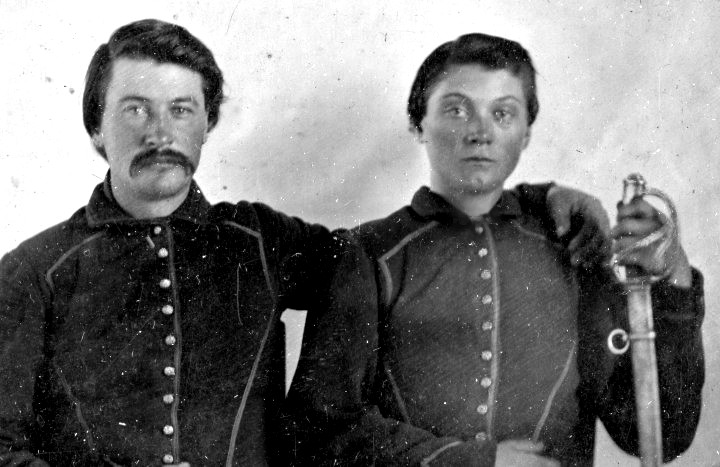


Every night for a thousand years is a story about Walt Whitman’s time as a caregiver during the War Between the States. It appears this month on The New Yorker fiction podcast. ENFATY was written in the voice of Mr. Whitman by Chris Adrian, and read for the podcast by @NathanEnglander.
After looking for his wounded brother, Mr. Whitman was struck by the plight of wounded soldiers. He started to visit the soldiers, giving them candy and food, writing letters for them, and giving what comfort he could. ENFATY focuses on one soldier, Hank Smith. Doctors wanted to amputate his leg. Hank had a pistol, and would not let them. By the time Hank was tricked into allowing an amputation, it was too late.
Not everyone approved of Mr. Whitman. “One disapproving commissioner, Harriet Hawley, complained to her husband: “Here comes that odious Walt Whitman to talk evil and unbelief to my boys. I think I would rather see the evil one himself—at least if he had horns and hooves.”
Others saw things differently. “Union Colonel Richard Hinton met Whitman at Armory Square Hospital while recovering from a bullet wound suffered at Antietam … “When this old heathen came and gave me a pipe and tobacco, it was about the most joyous moment of my life. Walt Whitman’s funny stories, and his pipes and tobacco were worth more than all the preachers and tracts in Christendom. A wounded soldier don’t like to be reminded of his God more than twenty times a day. Walt Whitman didn’t bring any tracts or bibles; he didn’t ask if you loved the Lord, and didn’t seem to care whether you did nor not.”
Conditions conditions in the hospitals were beyond horrible. This was an era when many people said “I do not need to wash my hands every day!” One nurse asked Mr. Whitman if he had a Bible. She wanted to cheer up, by reading the Book of Job.
“These hospitals, ranging in size from converted private mansions to filthy, mud-encrusted tents in contraband camps, were places to be feared by any thinking person. The great European medical advances in bacteriology and antisepsis were still tragically a few years in the future … the overworked and understaffed physicians continued to ascribe the soldiers’ ills to such fantastical causes as “malarial miasms, mephitic effluvia, … sewer emanations, and poisonous fungi in the atmosphere.” …
The predictable result of such hurried and horrific operations was postoperative infection. Pyemia, septicemia, erysipelas, osteomyelitis, tetanus, and gangrene were grouped together as “surgical fevers.” Pyemia, literally “pus in the blood,” was the most dreaded of all, with a mortality rate of 97.4 percent, but the other surgical fevers also claimed their deadly share of victims. Not without reason did Civil War soldiers fear doctors much more intensely than they feared the enemy. They had a greater chance of dying in the hospital than in the field.
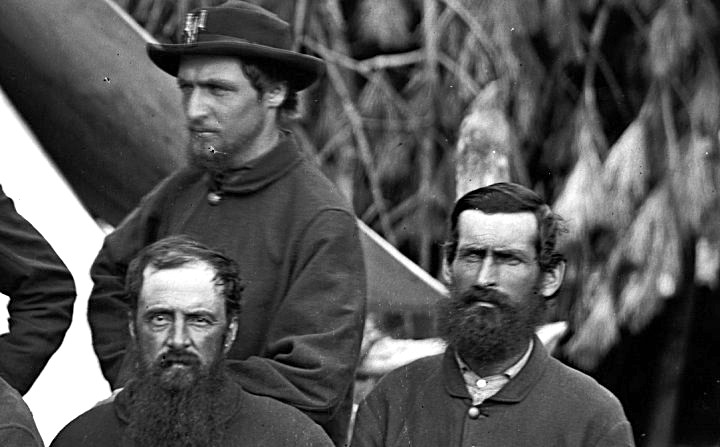
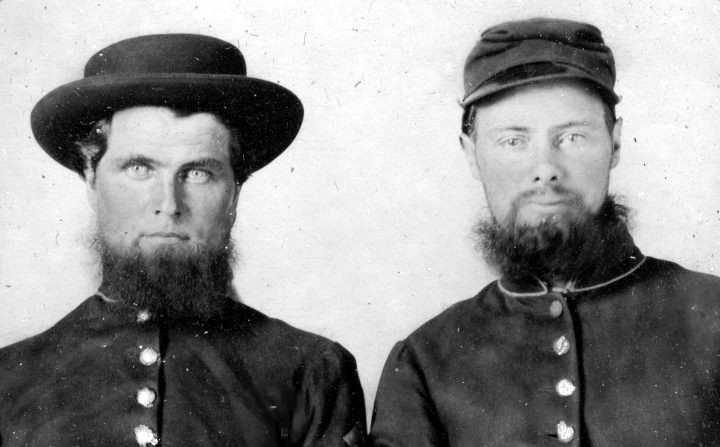
“That whole damned war business is about 999 parts diarrhea to one part glory.” The quote is on page 187 of Intimate with Walt – Selections from Whitman’s Conversations with Horace Traubel, 1882-1892. Pictures today are from The Library of Congress


 Chamblee54
leave a comment