Judgement Day


Judgement Day (with an e) is the story of Tanner. He is staying with his daughter in New York City, until his body can be shipped back to Corinth GA. JD is the last story in Everything That Rises Must Converge, a book of short stories by Mary Flannery O’Connor.
The modern reader does not appreciate MFO’s racial attitudes. She writes about what Lester Maddox called “little people.” Tanner is described, with some justification, as a “wool-hat red-neck son-of-a-bitch peckerwood old bastard.” Never mind that Tanner shares his Georgia shack with Coleman Parrum, a black man.
Tanner uses a 6 letter word (6LW) to describe Coleman, and people who look like him. 6LW appears 31 times in JD. In 2023, I am strongly encouraged to not see, hear, speak, smell, taste, or feel 6LW, and feel morbid shame if I do. Unfortunately, I wind up reading JD, where 6LW appears 31 times in 7852 words (.39%). After a while, 6LW becomes boring.
JD drags along at first. Many MFO stories take a while to get going. The fun starts when a black man moves into the apartment next door. Tanner decides to make friends with him.
“This time Tanner advanced squarely in his path. “Good morning, Preacher,” he said. It had been his experience that if a Negro tended to be sullen, this title usually cleared up his expression.
The Negro stopped abruptly.
“I seen you move in,” Tanner said. “I ain’t been up here long myself. It ain’t much of a place if you ask me. I reckon you wish you were back in South Alabama.”
The Negro did not take a step or answer. His eyes began to move. They moved from the top of the black hat, down to the collarless blue shirt, neatly buttoned at the neck, down the faded galluses to the gray trousers and the high-top shoes and up again, very slowly, while some unfathomable dead-cold rage seemed to stiffen and shrink him.
“I thought you might know somewhere around here we could find us a pond, Preacher,” Tanner said in a voice growing thinner but still with considerable hope in it.
A seething noise came out of the Negro before he spoke. “I’m not from South Alabama,” he said in a breathless wheezing voice. “I’m from New York City. And I’m not no preacher! I’m an actor.”
Tanner chortled. “It’s a little actor in most preachers, ain’t it?” he said and winked. “I reckon you just preach on the side.”
“I don’t preach!” the Negro cried and rushed past him as if a swarm of bees had suddenly come down on him out of nowhere. He dashed down the stairs and was gone.
Tanner stood here for some time before he went back in the apartment. The rest of the day he sat in his chair and debated whether he would have one more try at making friends with him. Every time he heard a noise on the stairs he went to the door and looked out, but the Negro did not return until late in the afternoon. Tanner was standing in the hall waiting for him when he reached the top of the stairs. “Good evening, preacher,” he said, forgetting that the Negro called himself an actor.
The Negro stopped and gripped the banister rail. A tremor racked him from his head to his crotch. Then he began to come forward slowly. When he was close enough he lunged and grasped Tanner by both shoulders. “I don’t take no crap,” he whispered, “off no wool-hat red-neck son-of-a-bitch peckerwood old bastard like you.” He caught his breath. And then his voice came out in the sound of an exasperation so profound that it rocked on the verge of a laugh. It was high and, piercing and weak, “And I’m not no preacher! I’m not even no Christian. I don’t believe that crap. There ain’t no Jesus and there ain’t no God.”
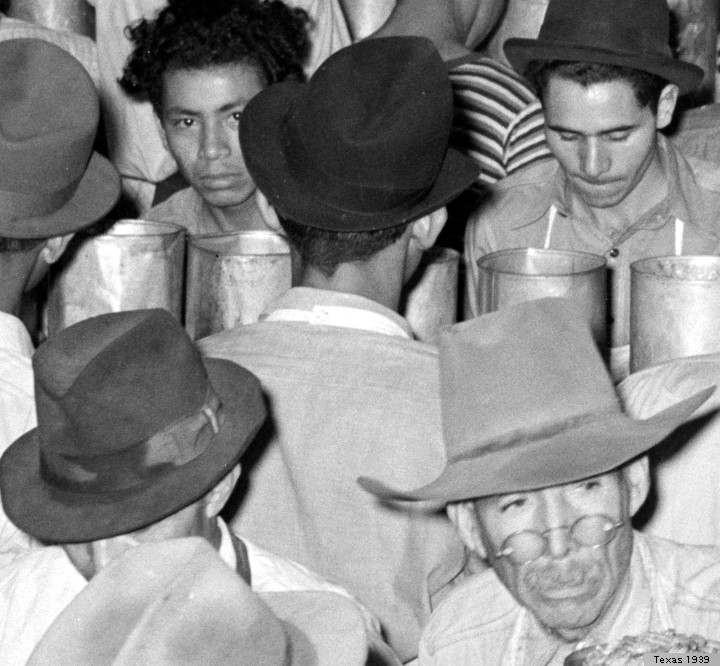
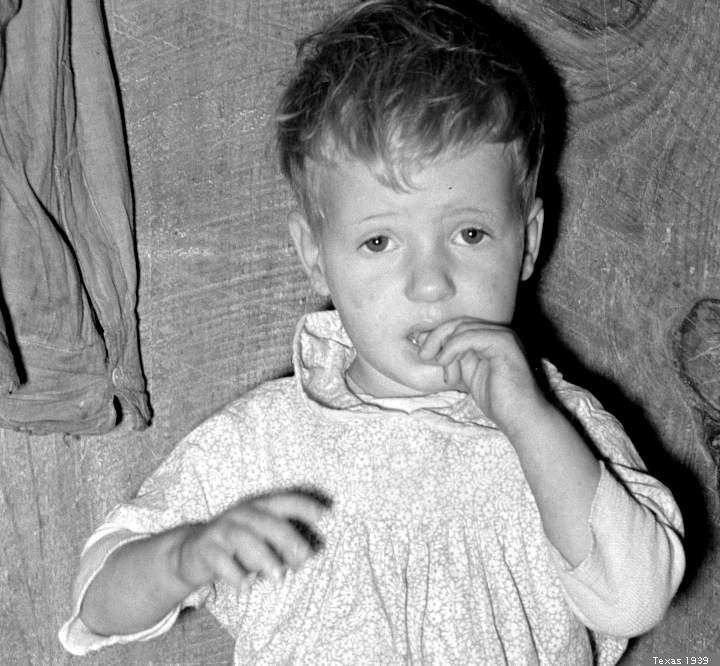
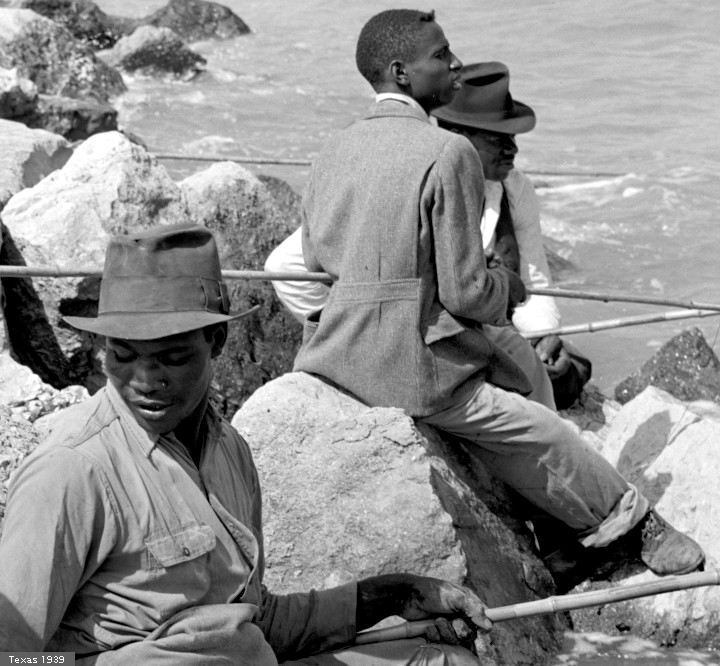
JD does not have a happy ending. Pictures today are from The Library of Congress.


 Chamblee54
leave a comment