Julian Carr And Silent Sam

A Confederate monument was torn down last night in Chapel Hill NC. The statue, known as “Silent Sam,” was intended as a monument to students who left school to fight in the War Between the States. “In 1913, the Daughters of Confederacy, after four years of fundraising, paid sculptor John Wilson, a Canadian, $7500 for the statue. Wilson used a Boston-man, Harold Langlois, as the model. It’s unclear, however, if those attending Silent Sam’s dedication knew they were celebrating a Yankee’s profile. Silent Sam was among many “Silent Sentinels,” – statues of soldiers without cartridge box, soldiers who could no longer fire a shot – that were manufactured and bronzed in the North and then sent down south for public display. Many of these statues look remarkably similar. Like Silent Sam, they also face north, toward the Union.” This is a repost.
Many of the comments today quote a speech made at the 1913 unveiling. The speech was by Julian Carr, a prominent businessman and philanthropist. Mr. Carr is considered, with some justification, to have been a white supremacist. A Confederate veteran, Mr. Carr appears to have been a complex man, who did both good and harm.
This tweet is typical of today’s discourse. @jjones9 “From white supremacist Julian Carr’s speech at the dedication of Silent Sam in 1913.” The tweet features a screen shot, of a quote from the 1913 speech. “I trust I may be pardoned for one allusion, howbeit it is rather personal. One hundred yards from where we stand, less than ninety days perhaps after my return from Appomattox, I horse-whipped a negro wench until her skirts hung in shreds, because upon the streets of this quiet village she had publicly insulted and maligned a Southern lady, and then rushed for protection to these University buildings where was stationed a garrison of 100 Federal soldiers. I performed the pleasing duty in the immediate presence of the entire garrison, and for thirty nights afterwards slept with a double-barrel shot gun under my head.”
What was the rest of the speech? A bit of research turned up a transcript, Julian S. Carr, “Unveiling of Confederate Monument at University. June 2, 1913.” The rest of the speech has little in common with the “one allusion.” The speech sounded like the memorials to fallen soldiers in many other wars. “They served, they suffered, they endured, they fought, [and died – crossed out] for their childhood homes, their firesides, the honor of their ancestors, their loved ones, their own native land.”
Mr. Carr’s theme is defense of a the homeland. When the War broke out, the concept of a United States, ruled by a strong federal government, was less accepted than it is today. Many people in the South saw it as a failed experiment. Slavery was an important issue in the decision to secede, along with economic matters that do not get twenty first century people worked up. Slavery is not mentioned in the 1913 speech.
“Of the students and alumni of the University of North Carolina, about 1800 entered the Confederate army … . The University had in the service 1 lieutenant-general, 4 major-generals, 13 brigadier-[page break 8] generals, 71 colonels, 30 lieutenant-colonels, 65 majors, 46 adjutants, 71 surgeons, 254 captains, 161 lieutenants, 38 non-commissioned officers and about 1000 privates. I regard it as eminently appropriate to refer briefly at his point to the magnificent showing made by our state in the military service of the Confederacy. … The entire Confederate loss on the battlefield was 74,524, of which North Carolina’s share was 19,673, or more than one-fourth; 59, 297 died of disease, and of these, 20,602 were North Carolinians.”
“And I dare to affirm this day, that if every State of the South had done what North Carolina did without a murmer [sic], always faithful to its duty whatever the groans of the victims, there never would have been an Appomatox[sic]; Grant would have followed Meade and Pope; Burnside, Hooker, McDowell and McClellan, and the political geography of America would have been re-written.”
There are three other noteworthy quotes in the speech. “Even the great Northern universities – Harvard, Yale and Princeton – furnished quotas of soldiers for the Confederate ranks. From Harvard came 257, of whom 58 were killed in battle and 12 died in the service, and in this large list appear 8 brigadier-generals and 5 major-generals. Of the graduates and students of Yale, 48 entered the Confederate service, and of these 8 were killed in battle or succumbed to disease. At Princeton 55 men left the University, early in 1861, to enter the Confederate service, and from the somewhat incomplete records of that University it appears that a considerable percentage of these young men were killed in battle, or died from disease.”
“Permit me to refer at this point to a pleasing incident in which that distinguished son of the South, Woodrow Wilson, President of the United States, had the leading part. A year or two ago diplomas were given by our University to all the students who had interrupted their studies to enter the military service of the Confederacy. Mr. Wilson, then President of Princeton University delivered these diplomas. One man only of the Class [handwritten – that Matriculated in 1862] wearing the Confederate uniform, came forward to receive that highly prized token. It was the humble individual who now addresses you. At the dinner, later in the day, Professor Wilson greeted me with the remark that in many years nothing had so much touched and warmed his heart as the sight of that Confederate uniform.”
The speech went on and on, and sounded much like any other memorial. Once again, it should be noted that defense of the homeland received much more notice than a defense of slavery. The speech ended with these words: “In the knowledge of subsequent developments, the progress, peace and prosperity of our united, common country, victor and vanquished now alike believe that in the Providence of God it was right and well that the issue was determined as it was. And the people of all sections of our great Republic, moved by the impulse of sincere and zealous loyalty, of fervent and exalted patriotism may say: “All is well that ends well.”
“Again, dear Daughters of the Confederacy, I thank you in the name of the eighteen hundred brave, loyal, patriotic, home-loving young student soldiers who went out from this grand old University to battle for our Southern rights and Southern liberties, five hundred of whom never came back. God bless every one of you, and every Daughter of the Confederacy in our dear Southland.”
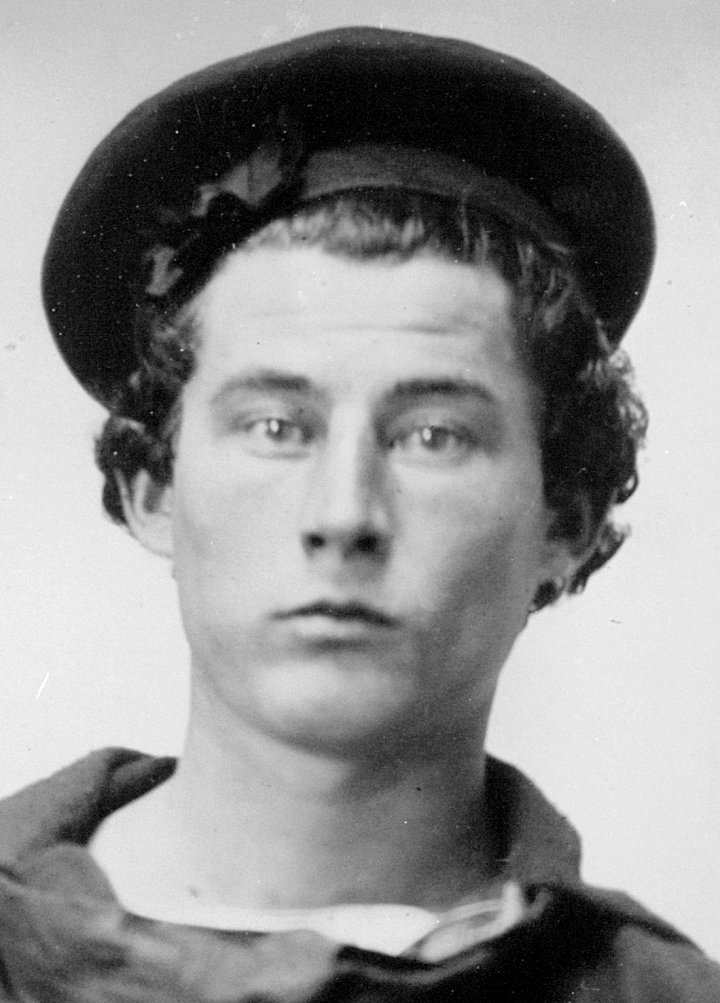
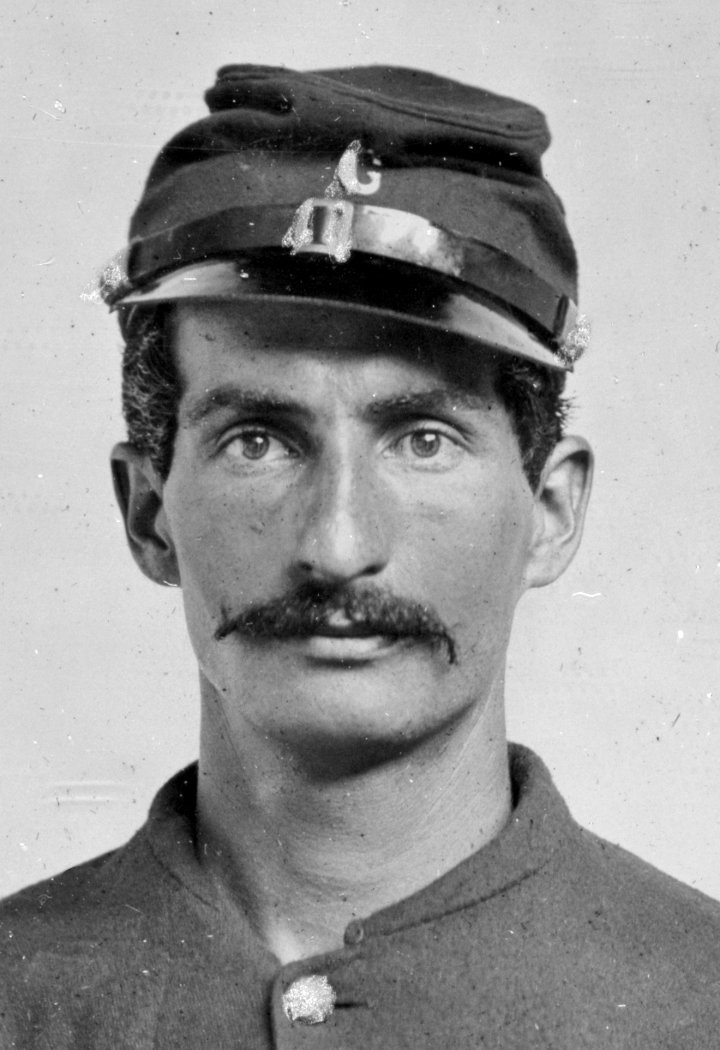
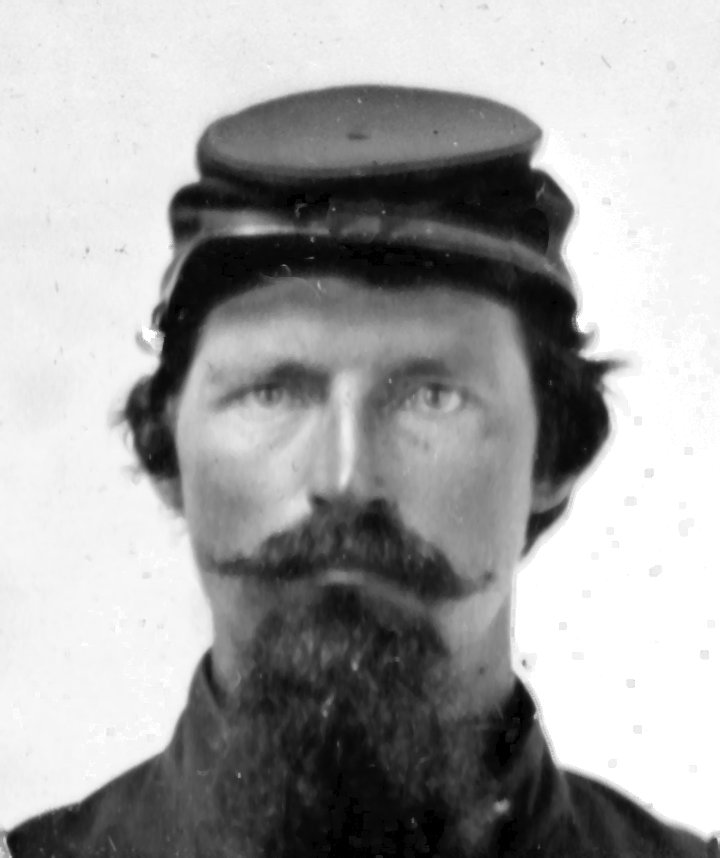
Pictures today are from The Library of Congress.


 Chamblee54
leave a comment