Walt Whitman 2019





WORD over all, beautiful as the sky!
Beautiful that war, and all its deeds of carnage, must in time be utterly lost;
That the hands of the sisters Death and Night,
incessantly softly wash again, and ever again, this soil’d world:
…For my enemy is dead—a man divine as myself is dead;
I look where he lies, white-faced and still, in the coffin—I draw near;
I bend down and touch lightly with my lips the white face in the coffin.
Reconciliation was written by Walt Whitman. During the War Between the States, Mr. Whitman served as a volunteer nurse in Washington DC hospitals. That hospital was full of the human cost of war. Mr. Whitman looked past the so-called causes … slavery, states rights, banker profits … and saw the price paid, by the men who fought.
“In 1862, Whitman received word that his brother George had been wounded at the Battle of Fredericksburg. During the worst, he traveled down to the Virginia battle site. Much to Whitman’s relief, he found that his brother had sustained only minor injuries. While he was there, Whitman was moved by an especially brutal scene. … He records a dramatic moment where he’s standing in front of this field hospital and sees at the foot of two trees a pile of amputated limbs. He says, “A full load for a one horse cart.” And these are limbs that had been thrown out the windows of the surgery in the haste of the battle and the emergencies.”
It is now 2019. The 200th birthday of Mr. Whitman was a few days ago. In recent years, the conflict of 1861-1865 has been opened up to another round of debate. Mr. Whitman, and Reconciliation, have not been left out. “Here, Whitman suggests the reunion of the nation, men on opposite sides of the war drawn together beneath the banner of reconciliation. However, in the final image of the dead, “white-faced” in the coffin, Whitman leaves out the reality of so many dead soldiers whose faces were not white. And further, according to historian David Blight, the poem highlights—in the “kinship” of the dead white brothers—“the ultimate betrayal of the dark-faced folk whom the dead had shared in liberating.” This kind of erasure would continue to dominate Civil War memory as monuments to only part of the story inscribed a narrative on the American landscape—particularly in the South.”
Walt Whitman has emerged as a type of Jesus figure. His words are analyzed 150 years later, looking to find a meaning that pleases 2019 America. At least Mr. Whitman left a written record, in english. As we will see in a few paragraphs, this does not prevent him from being misrepresented.
“Song of Ourselves? Walt Whitman and the American Imagination” is a podcast, and the primary inspiration for this post. The show talks about Mr. Whitman living in Brooklyn before the War, and how he came to be involved in that conflict. It also tries to be “woke”.
“We know in recent years, people have criticized the Confederate memorials as a kind of false attempt at reconciliation, as a kind of shallow reconciliation over the lives of African American people. How would Whitman’s ideas of reconciliation differ from those ideas of reconciliation we see in the Lost Cause?” The answers are not as obvious as some would hope.
“He was an anti-extentionist. He opposed the extension of slavery into the western territories. But he was more concerned about preventing the spread of slavery than really getting rid of it. … He denounced the proslavery southern fire eaters, but he also called abolitionists red hot fanatics. They were the angry voiced silly set, he described them. And at the same time, right, so he took that kind of stance at the time and he did not believe that African Americans were capable of exercising the vote, right? So that’s part of his story.”
Later on in the show, the hosts talk about walking into a hotel room, and seeing a framed quote, “Be curious, not judgmental.” I was curious about the context, and did a little digging. There are plenty of meme-mongers merchandising this quote in four-color glory. This does not answer the question … how did Walt Whitman come to say this?
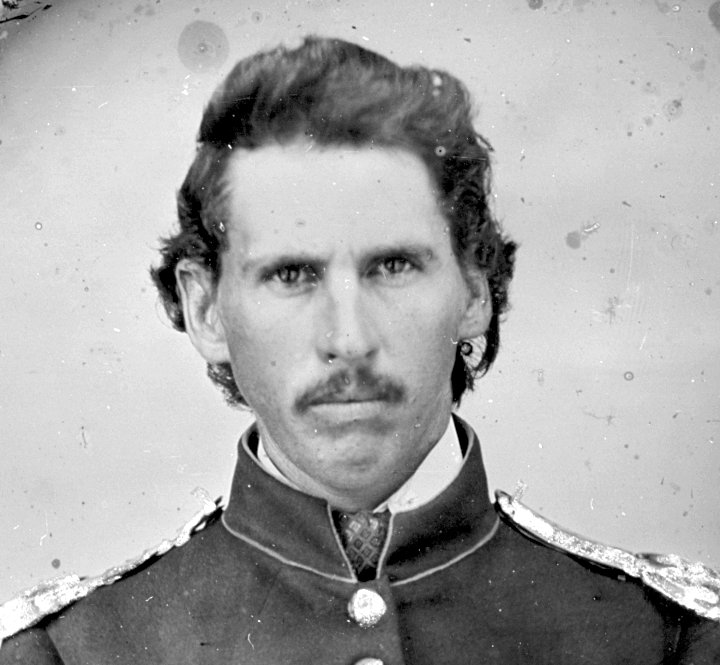
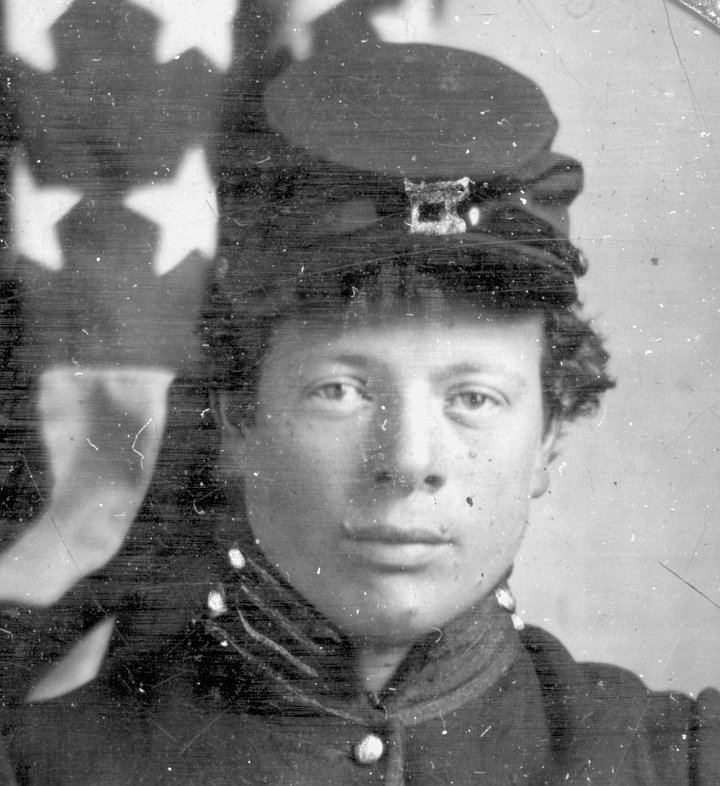
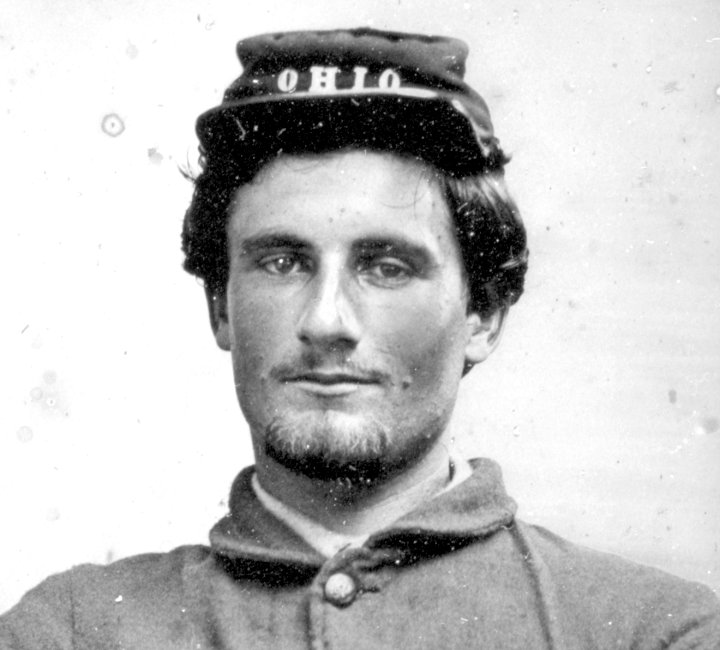
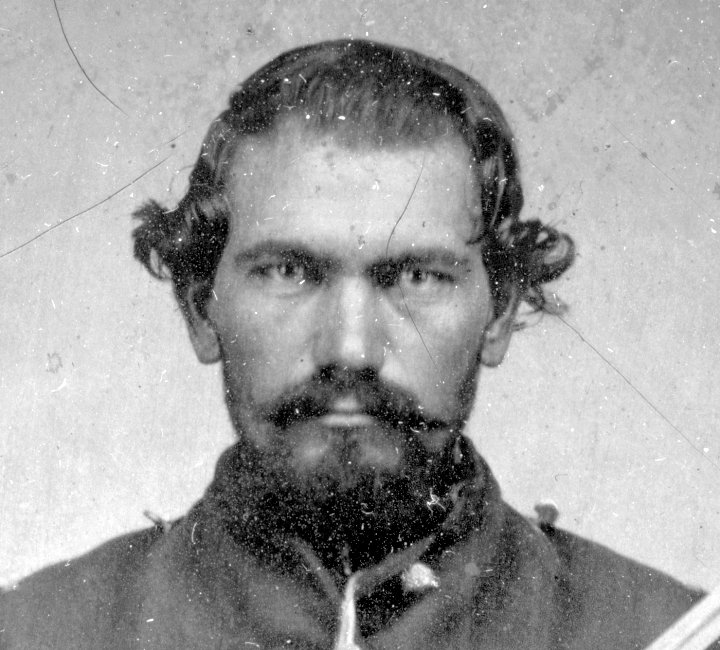
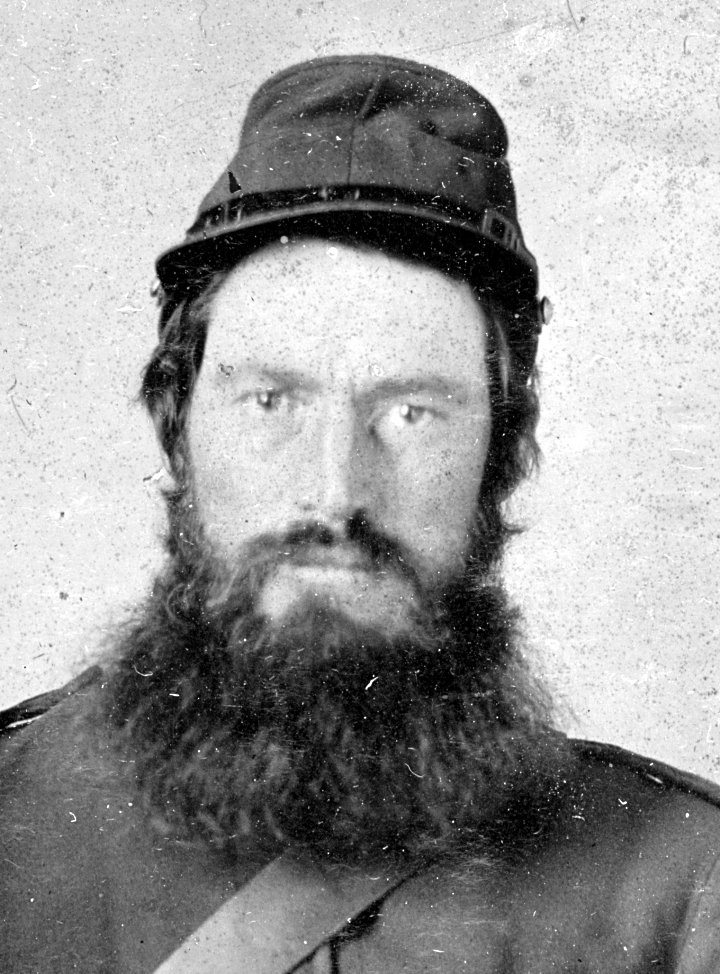
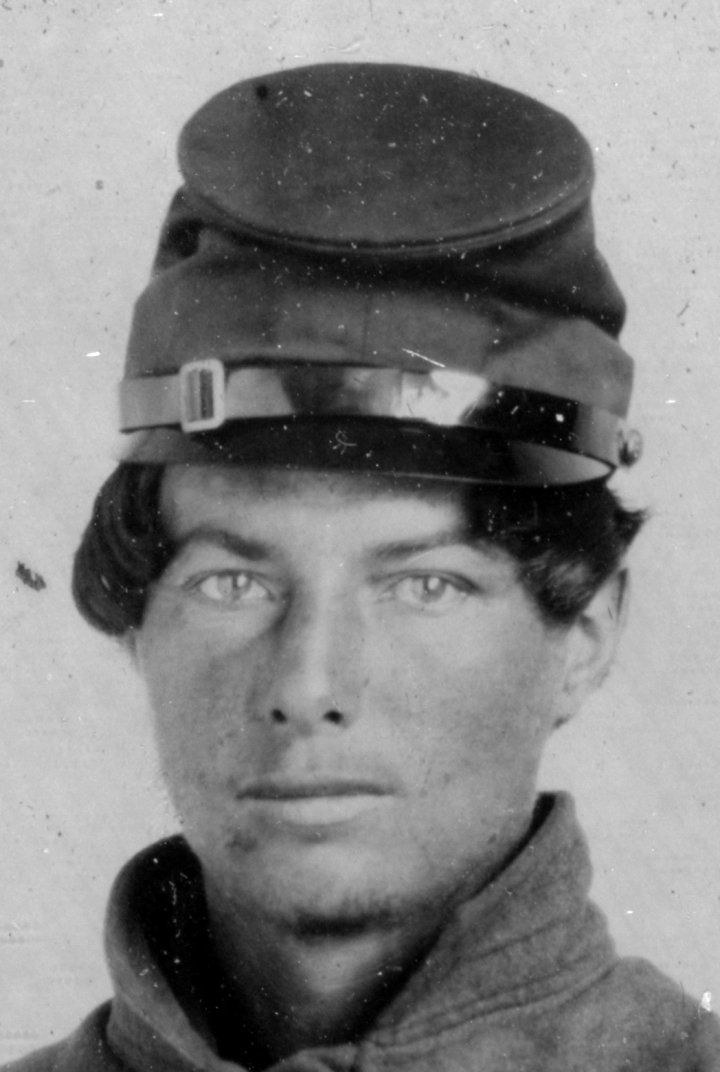
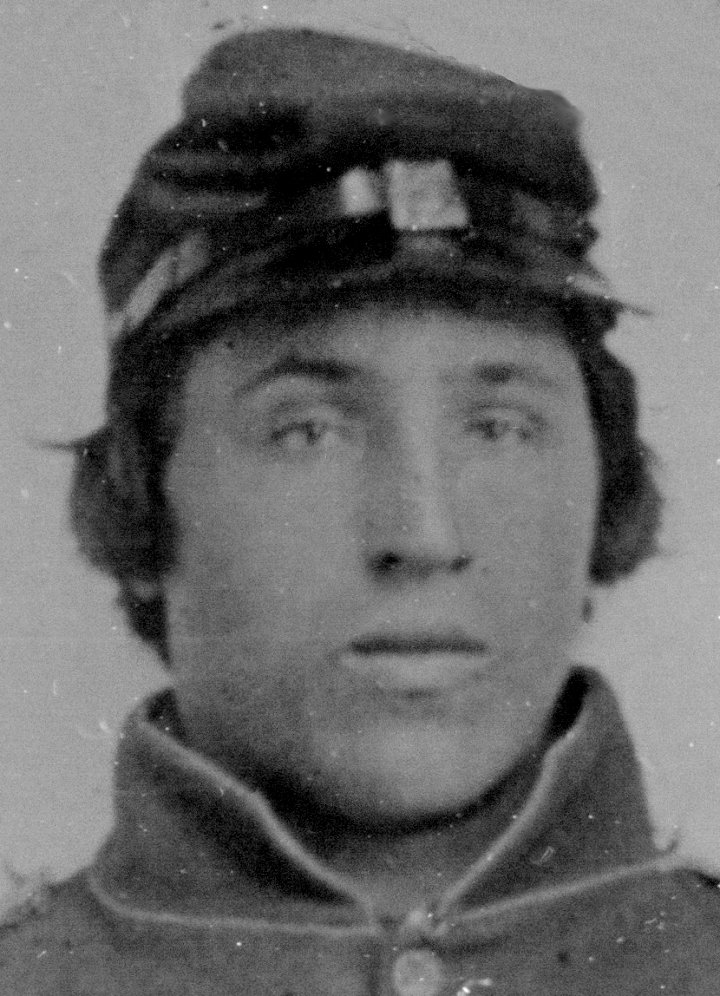
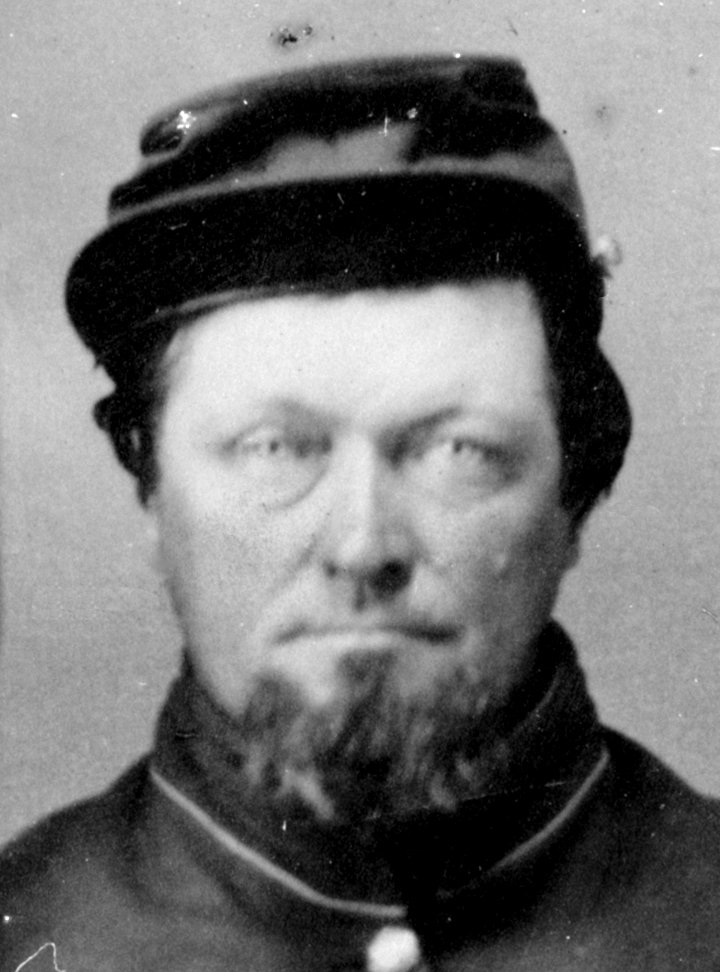
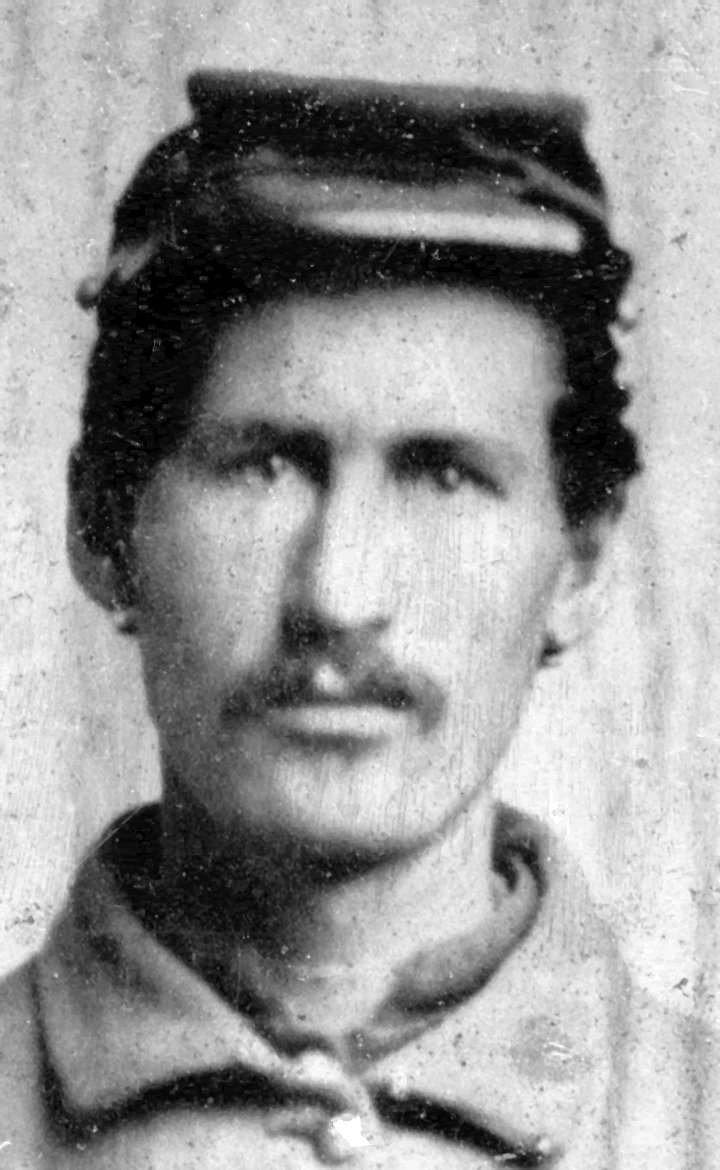
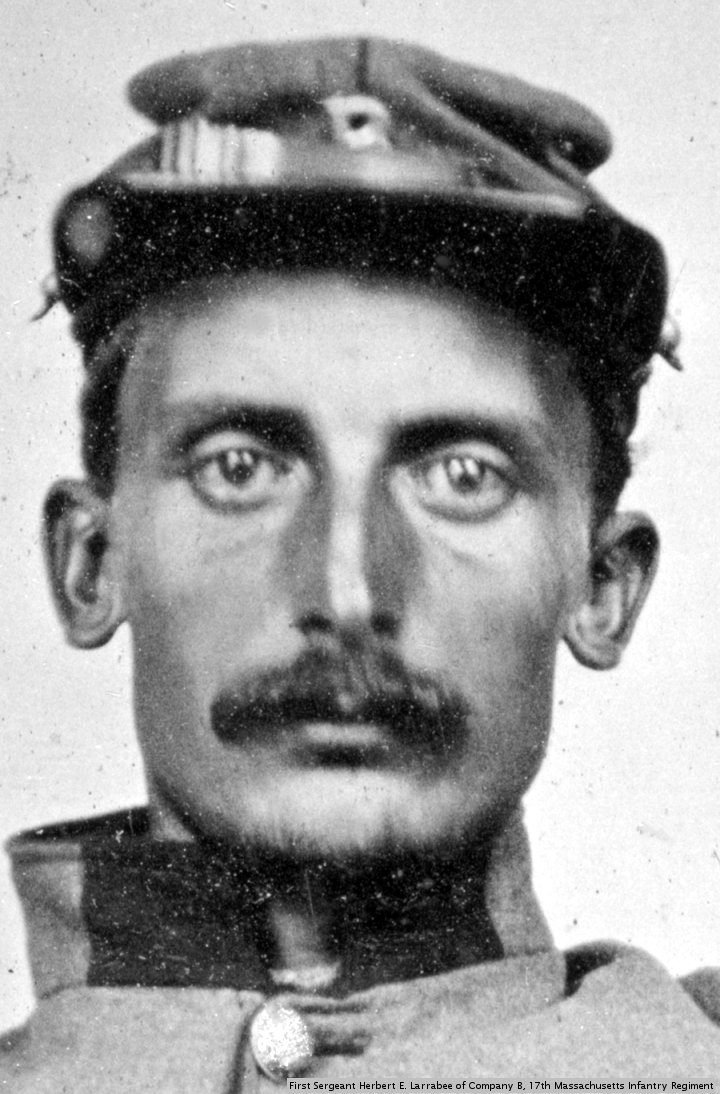
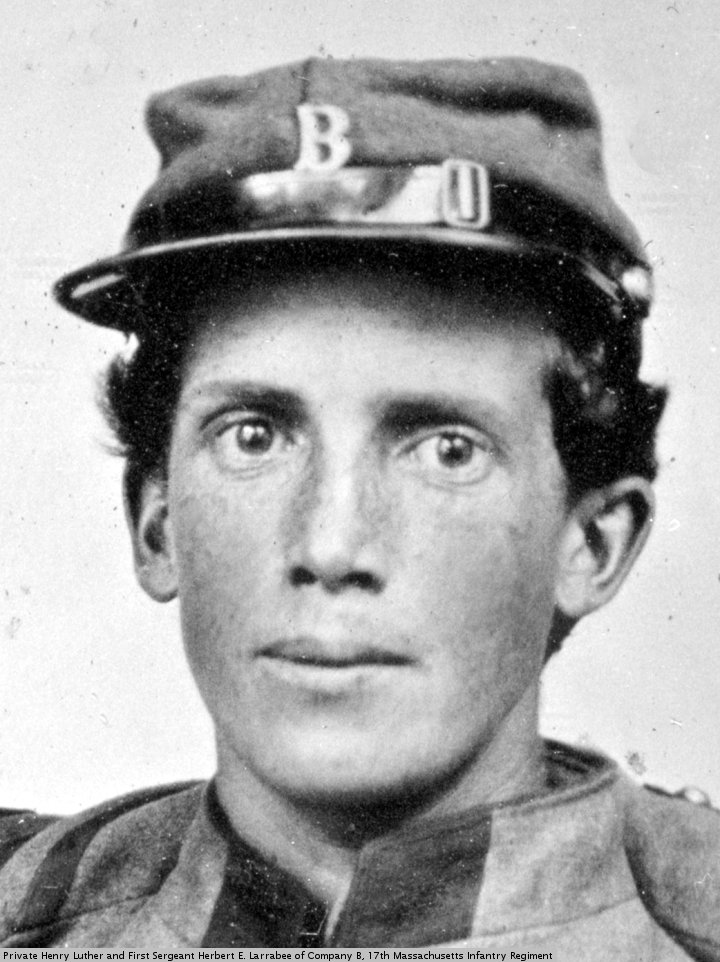
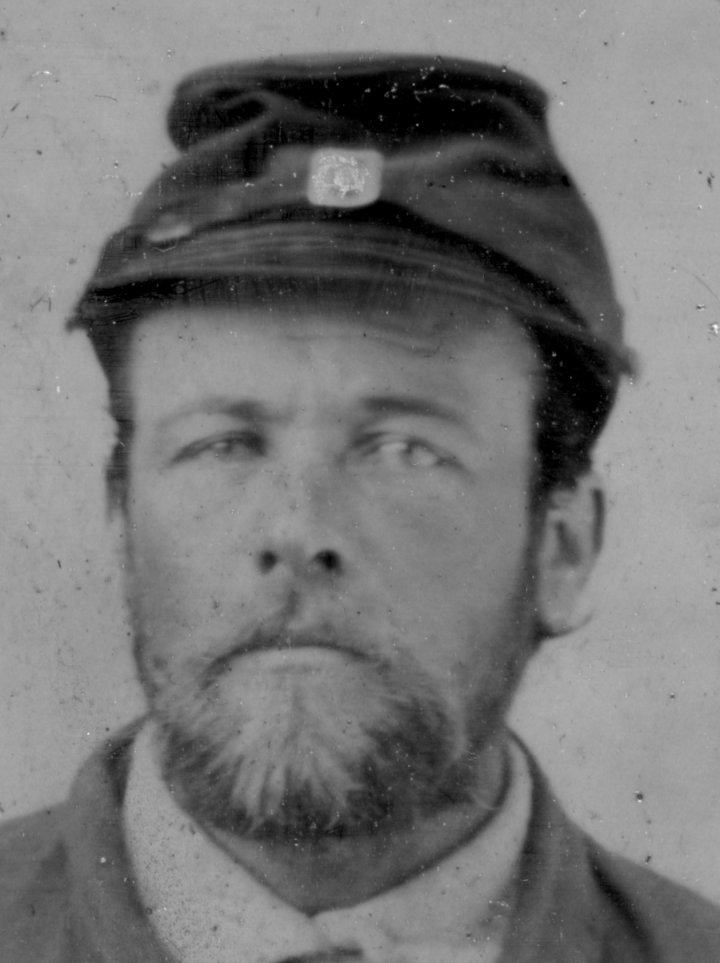
Wikiquotes lists “Be curious not judgemental” as Disputed. “While consistently attributed to Whitman, this popular motivational quote has no source. It is occasionally listed as occurring in Leaves of Grass, but the closest phrase found in that collection is “Be not curious about God.” Pictures today are from The Library of Congress.





 Chamblee54
leave a comment