Acronyms


PG was cruising the internet, minding his own business, when he saw the initials HSAT. He was puzzled, but knew that uncle google could help. 0.28 seconds later, PG was looking at Healthy School Action Tools and Hazardous Substances Academic Training. Sensing that these were incorrect, politically and otherwise, our fearless scribe clicked on the third choice, Acronym Finder. One of the five options was Having Said All That , which fits the context of the inital HSAT.
About this time the idea light bulb went off over PG’s head…why not do a post about acronyms? With a tsunami of text flooding our capacity, acronyms help certain phrases to stand out. It can be a way to make a statement with ease, like saying TMI after hearing something you did not need to hear. Acronyms are short, and brevity is the soul of wit.
A popular misuse of acronyms is what wikipedia calls false etymology. A popular cussword does NOT mean “for unlawful carnal knowledge”. According to snopes , the urban mythbuster, acronyms are largely a twentieth century phenomenon.
Two military phrases from World War Two, snafu and fubar, are credited as being among the first acronyms to become popular. (The link for this detail no longer works.) They might be obsolete. DOD Dictionary of Military Terms does not include snafu and fubar.
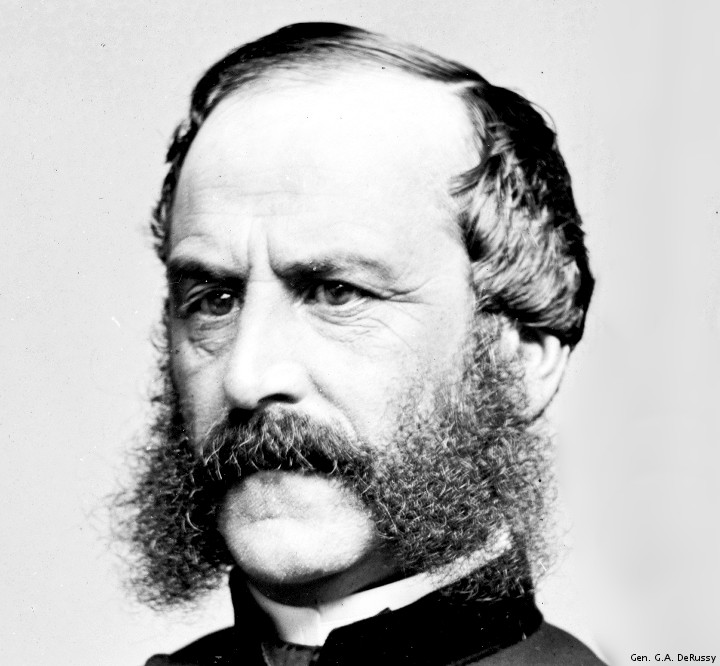
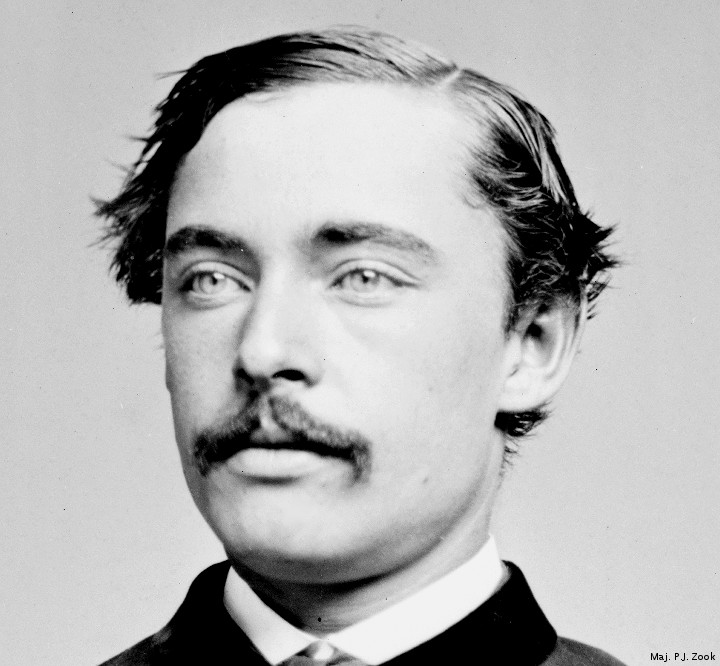
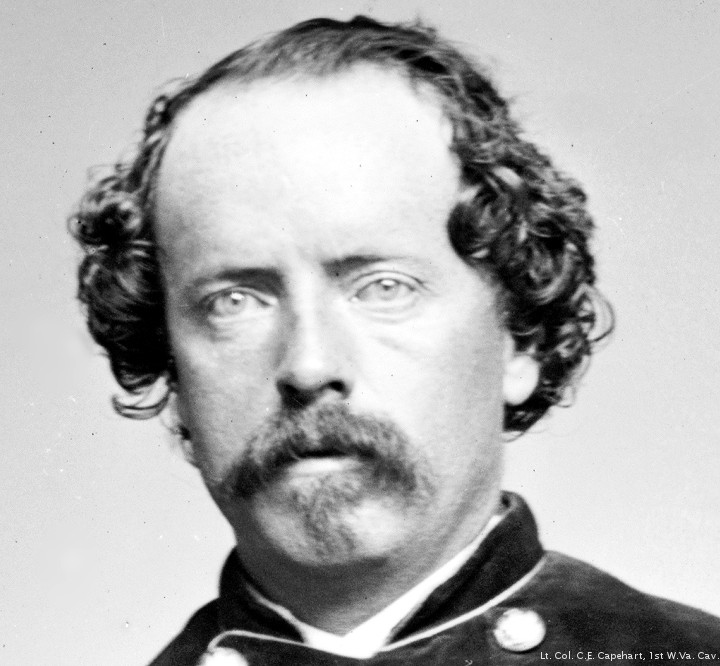
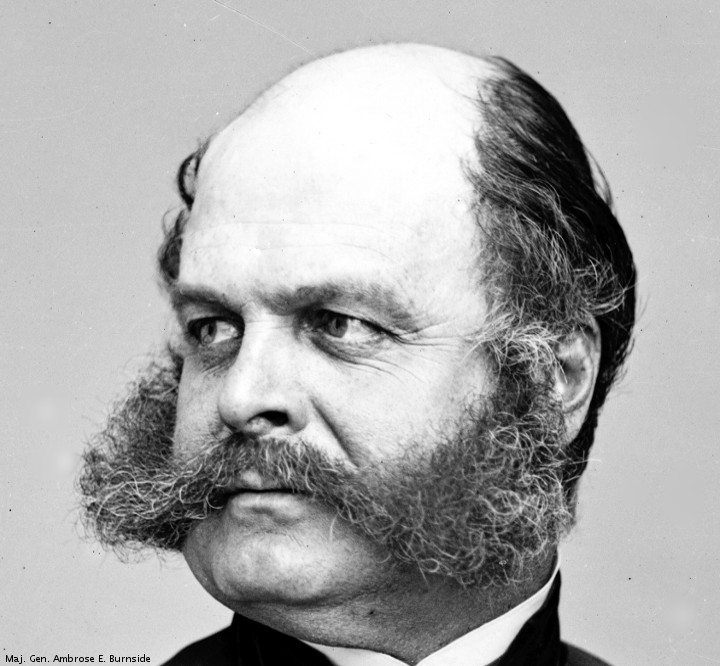
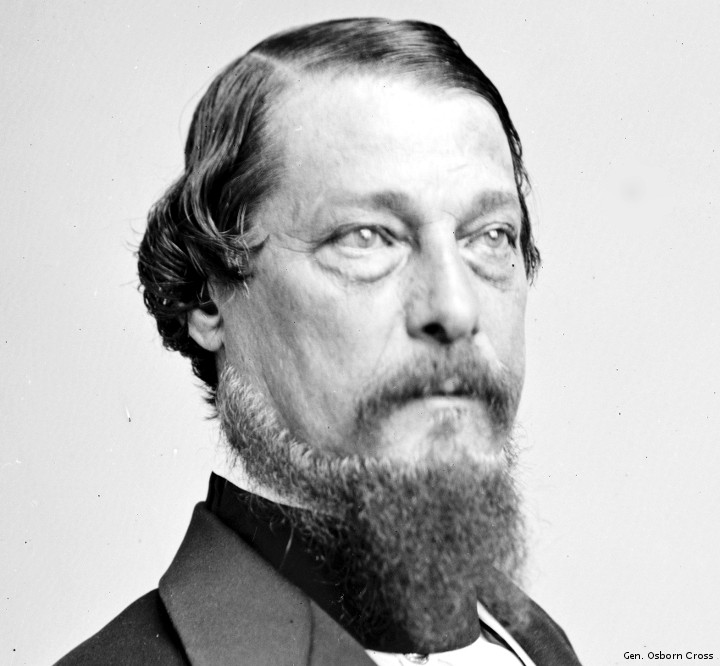
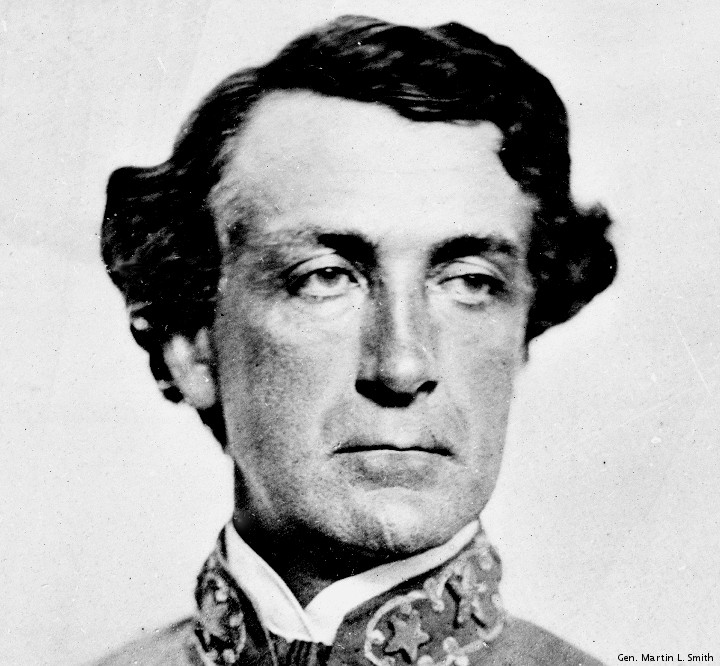
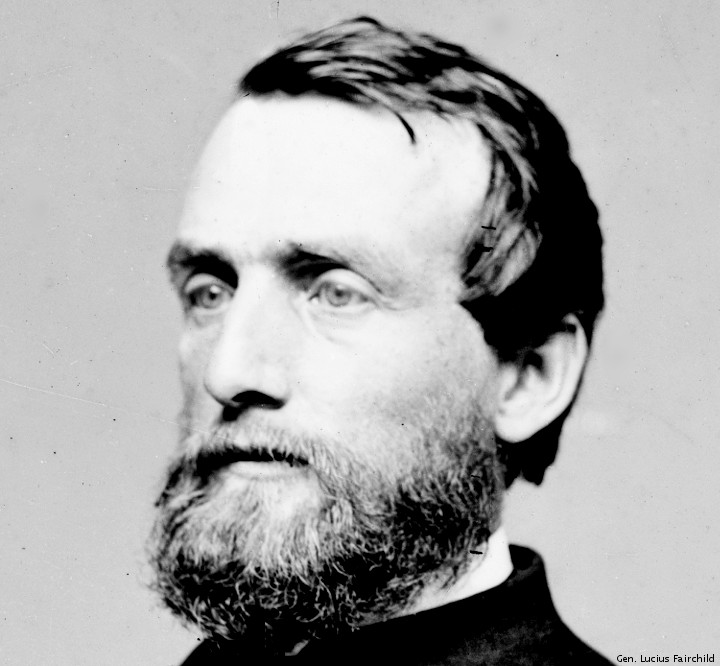
This is a repost, with pictures from The Library of Congress. When you recycle a post from 2011, most of the links have gone bad. Webster’s Dictionary is now Merriam-Webster. When you look up acronyms, you find this: What’s an Initialism? “‘UNICEF’ is an acronym. ‘ACLU’ is an initialism. Why?” This is getting to be complicated. If you want to know about initialisms and acronyms, follow the link. You are responsible for any brain damage.

 Chamblee54
leave a comment