The Xanadu Effect


99 percent invisible put up a dandy show recently. The title of the show was “The Xanadu Effect”, which was such a cool title that it was borrowed for this post. It was based on an article by Edward Tenner, with the same title.
The concept is that big, showy buildings tend to turn up in the latter stages of building cycles. The buildings are planned during the boom years, when it seems like the party will never stop. They are finished after the crash, and often wait until the next boom to gain tenants. The Empire State Building was conceived during the prosperity of the Twenties. It was finished during the depression, and was known as the empty state building. In Atlanta, the joke was about the Biltmore hotel … it was too big, they built more than they could use.
The article by Mr. Tenner was published February 19, 2001. One of his examples was the World Trade Center. “The pattern: Giant buildings go up, markets go down. The energy crisis and speculative fever of the early 1970s saw the World Trade Center (1972-1973) and Sears Tower (1974).” A few months later, the markets went down, and the World Trade Center went down.
Sometimes you need to take a long view of these things. Mr. Tenner’s article begins with the opening of The Market Site tower, with the largest sign in Times Square. Soon after this sign was lit, the technology stock boom crashed. That was twelve years ago. Today, the NASDAQ sign is a New York icon, and how are you reading this post?
The producer of the 99PI feature lived in Dallas during the good times. This post is written 4km outside of Atlanta GA, another example of capitalist construction run amok. PG used to work printing building plans, which means working for the emperor’s tailor. In 1990, he was redo blue’s representative in the office of John Portman Associates. At the time, JPA was building a sixty story tower, then called One Peachtree Center. The creditors were getting nervous, and there were many worried people in the office. This building was seen by many as a reckless move. The economic doldrums of the time did not help.
Atlanta has seen a few boom and bust cycles. While building the original Peachtree Center complex, a dinner theater was built in the courtyard. When PG worked in the JPA office, it was located in the former dinner theater. The auditorium was a room for the architects. The dressing rooms, with makeup mirrors, were used as storage rooms office supplies.
The name Xanadu comes from “Citizen Kane”. The real life Kane, William Randolph Hearst, started an enormous castle in California. It drained resources, which became a problem during the depression. In an ironic touch, Mr. Kane sold a chunk of land to the US Government, providing the location for Fort Hunter Liggett. The castle is a popular tourist attraction today.
Mr. Hearst was a larger than life figure. “However, he still retained enough clout with his remaining newspapers (and their ability to publicize movies) in the early 1940s to make life miserable for Orson Welles after the supreme insult of his roman a clef Citizen Kane (1941). Allegedly, Hearst wasn’t so much incensed at Welles as he was at Mankiewicz, a friend who had betrayed his secrets. (“Rosebud,” the name of the Charles Foster Kane’s childhood sled that supposedly is the key to his psychology but is actually a “McGuffin” around which to structure the movie’s plot, was allegedly Hearst’s nickname for (Marion) Davies’ private parts.)
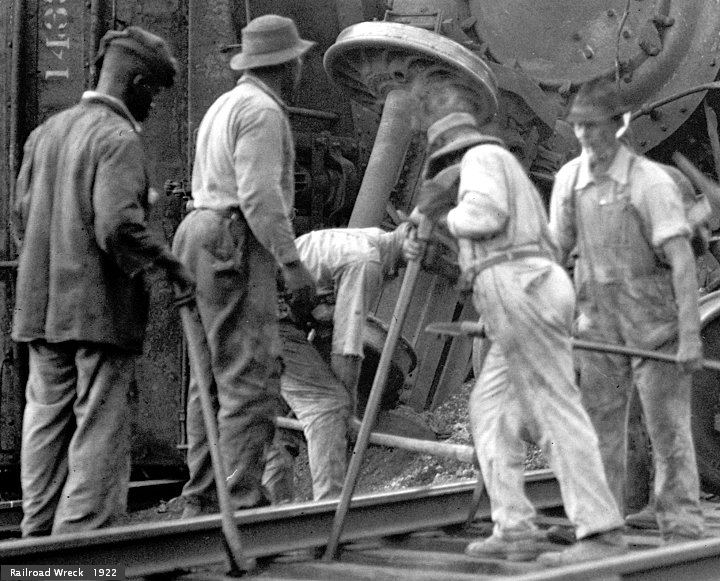
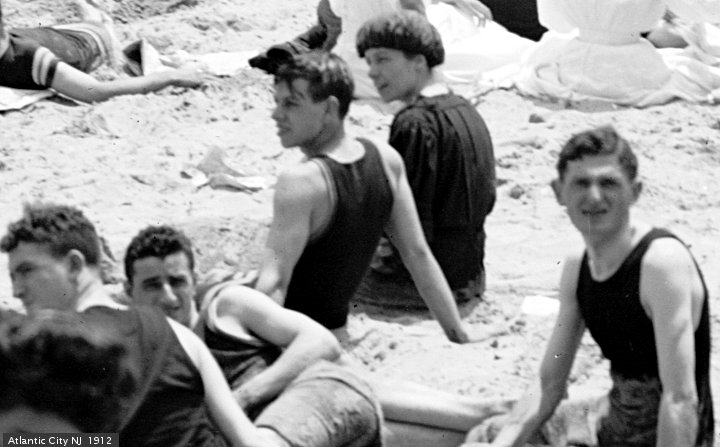
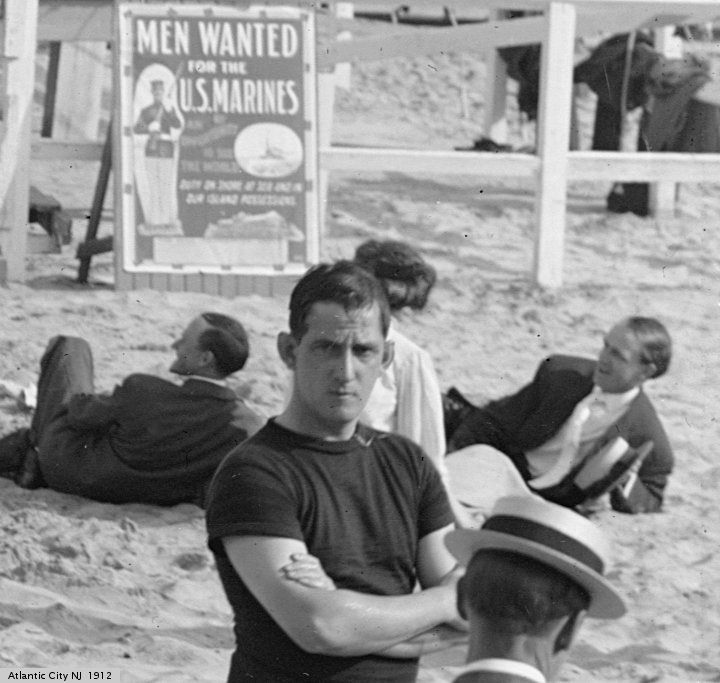
Pictures today are from The Library of Congress.



 Chamblee54
leave a comment