Hiroshima 66 Years Later





At 8:15 am, August 6, 1945, Hiroshima got nuked. It was the start of a new era. Since Japan is 13 hours ahead of Georgia, and standard time was used, the literal anniversary is 8:15 pm, August 5.
The device dropped on Hiroshima, the Little Boy, had an estimated force of 13 kilotons of Trinitrotoluene, or TNT. A kiloton of TNT is roughly a cube whose sides are ten meters. This device is fairly tiny compared to many of the warheads developed since. Many of the modern appliances are measured in megatons, or millions of tons of TNT. The Soviet Union had a bomb with a capacity of 50 megatons, or 4,000 times the size of the Little Boy.
The largest weapon tested by The United States is the Castle Bravo. This device destroyed Bikini Atoll in the Pacific. The two piece swimsuit was named for this island. The Castle Bravo device had a yield of 15 megatons of TNT. This is roughly 1,000 times the power of the Little Boy.
The decision to drop the bomb has long been controversial. There are a lot of factors and gray areas, and the issue does not lend itself to sound bite solutions. The conventional wisdom is that Japan surrendered because of the nuclear attack. This meant the war was shortened by at least a year, there was no invasion of Japan, and many lives were saved. PG is scared by the moral calculus involved in a decision like this….do 100,000 civilian deaths prevent the deaths of 500,000 soldiers? PG suspects that even G-d herself would lose sleep over that one.
There is also evidence that the bomb was not needed. Japan was whipped in August 1945. The air raids were conducted in daylight with little resistance. A debate was going on in the Japanese government on whether to continue the fight.
An event happened the day between Hiroshima, and Nagasaki, which influenced the Japanese decision to surrender. The Soviet Union had agreed to help the United States with the war against Japan. On August 8, The Soviet Union invaded Japanese occupied Manchuria. There are indications that Japan knew the fight was hopeless at this point, and would rather surrender to The United States than The Soviet Union. This is one of the gray areas that never seems to be mentioned, in debates over the use of the atom bomb.
The United States wanted the war to end quickly for obvious reasons, and a few subtle ones. America did not want to share the spoils of Japanese war with The Soviet Union. There were already tensions between the two allies, and the cold war was not far off. Many felt The United States used the Little Boy as a warning to The Soviet Union.
When you get your moral software out, you might want to figure in the effect of opening the nuclear Pandora’s box. Would the nuclear bomb have been developed by other countries if America had not led the way? The science is not that complicated…after all, America hit paydirt with the Manhattan Project fairly quickly. Nonetheless, there is karma involved in using a terrible new device on a civilian population. The United States started the wind of the arms race, and has yet to feel the whirlwind.
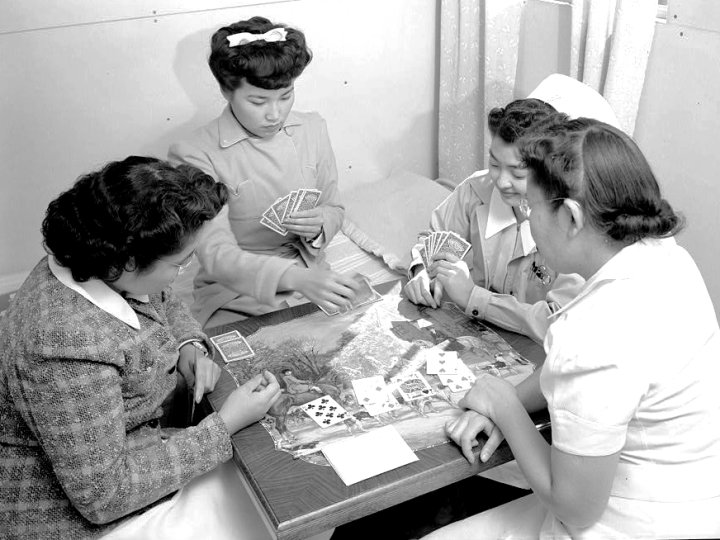
This is a repost from two years ago today. The pictures are from The Library of Congress. Ansel Adams took pictures of Japanese Americans, in a World War Two internment camp. The ladies in the bridge game are Aiko Hamaguchi, Chiye Yamanaki, Catherine Yamaguchi, and Kazoko Nagahama.


I Personally Believe Statistics
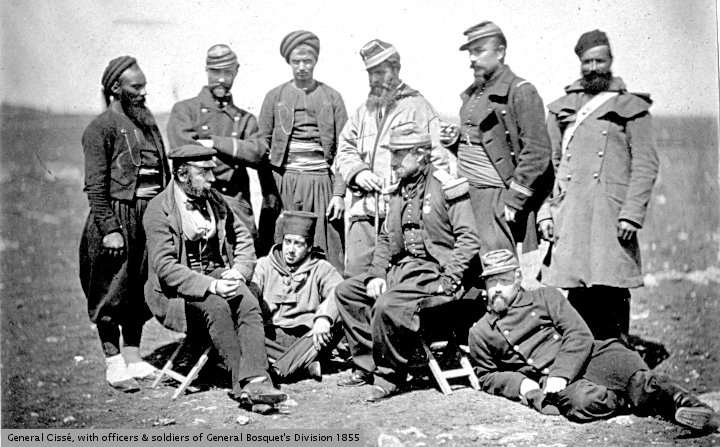
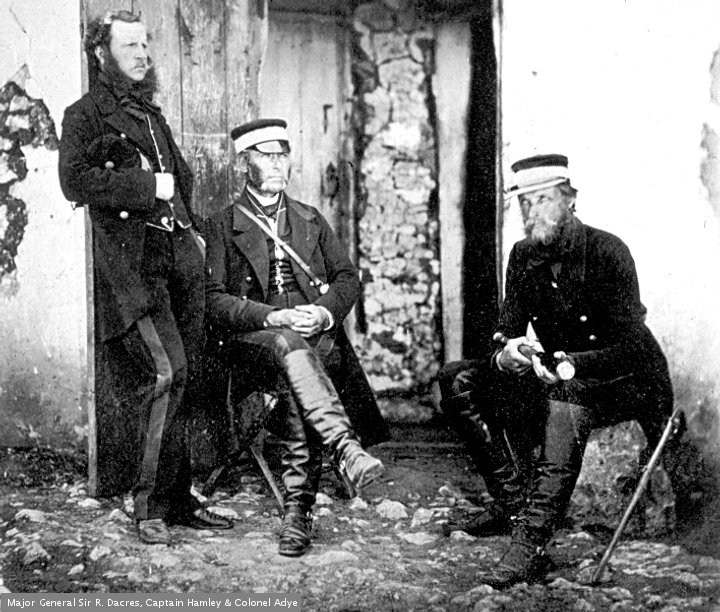
In a recent survey, 78.7% percent of the respondents agree with the statement “Statistics can be trusted to give an accurate description of the facts”.
Statistics are a part of modern life. Numbers tell us who is expected to win, who is expected to lose, and how many men wear a tie. Statistics are often misleading, or an outright lie. And yet, people believe statistics. ( The middle three letters of believe are lie).
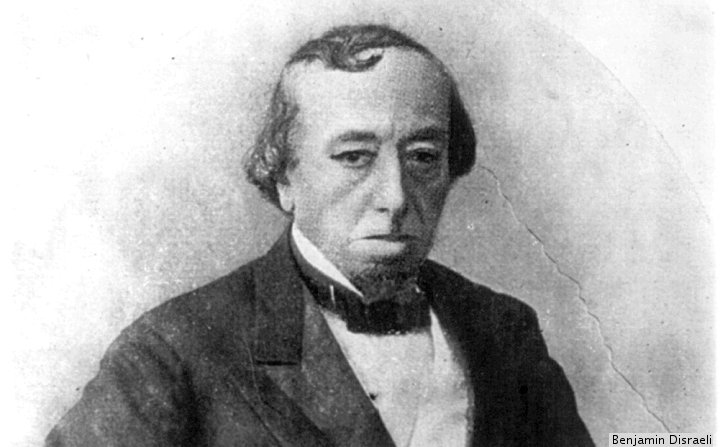
Talk about statistics is little better. Mark Twain gets the credit/blame for popularizing the phrase, “lies, damn lies, and statistics”. According to Wikipedia , Mr. Clemens may have been mistaken. “Twain popularized the saying in “Chapters from My Autobiography”, published in the North American Review in 1906. “Figures often beguile me,” he wrote, “particularly when I have the arranging of them myself; in which case the remark attributed to Disraeli would often apply with justice and force: ‘There are three kinds of lies: lies, damned lies, and statistics.'”…”The term was popularised in the United States by Mark Twain (among others), who attributed it to the 19th Century British Prime Minister Benjamin Disraeli (1804–1881): “There are three kinds of lies: lies, damned lies, and statistics.” However, the phrase is not found in any of Disraeli’s works and the earliest known appearances were years after his death.”
Mr. Twain was in the twilight of his career, and angry at aggressive militarism. Why would he would give credit/blame for a phrase to a conservative Prime Minister of England, dead twenty five years? Why would Cream title a popular LP “Disraeli Gears”?
When PG took English101, the teacher was an inspiring lady named Ann Peets. Between stories of Faulkner and comma splices, she contributed this gem. ” The best way to win an argument is to use statistics. The best way to use statistics is to make them up. ”
In 1954, a bestselling book came out, “How to Lie with Statistics .” The premise was that the pros knew the tricks, and the public has a right to self defense. There are numerous examples of the ways that you can lie with numbers just like you lie with words. Calculator lips don’t move.
One word to watch out for is average . The three most popular types are mean, median, and mode. Mean is the one most people think of as average…you add all the figures up, and divide by the number of entries. In median, you line up the entries in numeric value, and choose the entry in the middle. In mode, the number that the most entries identify with is the average. Any one of these three can be called average, and yet none might describe the typical entry.
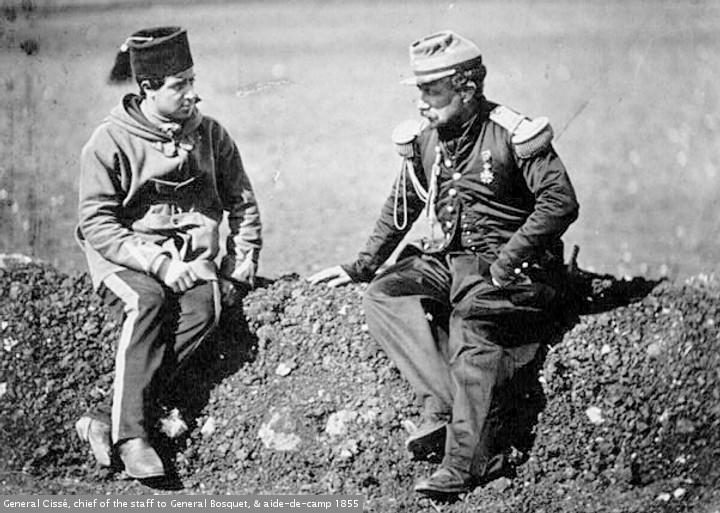
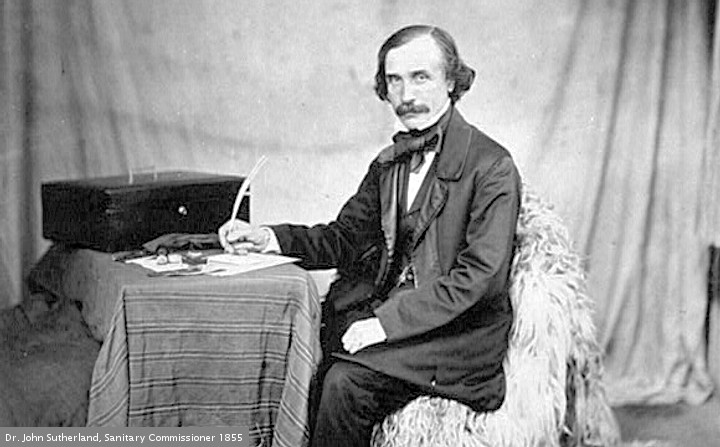
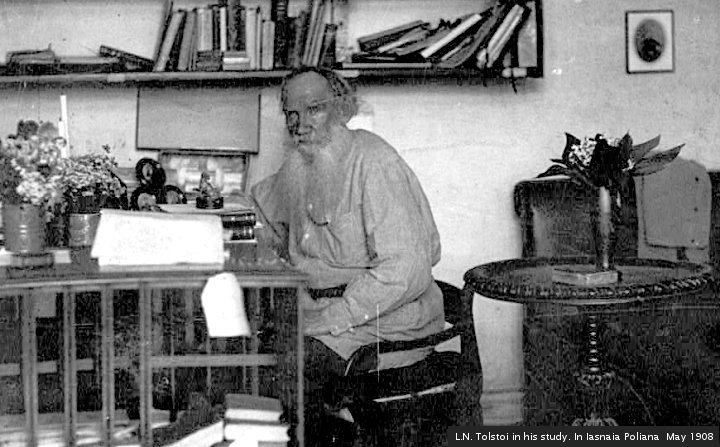
HT to Millard Fillmore’s Bathtub for attributing the LDL&S quote to Mr. Disraeli. MFB was talking about global warming denial, a cesspool of lies and statistics. Pictures are from The Library of Congress. . Pictures of Mark Twain were recently posted. This is a repost.
Forgive Is A Verb




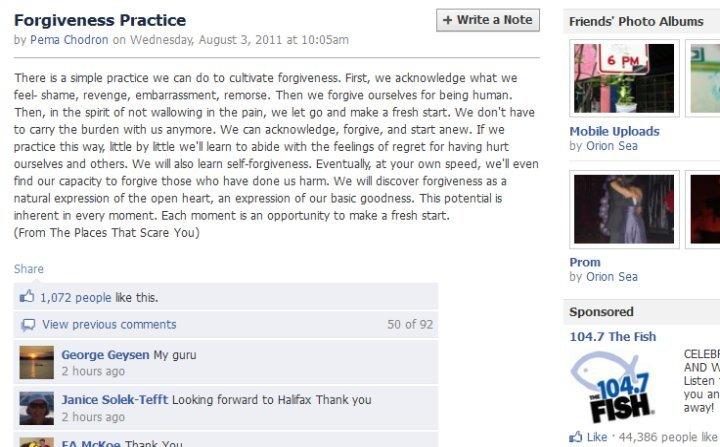
The facebook friend posted a link about forgiveness. “There is a simple practice we can do to cultivate forgiveness. First, we acknowledge what we feel- shame, revenge, embarrassment, remorse. Then we forgive ourselves for being human. Then, in the spirit of not wallowing in the pain, we let go and make a fresh start. We don’t have to carry the burden with us anymore. We can acknowledge, forgive, and start anew. If we practice this way, little by little we’ll learn to abide with the feelings of regret for having hurt ourselves and others. We will also learn self-forgiveness. Eventually, at your own speed, we’ll even find our capacity to forgive those who have done us harm. We will discover forgiveness as a natural expression of the open heart, an expression of our basic goodness. This potential is inherent in every moment. Each moment is an opportunity to make a fresh start. (From The Places That Scare You) “
This is a different approach to forgiveness. It can be easier said than done, if you even make the effort to try. It doesn’t matter whether or not your neighbor practices forgiveness. It doesn’t matter who talks about forgiveness, but never seems to practice what they preach. It begins with you.
The fun today starts with facebook advertising. This is different every time you click on a page. The featured ad when PG first saw this message was for fish 104.7. This is a Jesus worship radio station. They have billboards on the roads with their fish logo. Every time PG sees one, he is reminded of the times Jesus wordshipers have humiliated him.
Jesus has put a hurtin’ in PG’s life. The arrogance of Jesus worshipers … and, by extension Jesus … is something to behold. If you were to tell a Jesus worshiper that you forgive them for their nasty religion, they would be offended. You would probably be told that you need to be saved.
Forgiveness for sin is a central concept of Jesus worship. The way they see it, when you are “saved”, then G-d forgives you for your sins. This is different from the concept we are considering today, where the forgiveness comes from within. Maybe forgiveness comes from a place in your heart where G-d and man are one. Jesus is busy posing for pictures.
Mainstream religion teaches that forgiveness is a noun, and that it is presented by an outside force. It is part of the scheme for life after death. People ask G-d to forgive them, so that they can go to heaven.
Maybe we should see forgive as a verb, and do it yourself. Instead of hoping for life after death, forgive to make life on earth better. Instead of demanding forgiveness of others, we should practice it ourselves.



Neutracide



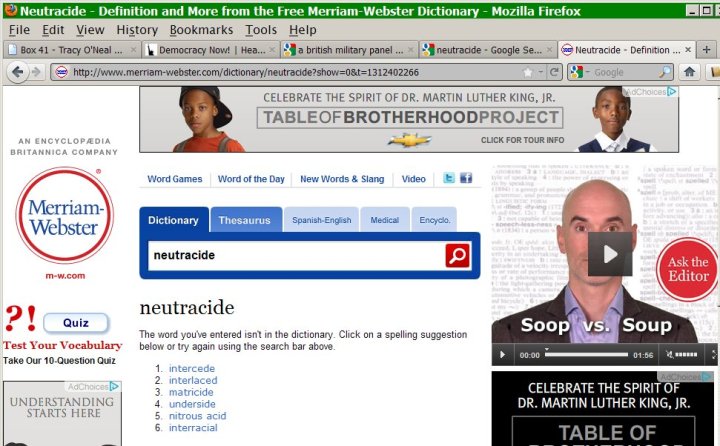
PG enjoys learning a new word. Today’s find is so new, the Merriam-Webster Dictionary, or MWD, does not have a definition. This new noun comes to us courtesy of Democracy Now. “Newly released documents show NATO forces have prioritized the avoidance of so-called “friendly fire” incidents in Afghanistan more than reducing killings of Afghan civilians. According to The Independent of London, a British military panel concluded that “avoidance of collateral damage, or neutracide, is a secondary consideration,” with “the primary focus … improving operational effectiveness, while reducing the risk of fratricide.” In the latest known attack, five Afghan children were wounded last week in a bombing from a British attack helicopter.”
Before he looked in the dictionary, PG went to uncle google. It turns out that Neutracide 64 is an industrial detergent. “Neutracide 64 is a concentrated, neutral pH, multi-purpose, germicidal detergent and deodorant for use on hard, non-porous surfaces such as floors, walls, metal surfaces, stainless steel, porcelain and plastic. Ideal for use in hospitals, nursing homes, schools, colleges, and many other facilities.” This site does not mention collateral damage applications.
PG was puzzled. Was neutracide, as in killing women and children, a real word? Or, have the scriptwriters at Democracy Now been creative beyond the call of duty? Another option is that aerial application of Neutracide64 is being used in combat. Another consultation with uncle google is in order.
A search was done on the phrase “a British military panel concluded that “avoidance of collateral damage, or neutracide, is a secondary consideration”. Awareandoutraged has, verbatim, the same report as DemocracyNow. Commondreams has quotes from military sources, who claim that the Taliban has killed more women and children that US forces. The rest of the google first page repeats what these stories say. The report from the “British Military Panel” was not found.
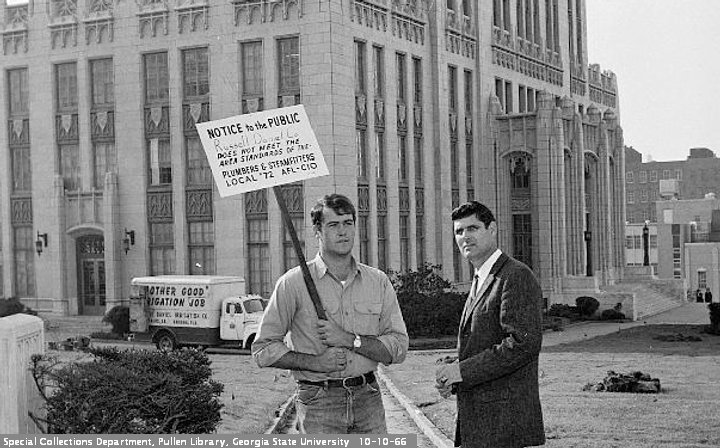
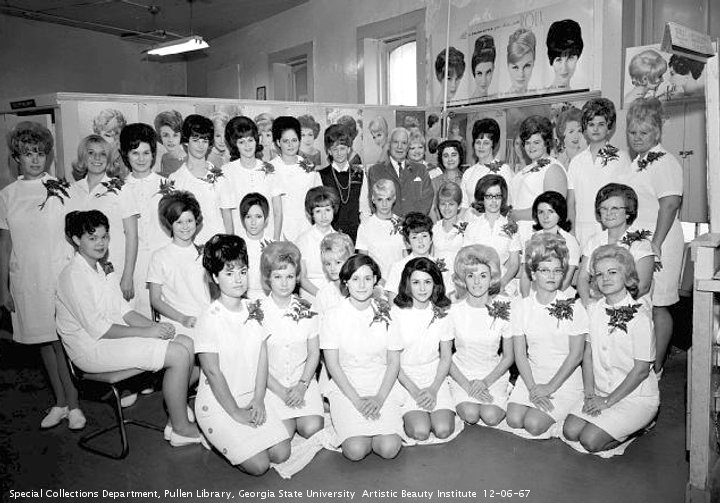
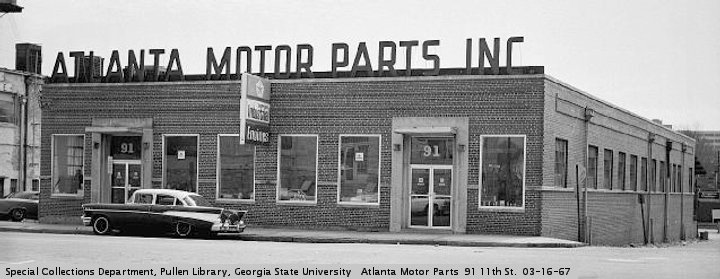
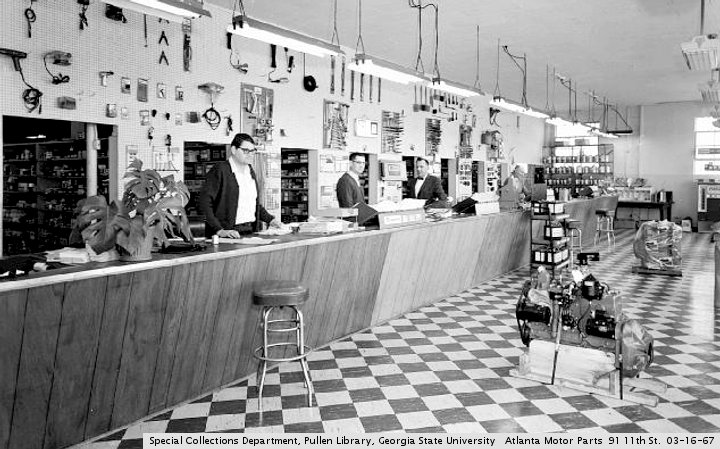
Historic pictures are from ” The Special Collections and Archives,Georgia State University Library”.

Homophone Activist
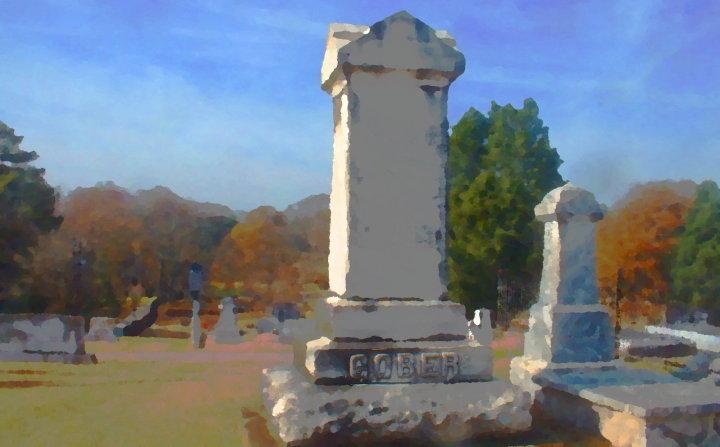
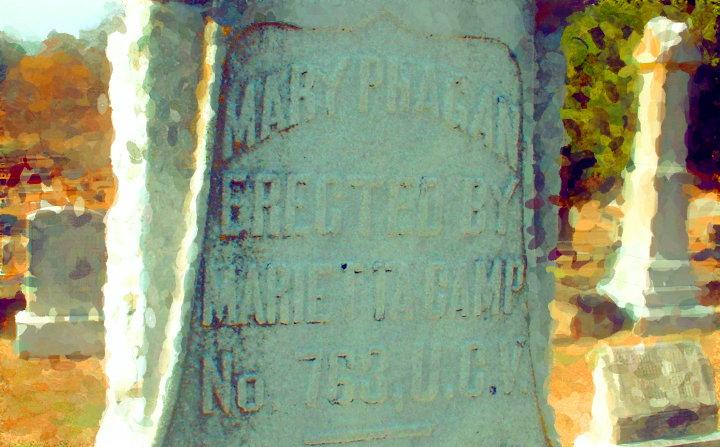
The perpetrator of a facility called Peekinthewall has left a couple of comments at this waste of pixels chamblee54. As it happens, PITW has a feature about the english language, which had a link to this feature about homophones. Homophones are not how Ellen Degeneres listens to her ipod. They are words that sound alike, but have different meanings.
The problem with the linked list is a fondness for cusswords. In the interest of promoting good grammar, with fewer dirty words, here is a list of homophones. There is a note about financial double meanings, for any capitalist dropping by. Pictures are by Chamblee 54. This is a repost.
Affect/Effect Affect is a verb, effect is a noun. The effects of your medication affect your ability to drive safely. For effective speech, use homophones properly.
Bare/Bear Bare means exposed. Bear is an animal, a Chicago football team, and the verb means to “bare with” or endure. By using improper grammar, you are laying bare your ignorance. I cannot bear this any longer: please, learn your homophones.
Capital/Capitol This one is a doozie. The two words have lots of meanings, and you just have to know which one is which. The A capitals include capital punishment, capital letters, and financial capital. The state capitol is spelled with an O. Remember, the state capitol has a rOtunda, which is round. It also has rotund people hanging out there.
Complement/Compliment Brandy Ryan complements me because she is everything I’m not. I compliment Brandy Ryan on her transcendent beauty incessantly. Remember, when you say “I think you look nice”, you are putting I into compliment.
Discreet/Discrete People fall into two discrete groups. There are those with no shame, and then some are discreet about their activities.
Dual/Duel Dual refers to two of something, like a dual use. A duel involves two people, with one of them usually dead at the end. Alexander Hamilton had a dual career, before he died in a duel.
Ferry/Fairy/Faerie A Ferry is a boat, which carries cars and people over bodies of water. A magical creature in stories is a Fairy. A magical creature today is a Faerie.
It’s/Its Usually, when a word has an apostrophe and s, it means possession. This is an exception. It’s is short for it is. Its is the possesive form. This makes no sense, but is how languages work.
Loose/Lose The extra o makes a word that is loose as a goose. With only one o, you are going to lose the game. Tighten up…if you play loose you are going to lose. Ellen is going to lose her loose change.
Principal/Principle This is another head scratcher. The boss at your school is the principal, who is your pal. Ditto the man in the corner office, who is a principal of the firm, and may or may not be your pal. If you invest money in this firm, then the money you draw interest on is the principal, again with an a. This is a guiding principle (with an e) of investment, that you should never touch the principal, but use the interest.
Then/Than If you can’t write properly, then don’t write at all. By making mistakes, you show that most fourth graders have better grammar than you.
Their/There/They’re The grand daddy of confusion. You should know this, but then why you are reading? Their is possessive, there is a location, they’re is a contraction of they are. They’re going to take their ice cream and go there with it.
Verses/Versus Songs have verses, which is a noun. Versus is a preposition, and it implies a conflict between two opposing parties. Verses are sung in harmony, while versus implies competition.
Your/You’re This is another possession and contraction quagmire. Your is a possessive word.You’re is a contraction of you and are. It’s your language, and you’re going to use it properly. If you don’t, you’re going to look like an idiot, if you don’t learn how to use your own language.
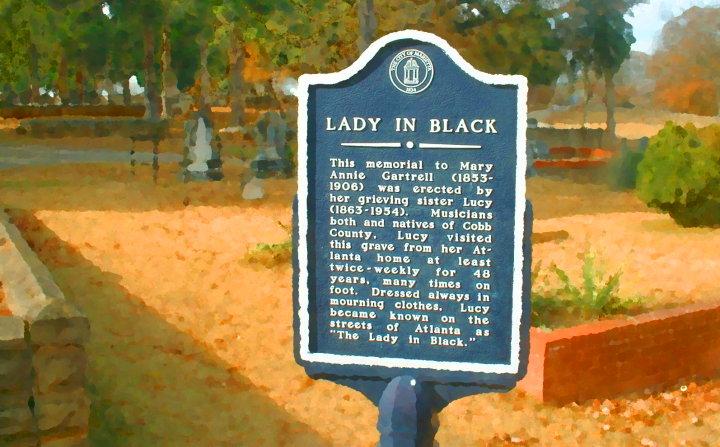

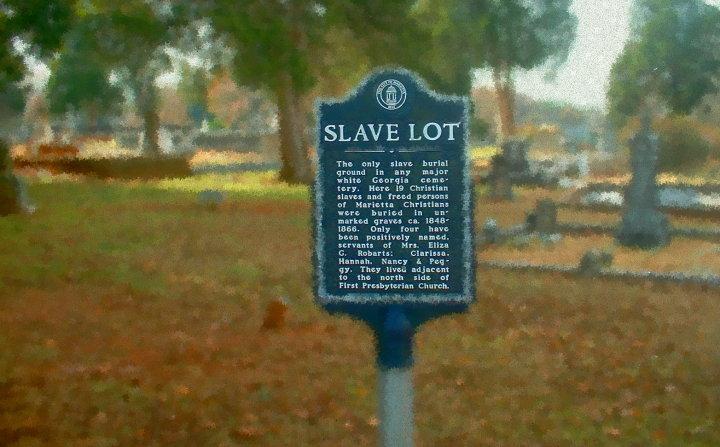

Don’t Get Mad Get Odd

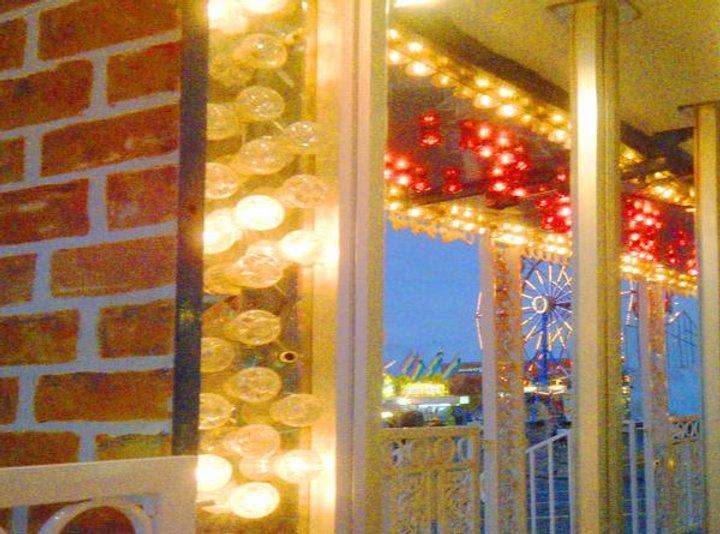


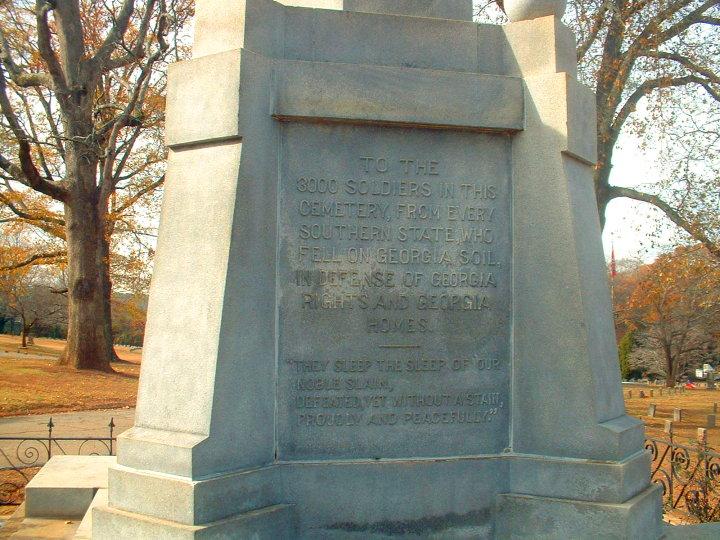
This is a double repost. August 2, 2010 was a busy day at Chamblee54. Not only were the topics relevant for today, but the pictures were fun. When you have already added the pictures to the internet, and saved the code, all you have to do to repeat them is copy the code into the window. There was even a title that made PG smile, even if the search engines don’t get the joke.
In th first part of this double feature, PG rants a bit about the water shortage in Atlanta. Recently, a judge made a ruling favorable to Georgia regarding the water from the Chattahoochee River. This forgets that in 2007, with unlimited access to this water, we had a drought and nearly ran out of water. The parliment of whores has given consideration to the water crisis, but little of substance has been done. It is much easier to complain about Alabama, than to build a pipeline through the mountains.
Millard Fillmore’s Bathtub brought a bit of Internet nonsense to our attention recently. It seems that someone posted a picture of BHO with lighter skin ( the Micheal Jackson effect) and a really bad haircut. The caption read “Do You Like Him Any Better Now? No?? Then You’re Not A Racist.”
There was a comment to this episode, which was the part posted by MFB. There was a series of 14 statements, that all started with “you didn’t get mad when”. Each of the 14 was something that happened in the last few years. The end was when you DID get mad because of health care reform.
PG thinks of himself as a thinking independent. He has been seeing things that anger him for a long time. After a while, he sees that nothing is going to change because of his anger…the powers that be are going to do what their bosses pay them to do. He also sees that some people are manipulated by others who exploit this unfairness, and stir up anger. Often these people do not have the best of motives.
In broad brushstroke polemic, there is also the question of who “you” is. It is possible to imagine a person who this list describes. It is also possible that there are people who were angry about things on that list, but who are resigned to the fate of living in a flawed society.
In the spirit of independent thought, lets take a look at this list. The original list will be in blue. The Chamblee54 commentary will be in green.
You didn’t get mad when the Supreme Court stopped a legal recount and appointed a President. No, but we didn’t know how bad W would be. Al Gore was not an inspiring alternative. With the electoral college, people in Red Georgia don’t get a vote in Presidential elections anyway.
You didn’t get mad when Cheney allowed Energy company officials to dictate energy policy. This happened behind closed doors. Most did not know it was happening until too late. We have known since 1973 that we need to end our dependence on oil, and the carbon industry has kept us addicted, using a combination of PR, lobbying, and outright thuggery.
You didn’t get mad when a covert CIA operative got outed. In the late seventies, a few CIA operatives were exposed. ( Out as a verb was a few years in the future.) At the time, the Repubs were furious. This latest episode of CIA agent trashing was convenient to the powers that be. Since the CIA is an instrument of oppression, incompetently executed, this bit of nonsense does not generate anger.
You didn’t get mad when the Patriot Act got passed. A few people were upset at this. They were also upset at the citizen rights that were lost during the War on Drugs except alcohol.
You didn’t get mad when we illegally invaded a country that posed no threat to us. A lot of people were angry about the war in Babylon. They were ignored.
You didn’t get mad when we spent over 600 billion(and counting) on said illegal war. A lot of people were angry about the war in Babylon. They were ignored.
You didn’t get mad when over 10 billion dollars just disappeared in Iraq. Just 10 billion?
You didn’t get mad when you saw the Abu Grahib photos. This was not surprising. PG’s reaction was amazement that our own soldiers were putting out pictures like that.
You didn’t get mad when you found out we were torturing people. A lot of people were mad. Not everyone believes the ticking time bomb scenario. When you torture people you get a lot of bad information. But, people want to show how bad they are.
You didn’t get mad when the government was illegally wiretapping Americans. Which war are we talking about? This went on during Vietnam, and the war on drugs.
You didn’t get mad when we didn’t catch Bin Laden. Catching Bin Laden wouldn’t stop the anger that drives the insurgencies in Babylon. Also, if we caught Bin Laden, there would be no need to maintain this profitable war machine.
You didn’t get mad when you saw the horrible conditions at Walter Reed. Yes we were. But what good would it do? The war machine does not care.
You didn’t get mad when we let a major US city drown. This is the item that will draw the lengthiest response. As for Katrina, the government was incompetent. The issue here is Atlanta, which has the opposite problem of New Orleans. Over the last forty years, there has been a development binge here. And none of the developers have any clue where the water is going to come from.
Atlanta gets its water from the Chattahoochee River. The river is an overgrown trout stream, whose water must be shared with Alabama and Florida. ( There is a nuclear power plant on the river in Alabama, which is the largest user of water on this river. ) The developers have gone crazy, bought politicians, and built a metro area of five million people on the smallest watershed in Georgia.
In 2007 there was a drought. The fishwrapper was printing charts every day, showing how many days of water we had left until Lake Lanier ran dry. Finally, the rain came, and disaster averted. One day, we may not be so lucky. The development has slowed, but that is a function of the overall economy rather than ethical concern about supplying their communities with water.
There is a personal angle, which may explain some of the muted anger over these other issues. PG worked for many years printing building plans. He profited from this rape of the land. When you work for the emperor’s tailor, you admire his fashion sense.
You didn’t get mad when the deficit hit the trillion dollar mark. During the Reagan years, the overall national debt went over a trillion dollars for the first time. A few nay sayers complained, but many were just happy to have a job.
You finally got mad when.. when… wait for it… when the government decided that people in America deserved the right to see a doctor if they are sick. Yes, illegal wars, lies, corruption, torture, stealing your tax dollars to make the rich richer, are all ok with you but helping other Americans… well f*ck that. That about right? You know it is. Health care reform could have been a lot better. A public option insurance company would have lower premiums than the private companies. If the repubs had cooperated with BHO on this issue, instead of fighting him every step of the way, we would have a much better plan.



MusingsonIraq has a story about the history of WMD in Iraq. This was an often cited reason for the invasion. It was later revealed that WMD was excuse rather than the reason for the war in Babylon.
The story is fascinating. Iraq lived in a bad neighborhood, and started to develop chemical weapons in the 1960s. Saddam Insane took over in 1979, and invaded Iran a year later. An eight year bloodbath was the result, leading to the wars of 1991 and 2003.
It should be noted here that this was while Iran was holding Americans hostage. There was a great deal of ill will in America towards Iran at this time. Iraq was seen as the ally of the USA during this was, and the initial invasion may have been encouraged by the USA.
Chemical weapons (CW) were a key part of the war against the larger Iranian army. CW was used against the “human wave” attacks, that sent hundreds of thousands of Iranian youths to paradise. When Kurds did not support the war effort to Saddam’s satisfaction, CW was used on them.
The question is often raised, Who sold chemicals to Iraq? . UN investigators are reluctant to name sources. A company in Singapore was a major supplier, as were a variety of European companies. At least two American firms ( both now defunct) …Alcolac International of Maryland and the Al Haddad trading company of Tennessee…sold CW supplies to Iraq. Remember, up until the invasion of Kuwait in 1990, Iraq was an ally of The United States. ( Actually, the Iran contra affair also happened. In this business, Israel served as the middleman for American weapon sales to Iran. This is highly ironic, considering the eagerness of some in Israel to nuke Iran recently.)
In 1990, Iraq invaded Kuwait, and became the enemy of the United States. This invasion was partially a result of the enormous debt that Iraq incurred as a result of the war with Iran. This war debt led to a scaling back of the WMD program, which now included biological weapons.
In 1991, the US led coalition drove Iraq out of Kuwait. Many of the factories and warehouses of the WMD program were destroyed in American bombing raids. After Iraq was driven out of Kuwait, many felt the US army should push into Baghdad and evict Mr. Hussein. Stories have emerged that Saudi Arabia did not want a Shiite state on it’s border, and preferred to take their chances with Saddam. In Baghdad, the belief was that the reason the American army did not advance to evict Saddam was the presence of chemical weapons. Mr. Hussein thought this was the second time that CW had saved him, the first being the war against the larger Iranian army.
After the 91 war, the heat was on Saddam about chemical weapons. He secretly destroyed most of the remaining WMD. However, he was still afraid of Iran, and wanted Tehran to think that he had WMD. The cat and mouse game continued throughout the nineties .
After 911, the American war machine had the excuse it needed. Whether concerns over WMD would have led to war is a question that will never be answered. It is an old saying, that if you live by the sword, you will die by the sword. Saddam Hussein was convinced that having WMD had saved him on two occasions. The appearance of having WMD was a factor in his downfall.



The Day Lincoln Was Shot
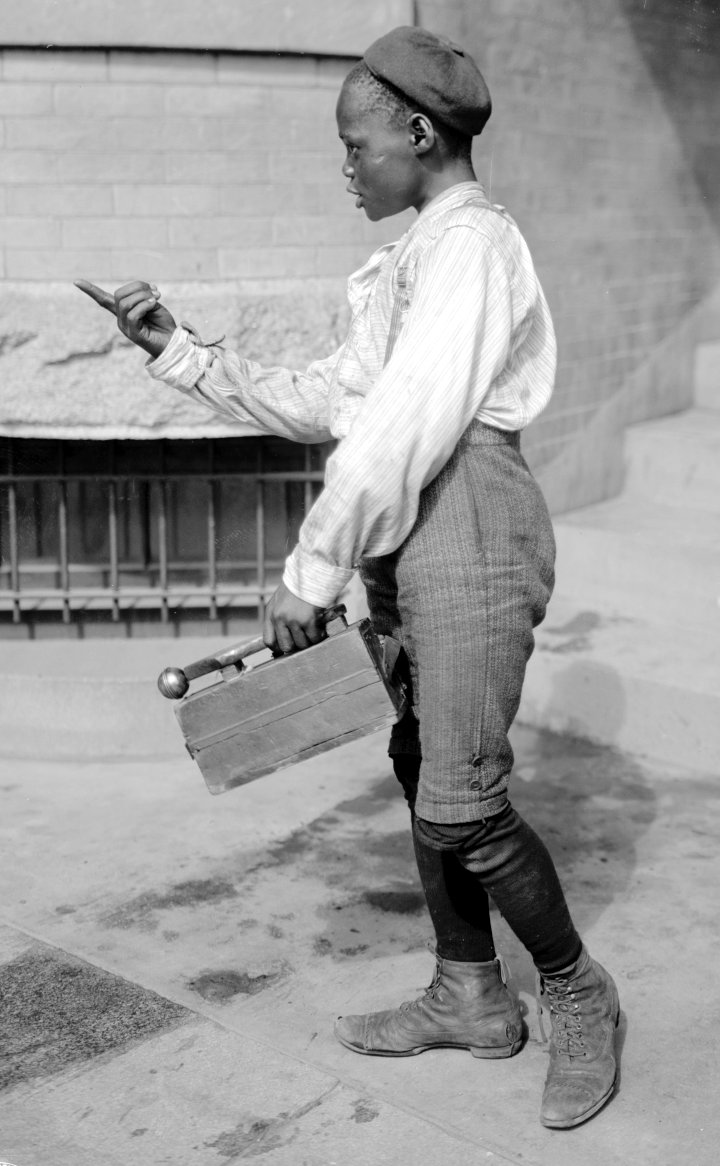
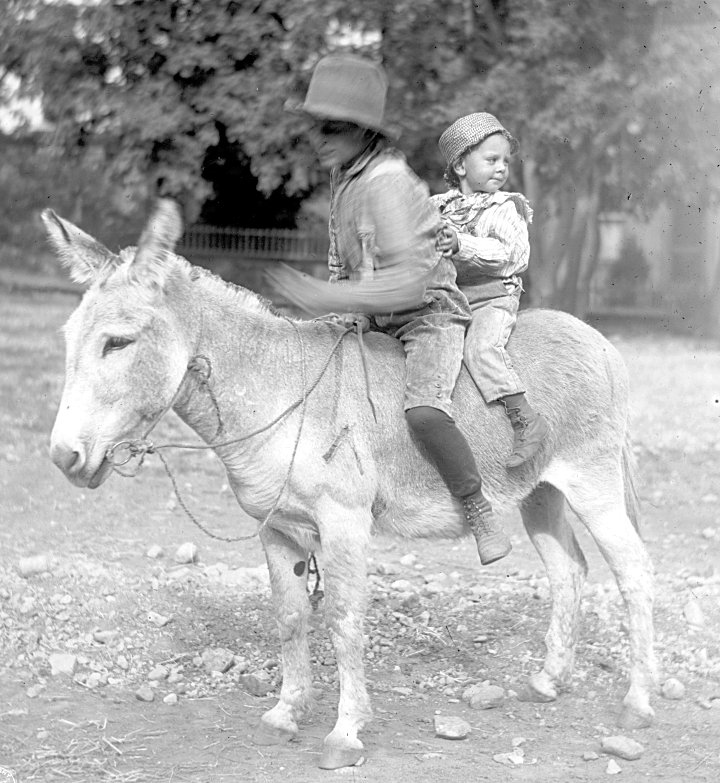
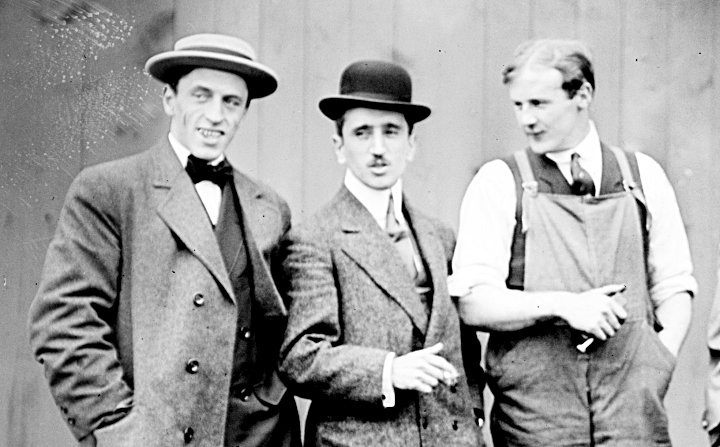

PG has read The Day Lincoln Was Shot. It is written so that the casual reader can enjoy it. There is a powerful history lesson here, and worth the twenty five cents PG paid at Book Nook. The pictures for this book report are from The Library of Congress.
This book contradicts another book PG read. Genius and Heroin reports that Mary Todd Lincoln had a bad headache on April 14, 1864. Some opium was found for her, and she was able to go to Ford’s Theater that evening. TDLWS does not mention this.
The story begins in the weeks leading up to “Good Friday”. John Wilkes Booth was in the crowd at Mr. Lincoln’s second inauguration. Vice President Andrew Johnson was also there, and made a drunken fool of himself. Mr. Johnson did not meet with Mr. Lincoln until the afternoon of April 14.
John Wilkes Booth was a famous actor, He made $20,000 a year as a performer. Mr. Booth was also a fan of the Confederacy, and launched a plan to kidnap Mr. Lincoln. There was an attempt to kidnap the President, but Mr. Lincoln did not show up as planned. The conspiracy of Mr. Booth almost broke up, and was reduced to four men.
The four men…John Wilkes Booth, Lewis Paine, David Herrold, and George Atzerodt … met at a boarding house owned by Mary Sarratt. Ultimately, Booth went to Ford’s Theater to kill the President. Lewis Paine and David Herrold tried to kill Secretary of State William Seward. George Atzerodt took a room at Kirkland’s boarding house, and was supposed to take out Vice President Andrew Johnson. Mary Sarratt was not involved in the plot, but was executed by hanging anyway.
In the weeks before Good Friday, a few things happened. On March 7, the door to box seven at Ford’s Theater was broken down, and the lock broken. On April 5, Secretary of State William Seward was badly injured in a carriage accident. On April 9, General Robert E. Lee surrendered to General Ulysses Grant, ending the War Between the States.
Part of the celebration was a theater party on Friday, April 14. Mr. and Mrs. Lincoln were to join Gen. and Mrs. Grant at Ford’s Theater. The show was “Our American Cousin”, starring Laura Keene. The Grants did not really want to go, and decided to catch a train to New Jersey. They wanted to see their children. Mrs. Grant had also witnessed a temper tantrum by Mrs. Lincoln, and was possibly avoiding the hot headed first lady.
Mr. Booth decided that this was the night for action. He went by the Kirkwood house, and left a note for Andrew Johnson. The idea was for the police to see the note, and think that Mr. Johnson was part of the conspiracy. This was foiled when Mr. Johnson’s secretary stopped by Kirkwood house, and picked up the Vice President’s mail and messages.
Ford’s Theater was prepared for the visit by the President. A barrier was taken out from between two boxes. Flags were hung around the building. At 9:00 pm, the President’s bodyguard, a Washington policeman named John F. Parker, got bored with the play. Mr. Parker went to Taltavul’s saloon, along with with Francis Burns, the president’s driver and Forbes, the valet. They were in the saloon during the action at the theater.
John Wilkes Booth was an experienced actor, and he knew how to follow a cue. At 10:15 pm, the player onstage said “Wal I guess I know enough to turn you inside out, you sockdologizing old mantrap”. Booth placed a derringer between Mr. Lincoln’s left ear and spine, and pulled the trigger. He said “Sic Semper Tyrannis”, and cut Major Henry Rathbone. Booth leaned over the edge of the theater box, and lowered himself to the stage. The spur of his right foot catches on the Treasury regiment flag. This causes him to land on his left leg at an odd angle. The leg broke.
While this is going on, Lewis Paine and David Herrold went to visit Secretary of State William Seward. He is laying in bed, covered in bandages, recovering from the carriage accident. The bandages get in the way of the knife that cuts him, and save his life.
The wounds to Mr. Lincoln are considered mortal. The President was moved to Peterson’s boarding house nearby. At 7:22 am on April 15, he died. Secretary of War Edwin Stanton, who served as acting President during the night, said “Now he belongs to the ages.”

The Lady, Or The Tiger?



In the very olden time there lived a semi-barbaric king, whose ideas, though somewhat polished and sharpened by the progressiveness of distant Latin neighbors, were still large, florid, and untrammeled, as became the half of him which was barbaric. He was a man of exuberant fancy, and, withal, of an authority so irresistible that, at his will, he turned his varied fancies into facts. He was greatly given to self-communing, and, when he and himself agreed upon anything, the thing was done. When every member of his domestic and political systems moved smoothly in its appointed course, his nature was bland and genial; but, whenever there was a little hitch, and some of his orbs got out of their orbits, he was blander and more genial still, for nothing pleased him so much as to make the crooked straight and crush down uneven places.
Among the borrowed notions by which his barbarism had become semified was that of the public arena, in which, by exhibitions of manly and beastly valor, the minds of his subjects were refined and cultured.
But even here the exuberant and barbaric fancy asserted itself. The arena of the king was built, not to give the people an opportunity of hearing the rhapsodies of dying gladiators, nor to enable them to view the inevitable conclusion of a conflict between religious opinions and hungry jaws, but for purposes far better adapted to widen and develop the mental energies of the people. This vast amphitheater, with its encircling galleries, its mysterious vaults, and its unseen passages, was an agent of poetic justice, in which crime was punished, or virtue rewarded, by the decrees of an impartial and incorruptible chance.
When a subject was accused of a crime of sufficient importance to interest the king, public notice was given that on an appointed day the fate of the accused person would be decided in the king’s arena, a structure which well deserved its name, for, although its form and plan were borrowed from afar, its purpose emanated solely from the brain of this man, who, every barleycorn a king, knew no tradition to which he owed more allegiance than pleased his fancy, and who ingrafted on every adopted form of human thought and action the rich growth of his barbaric idealism.
When all the people had assembled in the galleries, and the king, surrounded by his court, sat high up on his throne of royal state on one side of the arena, he gave a signal, a door beneath him opened, and the accused subject stepped out into the amphitheater. Directly opposite him, on the other side of the inclosed space, were two doors, exactly alike and side by side. It was the duty and the privilege of the person on trial to walk directly to these doors and open one of them. He could open either door he pleased; he was subject to no guidance or influence but that of the aforementioned impartial and incorruptible chance. If he opened the one, there came out of it a hungry tiger, the fiercest and most cruel that could be procured, which immediately sprang upon him and tore him to pieces as a punishment for his guilt. The moment that the case of the criminal was thus decided, doleful iron bells were clanged, great wails went up from the hired mourners posted on the outer rim of the arena, and the vast audience, with bowed heads and downcast hearts, wended slowly their homeward way, mourning greatly that one so young and fair, or so old and respected, should have merited so dire a fate.
But, if the accused person opened the other door, there came forth from it a lady, the most suitable to his years and station that his majesty could select among his fair subjects, and to this lady he was immediately married, as a reward of his innocence. It mattered not that he might already possess a wife and family, or that his affections might be engaged upon an object of his own selection; the king allowed no such subordinate arrangements to interfere with his great scheme of retribution and reward. The exercises, as in the other instance, took place immediately, and in the arena. Another door opened beneath the king, and a priest, followed by a band of choristers, and dancing maidens blowing joyous airs on golden horns and treading an epithalamic measure, advanced to where the pair stood, side by side, and the wedding was promptly and cheerily solemnized. Then the gay brass bells rang forth their merry peals, the people shouted glad hurrahs, and the innocent man, preceded by children strewing flowers on his path, led his bride to his home.
This was the king’s semi-barbaric method of administering justice. Its perfect fairness is obvious. The criminal could not know out of which door would come the lady; he opened either he pleased, without having the slightest idea whether, in the next instant, he was to be devoured or married. On some occasions the tiger came out of one door, and on some out of the other. The decisions of this tribunal were not only fair, they were positively determinate: the accused person was instantly punished if he found himself guilty, and, if innocent, he was rewarded on the spot, whether he liked it or not. There was no escape from the judgments of the king’s arena.
The institution was a very popular one. When the people gathered together on one of the great trial days, they never knew whether they were to witness a bloody slaughter or a hilarious wedding. This element of uncertainty lent an interest to the occasion which it could not otherwise have attained. Thus, the masses were entertained and pleased, and the thinking part of the community could bring no charge of unfairness against this plan, for did not the accused person have the whole matter in his own hands?
This semi-barbaric king had a daughter as blooming as his most florid fancies, and with a soul as fervent and imperious as his own. As is usual in such cases, she was the apple of his eye, and was loved by him above all humanity. Among his courtiers was a young man of that fineness of blood and lowness of station common to the conventional heroes of romance who love royal maidens. This royal maiden was well satisfied with her lover, for he was handsome and brave to a degree unsurpassed in all this kingdom, and she loved him with an ardor that had enough of barbarism in it to make it exceedingly warm and strong. This love affair moved on happily for many months, until one day the king happened to discover its existence. He did not hesitate nor waver in regard to his duty in the premises. The youth was immediately cast into prison, and a day was appointed for his trial in the king’s arena. This, of course, was an especially important occasion, and his majesty, as well as all the people, was greatly interested in the workings and development of this trial. Never before had such a case occurred; never before had a subject dared to love the daughter of the king. In after years such things became commonplace enough, but then they were in no slight degree novel and startling.
The tiger-cages of the kingdom were searched for the most savage and relentless beasts, from which the fiercest monster might be selected for the arena; and the ranks of maiden youth and beauty throughout the land were carefully surveyed by competent judges in order that the young man might have a fitting bride in case fate did not determine for him a different destiny. Of course, everybody knew that the deed with which the accused was charged had been done. He had loved the princess, and neither he, she, nor any one else, thought of denying the fact; but the king would not think of allowing any fact of this kind to interfere with the workings of the tribunal, in which he took such great delight and satisfaction. No matter how the affair turned out, the youth would be disposed of, and the king would take an aesthetic pleasure in watching the course of events, which would determine whether or not the young man had done wrong in allowing himself to love the princess.
The appointed day arrived. From far and near the people gathered, and thronged the great galleries of the arena, and crowds, unable to gain admittance, massed themselves against its outside walls. The king and his court were in their places, opposite the twin doors, those fateful portals, so terrible in their similarity.All was ready. The signal was given. A door beneath the royal party opened, and the lover of the princess walked into the arena. Tall, beautiful, fair, his appearance was greeted with a low hum of admiration and anxiety. Half the audience had not known so grand a youth had lived among them. No wonder the princess loved him! What a terrible thing for him to be there!
As the youth advanced into the arena he turned, as the custom was, to bow to the king, but he did not think at all of that royal personage. His eyes were fixed upon the princess, who sat to the right of her father. Had it not been for the moiety of barbarism in her nature it is probable that lady would not have been there, but her intense and fervid soul would not allow her to be absent on an occasion in which she was so terribly interested. From the moment that the decree had gone forth that her lover should decide his fate in the king’s arena, she had thought of nothing, night or day, but this great event and the various subjects connected with it. Possessed of more power, influence, and force of character than any one who had ever before been interested in such a case, she had done what no other person had done,—she had possessed herself of the secret of the doors. She knew in which of the two rooms, that lay behind those doors, stood the cage of the tiger, with its open front, and in which waited the lady. Through these thick doors, heavily curtained with skins on the inside, it was impossible that any noise or suggestion should come from within to the person who should approach to raise the latch of one of them. But gold, and the power of a woman’s will, had brought the secret to the princess.


And not only did she know in which room stood the lady ready to emerge, all blushing and radiant, should her door be opened, but she knew who the lady was. It was one of the fairest and loveliest of the damsels of the court who had been selected as the reward of the accused youth, should he be proved innocent of the crime of aspiring to one so far above him; and the princess hated her. Often had she seen, or imagined that she had seen, this fair creature throwing glances of admiration upon the person of her lover, and sometimes she thought these glances were perceived, and even returned. Now and then she had seen them talking together; it was but for a moment or two, but much can be said in a brief space; it may have been on most unimportant topics, but how could she know that? The girl was lovely, but she had dared to raise her eyes to the loved one of the princess; and, with all the intensity of the savage blood transmitted to her through long lines of wholly barbaric ancestors, she hated the woman who blushed and trembled behind that silent door.
When her lover turned and looked at her, and his eye met hers as she sat there, paler and whiter than any one in the vast ocean of anxious faces about her, he saw, by that power of quick perception which is given to those whose souls are one, that she knew behind which door crouched the tiger, and behind which stood the lady. He had expected her to know it. He understood her nature, and his soul was assured that she would never rest until she had made plain to herself this thing, hidden to all other lookers-on, even to the king. The only hope for the youth in which there was any element of certainty was based upon the success of the princess in discovering this mystery; and the moment he looked upon her, he saw she had succeeded, as in his soul he knew she would succeed.
Then it was that his quick and anxious glance asked the question: “Which?” It was as plain to her as if he shouted it from where he stood. There was not an instant to be lost. The question was asked in a flash; it must be answered in another.
Her right arm lay on the cushioned parapet before her. She raised her hand, and made a slight, quick movement toward the right. No one but her lover saw her. Every eye was fixed on the man in the arena.
He turned, and with a firm and rapid step he walked across the empty space. Every heart stopped beating, every breath was held, every eye was fixed immovably upon that man. Without the slightest hesitation, he went to the door on the right, and opened it.
Now, the point of the story is this: Did the tiger come out of that door, or did the lady? The more we reflect upon this question, the harder it is to answer. It involves a study of the human heart which leads us through devious mazes of passion, out of which it is difficult to find our way. Think of it, fair reader, not as if the decision of the question depended upon yourself, but upon that hot-blooded, semi-barbaric princess, her soul at a white heat beneath the combined fires of despair and jealousy. She had lost him, but who should have him?
How often, in her waking hours and in her dreams, had she started in wild horror, and covered her face with her hands as she thought of her lover opening the door on the other side of which waited the cruel fangs of the tiger!
But how much oftener had she seen him at the other door! How in her grievous reveries had she gnashed her teeth, and torn her hair, when she saw his start of rapturous delight as he opened the door of the lady! How her soul had burned in agony when she had seen him rush to meet that woman, with her flushing cheek and sparkling eye of triumph; when she had seen him lead her forth, his whole frame kindled with the joy of recovered life; when she had heard the glad shouts from the multitude, and the wild ringing of the happy bells; when she had seen the priest, with his joyous followers, advance to the couple, and make them man and wife before her very eyes; and when she had seen them walk away together upon their path of flowers, followed by the tremendous shouts of the hilarious multitude, in which her one despairing shriek was lost and drowned!
Would it not be better for him to die at once, and go to wait for her in the blessed regions of semi-barbaric futurity?And yet, that awful tiger, those shrieks, that blood!
Her decision had been indicated in an instant, but it had been made after days and nights of anguished deliberation. She had known she would be asked, she had decided what she would answer, and, without the slightest hesitation, she had moved her hand to the right.
The question of her decision is one not to be lightly considered, and it is not for me to presume to set myself up as the one person able to answer it. And so I leave it with all of you: Which came out of the opened door,—the lady, or the tiger?
The Lady, Or The Tiger? by Frank R. Stockton
The text today is from Project Gutenberg.




 Chamblee54
1 comment