The Bill Zeller Story
Bill Zeller decided that living was not a good idea. He left behind a beautifully written note. He tried to hang himself, but only succeeded in cutting off the oxygen to the brain . He was taken to a hospital, but the damage was done. Life support was terminated 3 days later.
Mr. Zeller tells a story of being raped as a young boy. ( We have no choice but to take his word.) This led to a “darkness”, which left him unable to enjoy life. His achievements did not allow him to escape the darkness. Finally, he felt that action was needed.
The knee jerk reaction in a case like this is that the person “should talk to someone”. Unfortunately, it is not that clear cut. Mr. Zeller describes confiding in people, and being burned. Another problem is what the well meaning person might say. Many people would say to look to Jesus for the answer, not knowing that fundamentalism was part of Mr. Zeller’s burden.
A third factor keeping people from talking is the laws requiring professionals to report cases of sexual abuse. These laws are a case of unintended consequences. This comment tells the story.
There is a dirty secret associated with mandated reporting for mental health professionals. Patients understand the rules, and we worry that many never reveal what is troubling them most deeply because they know that the moment they do, we become police officers rather than healers–we are compelled by law to throw them into even greater emotional turmoil at the moment they most need a safe space to talk. Some individuals would no doubt choose to expose their abusers after a period of therapy, but the state has decided that patients have no right to privacy when they’ve been victimized in this most awful way.
I understand that the rationales for the reporting mandate are the protection of victims from further abuse and the protection of others who might become victims. But when the reporting mandate prevents victims from reaching out in the first place, they are further victimized.
The law doesn’t require us to report patients who reveal to us that they have committed a murder. In fact, the law requires us to maintain their confidentiality. We can only violate confidentiality if we believe that such a person poses an immediate danger to others or if we know that that a specific person is in imminent danger. But victims like Bill Zeller don’t even have the rights of a murderer when they enter the consulting room.
While he cannot claim to understand what drove Bill Zeller, PG has had trauma in his life. Much of this hurt has been caused by Jesus worshipers, and by extension Jesus. When PG tries to talk about this pain, he is interrupted, made fun of, told he does not understand, and preached to. When you multiply this pain, this feeling of helplessness and solitude, by the more explosive affair of childhood sexual abuse, and one can begin to see why Mr. Zeller felt he had no other choice. ( Mr. Zeller was 27. PG is 56. Whatever pain and disappointment he has felt, PG appreciates the privilege of living those extra 29 years. Perhaps, if Mr. Zeller had hung in for a few more years, the darkness would have been bearable. You only get one life.)
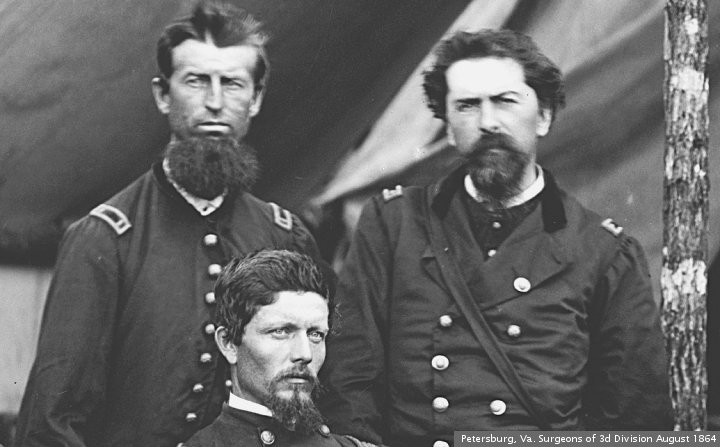
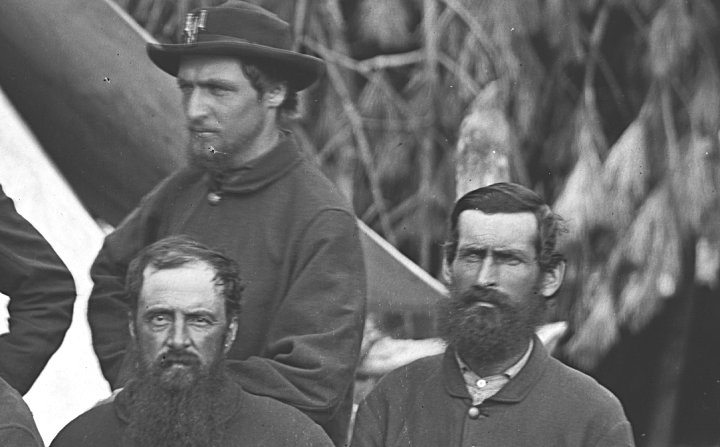
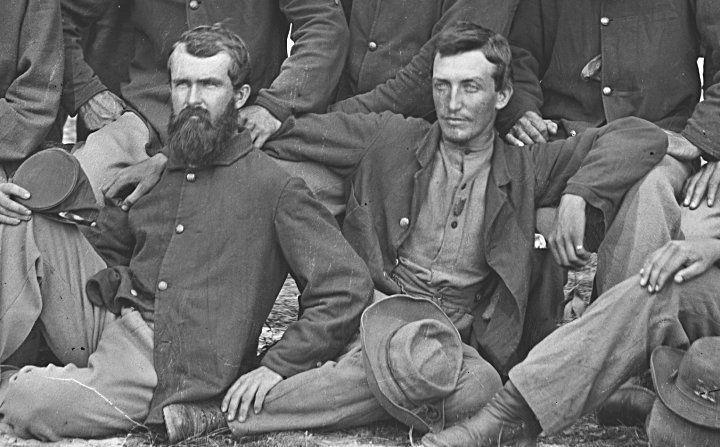
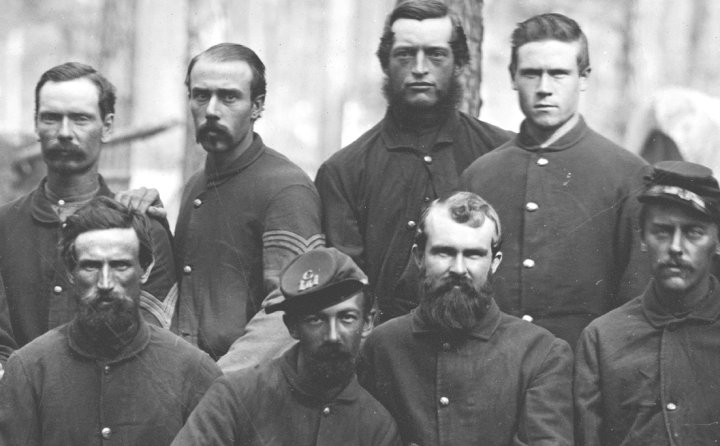
The pictures in today’s post are from The Library of Congress . They were taken in 1864, during the War Between The States. These are details of group photos.
An army (even yankees) consists of individuals . When you go closer and closer in the pictures, you see that this is a collection of men. Every one has a mother and father. Most have sisters, brothers, wives, and children. The death of every man is a tragedy.
One of these group photos was army surgeons, who had a hideous job in that war. The pain those men heard can only be imagined. How did they deal with the darkness in the years after the killing?


 Chamblee54
leave a comment