Plutocracy Alert

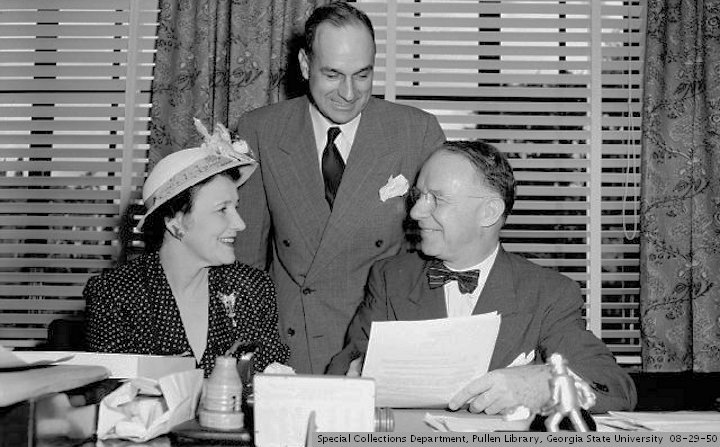
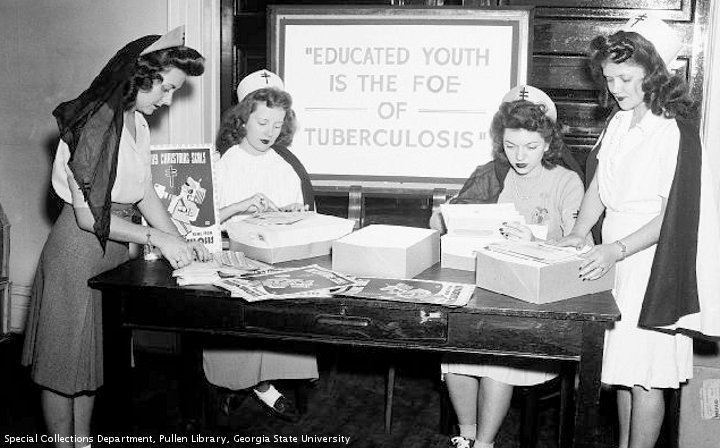

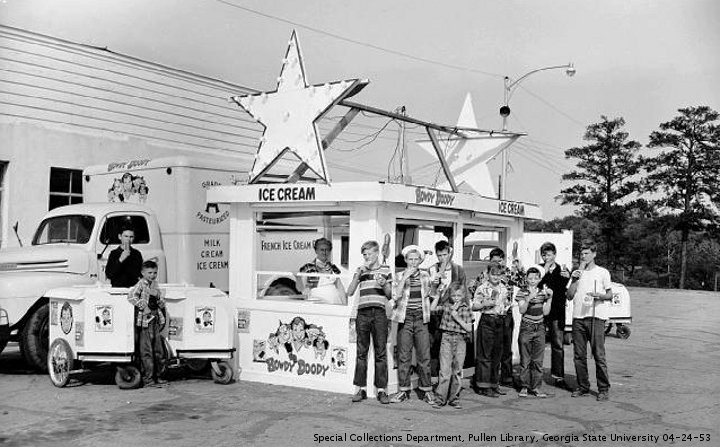
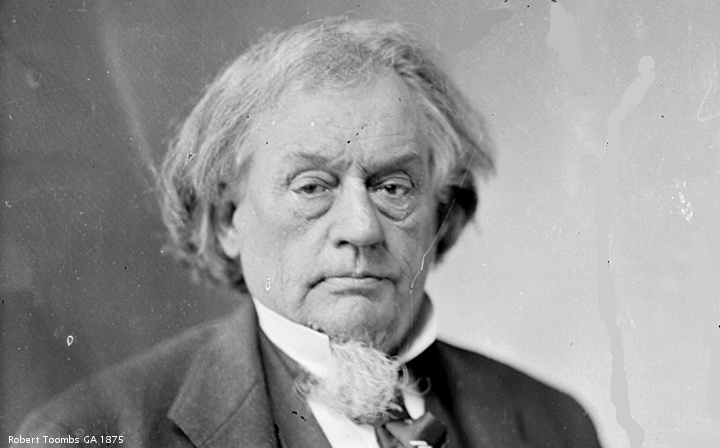
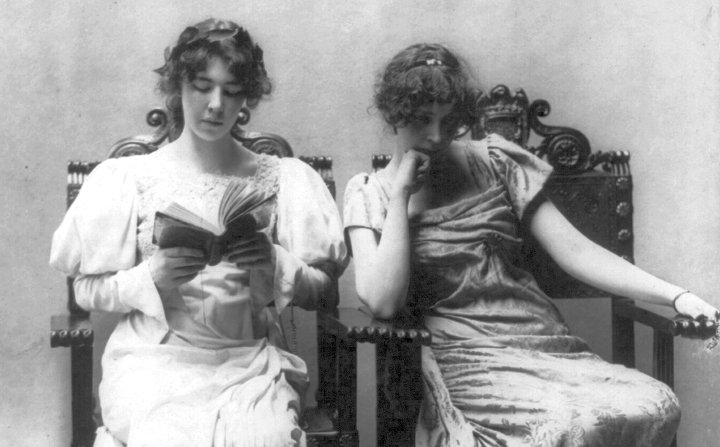
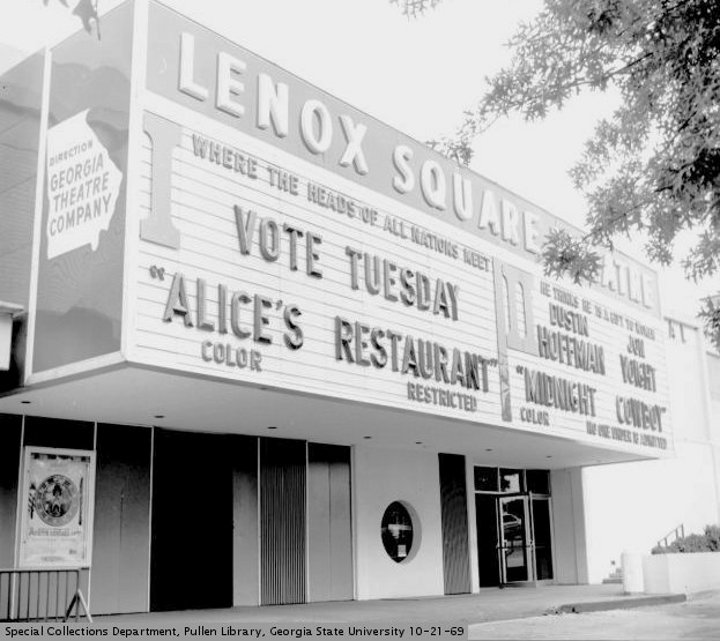
Some of PG’s facebook friends posted a link to a lecture by Bill Moyers. PG started to write about it, but only got as far as a quote by George Bernard Shaw. Later that night, he used a video file of the message as background sound while he multi tasked. (Some of these pictures, from ” The Special Collections and Archives,Georgia State University Library”, illustrate this post.
The speech gets off to a shaky start. Mr. Moyers (spell check suggestions:Foyers ,Mopers ,Movers) discusses the difference between a journalist and a historian. He tells the story about Helen of Troy. Does Mr. Moyers believe the Trojan War was really fought because someone got their girlfriend stolen? Both historians and journalists traffic in stories. A few of these stories are true. Almost all of them have an agenda, and many leave out crucial details.
Ths speech by Mr. Moyers discusses the rich getting richer. and paying public officials to help. This is not news to many of us, and is not the best state of affairs. Mr. Moyers quotes Mr. Shaw a second time. “It seems the incorrigible George Bernard Shaw once propositioned a fellow dinner guest, asking if she would go to bed with him for a million pounds (today around $1,580,178 US dollars). She agreed. Shaw then asked if she would do the same for ten shillings. “What do you take me for?” she asked angrily. “A prostitute?” Shaw responded: “We’ve established the principle, Madam. Now we’re just haggling over the price.”
The concept of plutocracy does not bode well for the long term survival of the republic. The problem is, Mr. Moyers does not have an alternative in mind. ( He admits as much in the Q&A after the speech.) The focus of the speech is distribution of wealth, and does not mention the other negative effects of government for sale. Some of these problems include the War in Babylon, carbon pollution, and allowing Israel to boss America around.
Before PG heard the speech, he glanced over the comments. One caught his eye. “I am tired of Bill Moyers being sanctimonious. When he worked for Lyndon Johnson in the White House during the Vietnam War, he stayed on and was silent about the Vietnam War. When it counted on his watch, he did nothing. He has been trying to embezzle himself into heaven ever since.”
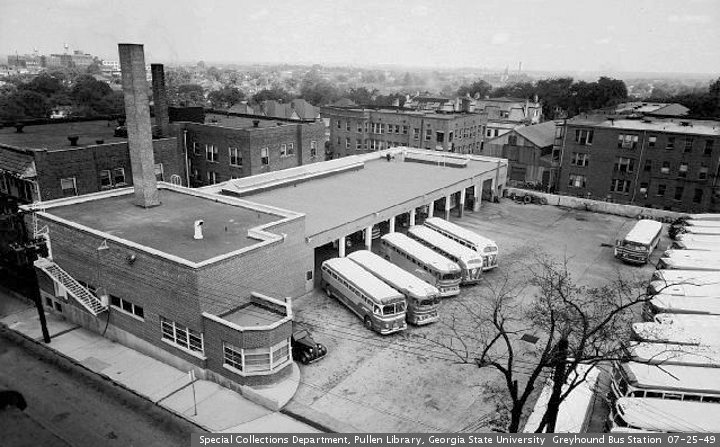
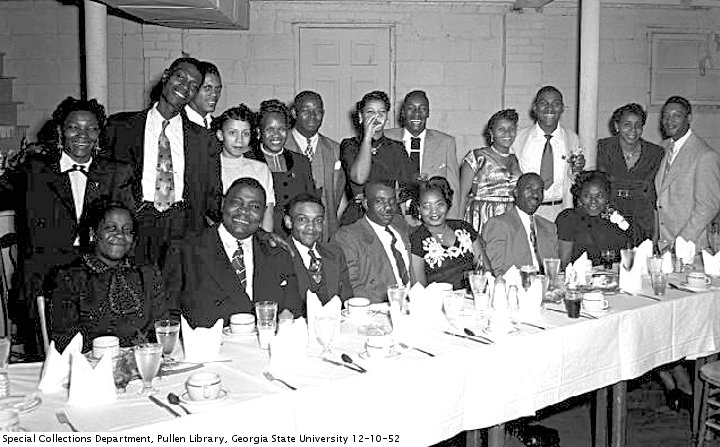
Two Years Later



This is a repost from the day after voting two years ago. This year, the Repubs got the best of things. And America is getting the worst.
There are many problems in our country today. We are addicted to oil. We are stuck in wars eight time zones away. We are spending way more money than we have. The economy is in tatters. And the Republican answer is “just say no”. They seem determined to spend more time fighting BHO than solving these problems. It is not pretty.
The comparison PG makes is to 1932.The nation was in economic tumult. The repubs had been in power too long, and were ready for a vacation. Franklin Roosevelt was the man chosen to lead America. FDR was crippled, and he smoked cigarettes. The cigarette holder was one of his trademarks. The public was well aware of the cigarette holder, but was clueless about the leg braces. Such were the times…smoking was profitable to the advertisers, but polio was not talked about.
At a point in the fifties, a vaccine for polio was discovered. The disease became something for the medical textbooks, instead of a horror for families. At roughly the same time…very roughly… reports started to come out about the health hazards of smoking. Bit by bit, smoking came to be seen as a bad thing. The print media paid lip service to this, while accepting advertising from the tobacco mongers.
By the time BHO became a national figure, politicians were careful not to be photographed smoking. The tobacco habit of BHO was whispered about, but the visual confirmation will not be seen. Not even the scandal magazines have pictures of BHO lighting up. And yes, BHO plays basketball, and is not remotely crippled. If he hobbled on a cane, while wearing braces, the media would have been all over it. Is this right or wrong, or just different?
There are lots of postmortems today, and PG might as well join the fun. He is not overjoyed at the election of BHO. The man has a lot of flaws. PG questions his commitment to the basic constitutional rights. Mr.Bush has done damage to many of our rights in his “War on Terror”. PG is concerned that BHO is going to use this opening to create a police state.
BHO faces a lot of challenges. PG remembers the reception given Bill Clinton in 1993. The wingnut media fought him tooth and nail for eight years. Finally, in his second term, they caught Slick Willie in an improper situation. America wasted a year trying to impeach the President. None of this fighting helped to achieve energy independence. This business of buying oil from hostile foreign powers is at the root of the tumult in the middle east, and today’s financial crisis. America has known this was a problem since Richard Nixon was President. The media spent more time fussing about Bill Clinton’s zipper problem.
PG has two hopes for the new administration. One is that the opposition maintains the watchdog status, but gives BHO the chance to perform. This simply did not happen with Bill Clinton. The second is that BHO doesn’t get caught in any scandal, but remains focused on solving the problems of this age.
It might help if BHO were to quit smoking.



Journalism And Bicycle Accidents
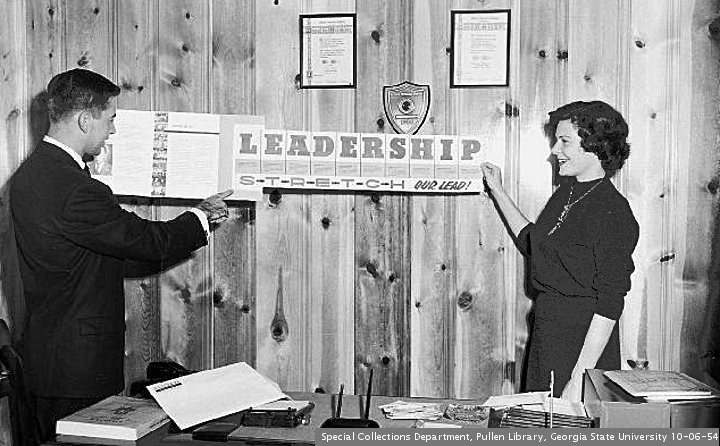



Bill Moyers gave a speech recently to a facility in Boston. In the first paragraph he quotes George Bernard Shaw as saying “journalists are seemingly unable to discriminate between a bicycle accident and the collapse of civilization.” A visit to google did not turn up the context of the quote. It did turn up some good quotes about Journalism.
Meanwhile, dangerousminds (spell check suggestions:endangerment,Dangerfield) has an interview with Brian Eno. (spell check suggestion:Ono) He is promoting some product. In the course of the chat, Mr. Eno begins to discuss copyright law. No, he doesn’t discuss, he quotes chapter and verse for over a minute. It seems like a 13yo was downloading product, and the lawyers wanted to sue. Mr. Eno chose to have his roadies smash the kid’s bike, while he was still on it.
To hear some whiners, to cheat an artist out of royalties is the collapse of civilization. The answer in this case was a bicycle accident.
The interview is fun for a couple of more reasons. The interrogator is a man using the name “Dick Flash”. Mr. Flash seems to be a man of a certain age, hiding the onslaught of time with hair chemicals(or a rug). Mr. Eno, on the other hand, seems comfortable with going bald. He is the master of synthetics and studio trickery for music, but in real life a proud chrome dome.
Eno is part of a three letter combination that is incredibly anagram friendly. Eno, Eon, Neo, Noe, One, Oen. Only the last is not a name or word, and there is no doubt an organization with those intitials.
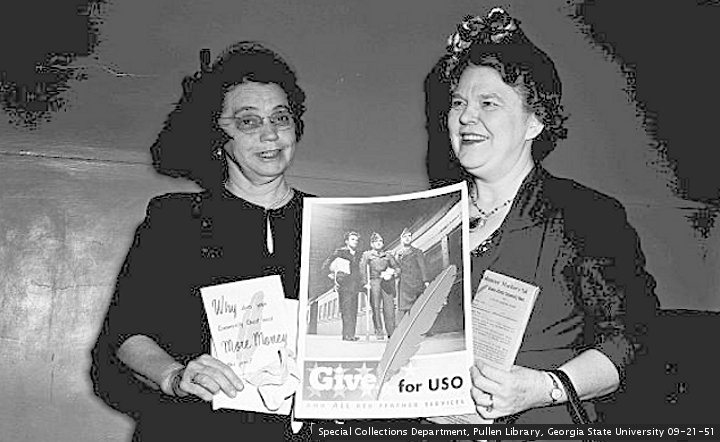

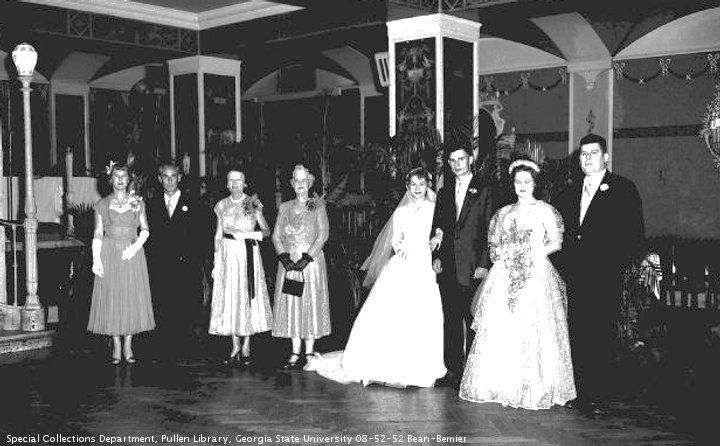
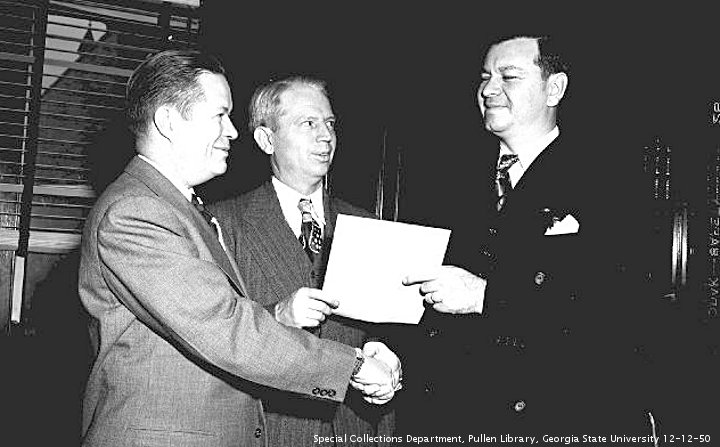
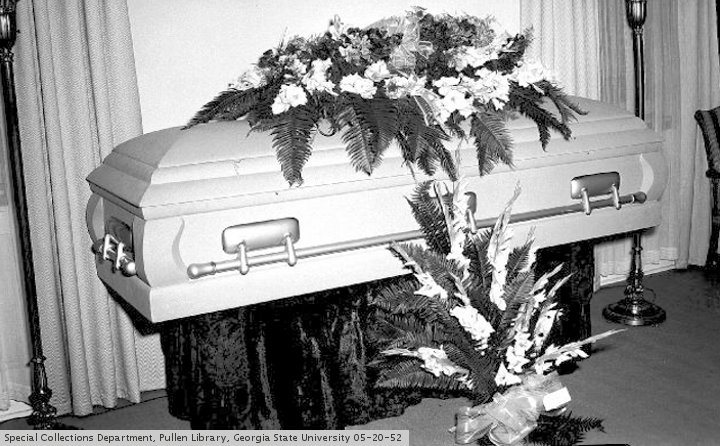
The search for context about George Bernard Shaw and Journalism did not yield a source for the quote. ( PG, who does have a life, did not go past page two of Google) It did yield a multitude of quotes about Journalism. While preparing the list of quotes for publication, PG was aware of the rule of quotes. When one is compiling a list of quotes, you need at least one Mark Twain and one Oscar Wilde. After a few minutes of copy paste, the Oscar Wilde appeared, and below that was the quote by George Bernard Shaw that started this ordeal. The source for the GBS quote is “Ingelhart, Louis E. (1998). Press and speech freedoms in the world, from antiquity until 1998: a chronology. Westport, Conn: Greenwood Press. pp. p. 183.” Journalism largely consists in saying “Lord Jones Dead” to people who never knew Lord Jones was alive.— G. K. Chesterton, The Wisdom of Father Brown//It’s all storytelling, you know. That’s what journalism is all about.— Tom Brokaw//Rock journalism is people who can’t write interviewing people who can’t talk for people who can’t read.— Frank Zappa, in Linda Botts, Loose Talk// Journalism is literature in a hurry.— Matthew Arnold//Knowing what goes on in the world by reading a newspaper is like telling time using the second hand of a watch.– Unknown //Journalism consists in buying white paper at two cents a pound and selling it at ten cents a pound.— Charles Anderson Dana// Writing for a newspaper is like running a revolutionary war; you go into battle not when you are ready but when action offers itself.— Norman Mailer, The Presidential Papers//War correspondents … see a great deal of the world. Our obligation is to pass it on to others.— Margaret Bourke-White//Journalism allows its readers to witness history; fiction gives its readers an opportunity to live it.— John Hersey//Life is bad fiction — Unknown// A journalist is stimulated by a deadline; he writes worse when he has time.— Karl Kraus//News is what a chap who doesn’t care much about anything wants to read. And it’s only news until he’s read it. After that it’s dead. — Evelyn Waugh, 1938//When journalese was at its rifest the Ministry of Health was established – possibly a coincidence. — John Galsworthy, 1924// Never forget that if you don’t hit a newspaper reader between the eyes with your first sentence, there is no need of writing a second one. — Arthur Brisbane, c. 1900//A reporter is always concerned with tomorrow. There’s nothing tangible of yesterday. All I can say I’ve done is agitate the air ten or fifteen minutes and then boom – it’s gone. — Edward R. Murrow, December 31, 1955// Journalists say a thing that they know isn’t true, in the hope that if they keep saying it long enough it will be true. — Arnold Bennett, 1918//A newspaper is known by the columnists it keeps. — Irvin S. Cobb//In the real world, the right thing never happens at the right place and at the right time. It is the job of journalists and historians to make it appear that it has. — Mark Twain// Exaggeration of every kind is as essential to journalism as it is to dramatic art, for the object of journalism is to make events go as far as possible. Thus it is that all journalists are, in the very nature of their calling, alarmists; and this is their way if giving interest to what they write. Herein they are like little dogs, if anything stirs, they immediately set up a shrill bark.— Arthur Schopenhauer// Editor: a person employed by a newspaper, whose business it is to separate the wheat from the chaff, and to see that the chaff is printed. — Elbert Hubbard, The Roycroft Dictionary of Epigrams (1914)//For most of the history of American journalism, the independence and high quality of the American press have been tied … to the commercial spirit and the need to offer his money’s worth to a purchaser in the open market. — Daniel J. Boorstin// So much for Objective Journalism. Don’t bother to look for it here—not under any byline of mine; or anyone else I can think of. With the possible exception of things like box scores, race results, and stock market tabulations, there is no such thing as Objective Journalism. The phrase itself is a pompous contradiction in terms. — Hunter S. Thompson, Fear and Loathing: On the Campaign Trail ’72// Where the press is free and every man able to read, all is safe. — Thomas Jefferson, Letter to Charles Yancey, January 6, 1816//In Czechoslovakia there is no such thing as freedom of the press. In the United States there is no such thing as freedom from the press. — Martina Navratilova//The freedom of the press is one of the greatest bulwarks of liberty, and can never be restrained but by despotic governments. — George Mason, principal author of the Virginia Declaration of Rights (1776)//  Burke said there were Three Estates in Parliament; but, in the Reporters’ Gallery yonder, there sat a Fourth Estate more important far than they all. It is not a figure of speech, or a witty saying; it is a literal fact, – very momentous to us in these times. — Thomas Carlyle, On Heroes, Hero-worship, and the Heroic in History (1859)//There is simply no telling in advance which of us will stumble upon true news and valuable thought. The dirty secret of our business is that we are not, after all, journalists, only scavengers. — The New York Times, Editorial (1981)// If somebody came from Mars to America and went around for months or years, and then you asked them who has the best jobs, they would say the journalists, because the journalists get to make momentary entries into people’s lives when they are interesting, and get out when they cease to be interesting. — Bob Woodward, 2003//In America the president reigns for four years, and journalism governs forever and ever.— Oscar Wilde// Journalists are unable, seemingly, to discriminate between a bicycle accident and the collapse of civilization. — George Bernard Shaw//Provided I do not write about the government, religion, politics, morals, people in power, official institutions, the Opera, the other theatres, or about anybody attached to anything, I am free to print anything, subject to the inspection of two or three censors. — Pierre Beaumarchais// They kill good trees to put out bad newspapers. — James G. Watt//I look forward to these confrontations with the press to kind of balance up the nice and pleasant things that come to me as President. — Jimmy Carter//To tell the truth you have to write fiction. — Unknown //Journalists do not live by words alone, although sometimes they have to eat them. — Adlai Stevenson III// If a newspaper prints a sex crime, it’s smut, but when the New York Times prints it, it’s a sociological study. — Adolph S. Ochs//If Christ came back to earth now he would not attack the high priests, but the low journalists. — Søren Kierkegaard//I don’t so much mind that newspapers are dying — it’s watching them commit suicide that pisses me off. — Molly Ivins//In the spider-web of facts, many a truth is strangled. — Paul Eldridge// This entertainment needs another section to come out as a six stripe rainbow. Before the widespread use of color, newspapers were black and white and read all over. Yellow journalism, written for the almighty green, has made many a man blue. Pictures are from ” The Special Collections and Archives,Georgia State University Library”.



The Fixer Upper
PG has read The Fixer Upper by Mary Kay Andrews. The 419 page story is tons of fun. Some of the plot elements are a touch contrived. That should not get in the way of a good time.
Dempsey Killebrew worked for a Washington lobby firm. Her boss got caught, and tried to pin the blame on Dempsey. Soon, she was in South Florida with her father, trying to think of a plan.
It seems like daddy has just inherited a house, in a small Georgia town called Guthrie. Dempsey agrees to move to the fictitious Guthrie, ( 45 minutes away from Macon), fix up the house, and split the profits when they flip it. It seems so easy.
Before long, Dempsey finds out what a wreck the house is, and about a non paying tenant. Miss Ella Kate is staying in “Birdsong”, and is as friendly as a rattlesnake. Dempsey gets to work on the house, with the help of a pair of lawyers, a drunken real estate agent, and a black handyman. She is beginning to make progress on the place when the FBI comes looking for her.
It looks bad for Dempsey, until she finds a bit of evidence in the corruption case. ( This is the plot element that has authenticity nit pickers shaking their heads.) When the FBI agents move in for the kill, Dempsey plays the only card she has, and does well. Once again, you need to suspend disbelief a time or two. ( The female FBI player was named Cam Allgood. That name intrigues PG.)
The story ends with a few stings untied, which leads some to believe a sequel is on the way. As with all stories by Miss Andrews, the pages turn themselves, and the reader begins to think he is really in Guthrie. The characters are people you want to hear about, which makes a sequel sound like fun.
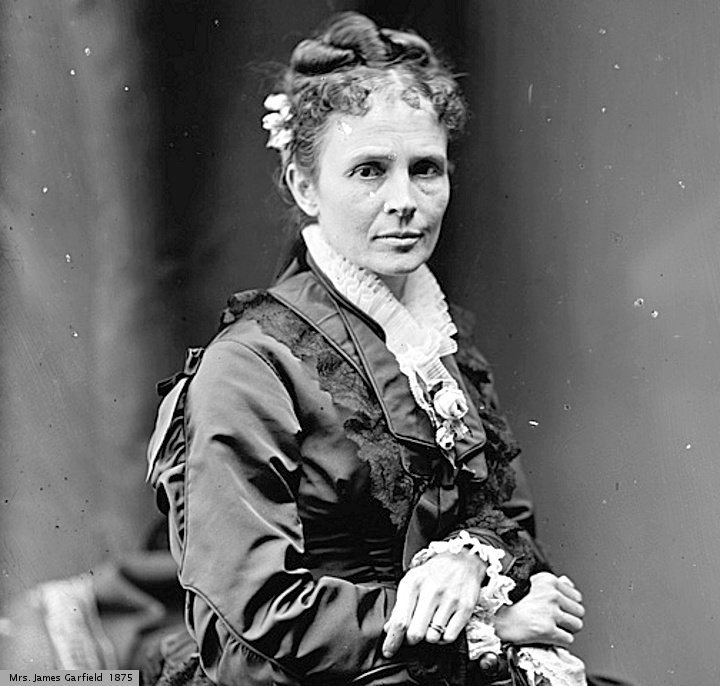
Pictures today are from The Library of Congress.


The “Desiderata” Story



There was a poem , of unknown origin, found in a Baltimore church in 1692. It was revived by a Lawyer,who lived in Terre Haute, IN. He liked to read it his friends, and his lips were moving. The attorney , Max Ehrmann, copyrighted this poem in 1927. Another persistent rumor has it that the manuscript was in an ambulance Mr. Ehrmann was following. How the accident victim came to possess this document is a mystery.
Mr. Ehrmann ( the poet laureate of Terre Haute ) wrote in his diary “I should like, if I could, to leave a humble gift — a bit of chaste prose that had caught up some noble moods”. The poem is ” Desiderata “, and is a favorite of gift shops the world over.
In 1956, Rev. Frederick Kates became the rector of Old St. Paul’s Church in Baltimore, MD. He had found a copy of “Desiderata”, without the copyright notice. He printed a handout for his congregation on church stationary. At the top of the page was the notation “Old St. Paul’s Church, Baltimore A.C. 1692”. As the sixties devolved, the poem became famous.
“Desiderata” was the text of a recording made by Les Crane, who found the poem on a poster. He thought the text was in the public domain, when in fact it is copyrighted. Mr. Crane was taken to court, and forced to pay the owners of the copyright . The matter has been in court on other occasions. It seems that Mr. Ehrmann used “Desiderata” in a Christmas greeting, without citing the copyright. Later,during World War II, Ehrmann allowed a friend – Army psychiatrist Dr. Merrill Moore – to hand out more than 1,000 copies of the poem to his soldier-patients, without the copyright.
PG admits to confusion on this issue. Don’t copyrights expire, get renewed, and then expire again? If a work was written in 1927, doesn’t it go into the public domain 83 years later. The wikipedia article about copyrights is long and confusing. Remember, we are dealing with a legal concept as it relates to a poem written by a lawyer.
A site called fleurdelis says the matter depends on your point of view and place of residence. ( Shcredo says flatly that “Desiderata” is public domain.) ( Robinsweb tells of being forced to remove “Desiderata” from her site because of a complaint by the copyright owner.) If you want to be inspired, click on the videos embedded in this post.
In 1972, the National Lampoon produced a new translation, Deteriorata.


Issues And Potatoes

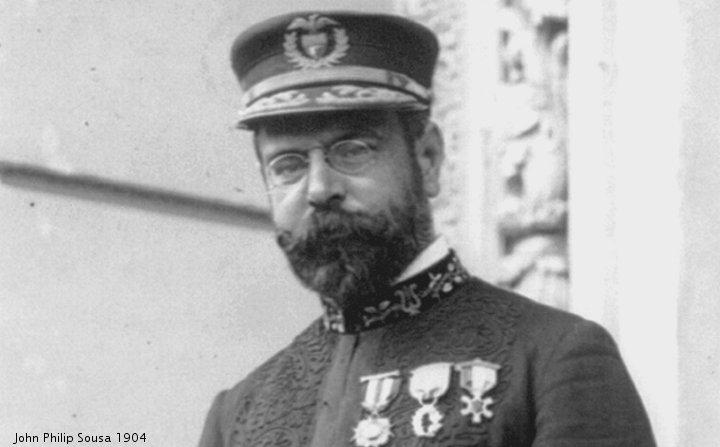
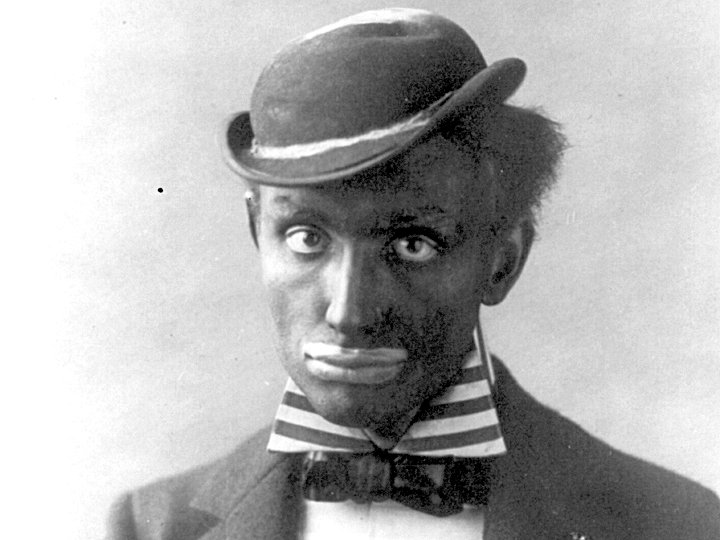
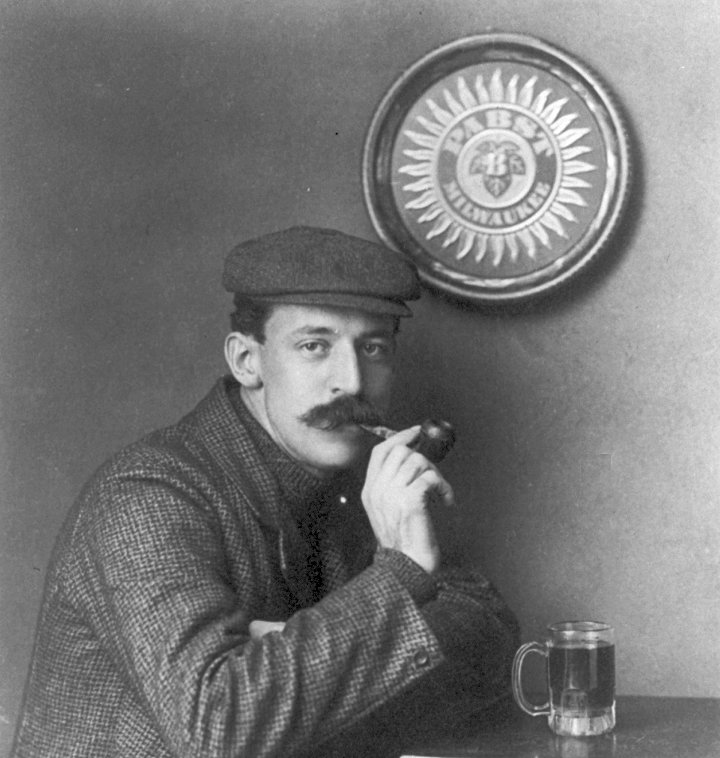
The theme of the nanowrimo cashcowbook is “no plot, no problem”. The majority of the books that PG reads do have plots. If he is going to imitate a role model, this poses problems. Or maybe issues, which is the new word for problem. Once, PG told a project manager in the office “ John, people don’t have problems anymore, they have issues” “ PG , I have an old fashioned job. I’ve got problems”.
This reminds PG of a story. It is about politics, elections, and people who just don’t get it. In 1992, PG was working in an architects office in downtown Atlanta. This is the same office mentioned above. Downtown was full of neat events, and a few not so neat ones.
During the 92 election, the Vice Presidential debate was held in Atlanta. There was a fundraiser starring Dan Quayle that afternoon at the Commerce Club, which was near the “fabulous” Healy Building, where the office was. When the Q man came in, there were some Tech kids imported to cheer him, along with snide comments about how Bill Clinton “didn’t inhale”. So, DQ and his people were ushered in, and PG went back about his business.
About an hour later, PG slipped out of the office to go get a bag of Fritos. A little newsstand, run by a friendly Korean, was the destination. As he crossed Walton Street , he saw the bulletproof limousine going north on Broad Street. PG waved at the potatoe man. He only used one finger.
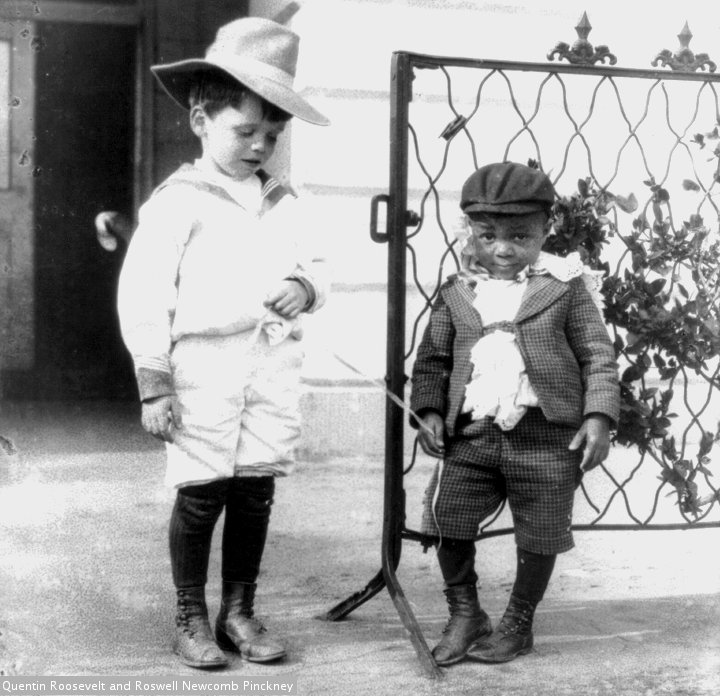
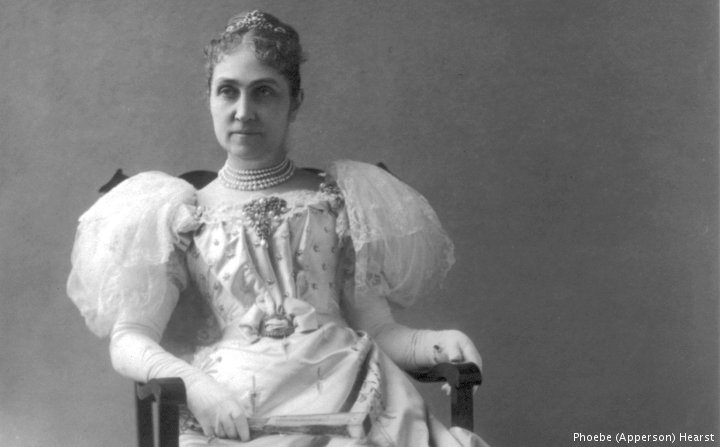
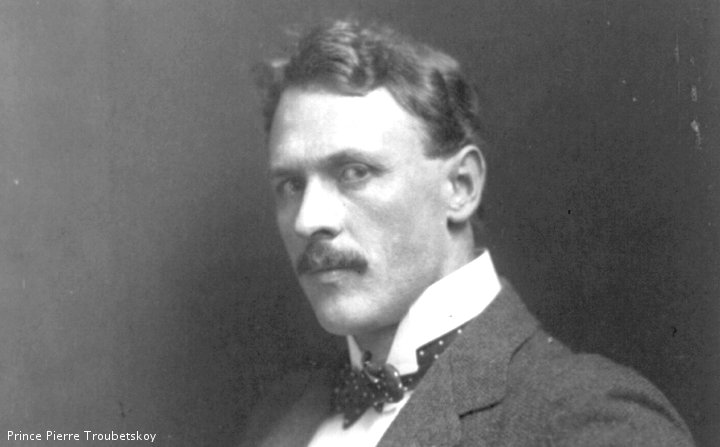
The pictures for tonight’s entertainment are from The Library of Congress.
Esoteric and Pedantic

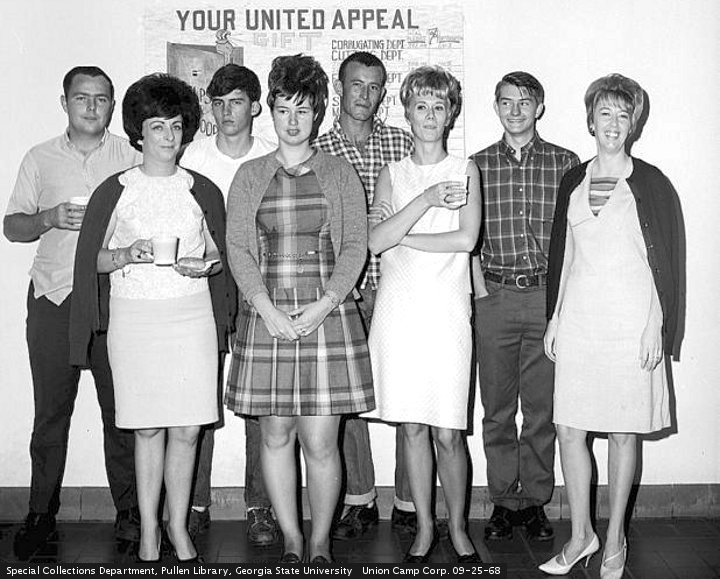


The following feature presentation is a repost. Pictures are from ” The Special Collections and Archives,Georgia State University Library”
Obviously,there is something to be said for wanting to speak up, but not having anything to say. To prove that, I am going to talk about a word…esoteric. According to Wiktionary , esoteric is :”1. Having to do with concepts that are highly theoretical and without obvious practical application.//2. Understood only by a chosen few or an inner circle.//3. Confidential; private.”
The “E word” plays a role in a story from 10th grade English. We were discussing a story, “The Rocking Horse Winner”, by D.H. Lawrence. The story was , well, boring and obscure, just like most of what I have seen my Mr. Lawrence.
The summer after 10th grade I worked in a movie theater. The ushers wore ghastly yellow uniforms, and saw the movies over and over. When I started, the Lenox Square 2 theater was showing “Women in Love”, based on a novel my D.H. Lawrence. Glenda Jackson copped an oscar for her portrayal of Gudren, and young Larry Kramer was one of the screenwriters. It did not improve my opinion of D.H.Lawrence. If the censors had not touched “Lady Chatterly’s Lover” he would be forgotten today.
.Back to 10th grade english. We were discussing this wretched story, and a girl raised her hand. Why would any author would write something so esoteric. The teacher had never heard of this word before, and was amazed to hear it.
The Lenox Square 2 theater was a long, slender thing with a small screen. This was in 1970, when the concept of the multiplex had not evolved yet. LS2 was under a grocery store, and when the automatic door openers performed their duty, you could hear the motors in the theater below. The movies the rest of the summer were Fellini Satyricon, The Christine Jorgenson Story, and The Landlord.
Back to esoteric…or did I ever go away? Before you can understand esoteric, you must plumb the depths of pedantic …”1. Like a pedant, overly concerned with formal rules and trivial points of learning.// 2. Being showy of one’s knowledge, often in a boring manner.//3. Often used to describe a person who emphasizes his/her knowledge through the use of vocabulary; ostentatious in one’s learning.//4. Being finicky or picky with language.” Pedantic is an adjective that describes itself.



 Chamblee54
leave a comment