Welcomes This Rhetoric
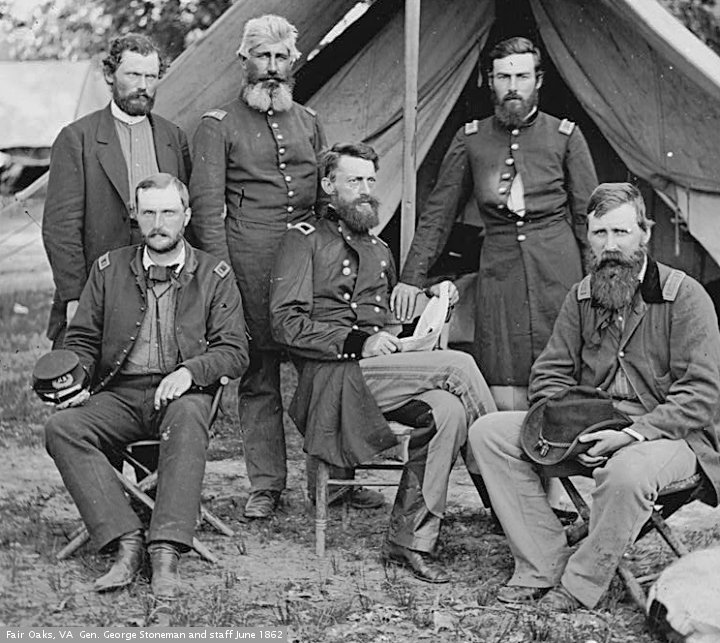
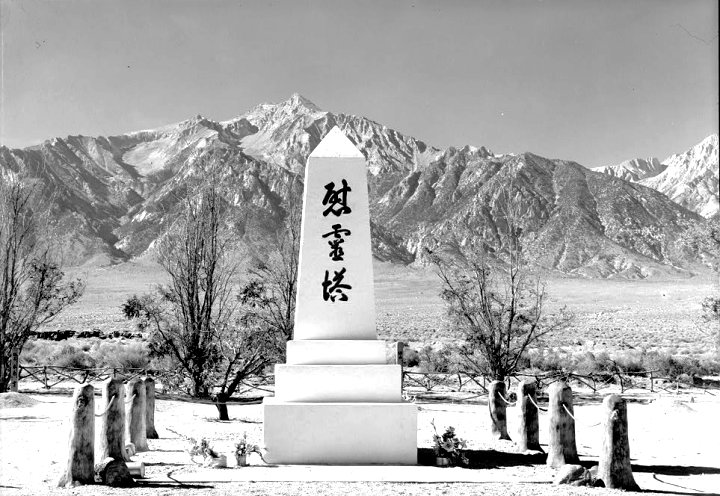
What follows is an edited version of a feature about Don Choi, and war. If you want to read the full version, follow the link. If at any time this makes you think too much, scroll down to the pictures. Pictures are from The Library of Congress.
I never thought I would start crying while listening to an interview with Lt.Dan Choi , the Iraq war veteran who recently received notice of his honorable discharge from the US military for publicly acknowledging he’s gay. But here I am, crying. I’m watching Democracy Now, and during a break in the conversation the show is broadcasting images of Dan Choi at various actions in favor of the repeal of Don’t Ask Don’t Tell.
“Universal Soldier,” Buffy Sainte-Marie’s classic antiwar song, plays in the background. While Sainte-Marie sings, “And he knows he shouldn’t kill/ And he knows he always will kill/ You’ll for me my friend and me for you,” Dan Choi is pictured in full uniform saluting a crowd at the National Equality March, removing tape from his lips to declare: We love our country, even when our country refuses to acknowledge our love. But we continue to defend it, and we continue to protect it, because love is worth it. Love is worth it!..
I’m crying because here is one of the most widely broadcast antiwar news programs in the country, camouflaging Dan Choi’s pro-war rhetoric beneath the lyrics of St. Marie’s Vietnam-era anthem. Dan Choi’s Equality March speech is elaborate in its rhetoric and pageantry, yet in the end it asks us to believe that the vicious wars of US imperialism are for “love.” Democracy Now welcomes this rhetoric into antiwar struggles, simultaneously hiding the pro-war stance and aggrandizing it. This is completely contradictory. You can’t fight against war by arguing that gay soldiers should be able to gun down Iraqis openly…
Dan Choi tells a very compelling coming-out story: I came back from Iraq. And many times when I was sitting in the barricade areas within the compound or in my Humvee, I thought to myself, when am I going to get along with my life, get along with the truth, reconcile who I really am from what I’ve been pretending to be? And many times I would spend alone in Iraq, many nights I would be very contemplative. I came back from Iraq, and I decided that it’s not worth it. I could have died at any moment in the area that I was… Why should I be afraid of the truth of who I am?
Do you see what he’s saying? While in Iraq participating in the slaughter of innocent civilians in a war for oil, he had the chance to contemplate his closeted sexuality, and when he came back to the US he decided that remaining silent about his gay desires wasn’t worth it. How many Iraqis died in order for him to express the “truth of who I am.” What about the truth of the war? His biggest worry seems to be this: “I’ve wanted to go back to Iraq and to Afghanistan, but then I thought, if I die in Afghanistan or Iraq, then would my boyfriend be notified?” Did you hear that? He’s not worried about dying in an atrocious war, or killing innocent civilians, but about whether his boyfriend will be notified…
So, let’s get back to talking about the right to openly serve in the US military. The closest Democracy Now gets to talking about the war in this particular segment comes when Goodman asks, right at the very end of the interview: “Dan Choi, if the law was changed and you were able to return to Iraq or Afghanistan, how would you feel about the war then?”
Choi responds “Well, my feelings on the war and my responsibility to speak out against unjust wars and illegal wars and immoral wars, that certainly wouldn’t change. But, as a soldier, there are certain responsibilities, particularly in war. You put all of the politics of why you’re there aside, and you focus on accomplishing the mission in the most moral and the most, I think, effective way, so that you can get yourself, as well as your soldiers—and your soldiers first—alive back home.”
The interview with former Lt. Choi is eye opening. He had just received his notice of discharge, three weeks after it was sent to his father. Yes, the notice of honorable discharge was sent to the father of Mr. Choi. This father is a fanatic Southern Baptist, who is not speaking to his son at the moment.
Jesus worship religion teaches that to go to an impoverished country and kill people is fine. To love another man is forbidden. This teaching causes parents to turn against their children. Mr. Choi was so hurt by this rejection from his family and church that he almost committed suicide. This is the culture of America today.


 Chamblee54
leave a comment